



MERY's Cafe Usage Survey Reveals Z-Generation Preferences and Insights
Insights into Z-Generation Cafe Preferences from MERY
In a recent survey conducted by MERY, a Japanese company dedicated to understanding the Z-Generation (those born approximately from 1997 to 2012), it has been found that Starbucks remains the most frequented cafe chain among this age group. Conducted during March 2026, the survey sought to gather insights on the cafe usage behavior of 1,000 respondents aged 15 to 30.
Key Findings of the Survey
Short Stay Habits
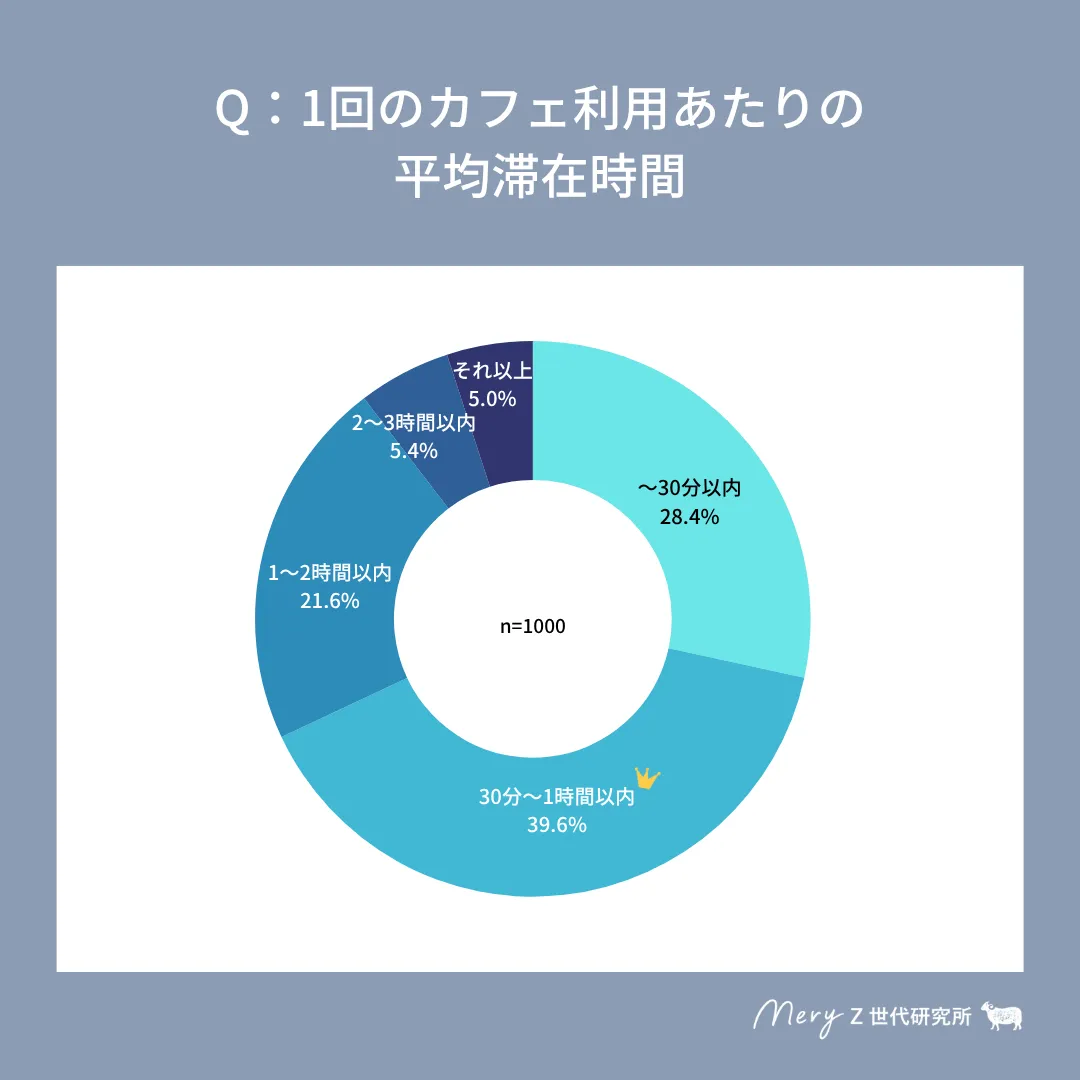
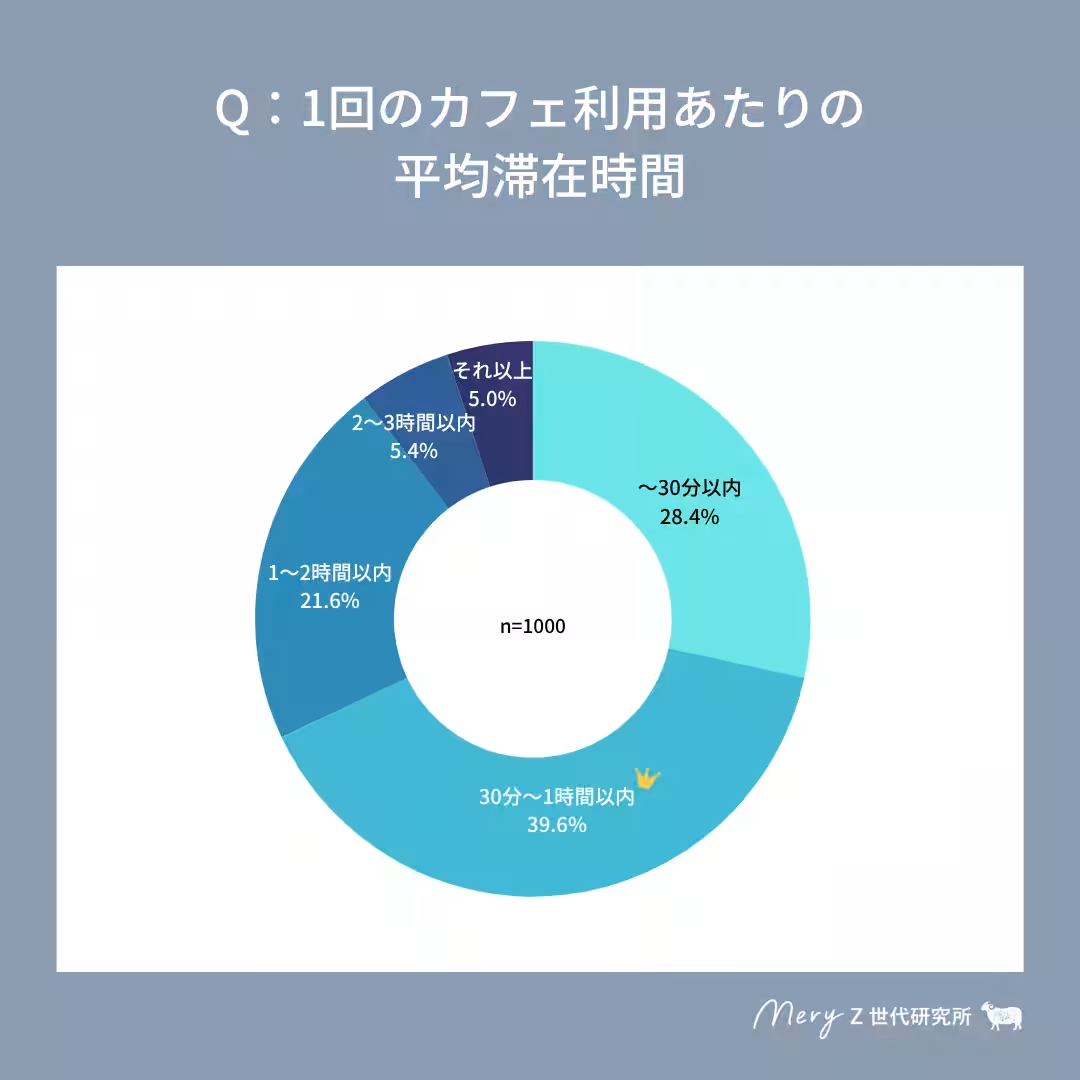
A significant finding from the survey is that the majority of Z-Generation cafe-goers prefer short visits, with nearly 70% indicating they usually stay for under an hour.
- - Average Stay Duration: 39.6% of participants reported they spend between 30 minutes to 1 hour in cafes, while 28.4% prefer to stay for 30 minutes or less.
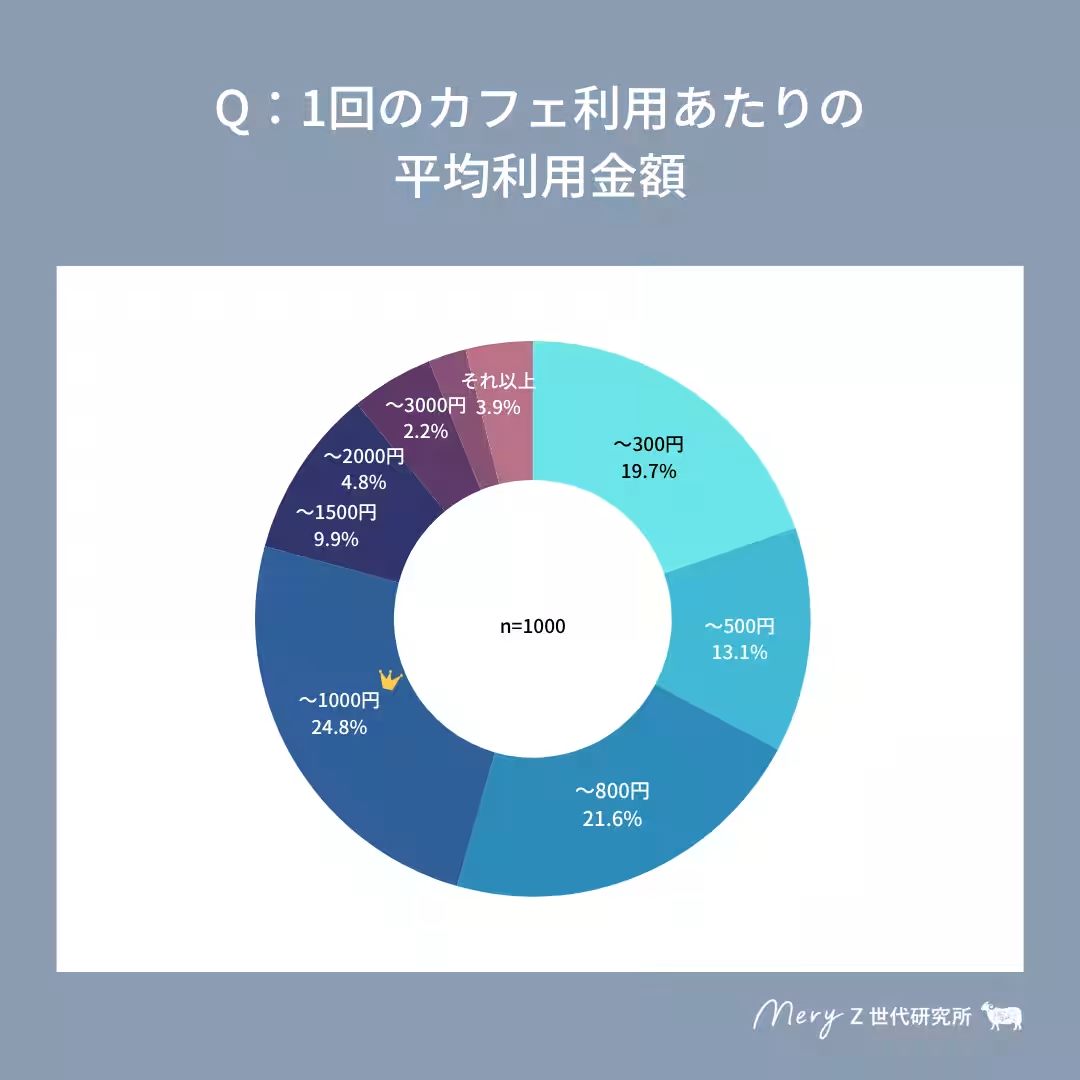
- - Average Spending: In terms of expenditures, responses indicate a preference for spending between 500 to 1,000 yen during each visit—approximately half of the respondents’ spending falls within this range.
Brand Preference Insights
The survey included evaluations on cafe chain usage frequency and overall sentiment toward various brands.
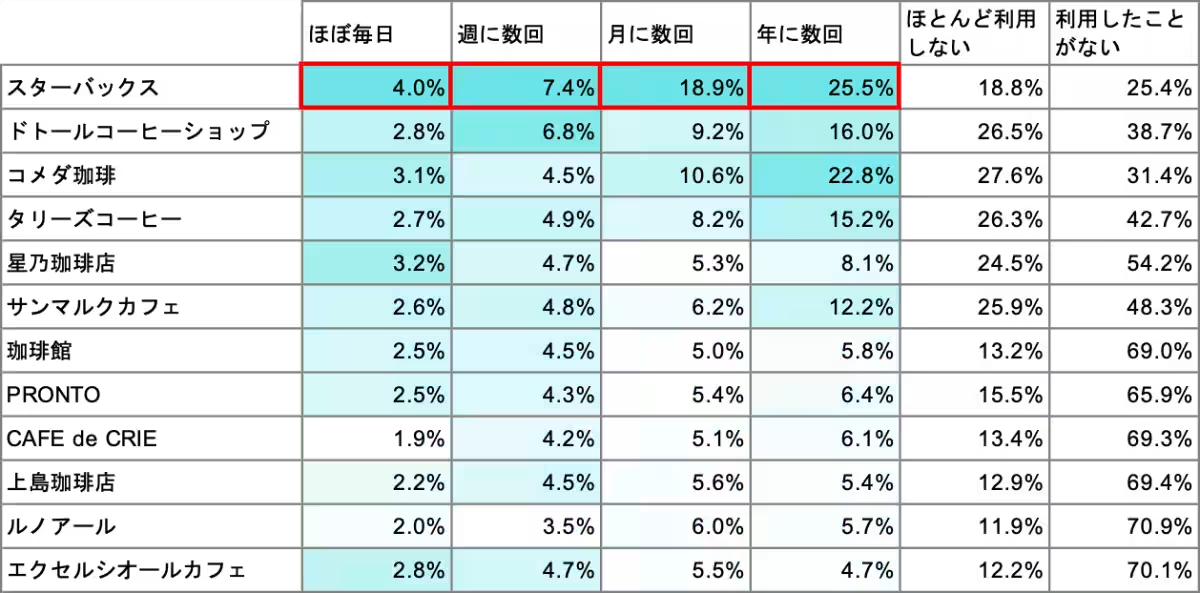
- - Utilization Frequency: Starbucks emerged as the front-runner for cafe visits, with many respondents indicating they visit it almost daily or several times a week.
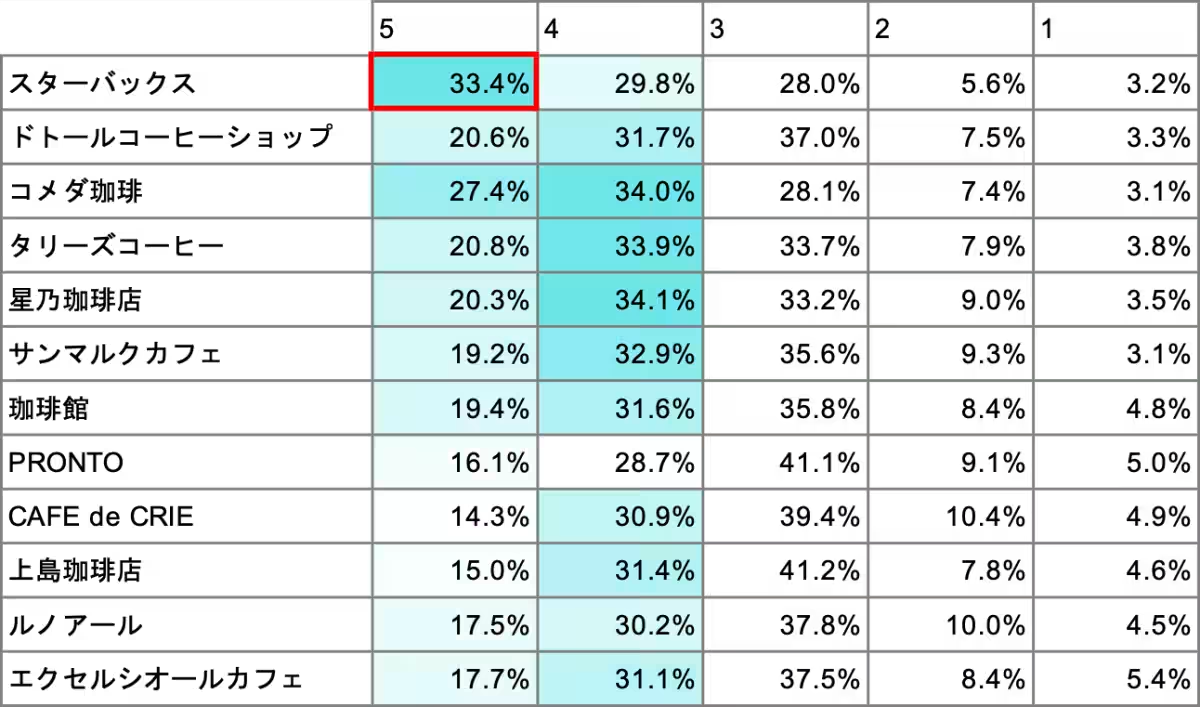
- - Brand Affinity: While Starbucks scored the highest on the affinity scale with 33.4% rating it a perfect 5, Komeda Coffee followed closely with 61.4% of respondents giving it high ratings of 4 or 5. This signifies a strong liking for both brands among this demographic.
Menu Preferences
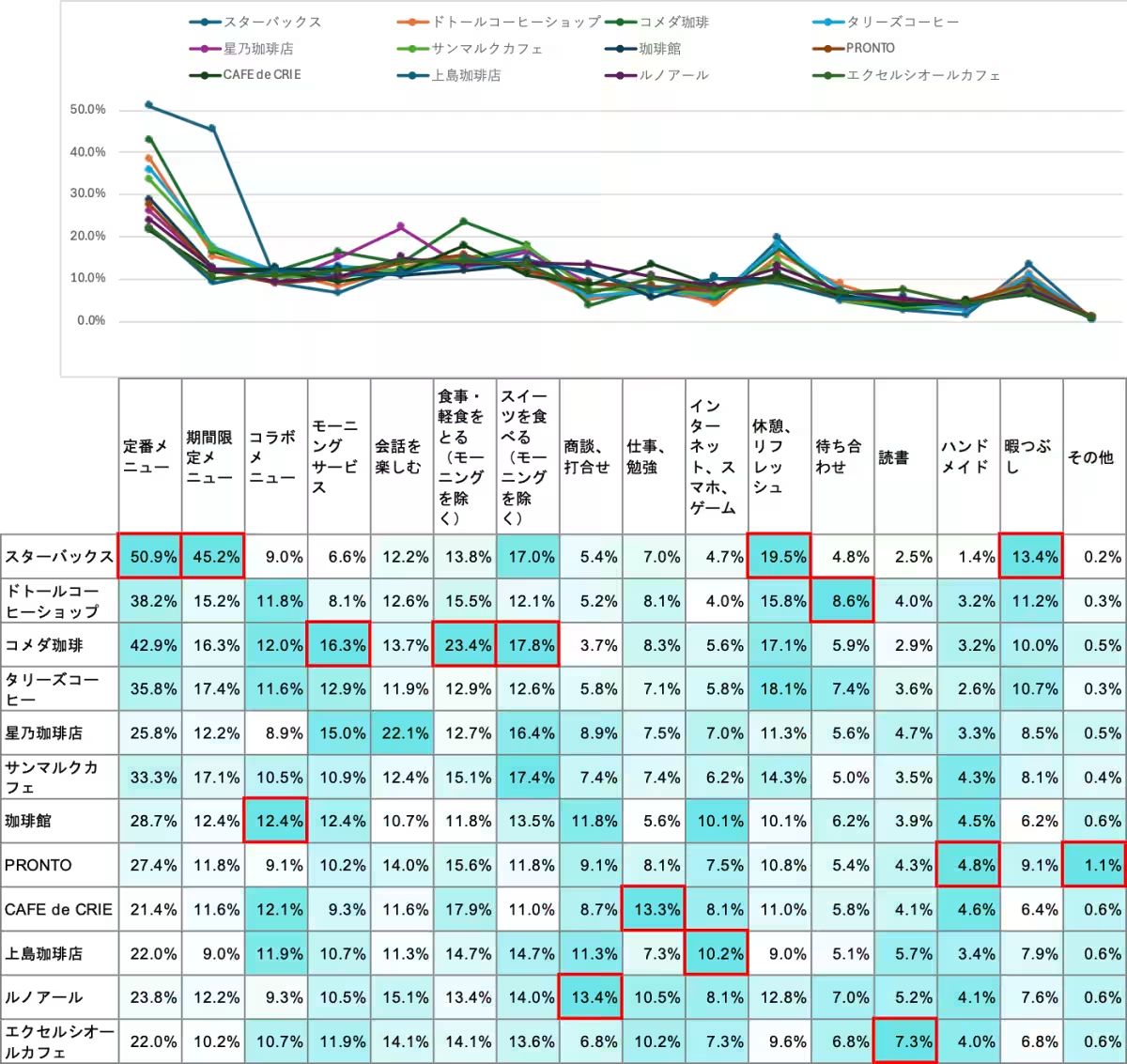
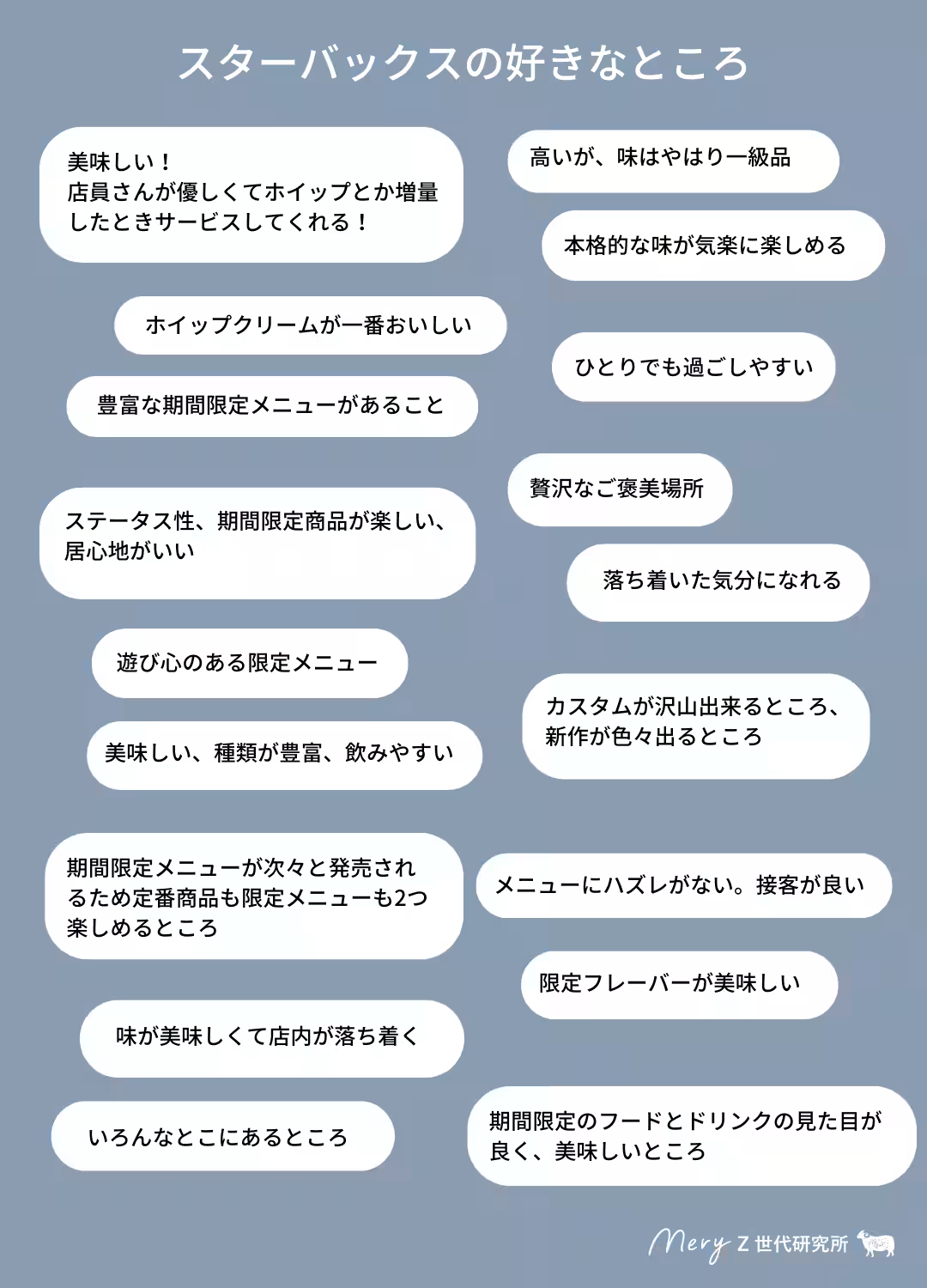
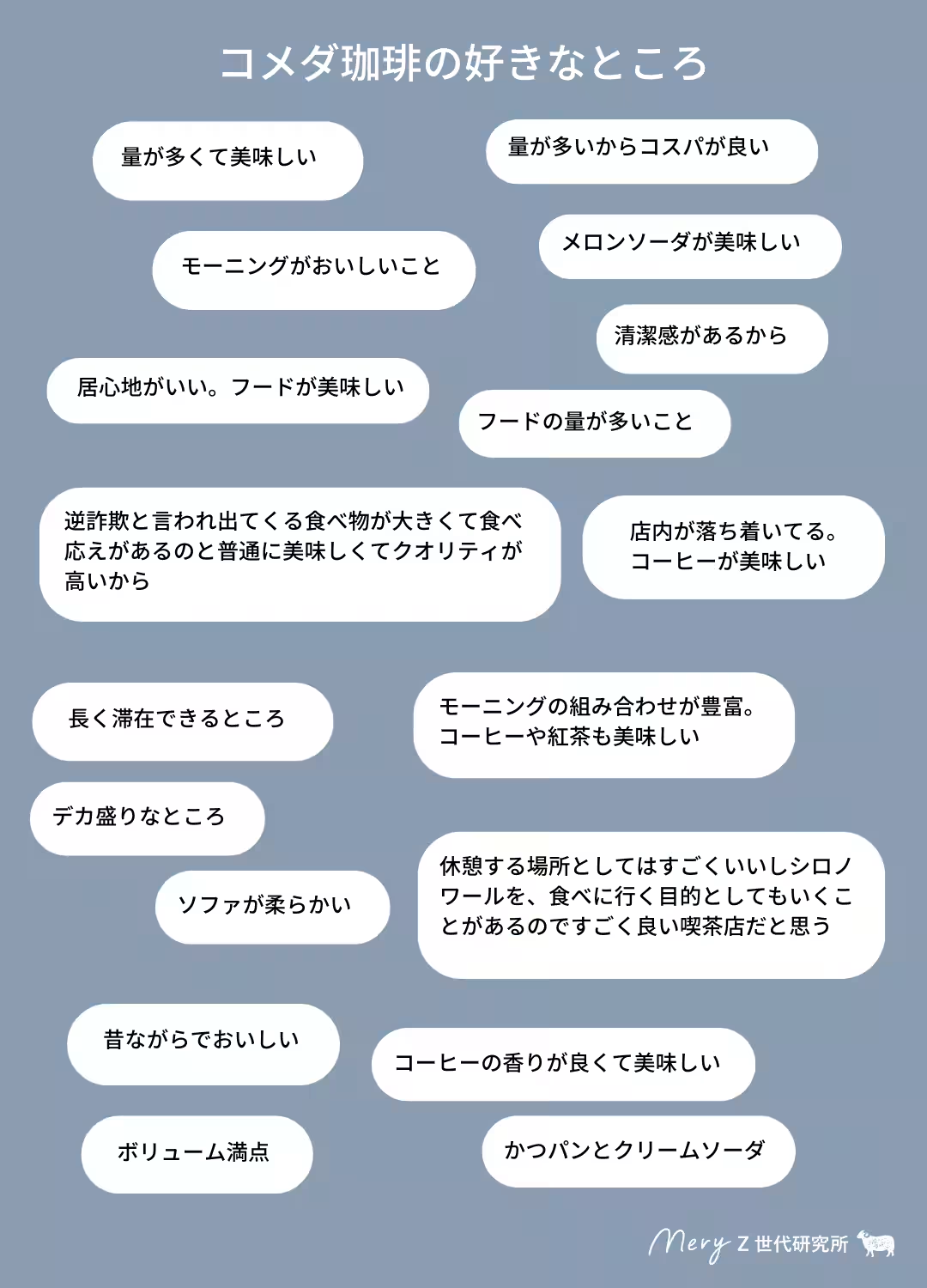
When probed about their reasons for choosing a particular cafe, Starbucks’s consistent classic menu and enticing limited-time offers topped the list of motivations. Notably, respondents who visit Starbucks multiple times each month frequently mentioned the appeal of renowned items and seasonal promotions. In contrast, Komeda Coffee attracted customers mainly for its food offerings, particularly breakfast services, highlighting the unique dining experience it provides. This difference points to the varying motivations that Z-Generation customers have when selecting cafes.
Social Media Influence
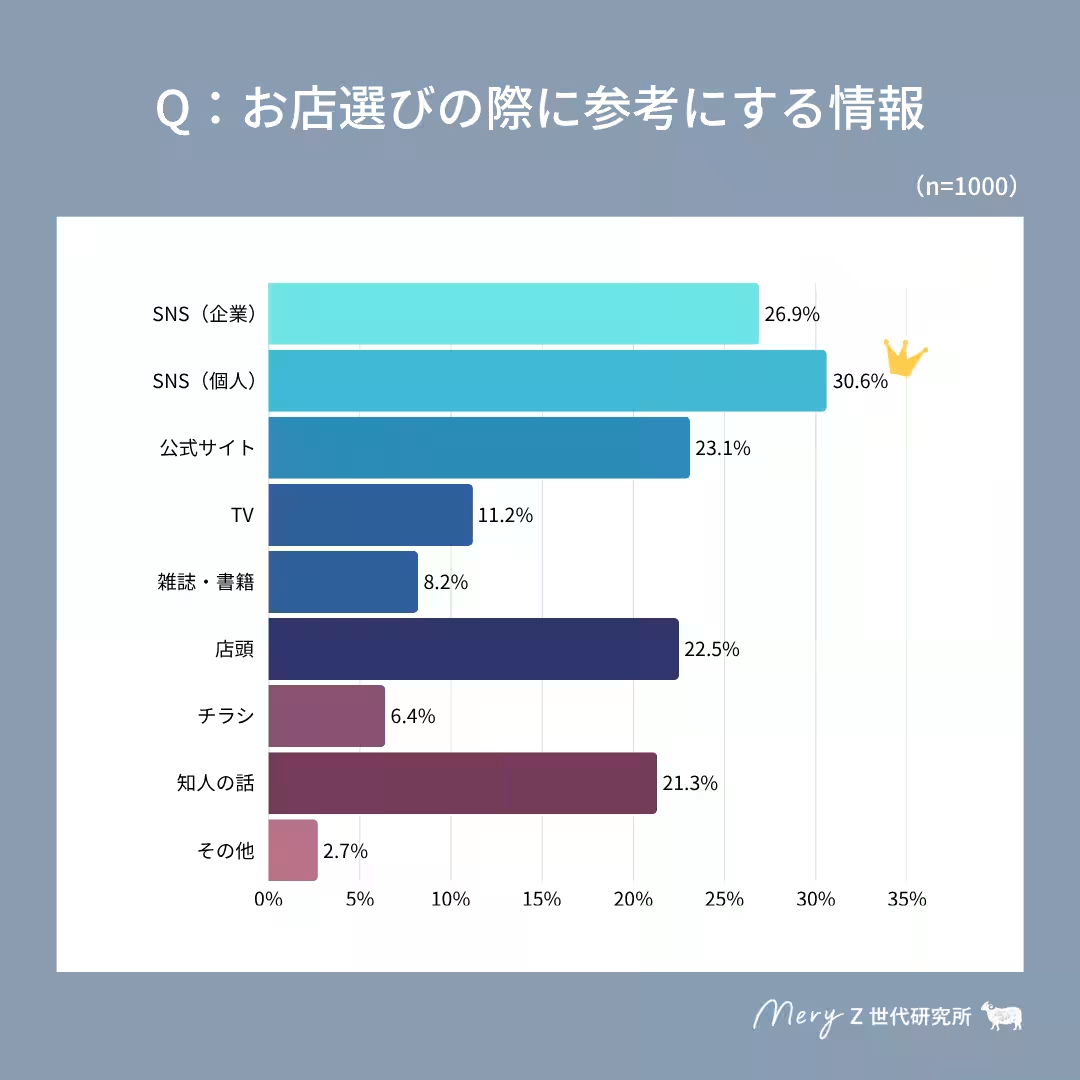
Another intriguing aspect of the survey revealed that Z-Generation heavily relies on social media for decision-making regarding cafe visits. An overwhelming 30.6% of respondents cited personal social media recommendations as their primary information source when selecting a cafe, with 26.9% pointing to corporate social media outlets. This indicates a trend where individuals validate their potential dining experiences through online platforms.
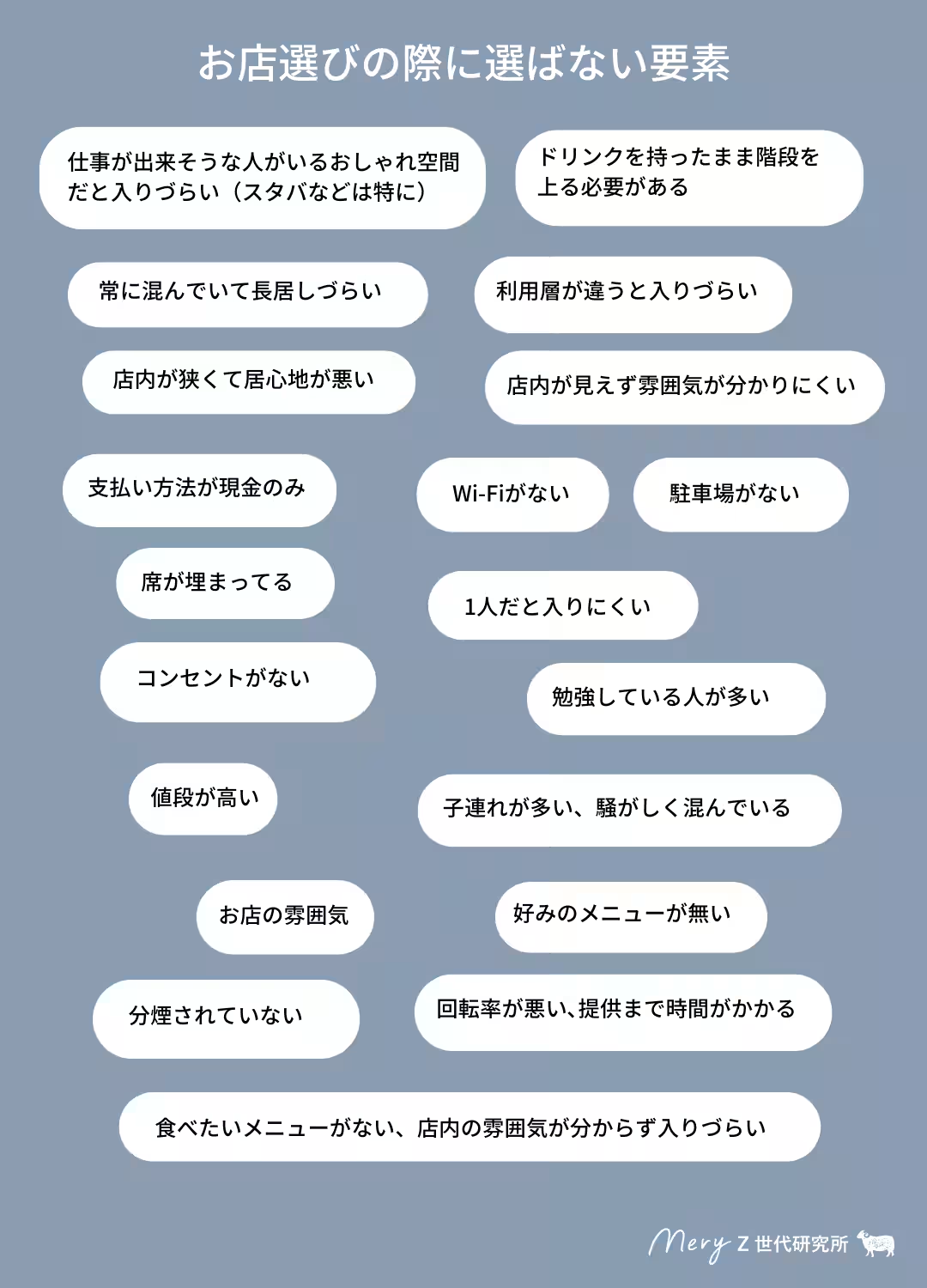
- - Key Considerations in Cafe Selection: On the flip side, factors like noise levels, crowding, and available space seem to deter Z-Generation visitors more than pricing issues.
The Future of Cafe Engagements
The results from MERY's “Cafe Usage Survey” serve as a critical insight into how cafe brands can engage effectively with the Z-Generation. It underscores the need for cafes to focus not only on menu offerings but also on the overall customer experience.
- - As observed, cafes like Starbucks are successful in appealing through trendy and innovative marketing strategies, while brands such as Komeda thrive by providing substantial food options.
- - Understanding and adapting to these intricate preferences will be crucial in curating experiences that resonate with younger audiences.
About MERY and the Survey
MERY is committed to keeping its community engaged through insightful discussions. The “Cafe Usage Survey” is just one of many initiatives to gather authentic voices from the Z-Generation. By collaborating with a high-sensitive community, MERY continuously extracts insights that aid in addressing the marketing challenges faced by various brands.
- - Survey Overview: Conducted between February 19 and March 27, 2026, the survey included responses from across Japan, focusing on the cafe usage habits of young individuals.
For a deeper dive into the preferences of the Z-Generation and to see how they shape the cafe trends, the detailed report is available on MERY's website, where community insights meet the demands of modern marketing.
Conclusion
Through this research, MERY positions itself as a pivotal player in understanding and influencing the Z-Generation's consumer behavior, helping brands align their strategies with the ever-evolving tastes and preferences of the new generation.
For individuals or brands interested in collaborating or learning more, MERY remains open for discussions and queries.

Topics Consumer Products & Retail)


【About Using Articles】
You can freely use the title and article content by linking to the page where the article is posted.
※ Images cannot be used.
【About Links】
Links are free to use.