



Compliance Training in Large Corporations: Insights from the 2026 Survey Results
Overview of Compliance Training in Large Corporations
The landscape of compliance education within large corporations, comprising those with over 1,000 employees, has shown notable consistency as surveyed in early January 2026. According to the latest report by E-communications Co., Ltd., which surveyed 108 executives and board members, compliance training is not only widely practiced but also reflects a continuous high adoption rate since 2024.
Statistics and Findings
1. Implementation Rates
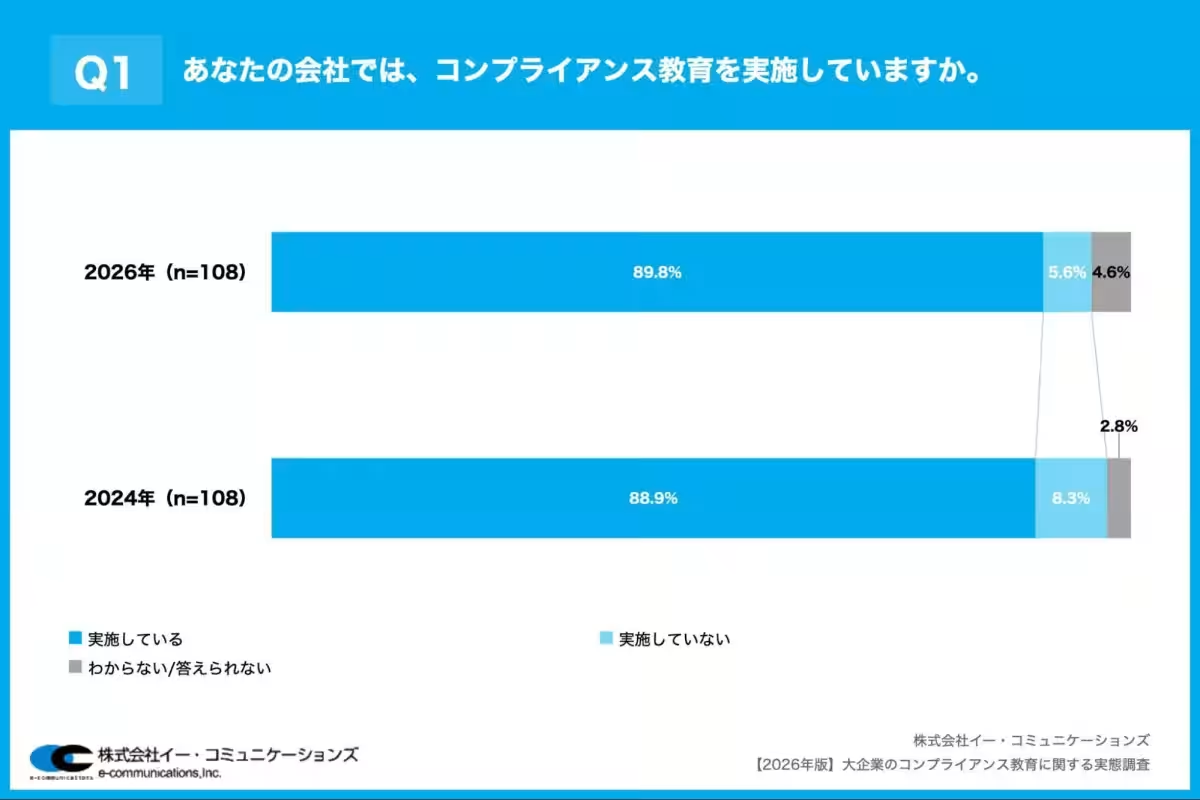
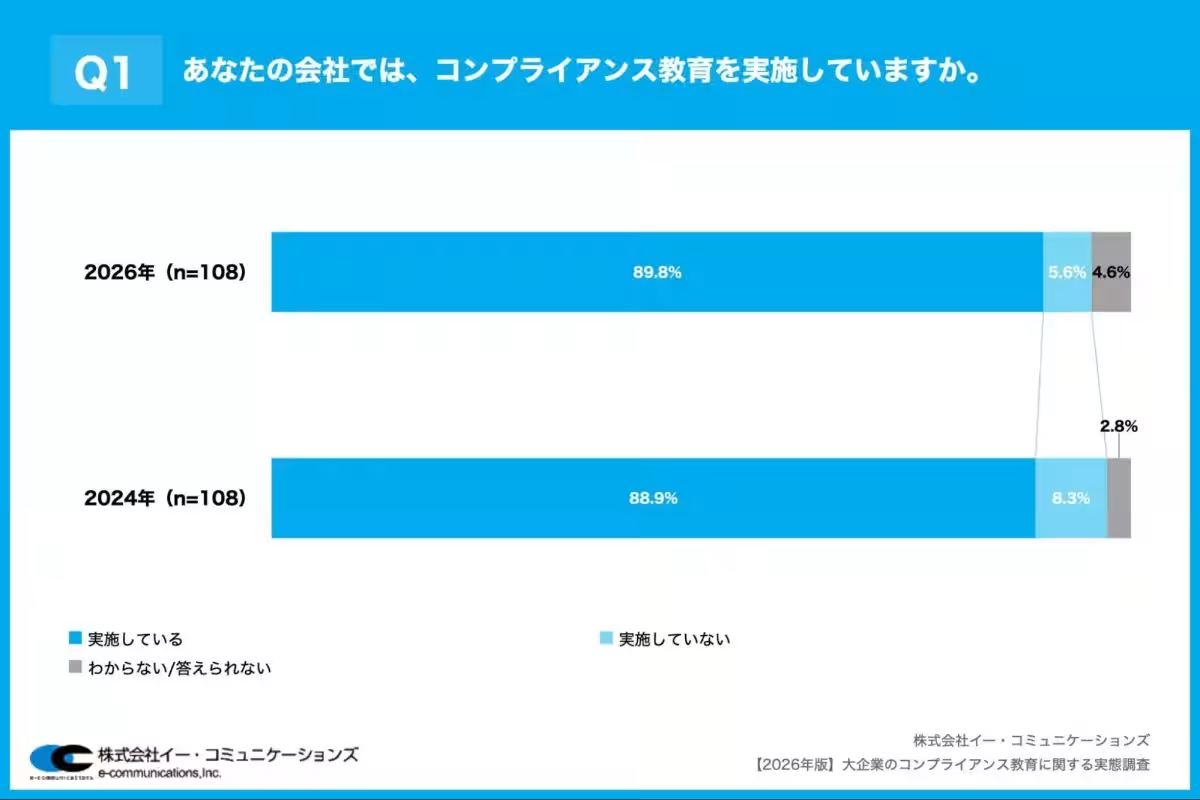
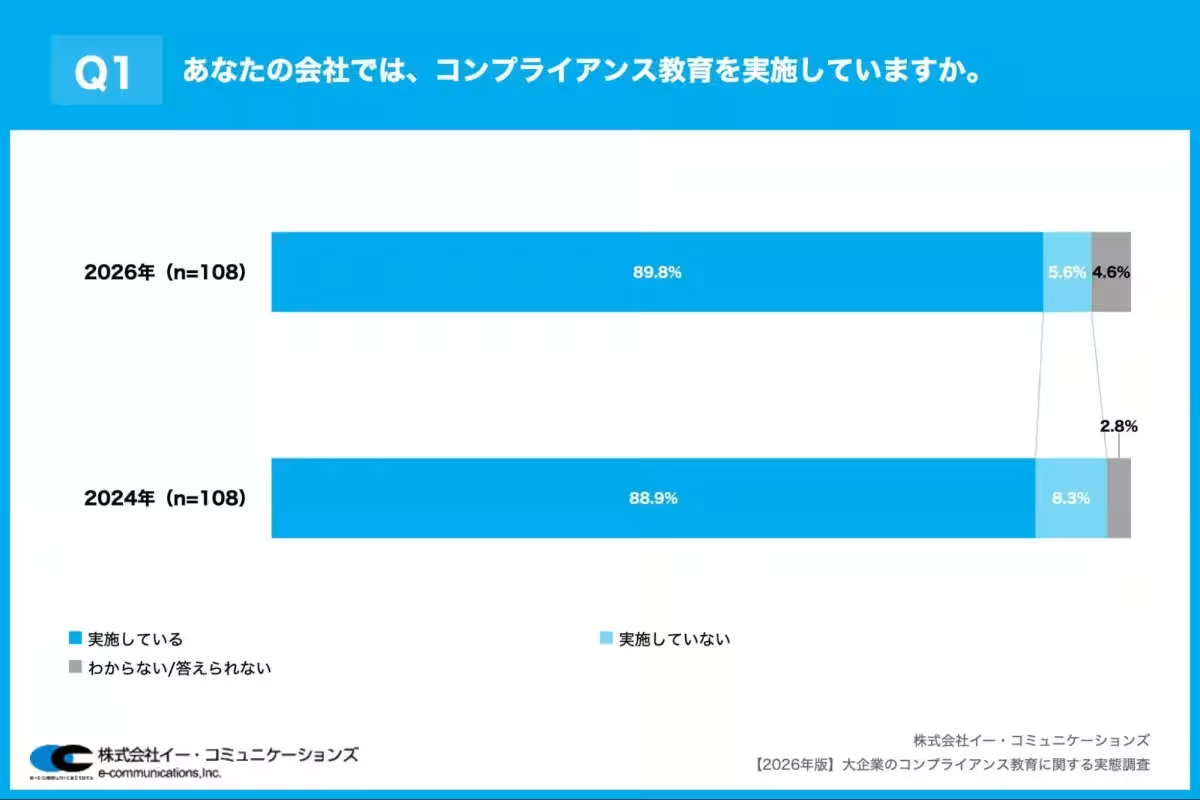
The survey reveals that an impressive 89.8% of respondents confirmed their companies conduct compliance training. This figure represents a slight increase from 88.9% in 2024, indicating a stable commitment to such educational initiatives.
2. Frequency of Training
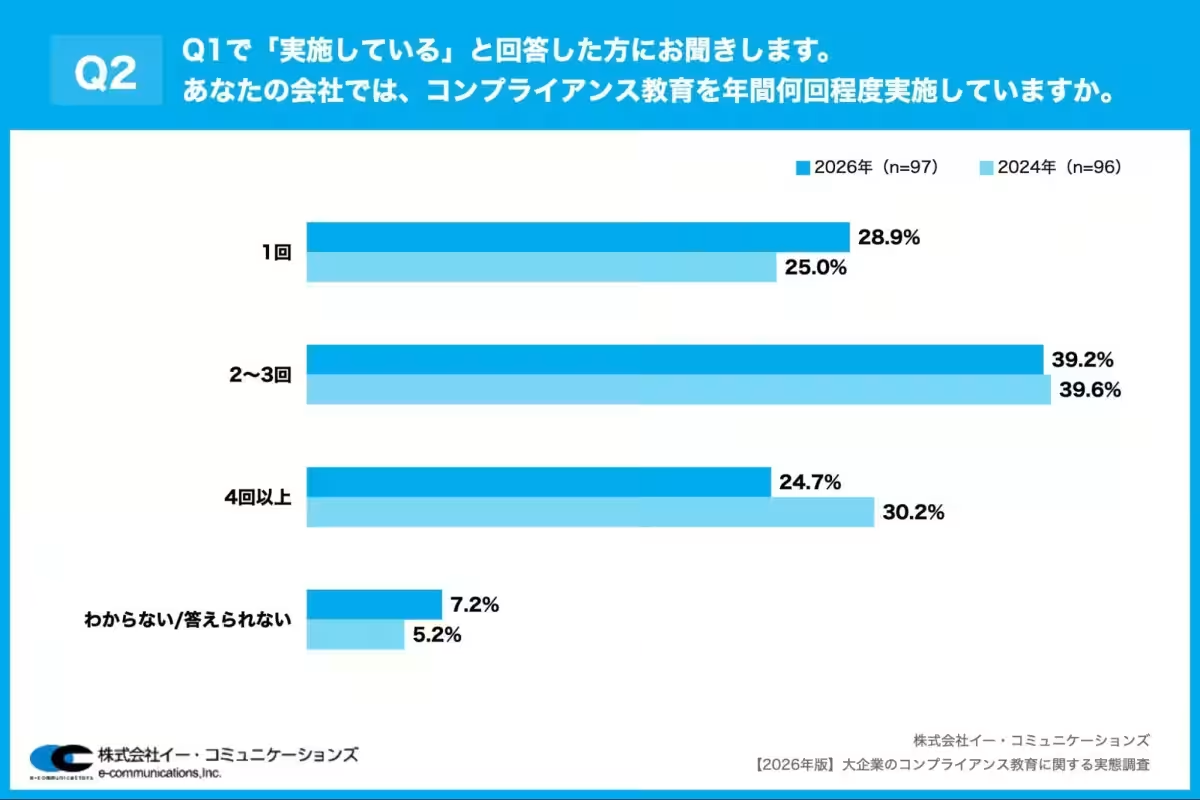
Among those who reported conducting training, 39.2% stated they hold sessions 2 to 3 times a year, with 28.9% conducting it once a year. This consistency in frequency suggests corporations recognize the importance of regular compliance education, although there is still room for increased engagement.
3. Duration of Education
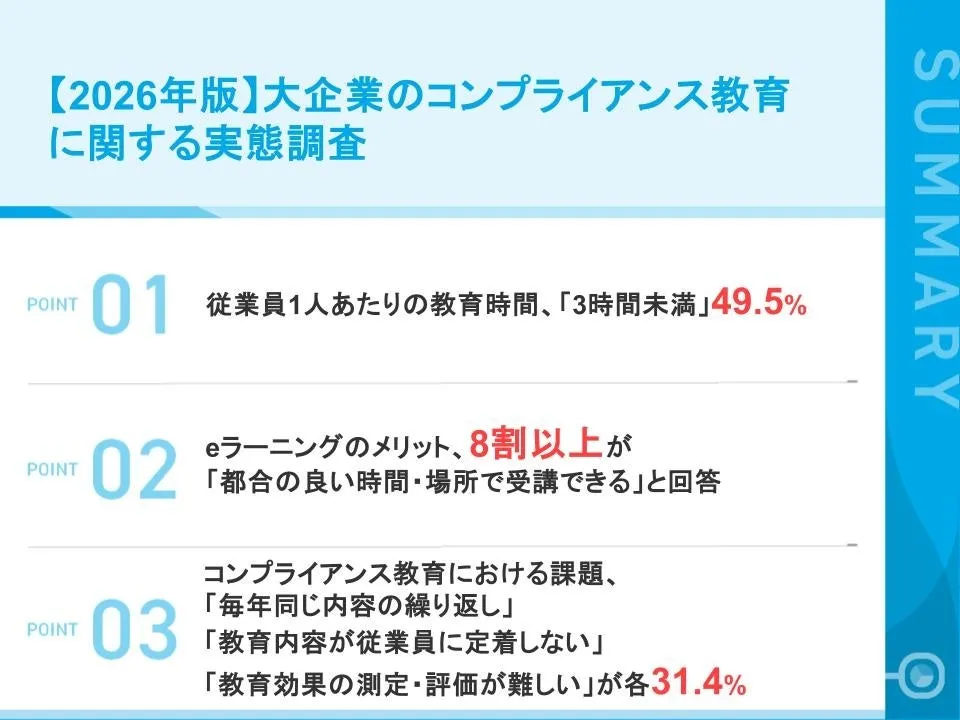
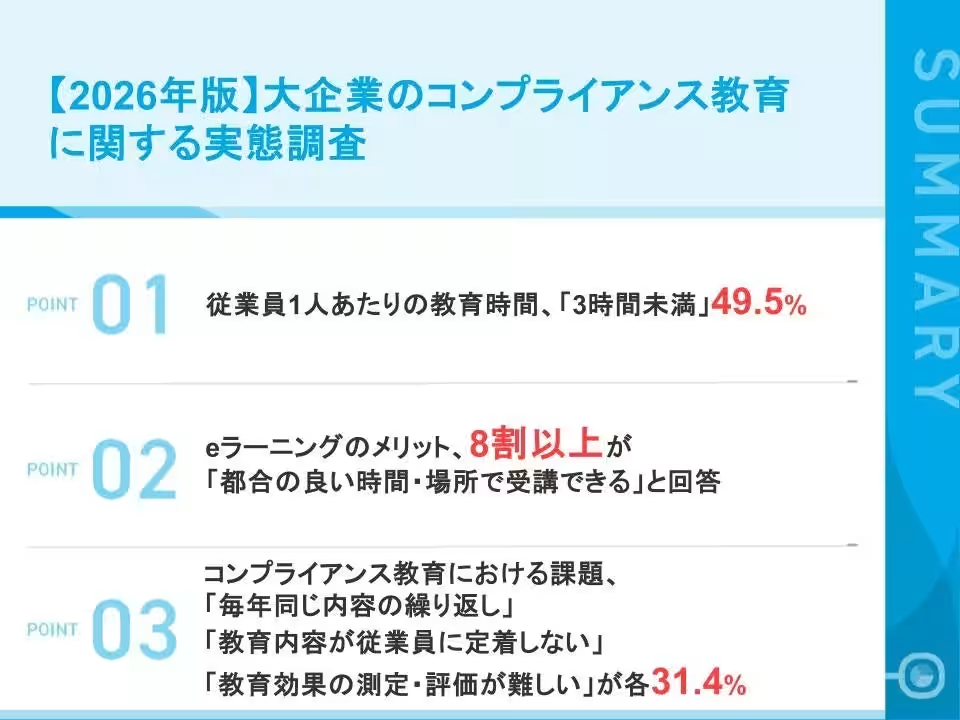
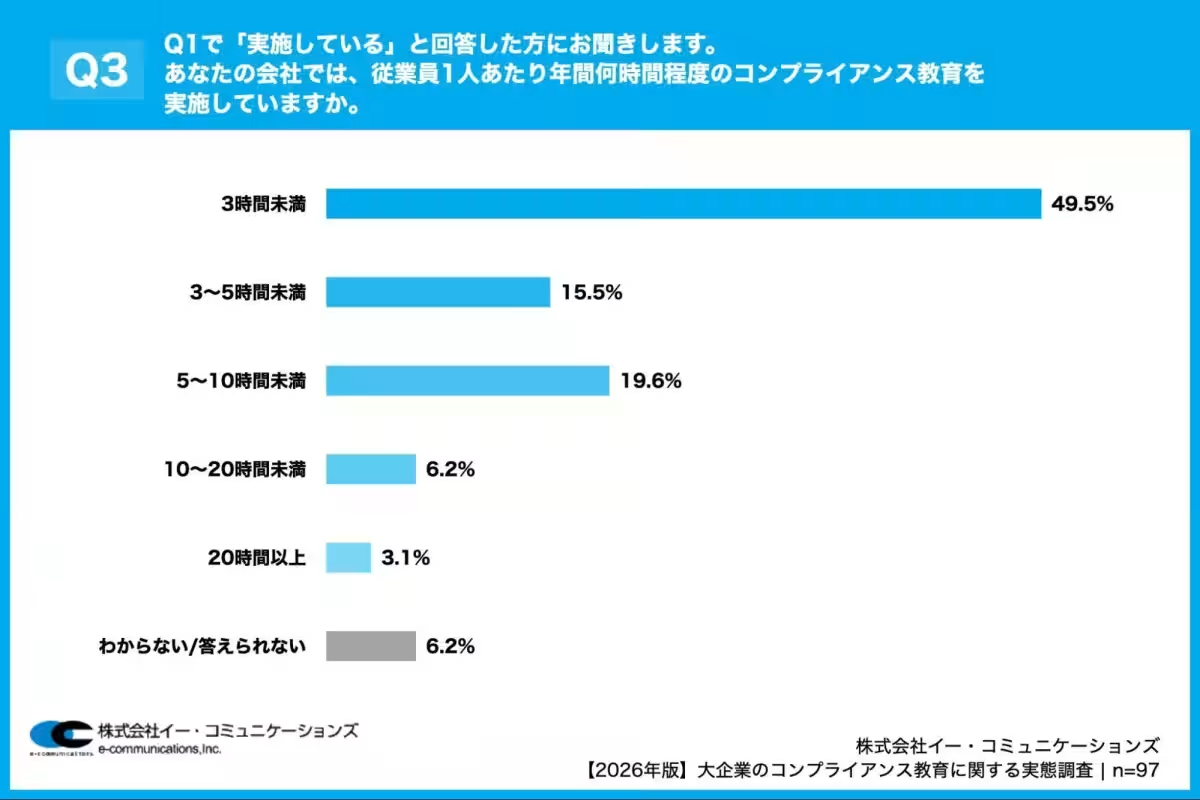
Concerning the amount of training provided, nearly half of the respondents, specifically 49.5%, mentioned that employees receive less than 3 hours of compliance education annually. This raises questions about the depth and effectiveness of the training being administered.
4. Understanding Costs
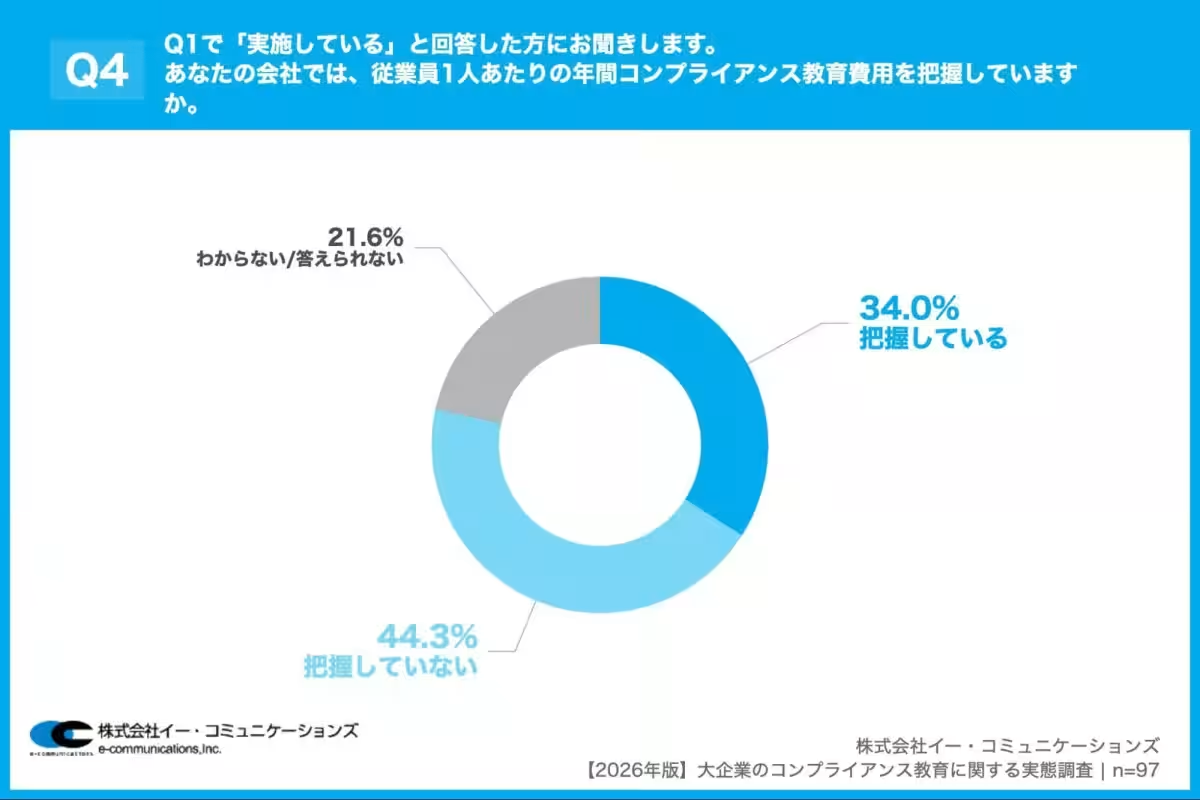
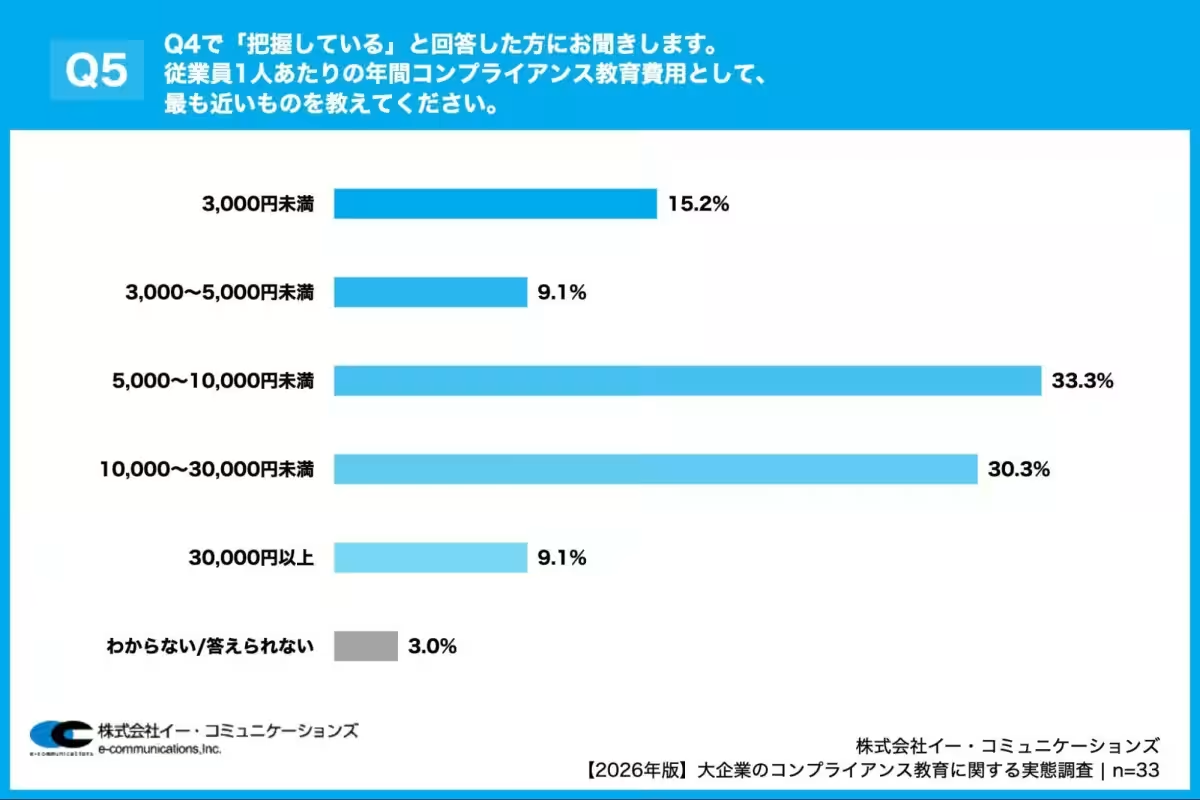
Interestingly, 44.3% of companies do not track their annual compliance training expenses. Out of those who do track, over 72% indicated their cost was above 5,000 yen per employee, pointing towards a financial commitment that could be further optimized with better resource management and strategic planning.
5. Training Formats
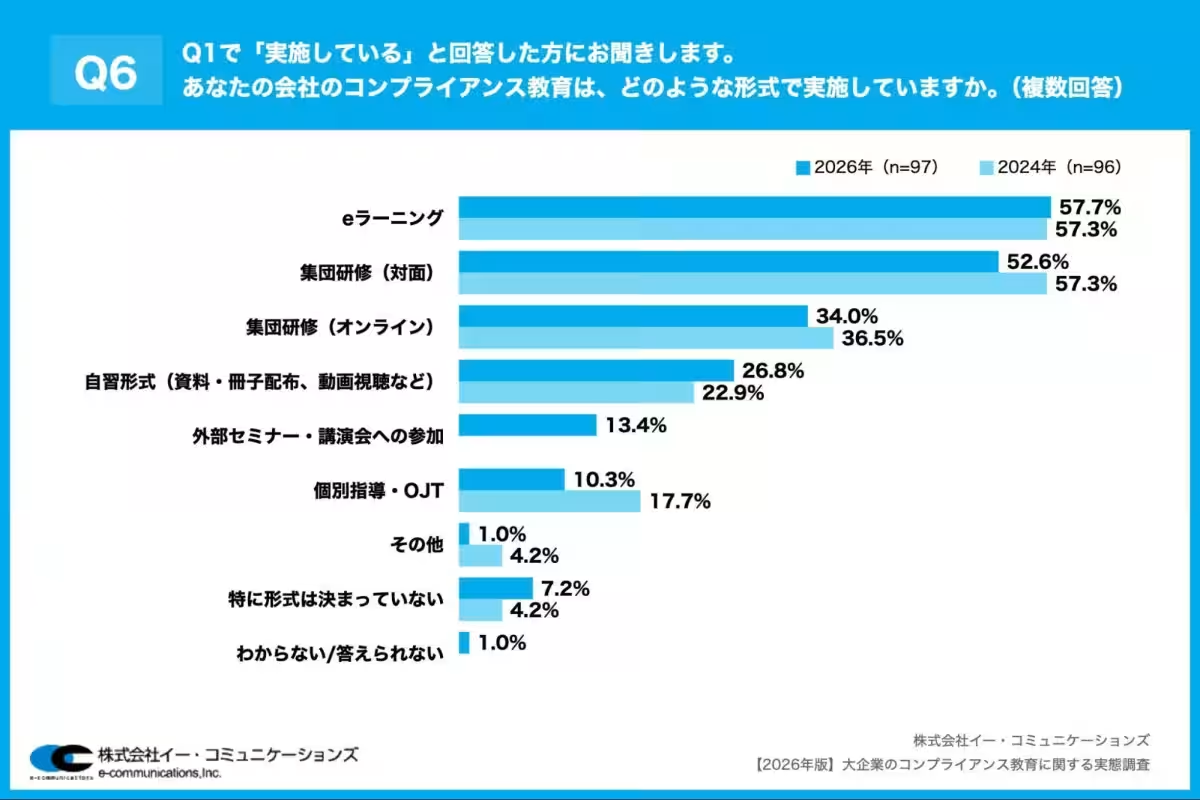
E-learning remains the predominant format for compliance training, used by 57.7% of companies, demonstrating its effectiveness in providing convenient and accessible learning opportunities. In contrast, traditional group training methods, whether in-person or online, were also reported by significant proportions of companies, emphasizing a blended approach to learning.
Challenges in Compliance Education
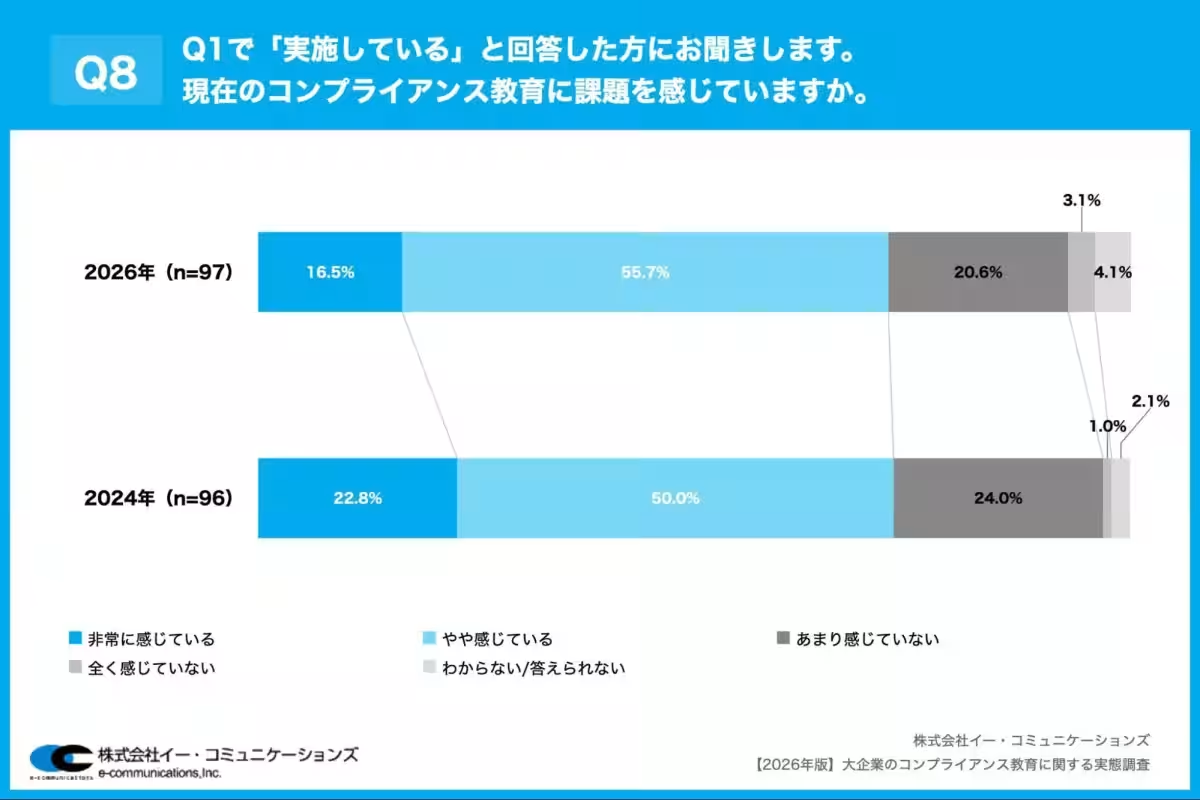
Despite high implementation rates, the survey uncovered some prevalent challenges faced by large corporations in their compliance training efforts:
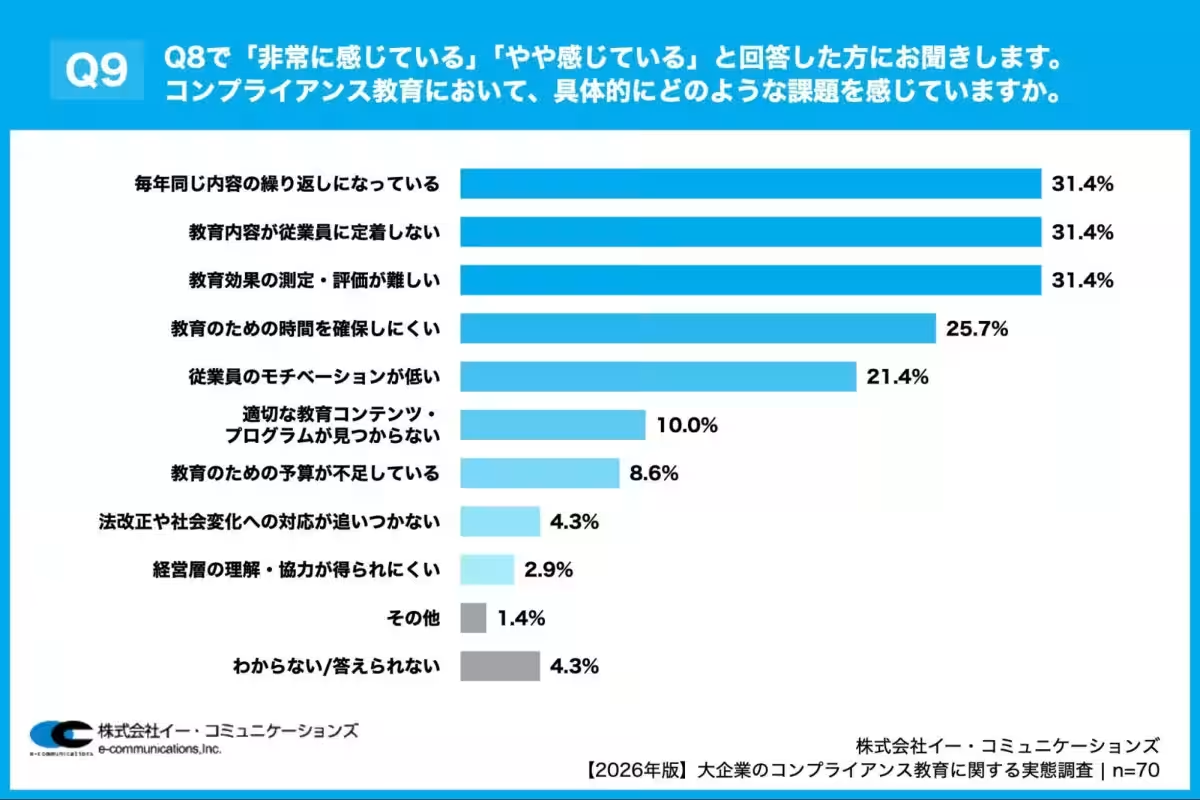
- - Repetitive Content: Many companies reported dissatisfaction with the redundancy of annual content, with 31.4% expressing that the material remains unchanged year after year.
- - Difficulty in Measurement: Another 31.4% acknowledged difficulties in measuring and evaluating the impact of their training initiatives on employee behavior.
- - Content Retention: Similarly, 31.4% highlighted concerns about whether employees truly grasp and retain the training delivered.
These challenges underline the need for corporations to innovate and update their compliance training strategies, ensuring that learning is both effective and engaging.
Future Direction
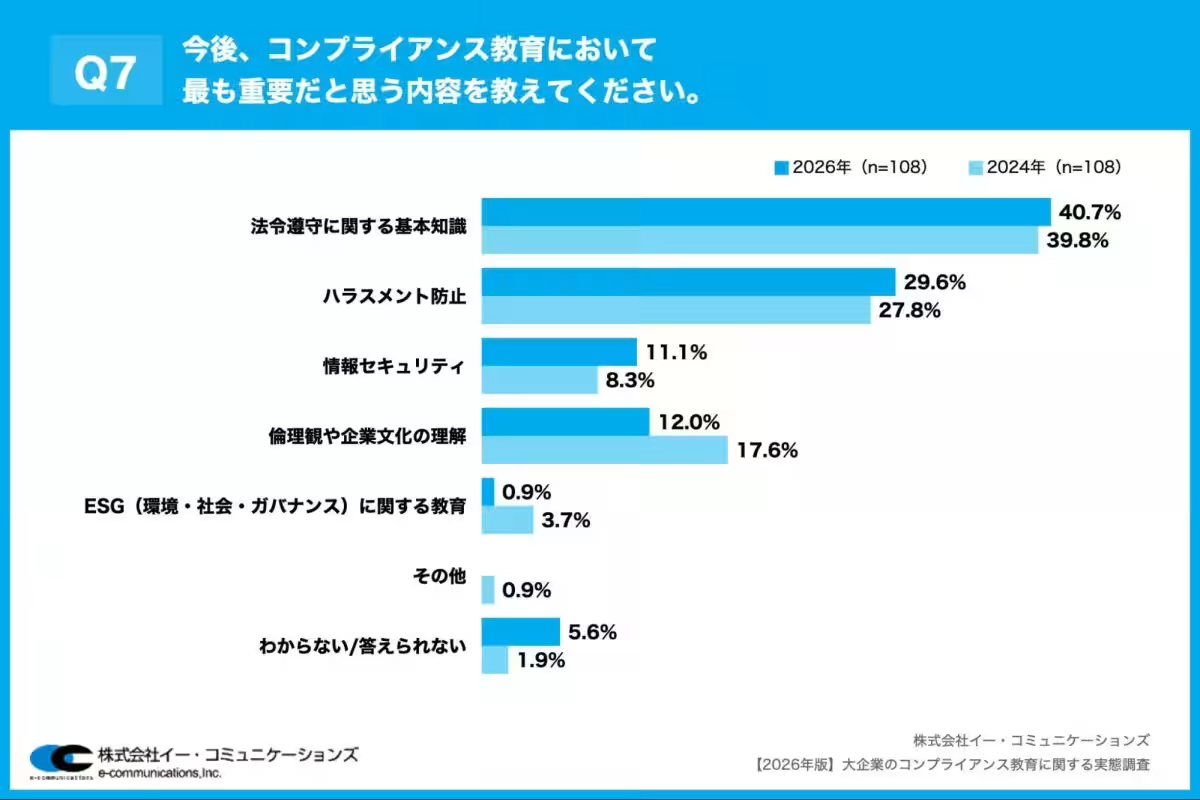
When asked what aspects are deemed most critical for future training, 40.7% of respondents highlighted the importance of knowledge regarding legal compliance, followed by harassment prevention topics at 29.6%. This suggests that firms must continually adapt their curriculum to address prevailing legal and cultural issues in the workplace.
The Role of E-Learning
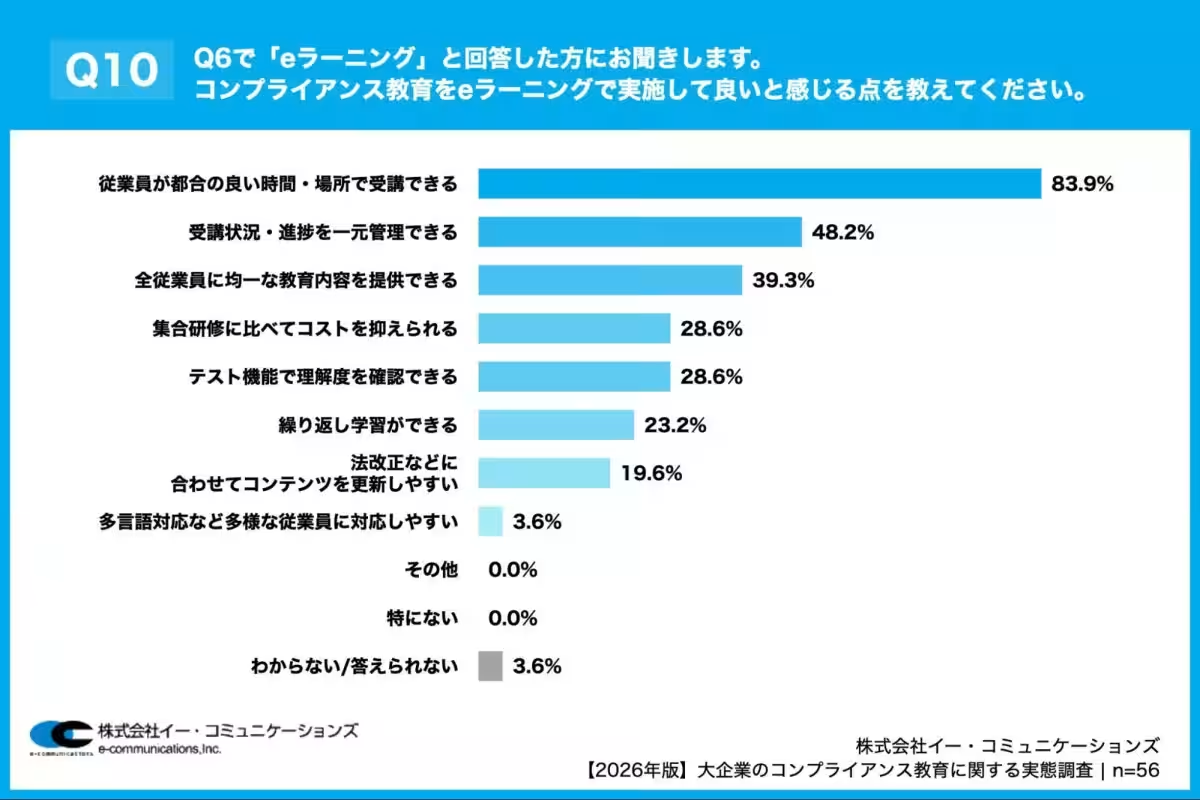
The survey found that one of the key advantages of e-learning is its flexibility, allowing employees to engage with training material at their convenience. 83.9% of the e-learning users listed this benefit as a major reason for its adoption. Moreover, e-learning capabilities to track progress and provide a uniform training experience across employees further solidify its preferred status in modern compliance training programs.
Conclusion
In conclusion, while the compliance training landscape in large corporations presents a solid commitment to education, significant challenges remain that necessitate immediate attention. Companies must evolve their training methodologies, keeping pace with both legal standards and employee learning styles. The utilization of e-learning presents a promising avenue to enhance participant engagement and retention in compliance training.
Read the complete survey report here: Survey Download
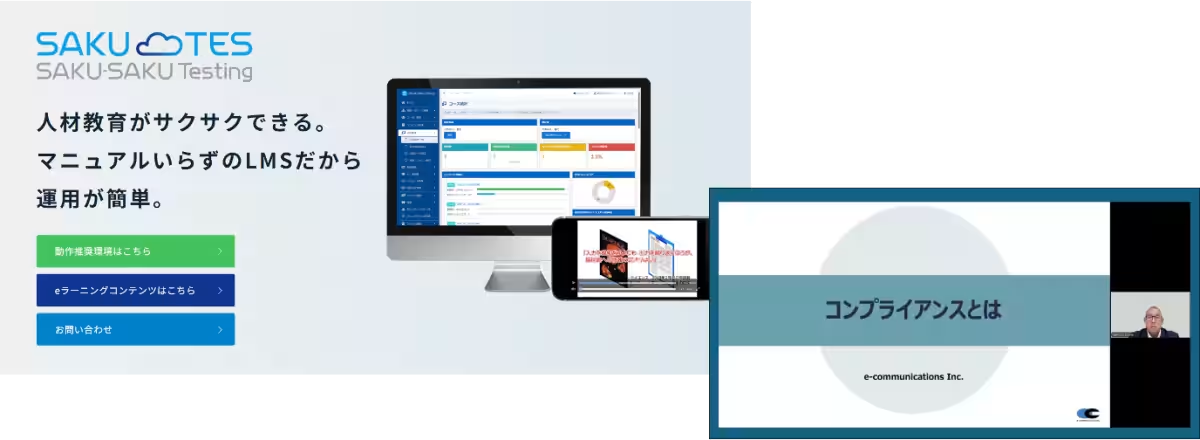
For companies looking to enhance their compliance training programs, E-communications offers tailor-made e-learning solutions designed to meet specific corporate needs.
About E-communications
Founded in May 2000, E-communications, based in Roppongi, Tokyo, operates in various realms including educational solutions, e-learning services, and consulting related to qualifications and examinations. For more information, visit E-communications Website.
Topics Business Technology)
【About Using Articles】
You can freely use the title and article content by linking to the page where the article is posted.
※ Images cannot be used.
【About Links】
Links are free to use.