



Canon and Teijin Join Forces for Sustainable CO₂ Emission Reduction Using SuMPO EPD
Canon and Teijin's Sustainable Collaboration
In a groundbreaking initiative, Canon and Teijin have teamed up to leverage the SuMPO (Sustainable Management Promotion Organization) environmental label program for calculating CO₂ emissions from virgin resin materials. This program allows for the utilization of real data, which significantly enhances the accuracy of emission assessments across the product life cycle.
What is SuMPO EPD?
SuMPO EPD stands for Environmental Product Declaration, a framework established by the SuMPO organization to quantitatively disclose environmental information across all stages of a product's life cycle. Historically, the calculation of CO₂ emissions in the resin materials industry relied on industry average emission coefficients. This posed a challenge since the individual emission reduction efforts of suppliers were not adequately represented.
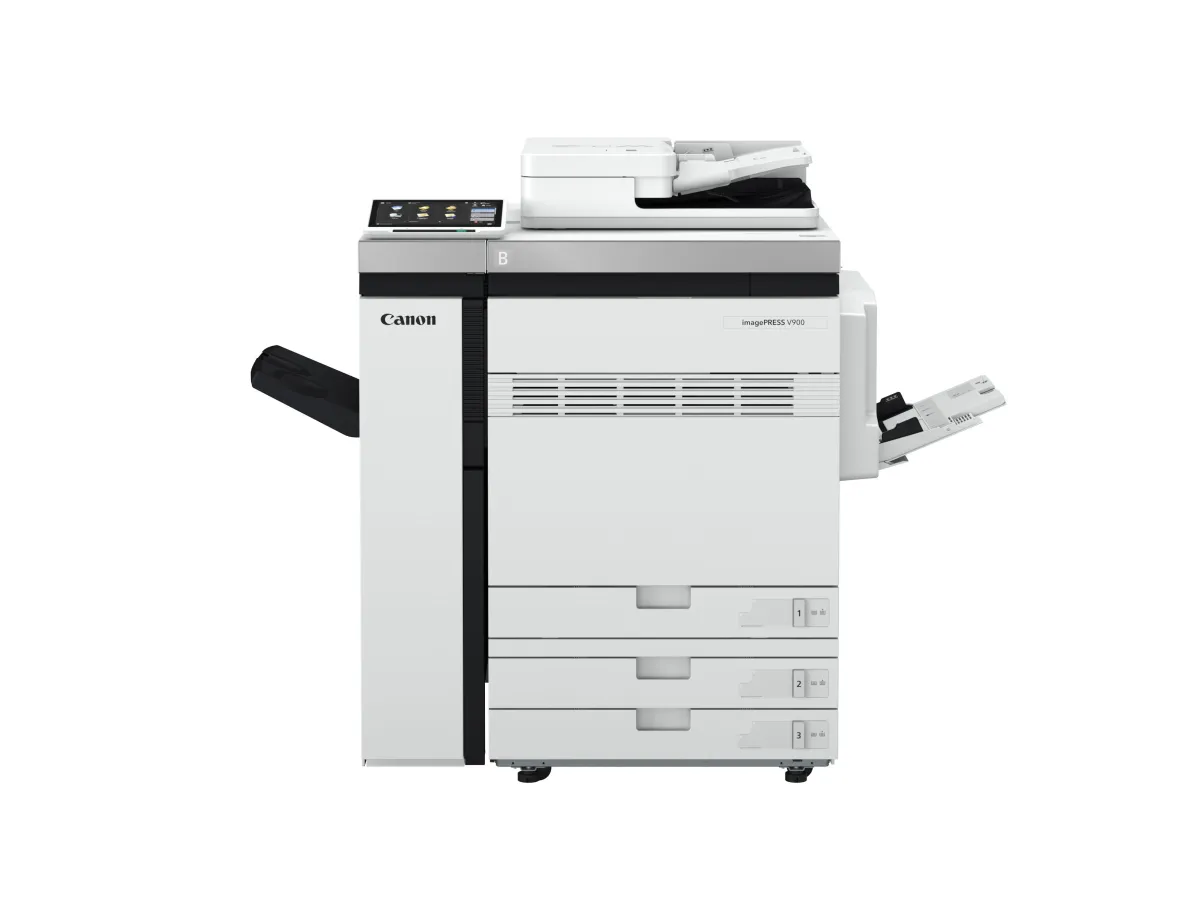
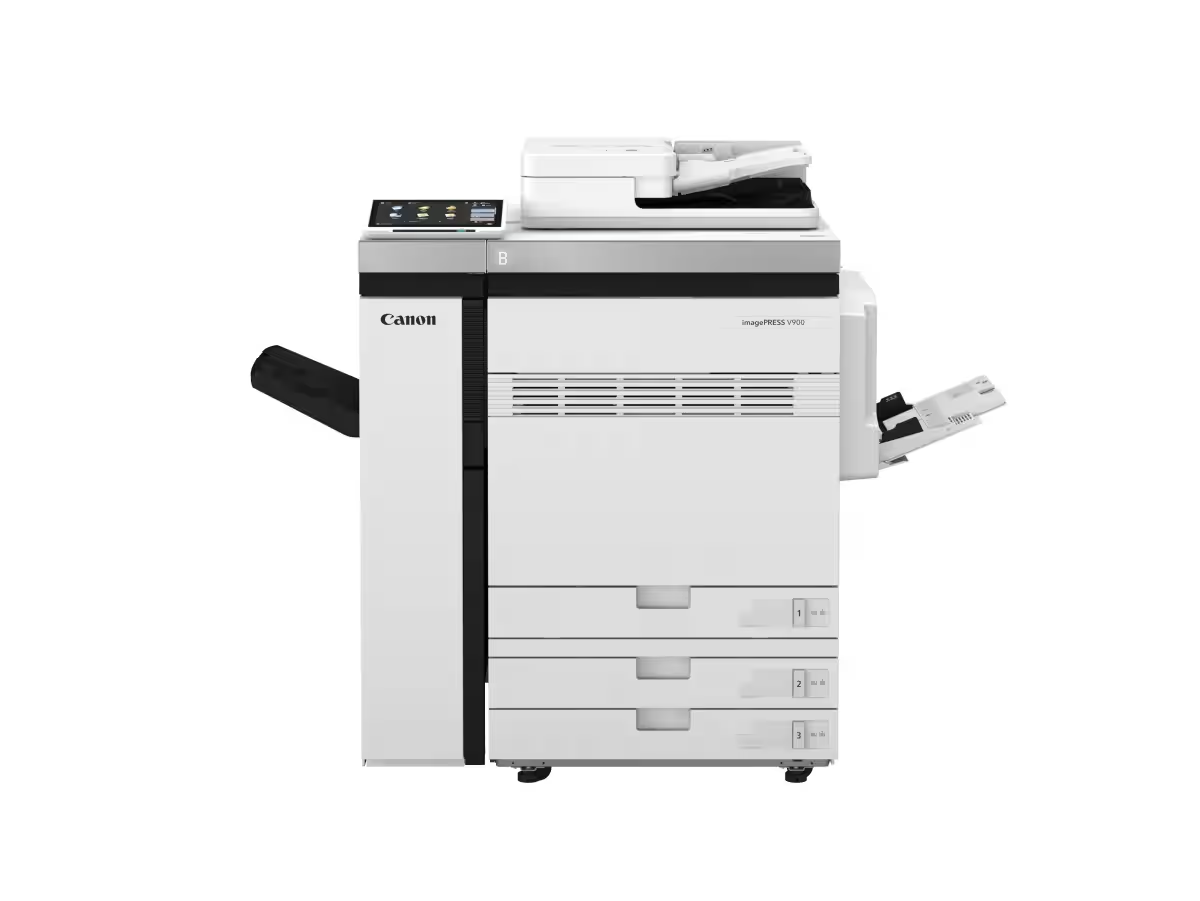
To address this issue, Canon and Teijin engaged in discussions with SuMPO to develop new rules for CO₂ emission calculations specific to virgin resin materials. Under this new framework, Teijin successfully registered for the SuMPO EPD, marking the first of its kind in Japan. Canon subsequently integrated real data from Teijin into their own life cycle CO₂ emission assessments for products like the imagePRESS V900, a commercial printing production printer.
Impact of the Initiative
This collaboration sets a solid foundation for reflecting suppliers' emission reduction efforts in CO₂ calculations. The completion of this calculation framework is expected to accelerate the push for CO₂ reduction across the entire supply chain. Canon anticipates that incorporating actual data will considerably lower the calculated emissions for products utilizing Teijin's virgin resin materials, potentially achieving a reduction of up to 2.8 percentage points compared to using average coefficients.
Looking to the future, Canon seeks to expand the scope of materials and components covered by real data-based calculations beyond just resin materials. By working closely with a wider range of suppliers, Canon aims to promote initiatives that utilize actual data, ultimately contributing to carbon neutrality throughout the supply chain and supporting the transition to a sustainable society.
Canon's Environmental Goals
Canon actively addresses environmental issues through its Canon Group Environmental Vision. With the aim of achieving net-zero CO₂ emissions by 2050, Canon has set ambitious targets for emission reductions across several categories. For instance, the company aims to reduce Scope 1 and 2 emissions by 42% and Scope 3 emissions (categories 1 and 11) by 25% by 2030, compared to 2022 levels.
Notably, since 2008, Canon has also focused on improving CO₂ emissions per product over its life cycle, achieving an impressive annual average improvement of 3.76% from 2008 through 2024, amounting to a total reduction of 44.6%.
This partnership between Canon and Teijin not only represents a significant step for sustainable practices in the resin material industry but also sets a precedent for future collaborations aimed at carbon reduction. By fostering an environment where accurate data informs decisions, both companies are paving the way for a greener, more sustainable future.

Topics Environment)
【About Using Articles】
You can freely use the title and article content by linking to the page where the article is posted.
※ Images cannot be used.
【About Links】
Links are free to use.