



Educational Collaboration Between Doshisha University and Water Works to Teach Students
Introduction
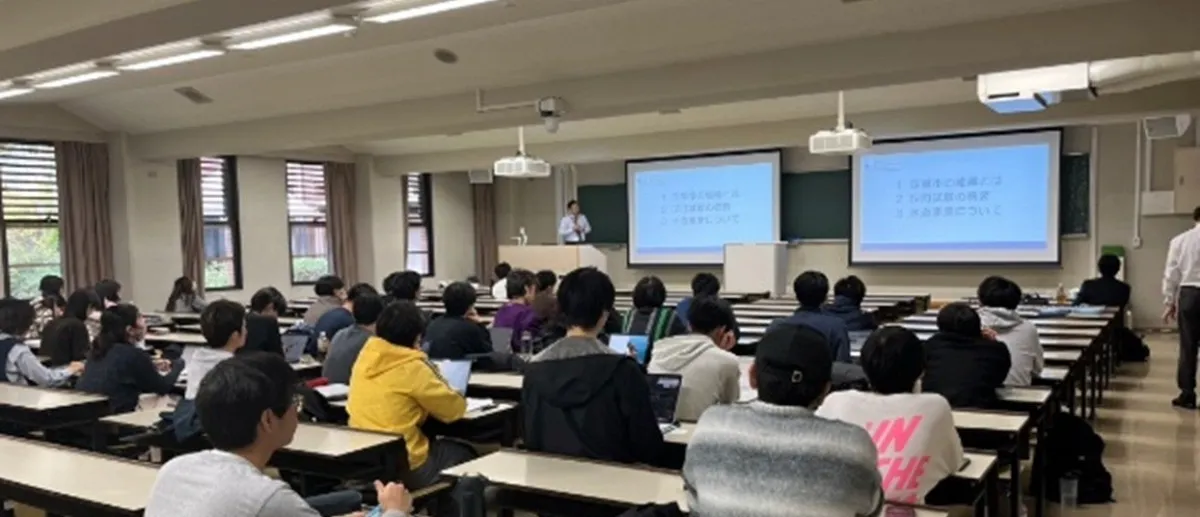
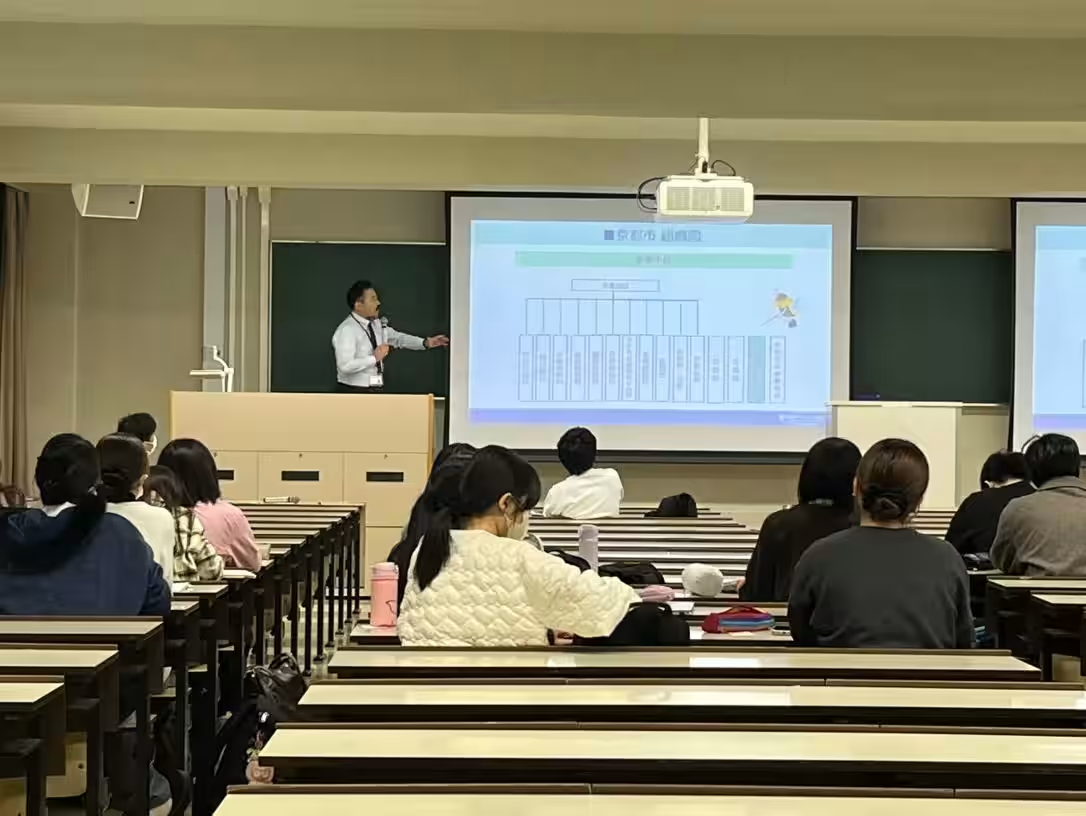
On November 6, 2025, a groundbreaking career education class was held at Doshisha University in collaboration with the Kyoto City Waterworks Bureau and Water Works Co., Ltd. The session, aimed at 42 students from the Department of Environmental System Engineering, focused on the critical roles of water services and the responsibilities of local governments, particularly during times of disaster.
The Role of Water Projects and Local Governments
This educational initiative underscored the various responsibilities of local governments in ensuring the delivery of safe and reliable water to citizens, as well as the roles played by private enterprises like Water Works. Students learned about the intricate systems involved in water delivery and how public agencies and private firms cooperate to maintain water infrastructure. Many students were already users of the water managed by the Kyoto Water Works Bureau, making the presentation more engaging as they learned about the processes from source to tap.
Responding to Disasters
In recent years, as Japan faces challenges like population decline and aging infrastructure, the partnership between private companies and local governments has become increasingly vital. The class highlighted how private companies are essential in disaster recovery efforts, frequently assisting municipalities in restoring water services after emergencies. Water Works has responded rapidly to disaster scenarios, emphasizing its commitment to providing safe drinking water and addressing public needs effectively.
Water Works' Track Record in Disaster Response
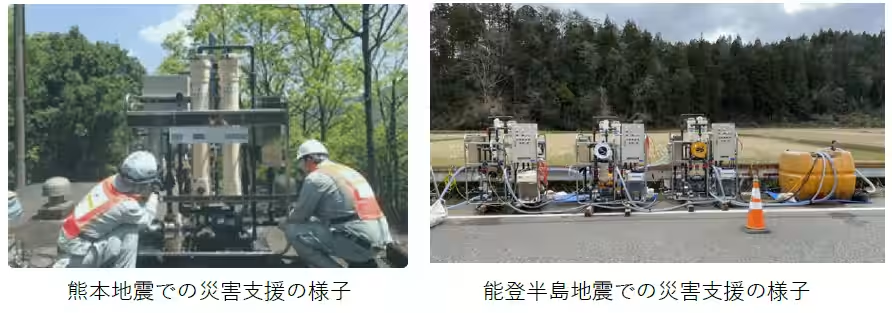
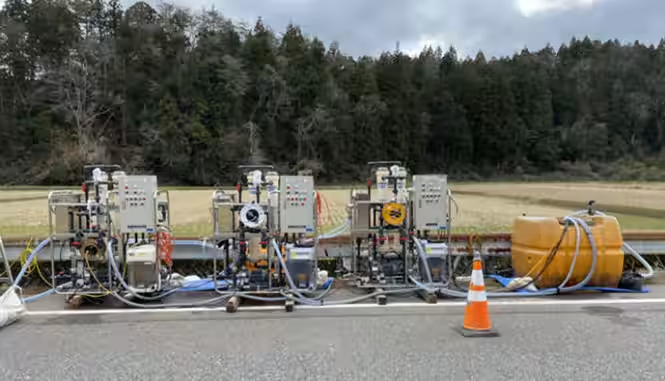
Water Works has a solid history of disaster support. During the 2011 Great East Japan Earthquake, they provided 18 membrane filtration systems. In response to other crises, including the Kumamoto earthquake and the Fukushima offshore earthquake, the company offered emergency water purification equipment at no charge. They also contributed to areas affected by the Noto Peninsula earthquake. By adjusting their water treatment techniques to deal with changing water quality and conditions, Water Works effectively tackled water quality challenges promptly. Their preparedness and access to essential equipment allow for swift responses.
Insights from the Noto Peninsula Earthquake
The Noto Peninsula earthquake taught valuable lessons about the need for collaboration between municipal governments and private firms. Delays in requests for assistance often arose from a lack of knowledge about private companies' capabilities. This prompted Water Works to improve visibility around their support systems and establish the "EWAT" (Emergency Water Action Team), enabling quicker deployment of necessary personnel and resources. Their goal is to enhance disaster response frameworks across the entire industry.
Feedback from Participants
Student Impressions
Some students expressed their surprise at the diverse roles played by water treatment companies, noting that they initially viewed these companies as solely responsible for processing water. They learned that the capacity for rapid action and informed decision-making is equally critical in emergencies.
Faculty Insights
Professor Satoshi Akao of the Environmental System Engineering Department remarked on the compelling nature of firsthand accounts from industry professionals. Hearing directly from those involved in maintaining essential water infrastructure provided students with a deeper appreciation for the complexities involved in these roles. He emphasized the importance of leveraging experiences during disasters to enhance capabilities in the field.
Summary of the Class
The session covered:
1. An overview of the water service system and governmental efforts.
2. Water Works' achievements in disaster response.
3. The significance of private sector participation in disaster management.
4. Organizational details about the EWAT and Water Works’ technical strengths.
Previous Collaborative Initiatives
Prior to this class, Water Works had already engaged in other outreach activities, including classes at the Tokyo University of Science and Tokyo University of Agriculture and Technology, focusing on mechanical engineering and water treatment processes. These initiatives aim to create a broader understanding among students of the importance of water services in supporting public health and safety. With continuous efforts to collaborate with educational institutions, Water Works aims to imbue a sense of responsibility and innovation in future generations of engineers.
Conclusion
Water Works Co., Ltd. is committed to supporting local communities and educating future professionals in the field. Their ongoing work in disaster response and collaboration with universities reflects a dedication to enhancing public infrastructure and awareness of the essential services provided in maintaining safe water supplies.




Topics Other)
【About Using Articles】
You can freely use the title and article content by linking to the page where the article is posted.
※ Images cannot be used.
【About Links】
Links are free to use.