




The Rising Gap Between Income and Savings in Japan: 2025 Survey Insights
Insights from the 2025 Income and Savings Survey
In a comprehensive survey conducted by Asmark Inc., a marketing research firm based in Shibuya, Tokyo, the results showed significant changes in the saving habits of employed individuals aged between 20 and 50 in Japan. Conducted from September 19 to September 24, 2025, this survey updates the findings from similar studies in 2015 and 2021, highlighting how the pandemic and rising costs of living have reshaped people's financial behaviors.
Key Findings
The survey reveals crucial insights into the current financial landscape:
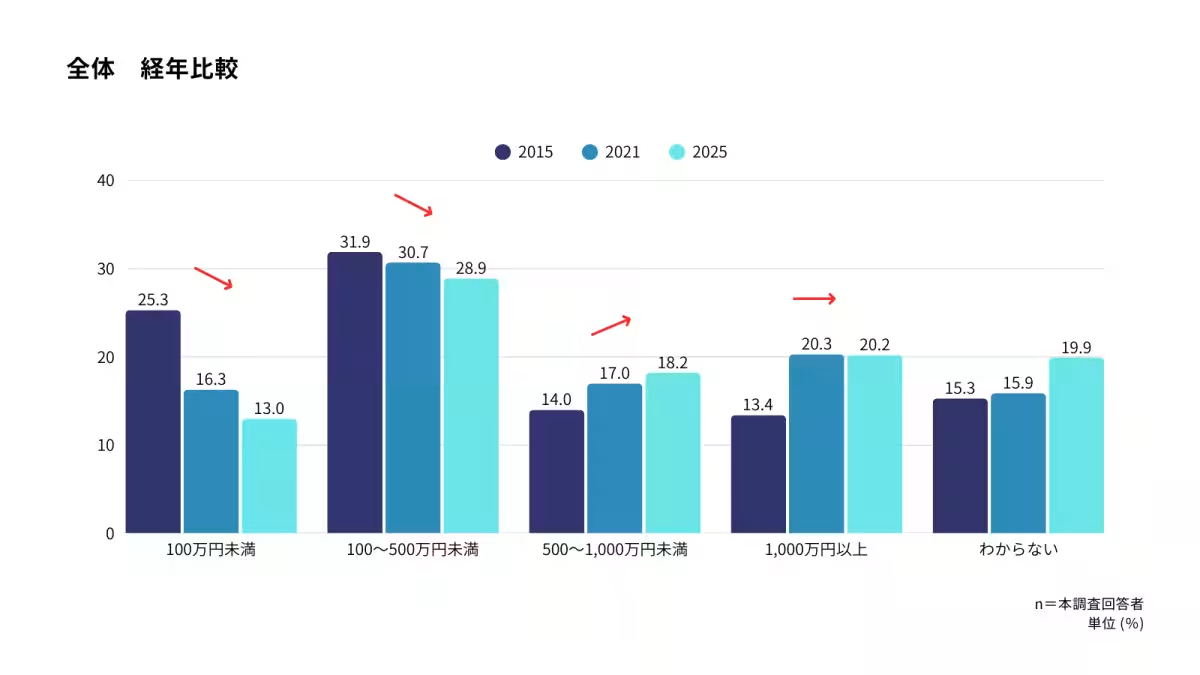
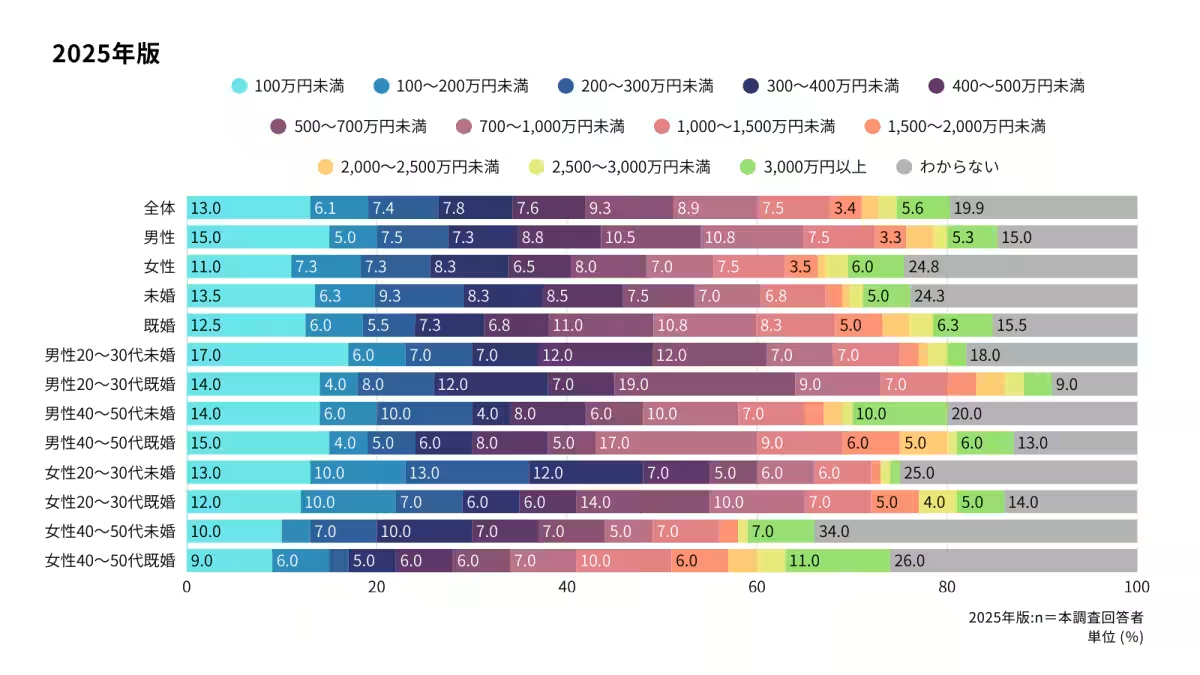
1. Overall Savings Trends: Over the last decade, the percentage of low-savings individuals (those with savings under 1 million yen) decreased dramatically from 25.3% in 2015 to just 13.0% in 2025. This indicates a significant uplift in overall savings but still leaves a substantial portion of the population with minimal savings.
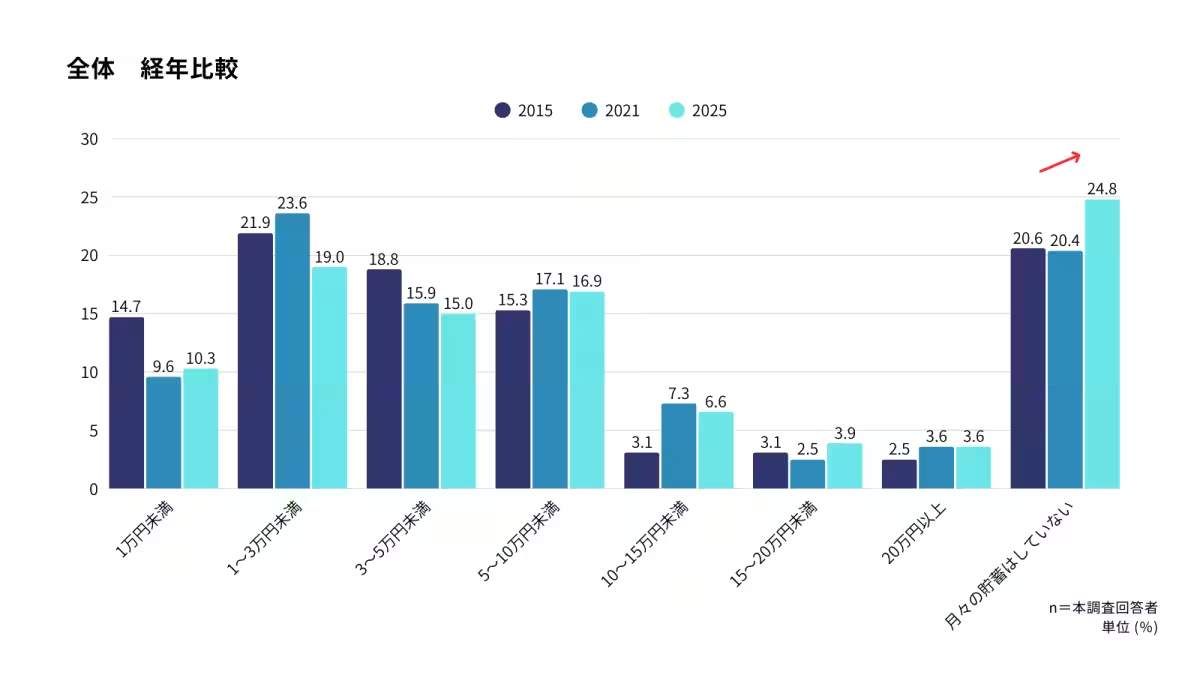
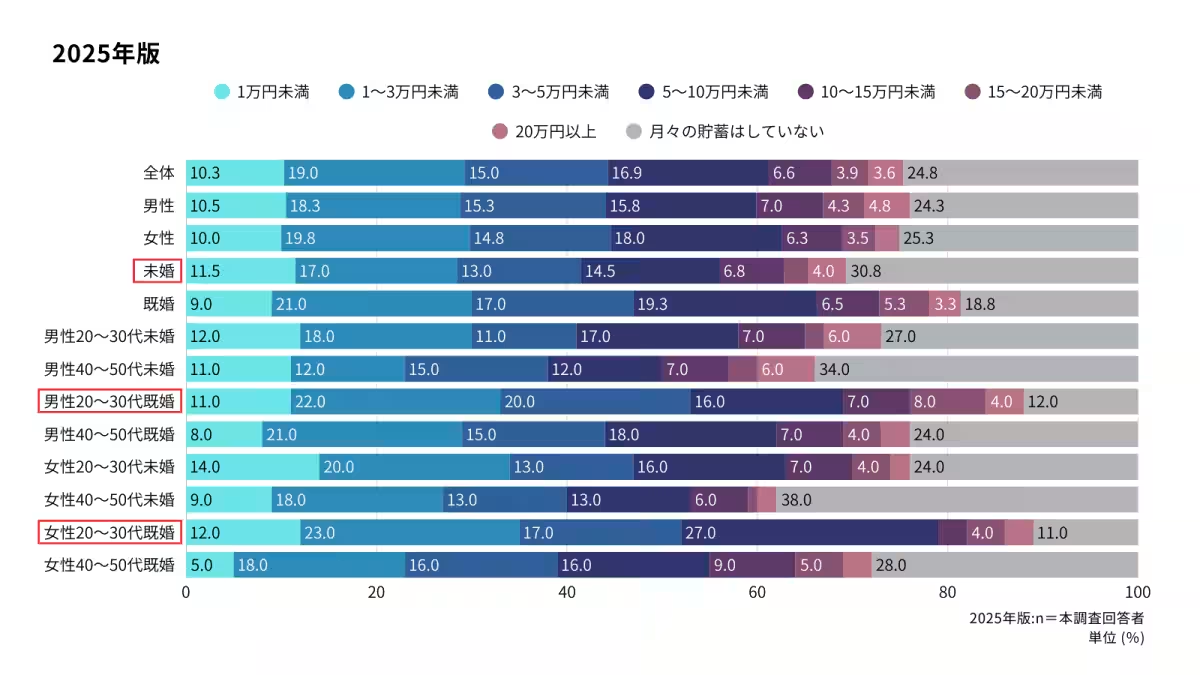
2. Monthly Savings Challenges: Alarmingly, the survey found that the proportion of respondents stating they do not save monthly has reached its highest level in previous surveys, with nearly 25% claiming they are not able to set aside any money each month. This marks a 4.4 percentage point increase from 2021, suggesting that rising costs have squeezed household budgets tighter.
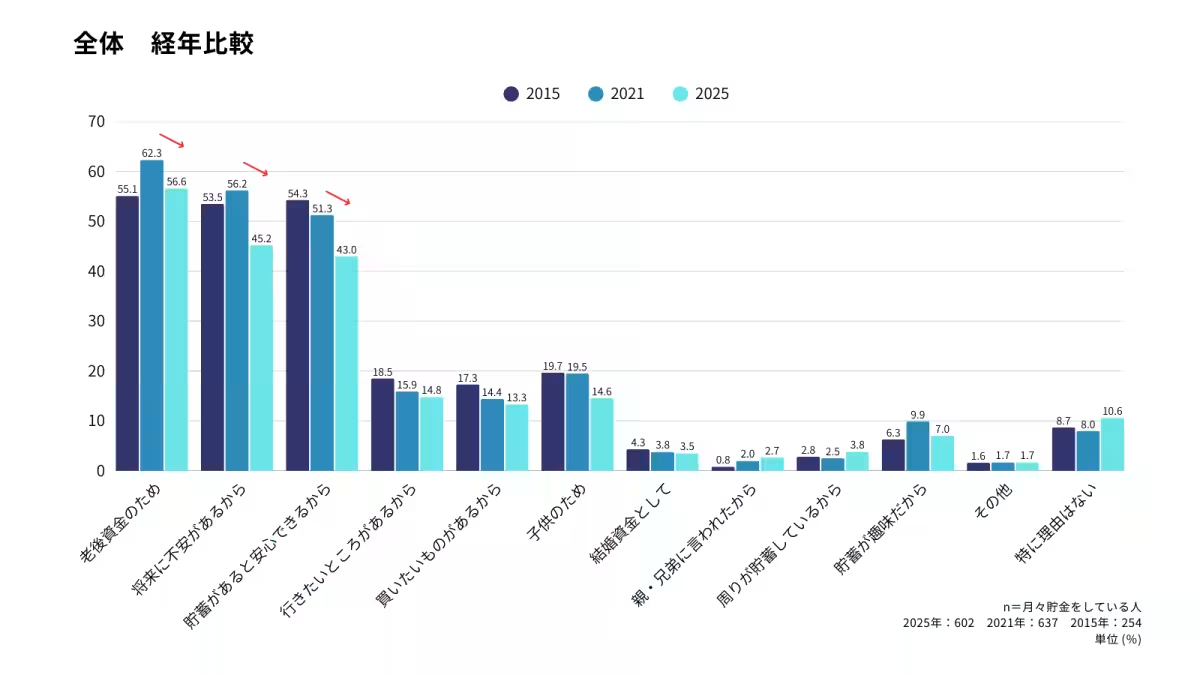
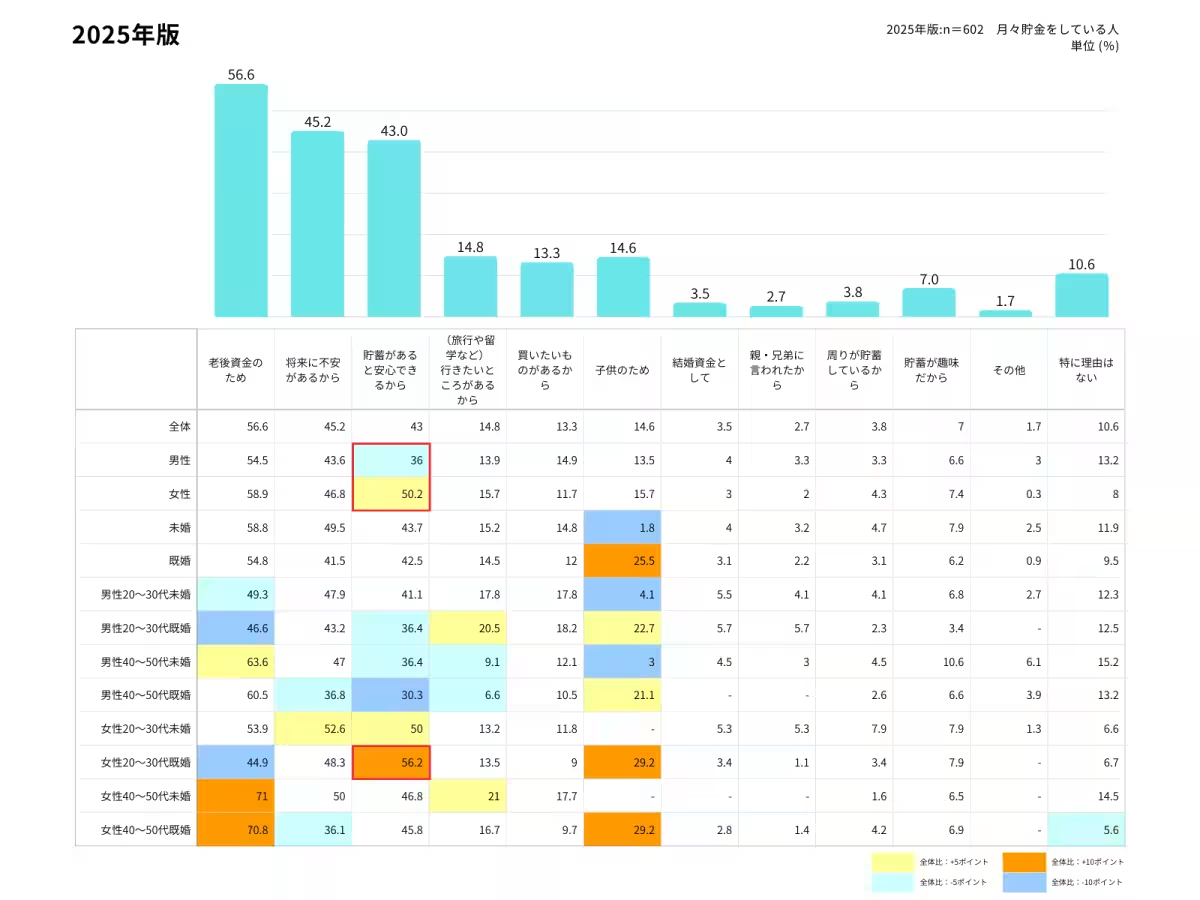
3. Reasons for Saving: The primary motivator for saving remains retirement planning, with 56.6% of respondents indicating this as their main reason. Other factors include anxiety about future uncertainties (45.2%) and the comfort that savings provide (43.0%). However, a notable reduction in these answers compared to previous years indicates a shift towards spending on experiences and consumption as the pandemic recedes.
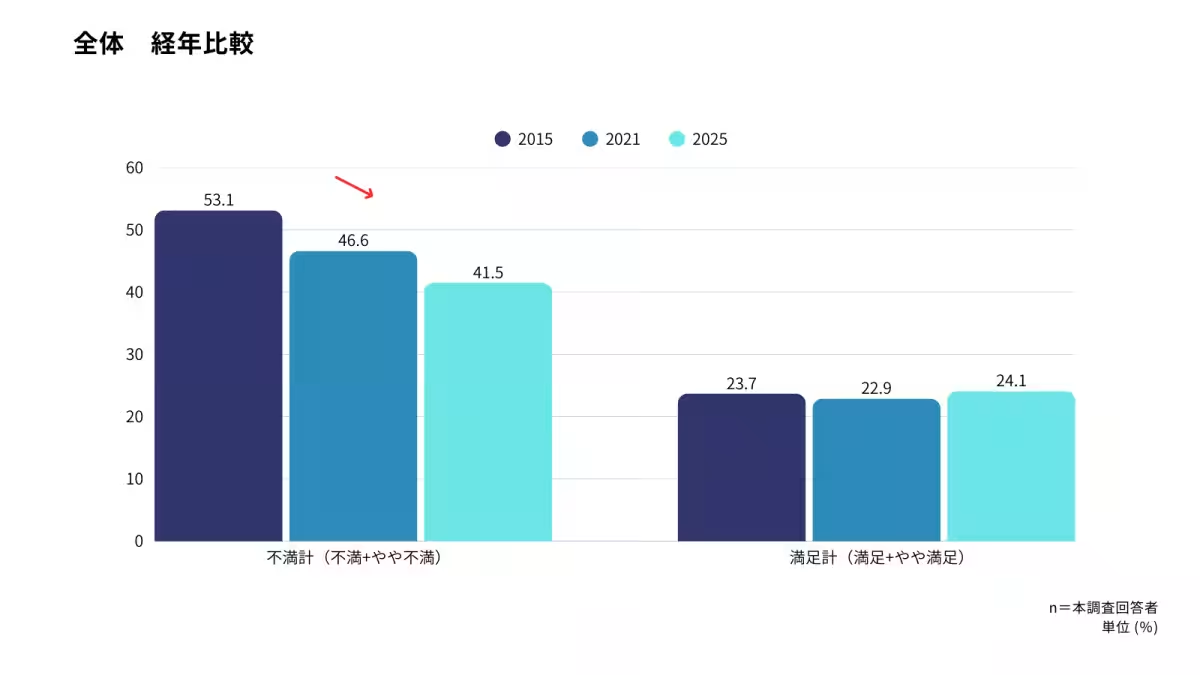
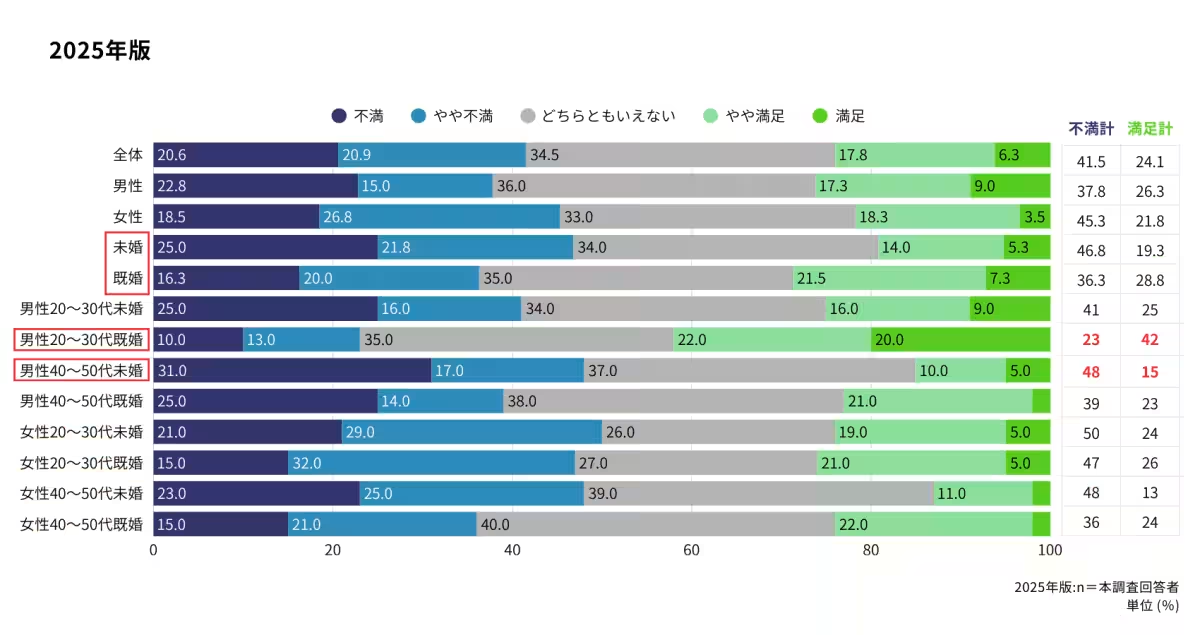
4. Income Satisfaction: Dissatisfaction with income remains prevalent, especially among unmarried groups, with only 24.1% expressing satisfaction. Interestingly, satisfaction levels among married males in their 20s and 30s stand out, as they report significantly higher satisfaction, while those in their 40s and 50s express considerable discontent—48% in this demographic report feeling dissatisfied with their income.
Detailed Analysis
Savings Breakdown
Examining the specifics of individual savings reveals ongoing challenges. Despite a general improvement in overall savings, 13% of respondents still fall into the low savings category, indicating that financial security remains elusive for many. Furthermore, trends show that individuals in the 500,000 to 1,000,000 yen category are increasing, suggesting a middle ground where people are managing to save more despite economic pressures.
Monthly Savings Patterns
The period of economic strain is reflected in the substantial number claiming no monthly savings. Among unmarried respondents, this figure surpasses 30%. In contrast, married respondents in their 20s and 30s exhibit a lower proportion of 12% who state they save nothing monthly, showcasing a difference in savings outlook between married and unmarried individuals.
Future Financial Concerns
As respondents focus on saving for retirement, noteworthy differences appeared in responses based on gender. Women place a higher importance on financial security, particularly those between 20 and 30, reflecting broader societal concerns about future stability.
Conclusion
As the 2025 Income and Savings Survey highlights, the financial picture for many individuals shows signs of both growth and concern. While total savings may be on the rise, many are still financially vulnerable, particularly in the face of rising living costs. With changing attitudes towards consumption and savings, the data indicates a complex relationship between current economic realities and personal financial habits. As Japan's workforce continues to navigate these changes, understanding these trends will be critical for both consumers and policymakers moving forward.


Topics Consumer Products & Retail)
【About Using Articles】
You can freely use the title and article content by linking to the page where the article is posted.
※ Images cannot be used.
【About Links】
Links are free to use.