



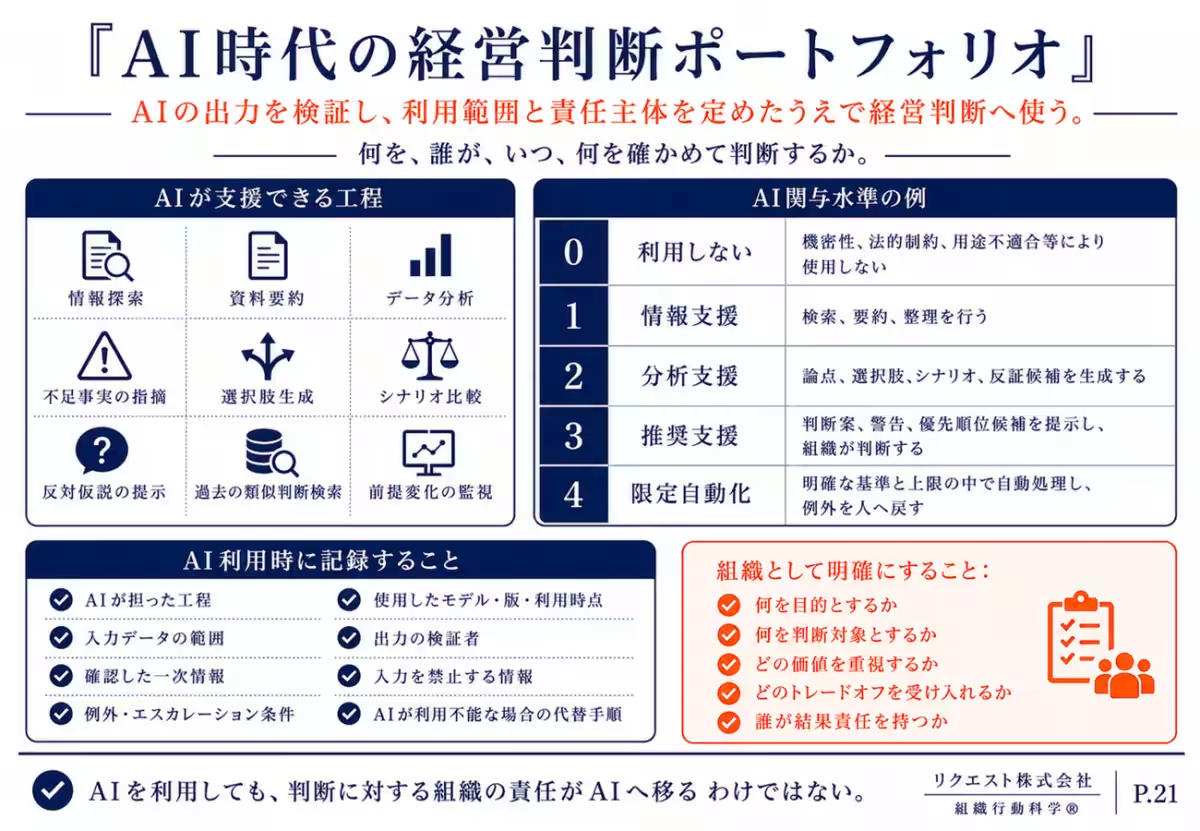
Revolutionizing Management Decisions: Unveiling the Portfolio for Effective Choices in the AI Era
Revolutionizing Management Decisions: Unveiling the Portfolio for Effective Choices in the AI Era
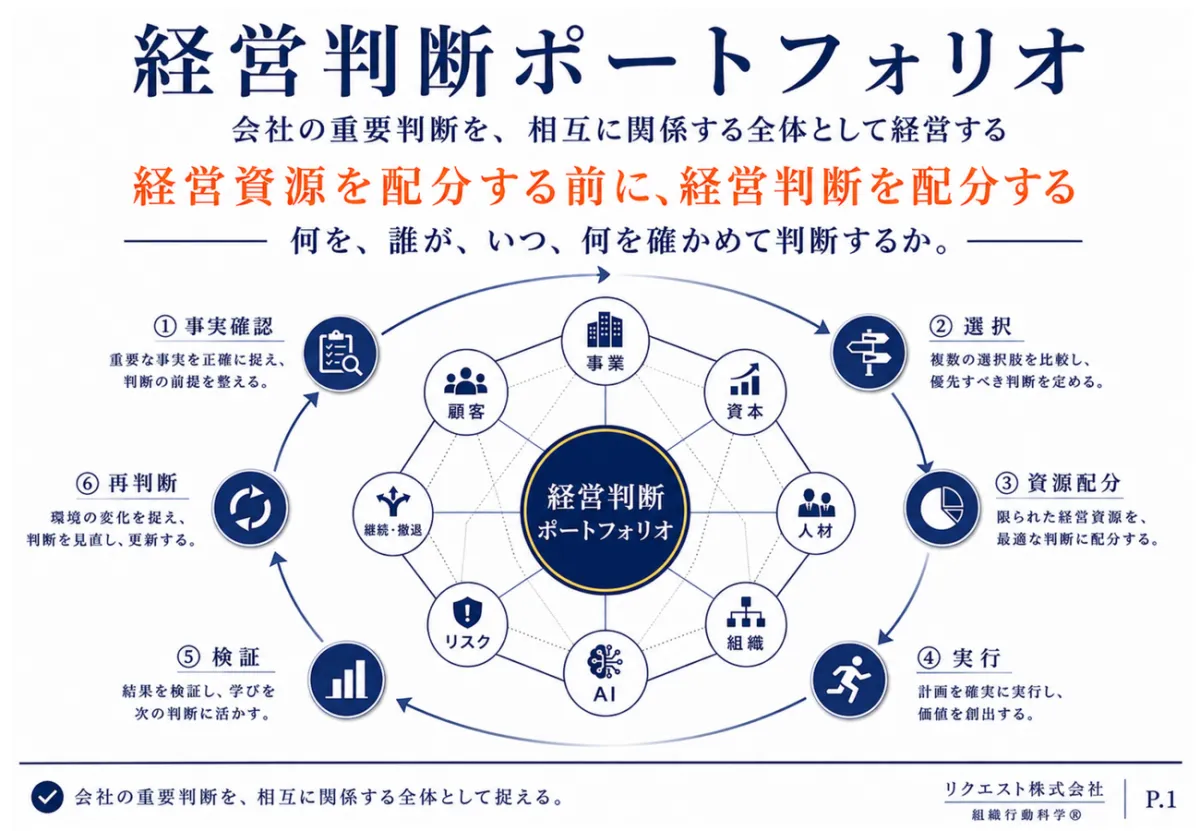
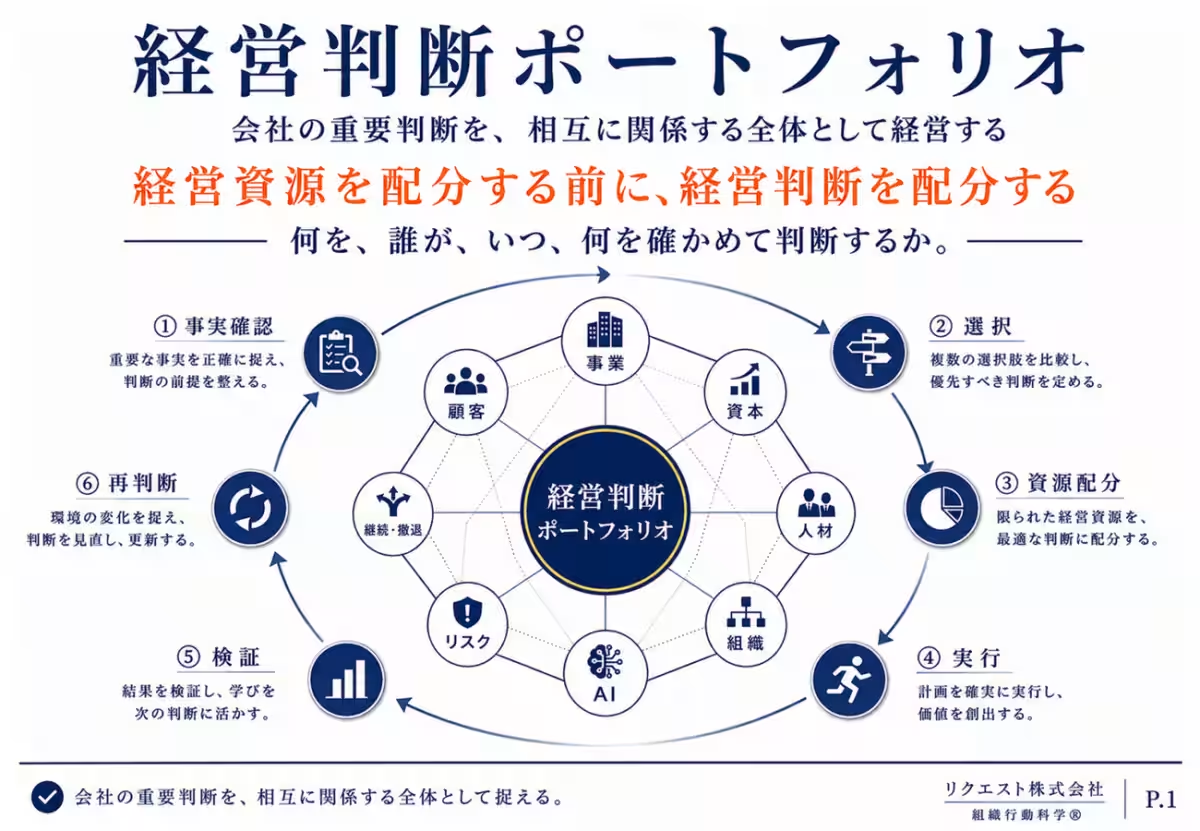
In a time when strategic decisions are crucial for company success, a new framework known as the "Management Decision Portfolio" has emerged, developed by Request Corporation, under the leadership of CEO Tomoyasu Kohata. This innovative approach offers a holistic view of essential decision-making processes rather than treating each decision in isolation, enabling organizations to efficiently navigate the complexities of modern management.
Understanding the Management Decision Portfolio
The Management Decision Portfolio is not just a tool aiming to increase the agendas of management meetings. Instead, it focuses on critical questions:
- - Which decision should the management prioritize?
- - What facts need verification?
- - Who will ultimately make the decision?
- - How will resources be allocated effectively?
- - What aspects should be re-evaluated post-decision?
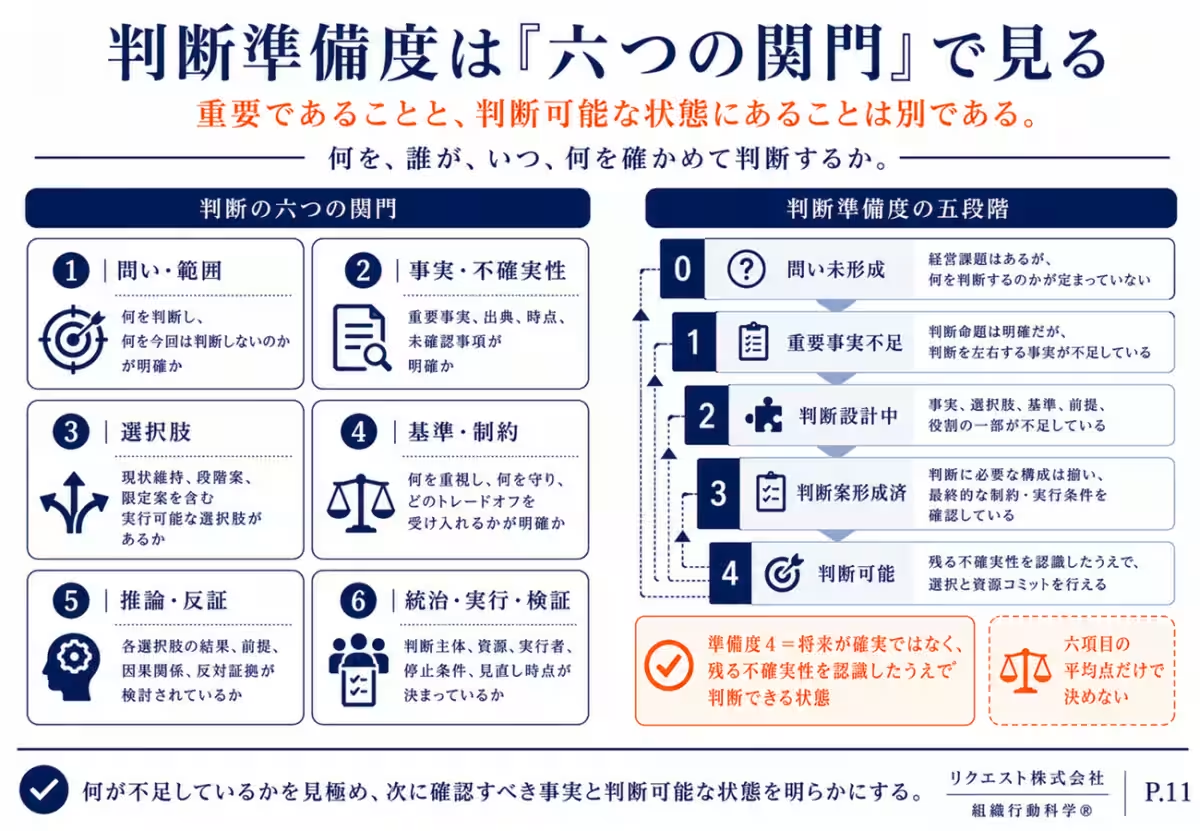
The framework comprises 26 pages of comprehensive material, of which 12 pages highlight its overarching structure and key operational frameworks. It emphasizes a continuous operational cycle, fostering a comprehensive perspective on decision-making.
Challenges in Decision-Making
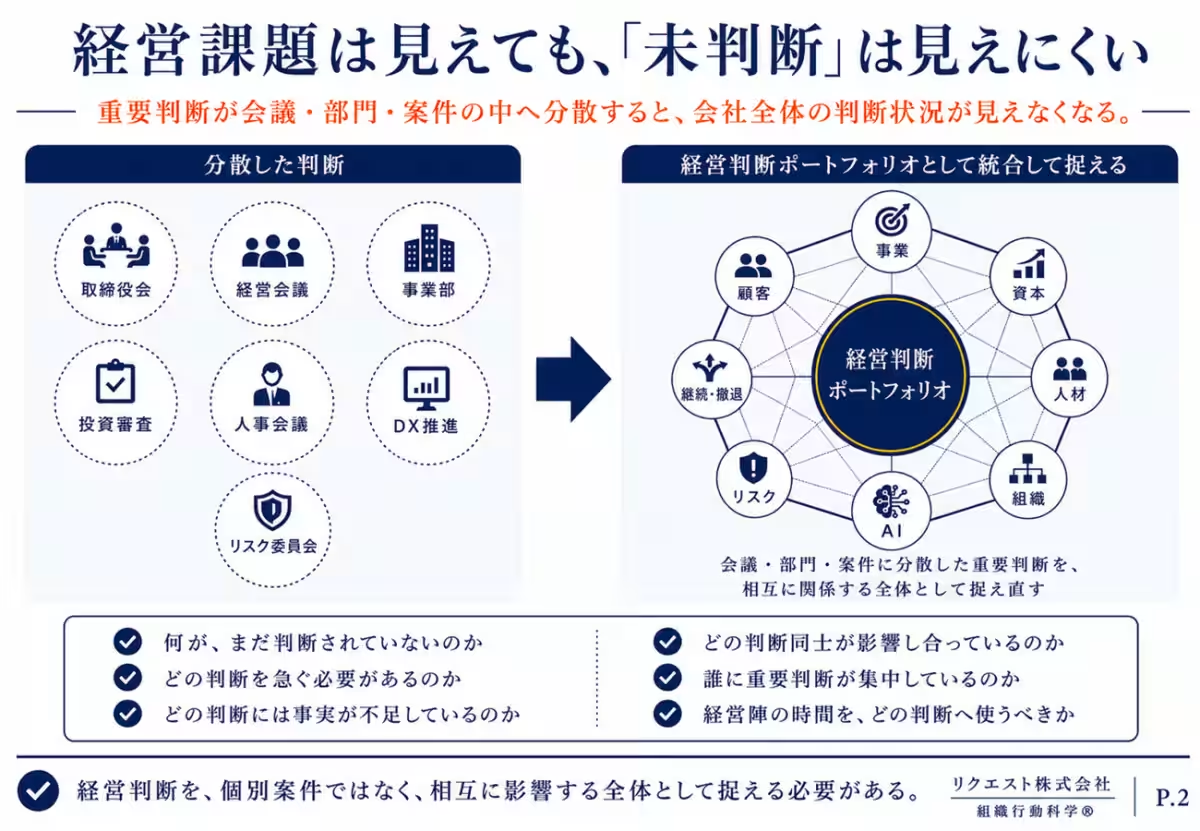
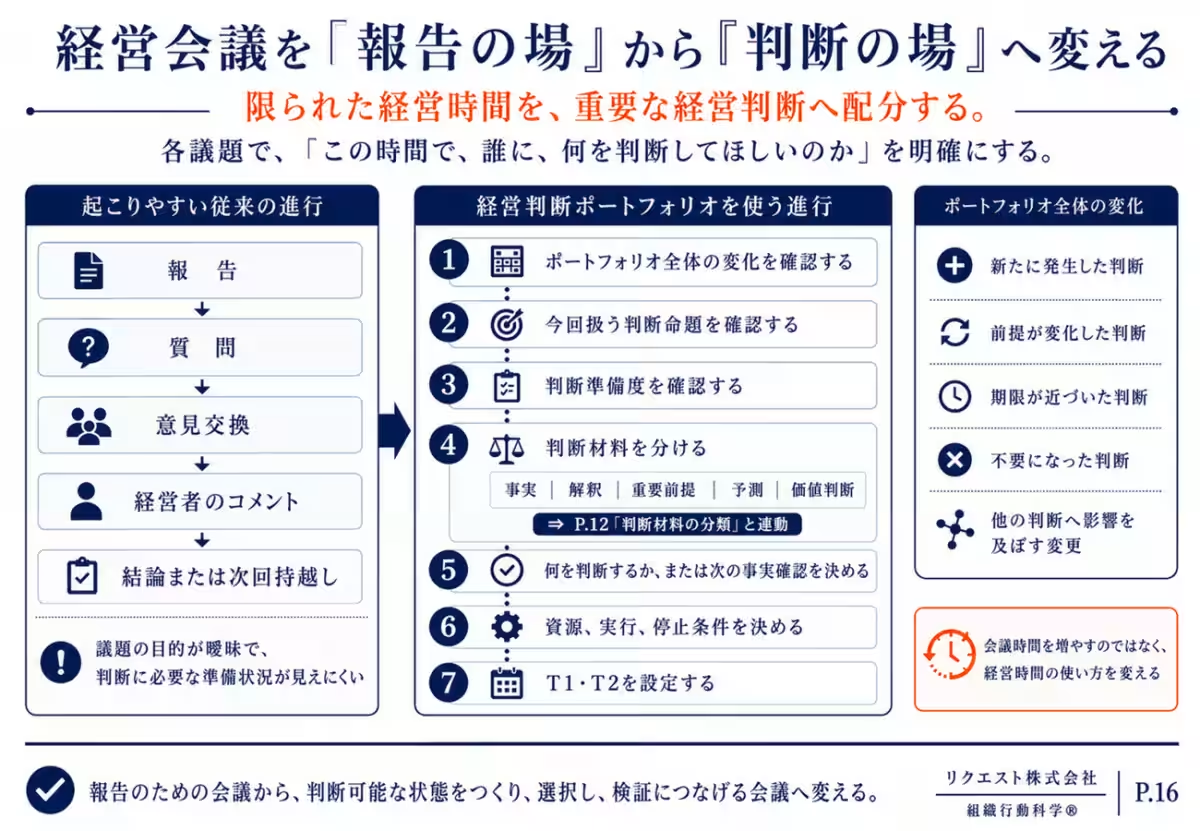
Organizations face numerous simultaneous judgments about business strategies, customers, investments, talent, AI, risks, and operational continuity. Unfortunately, in conventional management meetings, a significant amount of time is often consumed with presentations and discussions of individual issues rather than allocating adequate time for decisions that could shape the company’s future. This dispersion of essential decisions across various committees—such as the board, investment review, and risk committees—creates a scenario where the interconnected consequences of these decisions remain obscure.
Understanding what decisions are yet to be made or identified as urgent is crucial, alongside mapping out how decisions interrelate and influence one another.
Strategic Allocation of Management Decisions
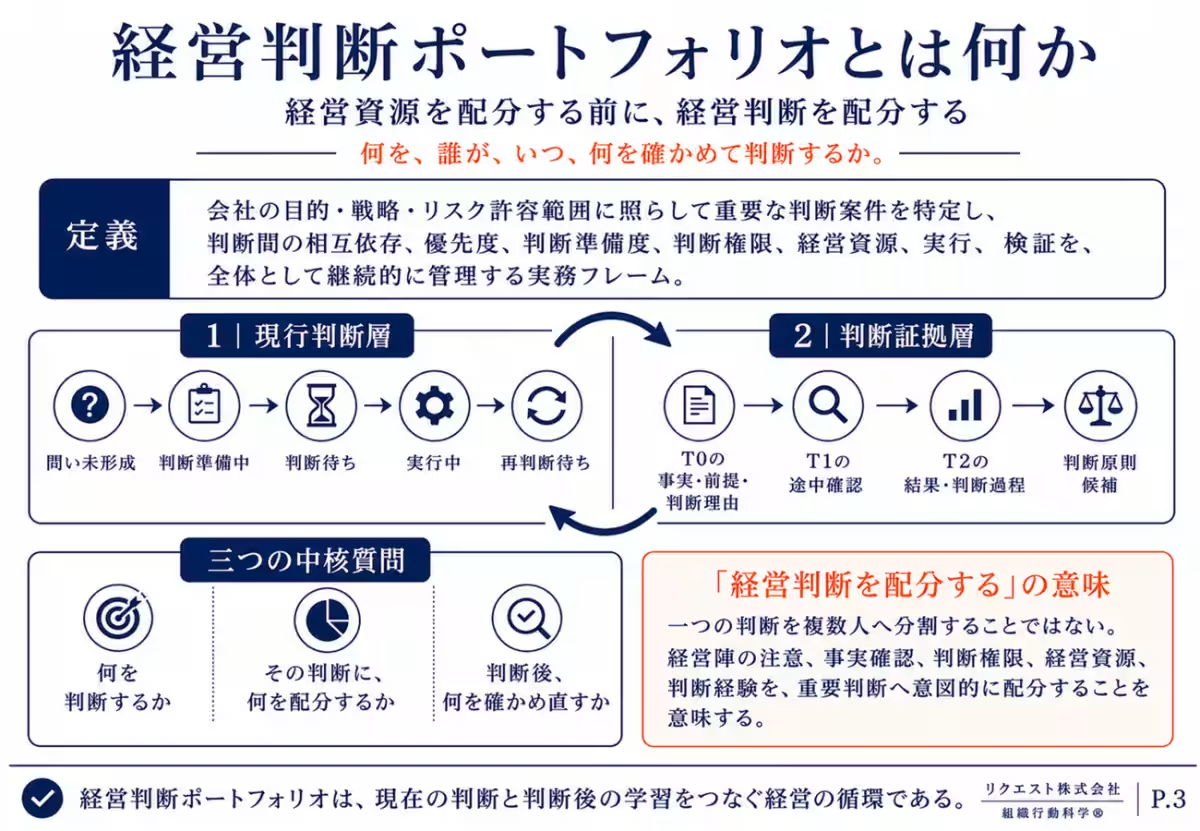
The core of the Management Decision Portfolio lies in efficiently allocating not just one decision among multiple individuals but intentionally distributing the following elements:
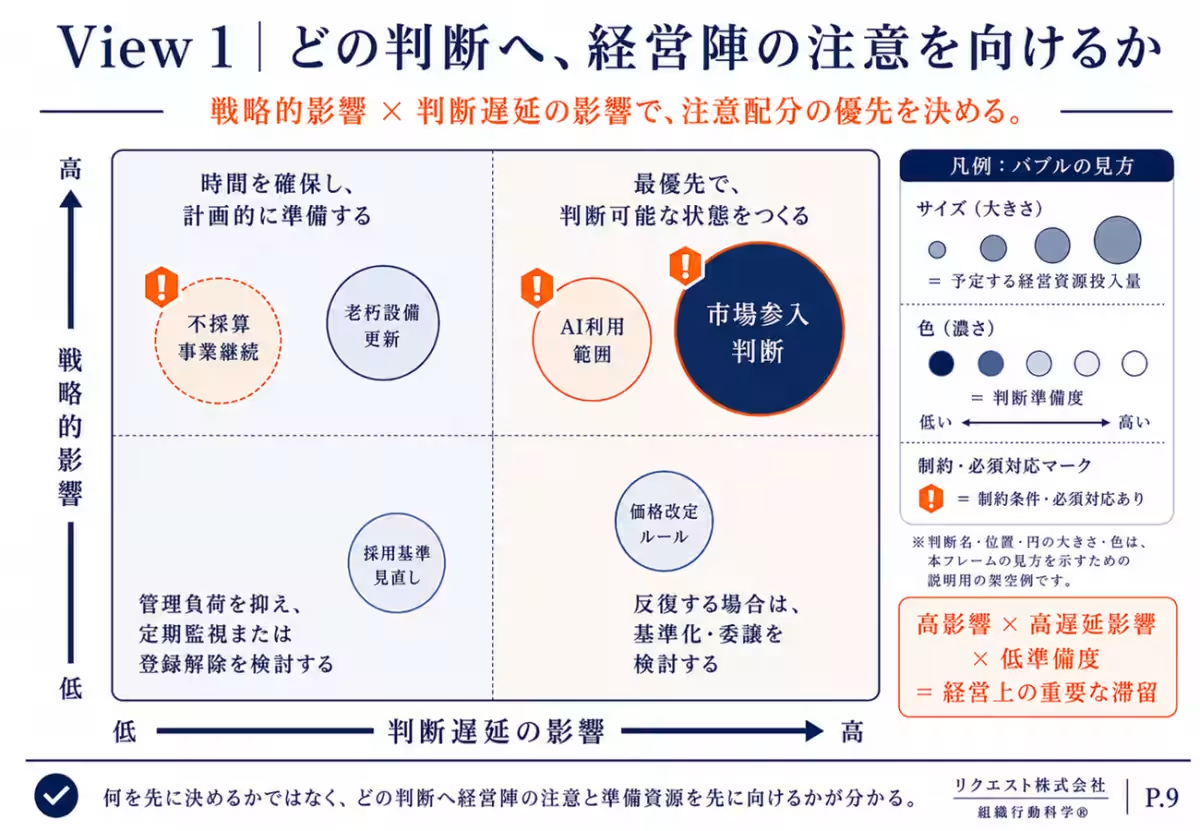
- - Focus and attention of the management team
- - Verification of critical facts
- - Decision-making authority
- - Allocation of management resources
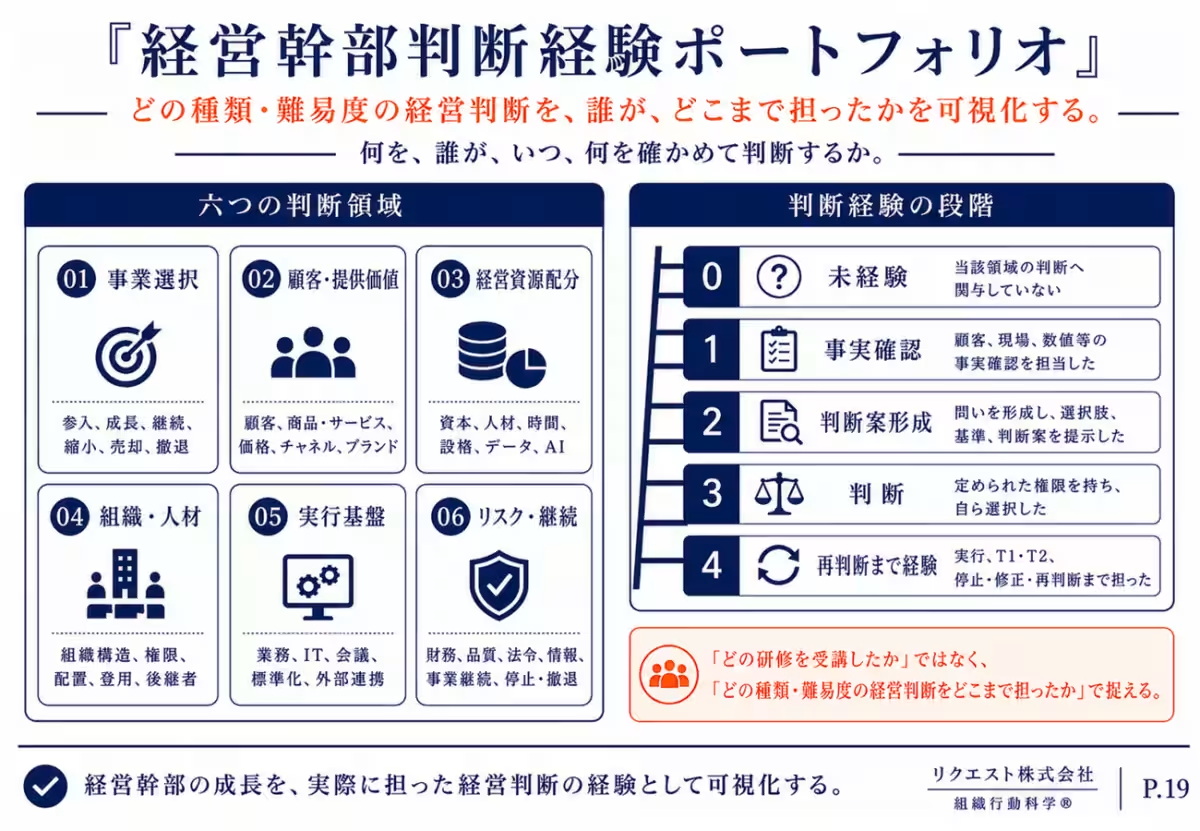
- - Decision-making experience of the executives
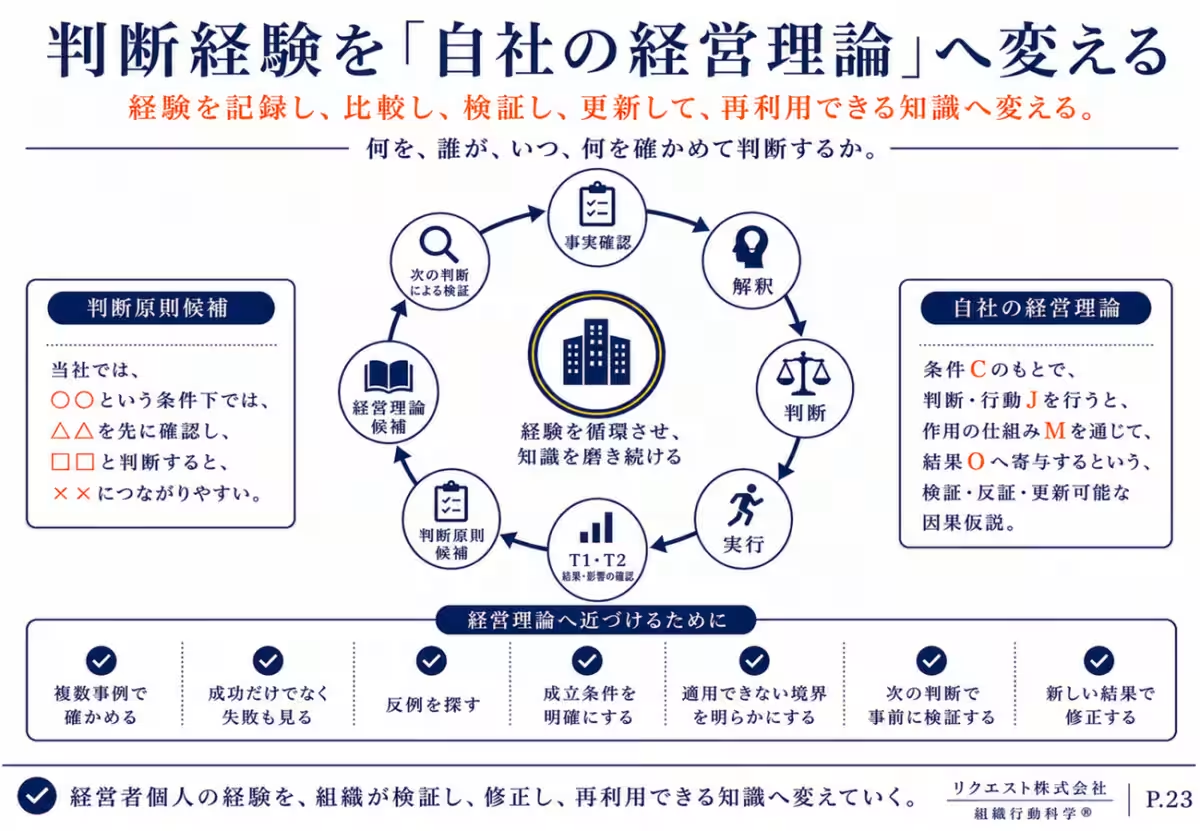
The framework clarifies what must be decided, who is responsible for those decisions, and what needs to be verified. Post-decision, it also ensures ongoing evaluation of facts, leading to necessary adjustments or re-assessments as required.
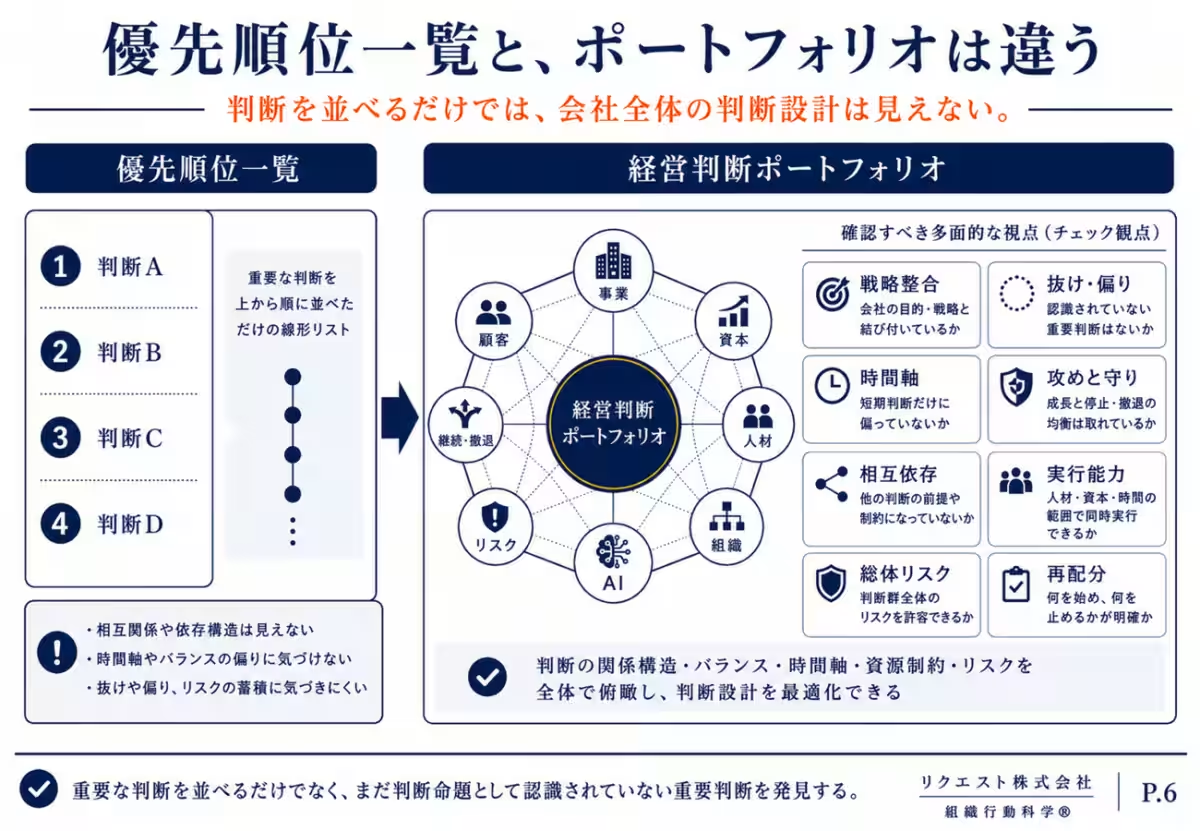
Beyond Prioritization: An Integrated Design for Decision-Making
While listing actions in order of priority is essential, it does not expose dependencies between decisions, competition for resources, or the balance between short-term and long-term goals. An incrementally rational decision might clash with broader organizational interests, potentially delaying subsequent judgments that hinge on them. The Management Decision Portfolio aims to uncover not only recognized critical decisions but also those yet deemed vital for consideration.
Connecting Evidence to Multiple Management Challenges
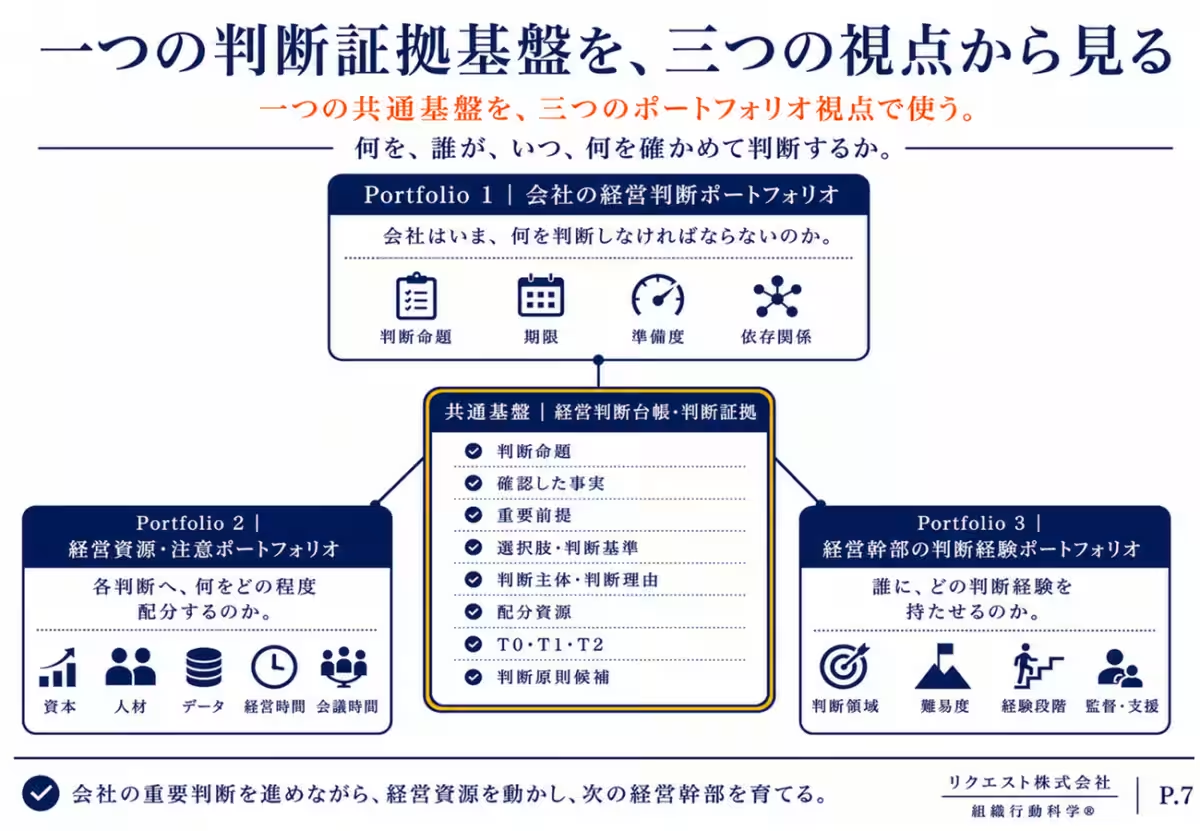
Each decision must leave behind a common set of evidence, including verified facts, underlying assumptions, alternatives, criteria for judgment, reasoning, allocated resources, and outcomes. This collective foundation serves three primary perspectives:
1. What decisions must the company face?
2. Which resources should be prioritized for each decision?
3. How can emerging leaders gain decision-making experience?
This approach seeks to integrate the ongoing processes of enhancing decision-making capabilities, mobilizing resources, and developing executive leaders.
Designing the Decision-Making Methodology
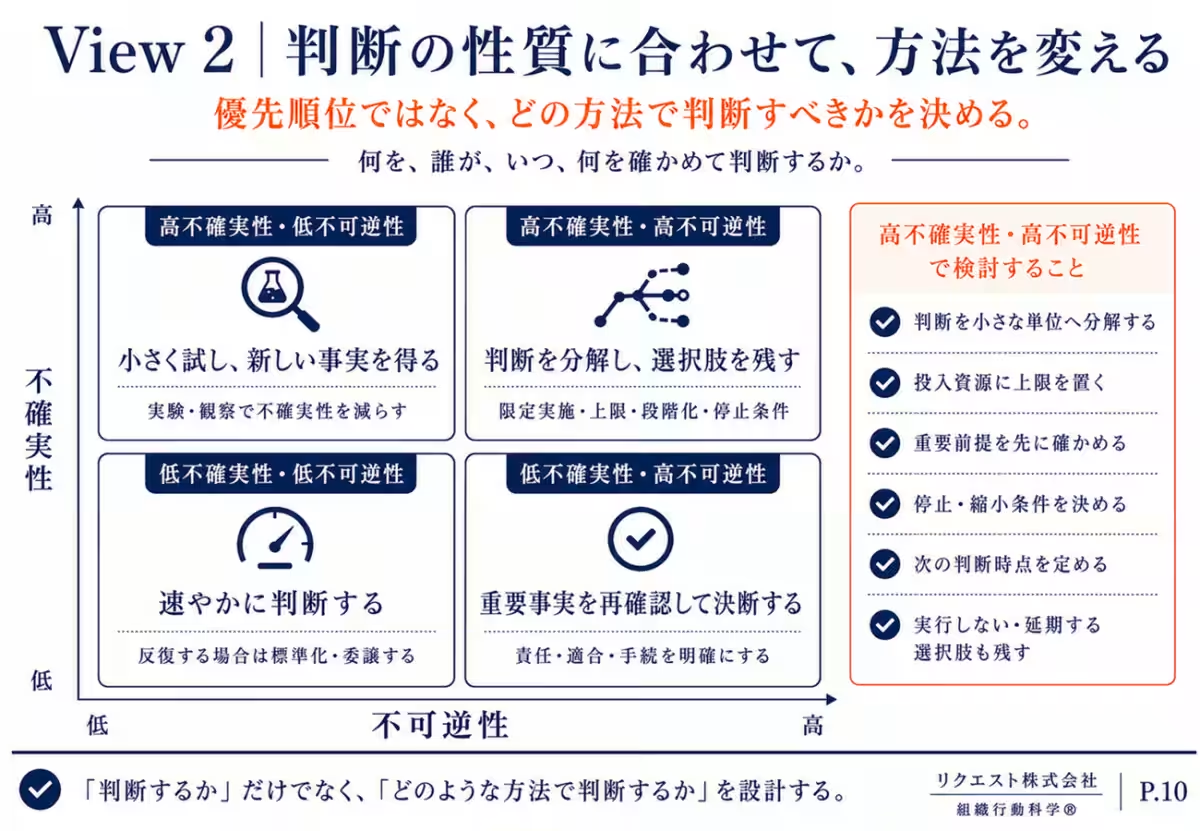
The framework emphasizes that not only does the timing of decisions matter, but the method of reaching them is equally crucial. In scenarios where delays result in significant missed opportunities, establishing a decision-ready state becomes imperative. Conversely, with high uncertainty, adopting a phased trial approach could yield new factual insights while minimizing risks. When facing decisions that are irreversible, decision segmentation is needed, imposing limits on resources invested and establishing stoppage and reassessment criteria upfront.
Conclusion: Transitioning from Reporting to Decision-Making
Transforming management meetings from mere reporting sessions to proactive decision-making arenas involves identifying whether each agenda item is for "reporting," "discussion," or "decision-making." Essential criteria for judgment, including the subject matter, responsible authority, readiness, materials, allocated resources, stoppage criteria, and review points must be clearly established. By shifting the focus from information gathering to actionable choices and validations, companies can dramatically enhance their decision-making processes.
For those interested in the complete 26-page document detailing the Management Decision Portfolio, contact Request Corporation at [email protected], specifying your request for the full version. The suite of findings and frameworks supports effective management practices, offering insights tailored for today’s corporate landscape, thriving in the era of AI.



Topics Business Technology)
【About Using Articles】
You can freely use the title and article content by linking to the page where the article is posted.
※ Images cannot be used.
【About Links】
Links are free to use.