



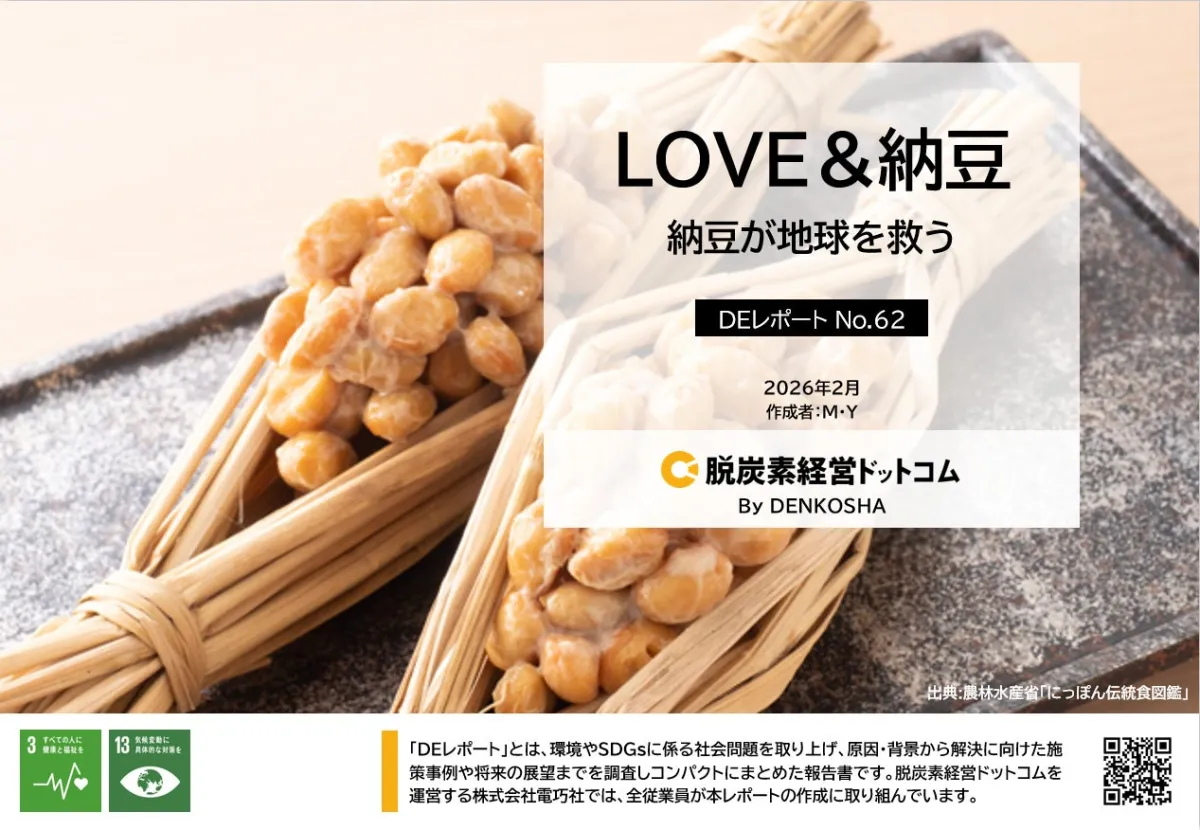
Exploring the Emerging Potential of Natto in Addressing Food and Environmental Challenges
The Insightful Potential of Natto
Natto, a traditional Japanese food made from fermented soybeans, has been well-loved in Japan for centuries. This unique dish, often enjoyed during breakfast, has unfortunately garnered a lukewarm reception overseas, with many people associating it with an off-putting odor, unappealing appearance, and slimy texture.
However, recent trends indicate that the narrative around natto is shifting dramatically. As global health consciousness grows, and scientific research continues to uncover the extensive nutritional benefits of this superfood, natto is starting to gain the appreciation it deserves on the international stage.
Health Benefits Reshaping Perspectives
Studies underscore natto's rich nutritional profile, which is packed with protein, vitamins, and probiotics. These elements contribute significantly to gut health and overall wellness. The fermentation process involved in natto production enhances the bioavailability of nutrients, making them easier for the body to absorb.
Amidst a rising trend towards healthier eating patterns, natto is being re-evaluated as a functional food. This resurgence in interest is leading to a reconsideration of not just natto itself, but also the traditional Japanese diet, which often emphasizes fermentation and plant-based ingredients.
Beyond Nutrition: Environmental Solutions
Natto's potential extends beyond the plate. One of its unique features, the viscous texture, is attributed to a polysaccharide known as natto mucilage. Recent research is exploring how this component can redefine its application in various fields, including environmental remediation.
Studies have shown that natto mucilage could be utilized in water purification processes, bioplastics, and even self-healing construction materials. These applications may offer effective solutions to contemporary challenges, such as ensuring safe drinking water, mitigating marine plastic pollution, and reducing the environmental burden posed by traditional infrastructure.
A Sustainable Future Through Re-evaluation
As we re-examine natto through modern lenses, we unearth broader implications for food sustainability and environmental responsibility. Recognizing the value of an ingredient that has been part of daily life in Japan encourages a dialogue about how everyday items can contribute to solving pressing societal issues, including food security and climate change.
The act of 'rediscovering' natto symbolizes a larger movement towards sustainability. It invites individuals to appreciate the food that has nourished generations while considering innovative ways to harness its benefits for future generations. Such simple yet profound 're-discoveries' are crucial pathways toward a sustainable future, enabling society to embrace solutions without imposing significant lifestyle changes.
We invite everyone to explore the full report to delve deeper into these insights on natto and its unparalleled potential.
Read the full report here
Supervised by: Decarbonized Management Dot Com (Denkosha Co., Ltd.)
This report is a part of the "Sustainable Report" project, aiming to disseminate information regarding environmental, health, and community sustainability. Denkosha Co., Ltd. has dedicated years of effort to support small and medium enterprises in their decarbonization initiatives, providing insights for a sustainable future.
About Denkosha Co., Ltd.
- - Head Office: 2-10-4 Shiba, Minato-ku, Tokyo 105-0014, Japan
- - CEO: Notomi Nakajima
- - Established: February 11, 1928
- - Business Activities: Solar power, wind power services, sales and maintenance for commercial electrical equipment, and planning, development, sales, and maintenance of energy-saving and renewable energy activities and products, including assistance with subsidy applications.
- - Capital: 900 million yen
- - Website: Denkosha Co., Ltd.
Topics Consumer Products & Retail)
【About Using Articles】
You can freely use the title and article content by linking to the page where the article is posted.
※ Images cannot be used.
【About Links】
Links are free to use.