



WOTA and Hyogo Prefecture Establish Disaster Water Supply Framework for the Kinki Region
WOTA's Initiative for Disaster Preparedness in Hyogo
WOTA Inc., based in Tokyo, has joined forces with Hyogo Prefecture to establish a groundbreaking agreement aimed at enhancing disaster water supply strategies across the Kinki region. This significant collaboration introduces the "Disaster Water Supply Equipment Mutual Support Agreement," marking a first for the area and setting a precedent for inter-city cooperation during emergencies.
Background of the Agreement
This agreement was formed following the insights gained from disasters such as the Noto Peninsula Earthquake. The initiative is designed to create a robust framework for inter-prefectural support in managing water-related resources during emergencies. It seeks to address the issues of maintaining sanitary environments and essential water supplies in evacuation centers during major disasters.
Objectives of the Agreement
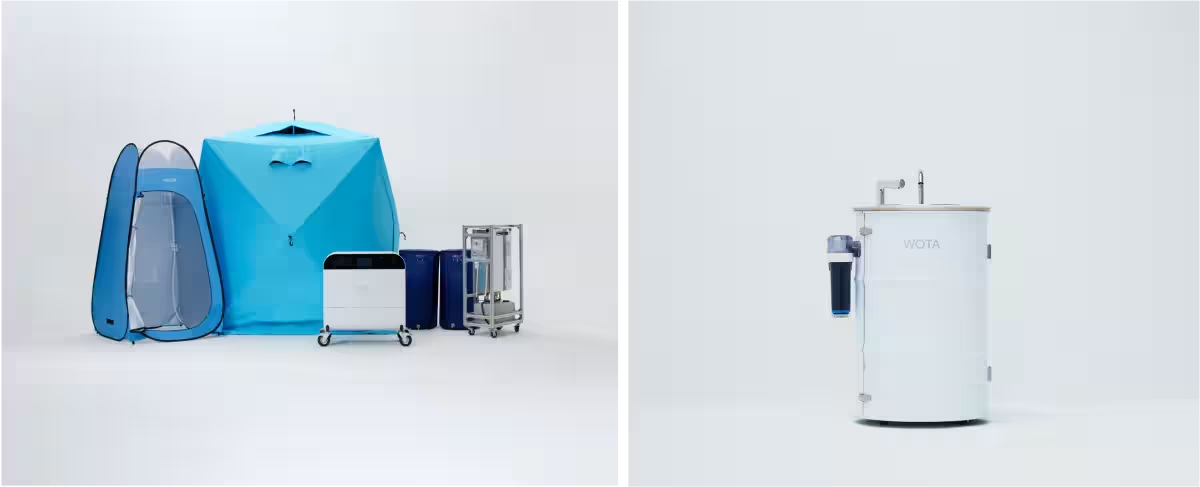
The primary goal of this agreement is to facilitate the timely provision of water supply equipment, such as the innovative "WOTA BOX" and "WOSH" systems, to affected municipalities during disasters. Key aspects of the initiative include:
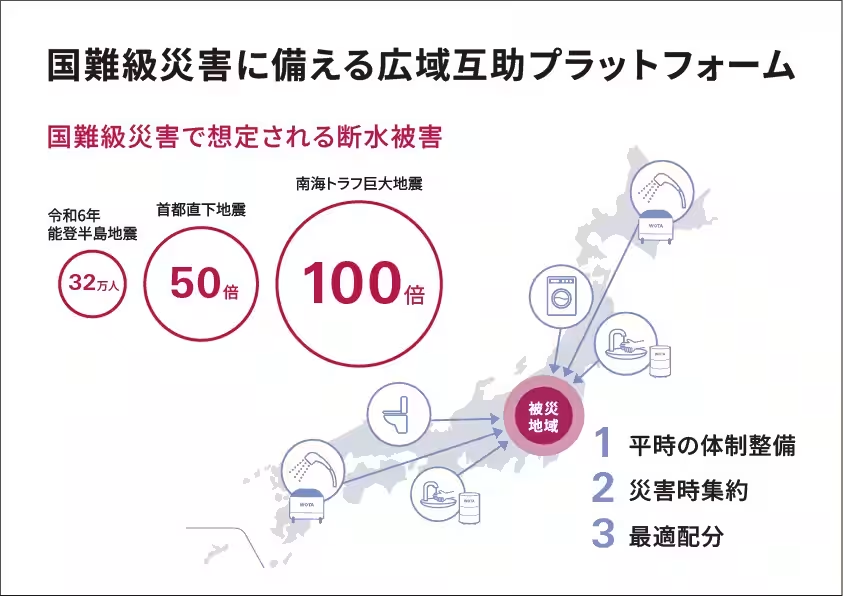
- - Coordinated Support: WOTA will serve as the administrative hub, facilitating support requests and coordinating between municipalities.
- - Rapid Information Sharing: Establishing prompt communication regarding disaster situations and water supply needs to ensure efficient resource allocation.
- - Pre-emptive Resource Deployment: Encouraging pre-arranged resource deployments during peaceful times to better prepare for emergencies.
Need for Such a Platform
Importance of Water Supply
The need for reliable water supply solutions during disasters cannot be overstated. Historical data from the Noto Peninsula Earthquake illustrates the prolonged restoration times for water infrastructure, which left over 100,000 individuals without water for extended periods. During such crises, the required demand for water often surpasses the provision of clean drinking water, demanding robust systems for laundry, sanitation, and hygiene maintenance.
Past Experience
In the wake of the Noto Peninsula earthquake, WOTA proactively initiated emergency water supply activities. They introduced their "water circulation systems," enabling showering and handwashing even amidst disrupted water services. With the collaboration of foundations and partner businesses, WOTA deployed around 300 units, covering 89% of the evacuation centers affected by the prolonged water shortage.
Challenges Addressed
The execution of the current system took over a month to implement during the Noto Peninsula disaster. Had an inter-municipal mutual support structure been previously established, deployment could have occurred much faster.
Among the services impacted, showering and handwashing presented significant challenges, underscoring the need for immediate solutions in these areas. Therefore, prioritizing the development of mutual support frameworks focused on hygiene-related systems is critical.
Future Risks and Proactive Strategies
As we face potential catastrophic disasters, the anticipated impacts outline the necessity of comprehensive community support against major water disruptions. With significant disasters expected in the future, including earthquakes of much larger magnitudes than previously experienced, establishing a nationwide support network is crucial for effective disaster response.
Looking Ahead
WOTA aims to replicate this agreement nationwide, progressively signing similar collaborations with other prefectures. This strategy will bolster the capacity to respond swiftly and flexibly not just for anticipated disasters but for any unforeseen large-scale emergencies that may arise, safeguarding community access to essential water resources.
For more information on this initiative and WOTA's commitment to innovative water solutions, visit WOTA's official site.
Topics Consumer Products & Retail)
【About Using Articles】
You can freely use the title and article content by linking to the page where the article is posted.
※ Images cannot be used.
【About Links】
Links are free to use.