




Evolving Appearance Care: From Self-Expression in the 20s to Maintenance in the 50s
Evolving Appearance Care: From Self-Expression in the 20s to Maintenance in the 50s
A recent survey by For-IT, the company behind the affiliate platform afb, highlights the evolving priorities of appearance care among different age groups in Japan. Analyzing responses from 1,193 individuals aged 20 to 60+, the results illustrate not only the variety of appearance care practices but also the differing motivations driven by life stages and societal norms.
Background of the Survey
As awareness regarding personal grooming grows, the specifics of what this care entails have become deeply influenced by individual values and various life stages. The array of potential care practices spans everyday maintenance like skincare and haircare, to broader concerns including fitness routines and medical interventions. A significant focus of this survey was to glean insights from those who actively engage in self-care activities surrounding their appearance.
Survey Overview
- - Participants: 1,193 men and women aged 20-69 who reported actively caring for their appearance.
- - Methodology: Online survey conducted nationally.
- - Survey Date: November 18, 2025.
The survey's key question was: What kind of appearance care do you regularly engage in?
The options included:
1. Skincare
2. Hair removal
3. Dieting / Medical weight loss
4. Hair growth / AGA treatment
5. Nail care
6. Haircare
7. Exercise / Strength training
8. Other
Findings: Cleaning and Health Take Priority
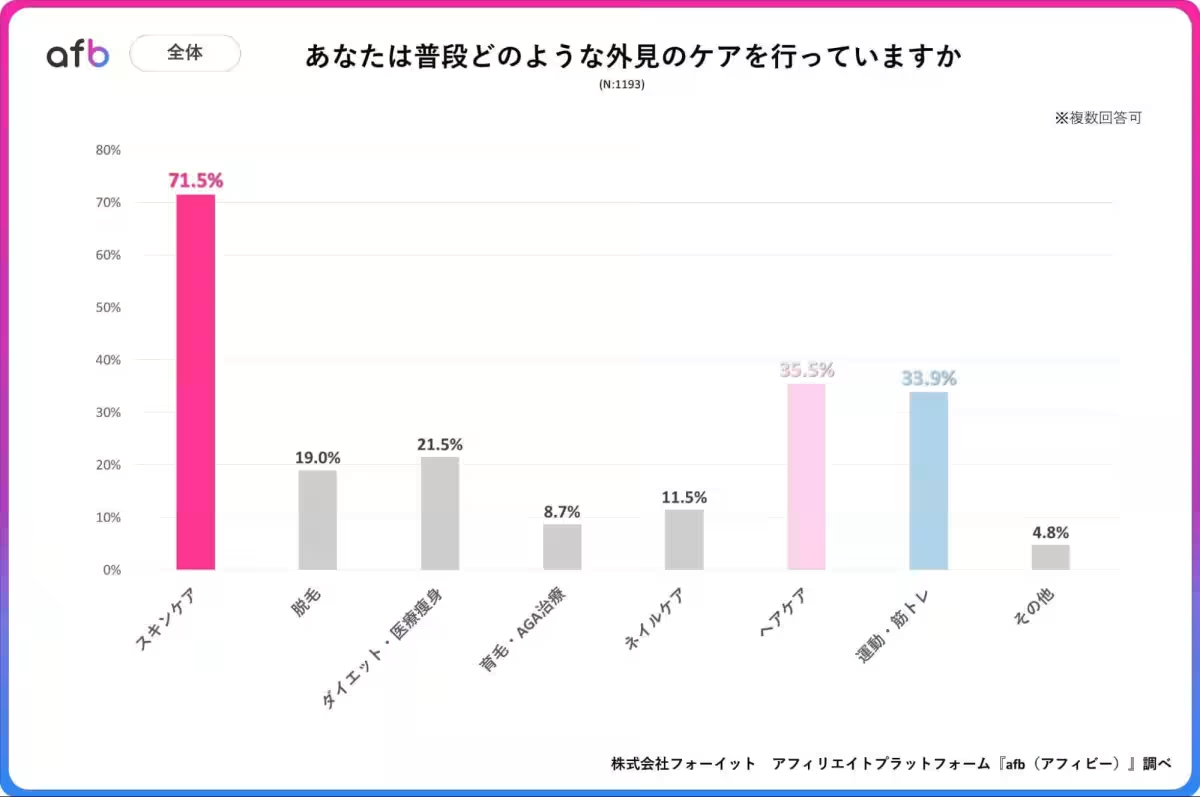
The results indicate a significant focus on cleanliness, with 71.5% of respondents choosing skincare as their primary care method, followed by haircare at 35.5% and exercise at 33.9%. This suggests a strong inclination towards maintaining a clean and healthy aesthetic rather than dramatic transformations. In contrast, practices like hair removal (19.0%), medical weight loss (21.5%), and hair growth treatments (8.7%) remain less common, potentially due to perceived costs and efforts.
Changing Attitudes Across Ages
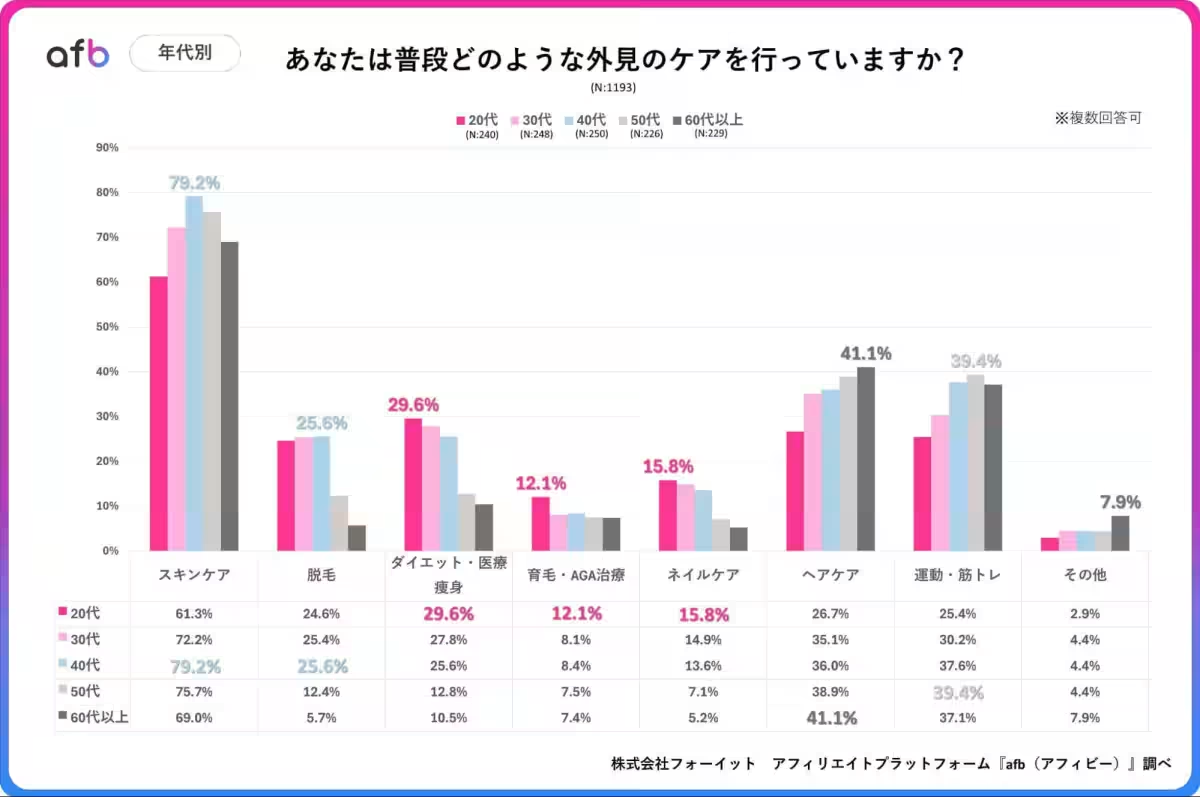
Age-specific data unveil a notable trend: in the 20s, individuals tend to focus on self-expression through grooming, while those in their 40s and beyond shift towards maintenance and prevention. Skincare remains a consistently high priority across all demographics but peaks significantly at 79.2% among respondents in their 40s, when awareness of aging impacts intensifies. Meanwhile, in their 20s, younger individuals are more likely to engage in dieting (29.6%) and nail care (15.8%), reflecting a desire to craft and present a specific image.
In contrast, those aged 50 and older show an increased focus on haircare and exercise, indicating a shift in priorities towards maintaining youthful health and appearance as they age.
Gender-Based Differences in Care
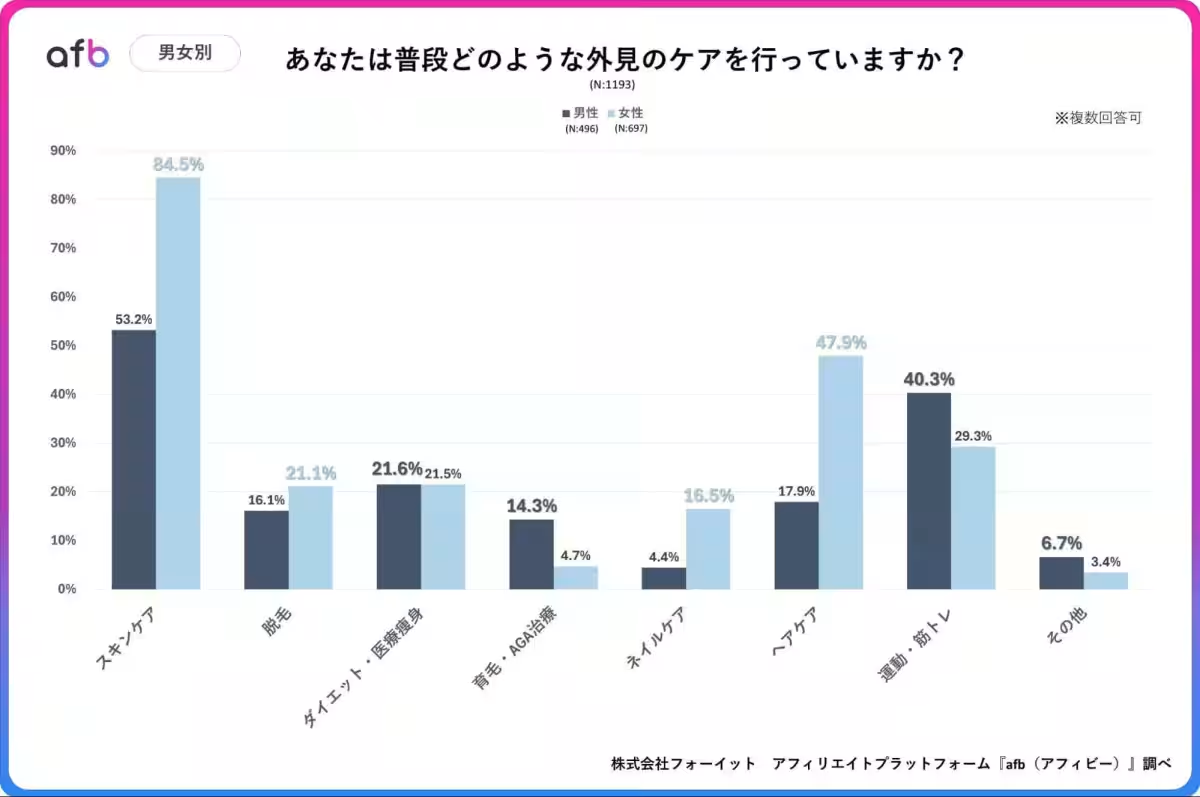
Diving into gender, the survey reveals distinct differences in care priorities. Females place substantial emphasis on skincare (84.5%) and haircare (47.9%), perhaps due to societal expectations surrounding femininity and appearance management. Males, while also interested in skincare (53.2%), show higher rates of engagement in fitness (40.3%) and hair growth treatments (14.3%), suggesting they perceive grooming more as a means to maintain health and physique rather than as cosmetic enhancement.
This indicates an overall gender disparity in how appearance care is approached, with men more focused on physical health maintenance.
Marital Status Influences Grooming Approaches
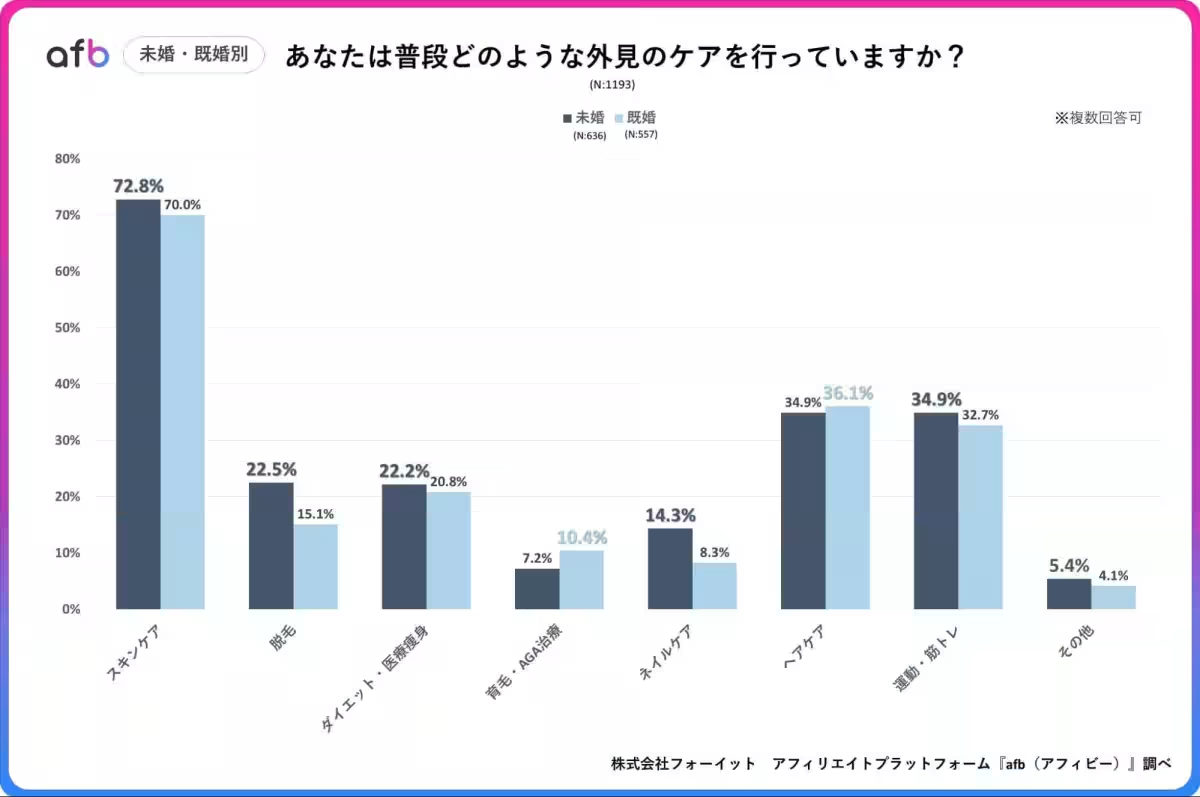
Interestingly, the survey also revealed patterns based on marital status. Unmarried individuals demonstrated a heightened awareness of their appearance, with substantial care practices focusing on impression management, like skincare (72.8%) and nail treatments (14.3%). Conversely, married individuals show consistent but relatively lower engagement in these practices. Their focus tends to switch to health management, emphasizing haircare (36.1%) and fitness (32.7%). This shift suggests that as their lives stabilize, priorities move from external validation to the maintenance of personal and familial wellbeing.
Conclusion
Regardless of age or gender, appearance care has become an ingrained habit for many, symbolizing not merely a desire to impress others but a dedication to self-comfort and quality of life. The nuances observed in motivations for grooming point to a deeper understanding of personal context and life phases, making the case that beauty and self-care transcend mere aesthetics to encompass broader themes of identity and wellness.
As beauty and appearance care remain a growing field, it is clear that platforms like afb will continue to thrive, aligning with changing trends and the enduring importance of self-care routines in our daily lives.


Topics Consumer Products & Retail)
【About Using Articles】
You can freely use the title and article content by linking to the page where the article is posted.
※ Images cannot be used.
【About Links】
Links are free to use.