




Recent Survey Highlights Declining Intentions to Purchase Homes in Japan
Housing Purchase Intentions Decline in Japan
A recent survey conducted by Cross Marketing, a prominent marketing research company based in Tokyo, indicates a noticeable decrease in the intentions of Japanese citizens to purchase homes. The survey, which involved 3,000 participants aged between 20 and 79 across the nation, was held from September 25 to 26, 2025. This analysis focused on current living conditions, housing purchase intentions, reasons for choosing residences, and home renovation experiences.
Key Findings from the Survey
Living Situations and Choosing Factors
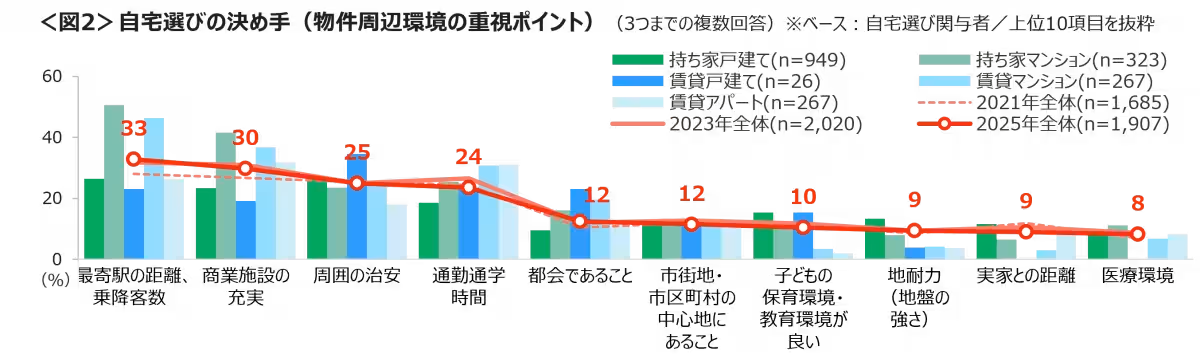
The survey found that 52% of respondents currently reside in single-family homes (referred to as “持ち家戸建て”), while 14% live in condominiums (“持ち家マンション”). This marks a slight increase in single-family home ownership since 2021. Moreover, when participants were asked about their primary motivations for choosing their current residence, over 30% cited the proximity to train stations and the availability of commercial facilities as critical factors. Security and commuting times were also significant considerations, particularly among residents of both single-family homes and rental apartments, with these features being highlighted by over 20% of the respondents.
Intentions to Buy Homes
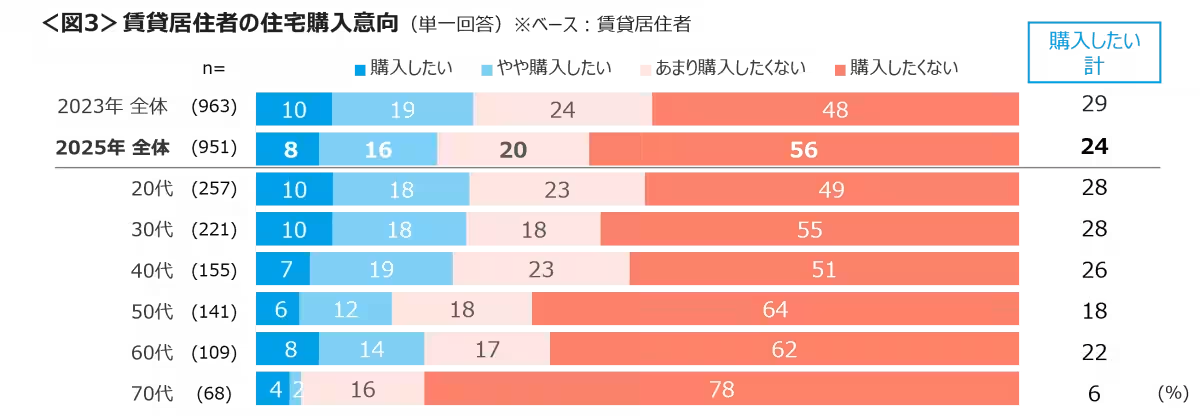
A notable insight from the survey revealed that only 24% of renters expressed a desire to purchase properties (including those who are somewhat inclined). Notably, individuals in their 20s to 40s showed a purchasing inclination in the upper 20% range. Comparatively, this is a decline of 5 percentage points from 2023, attributed mainly to rising construction material costs and interest rates impacting the real estate market.
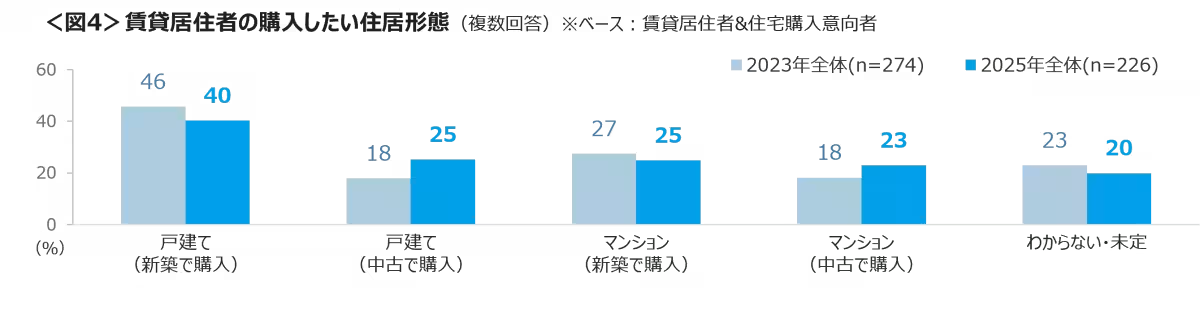
In terms of preferred living arrangements, 40% preferred to buy new single-family homes, while both old single-family homes and new condominiums were desired by 25% of the respondents. Interestingly, there has been an uptick in those interested in acquiring older properties, signaling a shift in buyer priorities from new constructions.
Home Renovation Insights
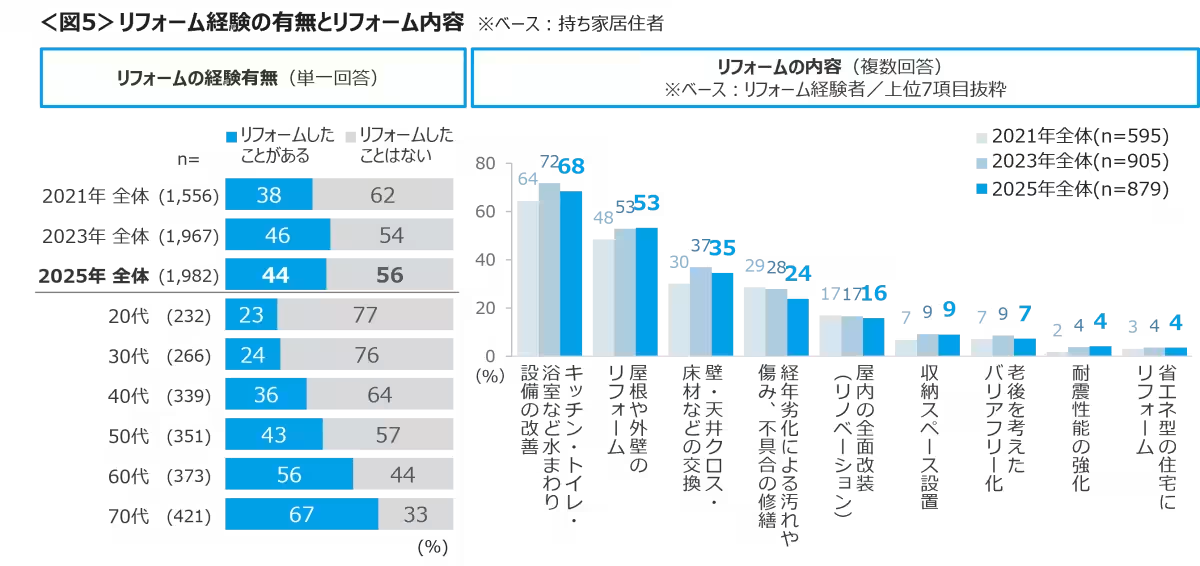
Looking into the renovation experiences of homeowners, approximately 40% reported having undertaken some form of home improvement. The likelihood of undertaking renovations increased with age, reaching nearly 70% among those in their 70s. The types of renovations most commonly performed included upgrades to plumbing facilities (68%) and renovations to roofs or exterior walls (53%). Additional renovations included replacing wall, ceiling, and floor materials, repairing damages or aesthetic wear due to aging, and comprehensive renovations of interior spaces (referred to as “リノベーション”).
Summary of the Survey Insights
The findings of the survey encapsulated several pivotal sections, including:
- - Overview of key results
- - Participant demographics (gender, age, resident location, marital status, children, occupation, family composition, household income, potential and needs cluster discrimination)
Detailed Results
The detailed report outlined the following tests:
- - Types of residences and duration of stay
- - Presence of a garden accessible by walking
- - Communication status with neighbors
- - Time taken to walk from home to the nearest station
- - Purchase amounts for homeowners / monthly rent for renters
- - Engagement in selecting their residence
- - Fundamental deciding factors (price, space layout, indoor environment of the property, surrounding environment)
- - Current and future desired equipment and features in their homes
- - Status of smoke detector installations
- - Housing purchase intentions among renters and their preferred types of residences
- - Reasons for not purchasing institutions from renters (selected free answers)
Conclusion
This survey provides critical insights into the shifting landscape of home ownership in Japan. As economic pressures continue to impact purchasing decisions, it raises essential questions about long-term housing trends in the Japanese market. The complete report can be accessed through Cross Marketing's official website, providing an in-depth look at the housing industry dynamics moving forward.
For further inquiries or detailed findings, representatives can contact the Cross Marketing Public Relations department via telephone or email as provided.


Topics Consumer Products & Retail)
【About Using Articles】
You can freely use the title and article content by linking to the page where the article is posted.
※ Images cannot be used.
【About Links】
Links are free to use.