



How Summer Vacations Spark Career Reflection Among Workers in 2026
Examining the Impact of Summer Vacations on Career Reflections in 2026
In a recent survey conducted by Workport, a leading recruitment agency in Japan, over 306 business professionals aged between their 20s and 40s participated to share their experiences regarding summer vacations. The survey aimed to explore how time off influences workers' perspectives on their careers.
Key Findings: A Glimpse into Vacation Trends
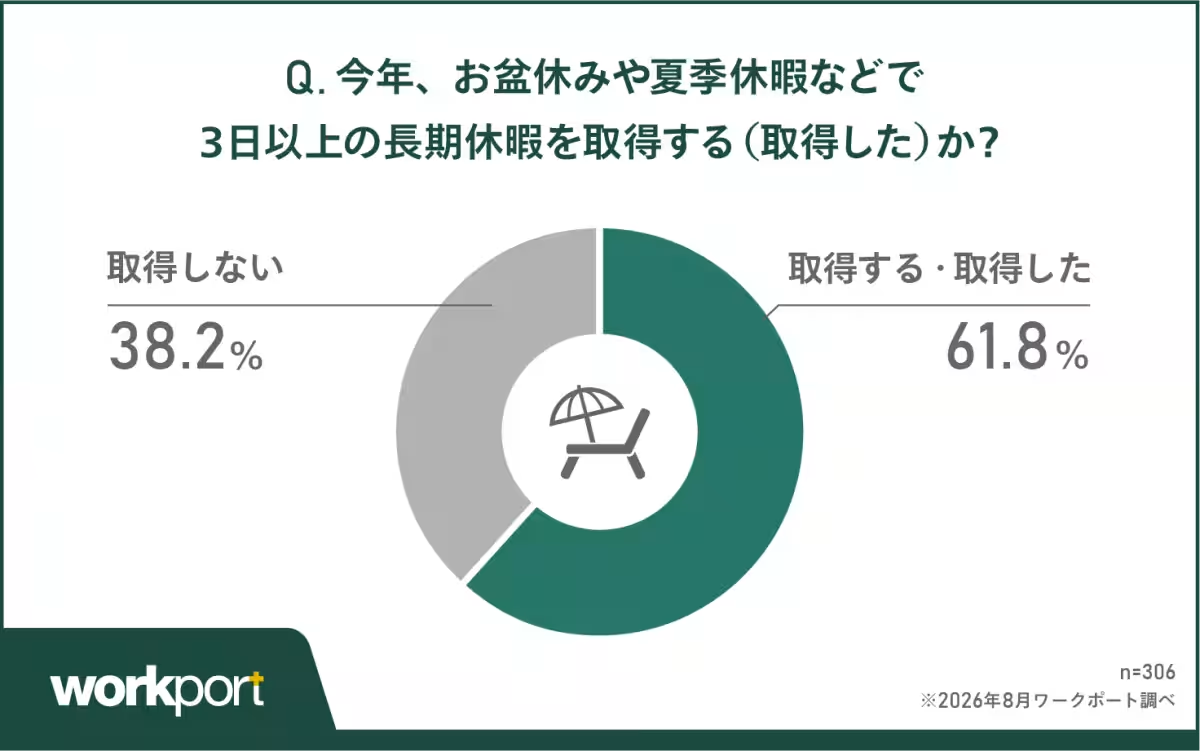
As summer approached, the survey revealed that 61.8% of respondents planned to take a vacation lasting three days or more, while approximately 40% reported intending to skip summer break entirely. This indicates that while many employees do take advantage of long vacations, a significant portion feels unable to do so.
Work During Vacation: A Struggle to Disconnect
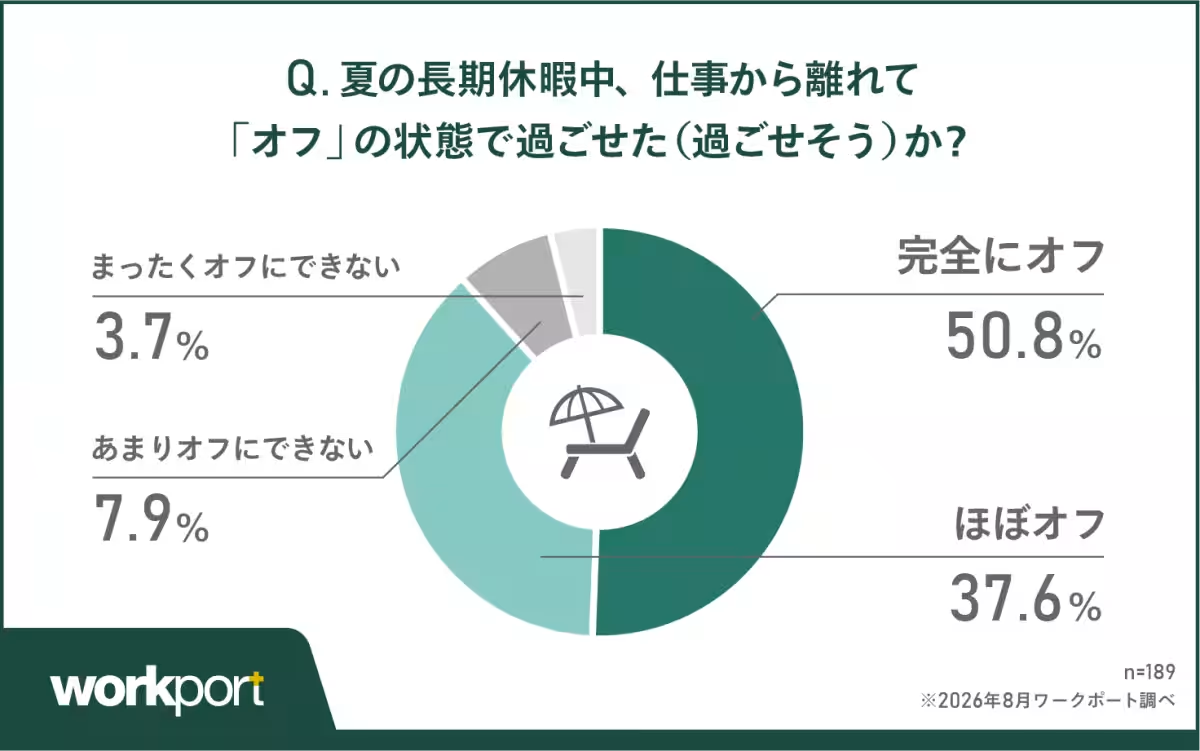
The survey further highlighted a critical issue: while 88.4% of respondents reported they were able to unplug and enjoy their time off, around 11.6% admitted to engaging with work during their break in what some termed 'hidden work.' This raises questions about workplace expectations and the so-called right to disconnect, a topic gaining traction in global discussions around work-life balance.
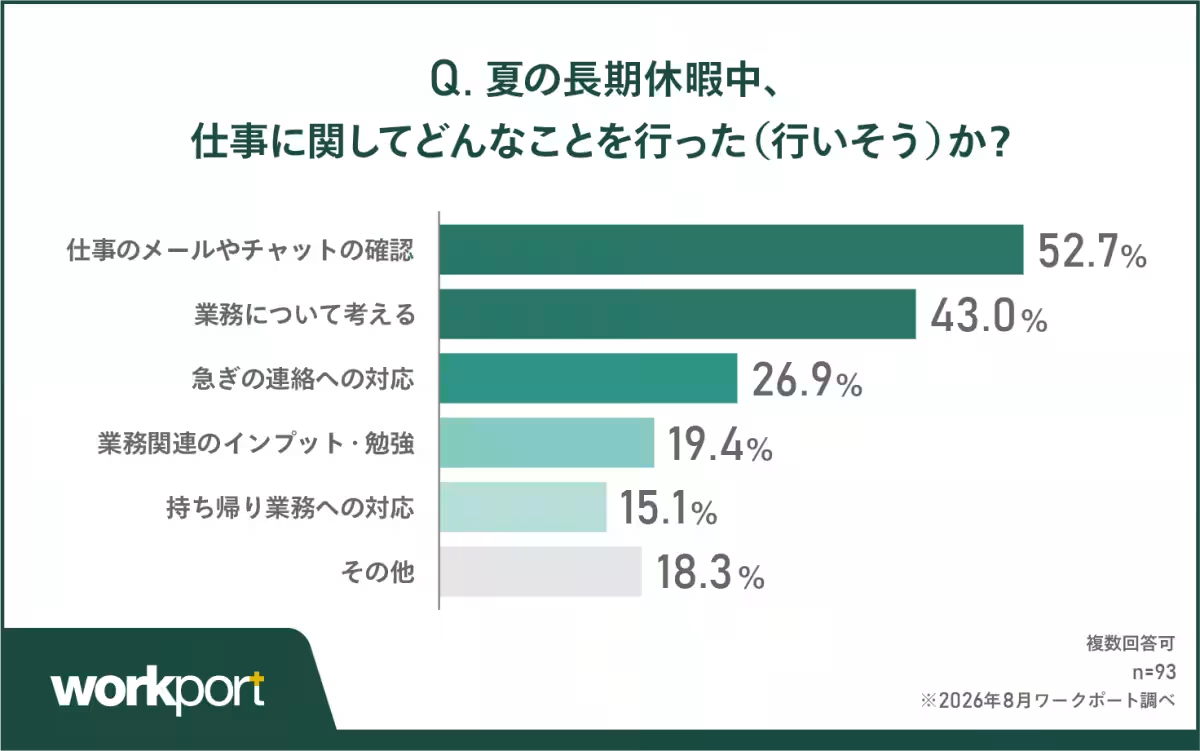
For those who couldn’t entirely detach from work, 52.7% mentioned they still checked emails and chat messages, reflecting a persistent concern about workloads. Additionally, 43% thought about work-related tasks, which hinted at the psychological burden many carry even while supposedly resting.
Reasons Why Employees Can't Fully Unplug
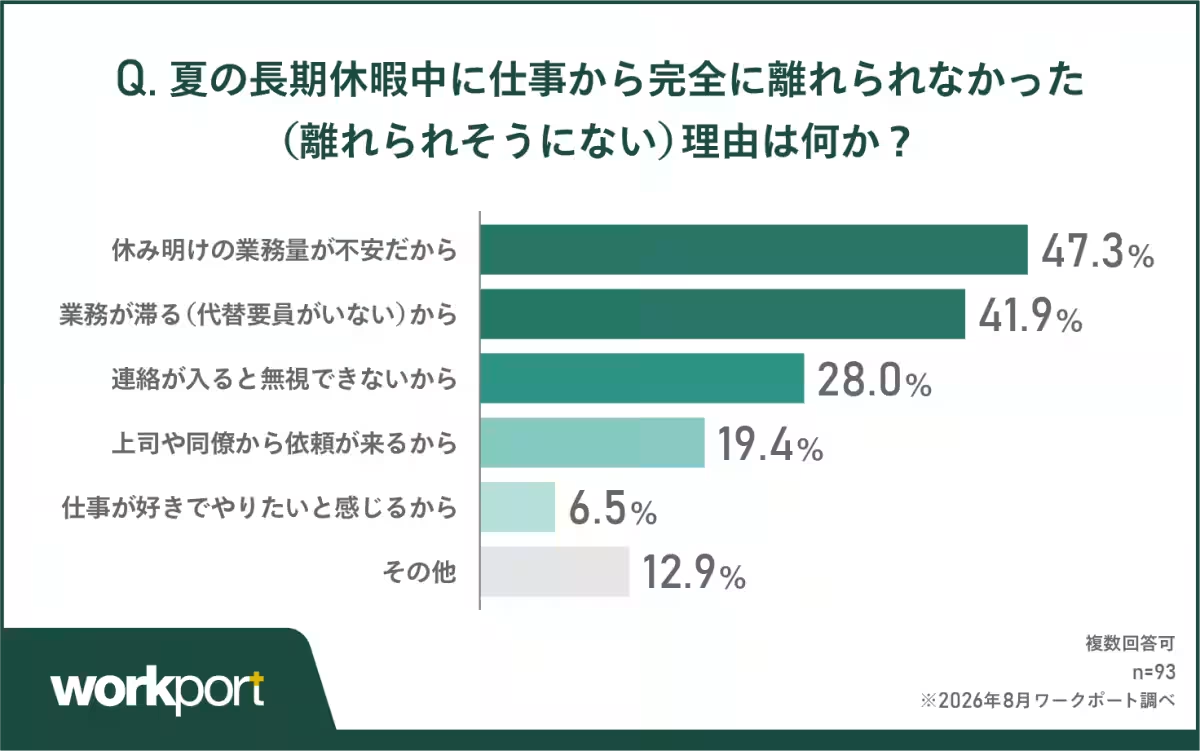
When the same group was asked why they struggled to unplug, the top response (47.3%) revolved around anxiety regarding workload upon returning to work. Furthermore, 41.9% expressed that a lack of substitute personnel left them feeling responsible for their duties even during their absence.
Career Reflections Triggered by Time Off
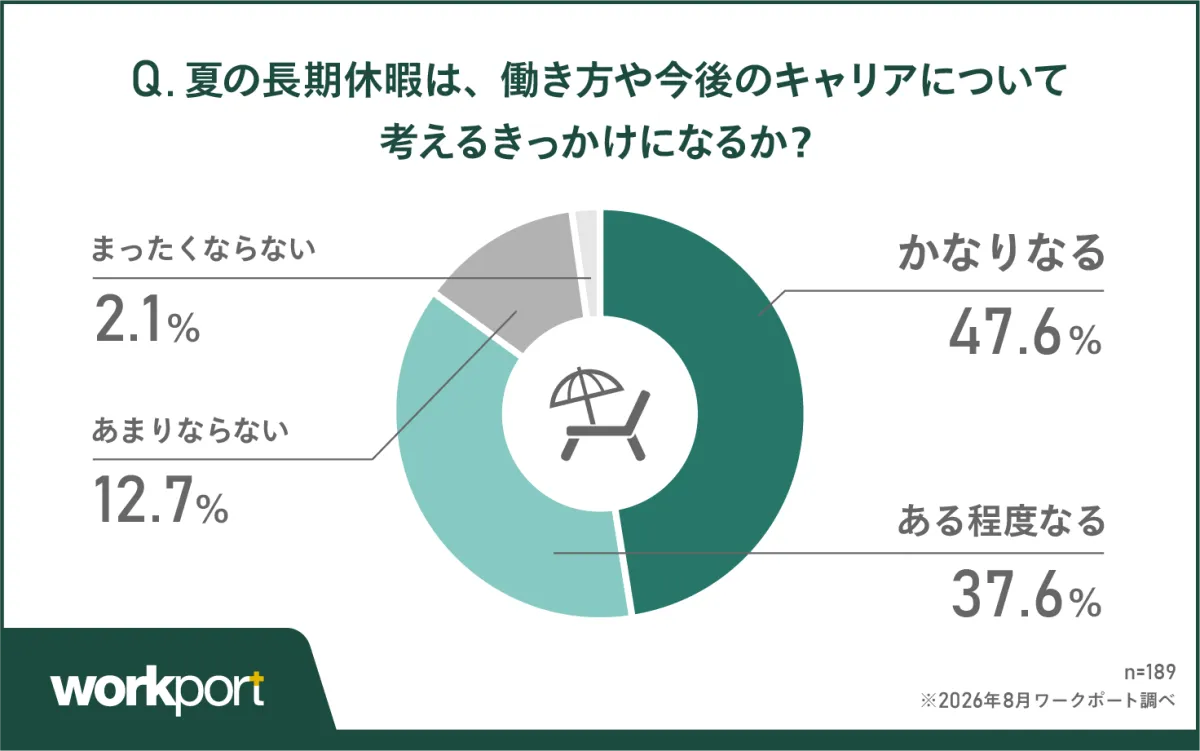
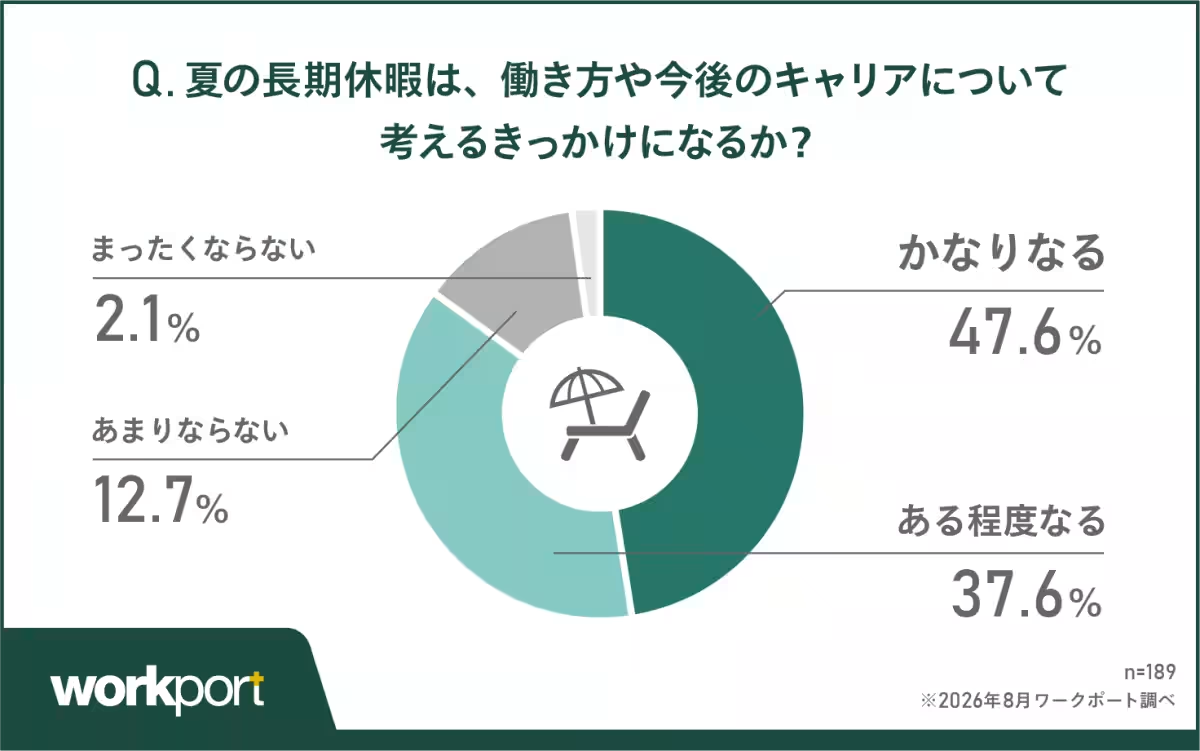
Perhaps one of the most striking insights from this survey is that 85.2% of respondents reflected on their career paths while on vacation. Many indicated that time away from the daily grind offered a rare chance to contemplate their professional trajectories. Feedback from individuals illustrated a range of responses—from realizing the need to pivot careers to networking opportunities and personal growth.
For instance, one respondent, a female sales employee in her 30s, mentioned that meeting friends led her to consider new job opportunities. Similarly, a male marketing executive found value in reassessing his career during his time off.
In contrast, some individuals also noted frustrations about the inability to fully relax; for example, multiple respondents described experiences where work-related communications interrupted their vacations, impacting their overall relaxation.
Implications for Employers: A Call to Action
The findings underscore a critical need for employers to rethink their vacation policies and employee support systems. As employees express the desire for a workplace environment that respects their time off and enables them to recharge, businesses must consider implementing backup structures to lessen the worry that accompanies time away from work. The essence of the survey suggests that fostering an environment where employees feel secure taking their vacations is paramount to enhancing job satisfaction and reducing turnover.
A proactive approach that includes promoting the 'right to disconnect' and providing manageable workloads can ensure that employees return rejuvenated, engaged, and ready to contribute effectively to their organizations.
Ultimately, as Workport highlights, summer vacations serve not just as time for rest but as critical moments for reflection and reevaluation of career paths. Ensuring employees feel empowered and supported during these breaks can lead to a healthier workplace culture and improved overall organizational success.

Topics People & Culture)
【About Using Articles】
You can freely use the title and article content by linking to the page where the article is posted.
※ Images cannot be used.
【About Links】
Links are free to use.