




Collaborative Research on Inclusive Design for Housing and Urban Development Initiated by LIFULL and Partners
Collaborative Research on Inclusive Design
In a groundbreaking initiative aimed at improving accessibility in housing and urban design, LIFULL, a prominent real estate information service company based in Chiyoda, Tokyo, has partnered with several leading organizations including Nikken Sekkei, Nikken Sekkei Research Institute, the inclusive design studio CULUMU, and the Department of Architecture at the University of Tokyo. This collaborative project focuses on the increasingly pressing social issue of creating inclusive living environments, particularly as Japan faces rapid population aging and a rising number of individuals with disabilities.
Research Background
As Japan's society ages, the number of 'housing weak' individuals—those who require special consideration due to age or disabilities—has significantly increased. Unfortunately, there is currently a lack of adequate information and objective standards to enable these individuals to choose housing that meets their evolving physical and mental needs. This research project aims to identify essential housing performance requirements that enable seniors and individuals with disabilities to continue living independently, thereby fostering a more inclusive society.
Objectives of the Research
The primary objective of this research is to initially gather knowledge from the housing sector and eventually develop frameworks to enhance inclusivity in urban spaces and society as a whole. The findings will not only guide the collaborative research team but will also include diverse experts and stakeholders, promoting the implementation of better living conditions and urban designs conducive to inclusivity.
Research Scope
Investigation of Inclusive Design in Housing
The research methodology includes:
- - Identifying Needs: Conducting in-depth interviews and field surveys with elderly and disabled community members to gather insights on their living conditions, challenges, and desires regarding housing.
- - Data Analysis: Systematically organizing the collected data to classify and clarify diverse needs, laying the groundwork for a comprehensive understanding that can be applied to both housing and wider urban environments.
Importance of Co-Creation
This project recognizes that addressing these social issues cannot be managed by individual organizations alone. It requires the collaboration of entities with varied expertise, including user representatives and stakeholders, to achieve meaningful and effective outcomes. Universities will benefit from incorporating real user feedback into their research, while companies will be able to pursue data-driven initiatives under a framework of academic legitimacy. By harmonizing both parties' strengths, this collaborative project represents a vital step toward realizing better living and urban environments.
Team Structure and Expertise
Each partner organization brings its unique strengths to the project:
- - LIFULL: Utilizing data from its real estate service, LIFULL HOME'S, LIFULL aims to promote informed choices among housing seekers.
- - Nikken Sekkei: Offers architectural and urban advice, focusing on barrier-free designs and inclusive methodologies.
- - Nikken Sekkei Research Institute (NSRI): Provides expertise in social research and data analysis, contributing to the development of practical indicators and standards for social change.
- - CULUMU: Leverages its network with various stakeholder groups to ensure that the voices of the community are actively included in the research narratives.
- - University of Tokyo: Oversees the academic integrity of the research and ensures that the findings contribute to broader theoretical frameworks in inclusive design.
Key Findings on Housing Preferences and Needs
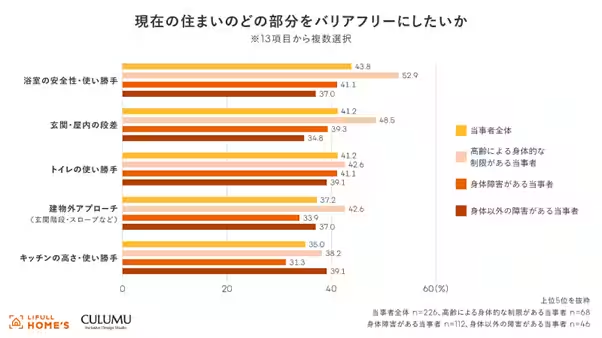
The research will also look into various surveys, with one focusing on 691 participants regarding barrier-free housing:
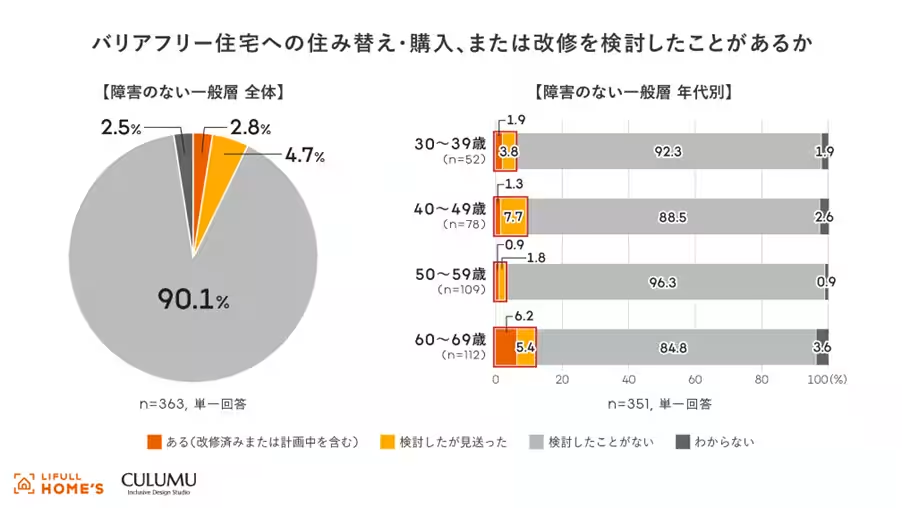
1. A significant portion of the general population (90%) reported they have never considered transitioning to or purchasing barrier-free housing. This number increased with age, notably among those in their 60s.
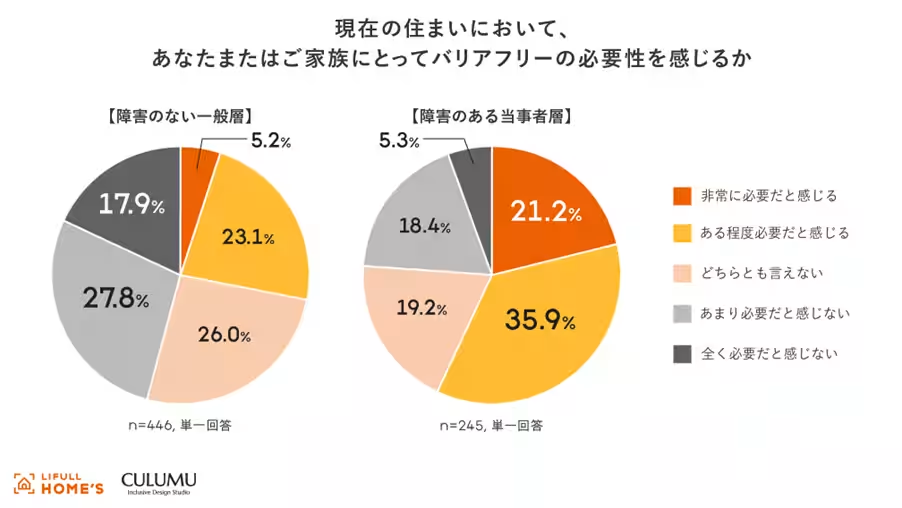
2. Approximately 57% of individuals with disabilities recognize the necessity of barrier-free accommodations, contrasting with just 28% from the general population.
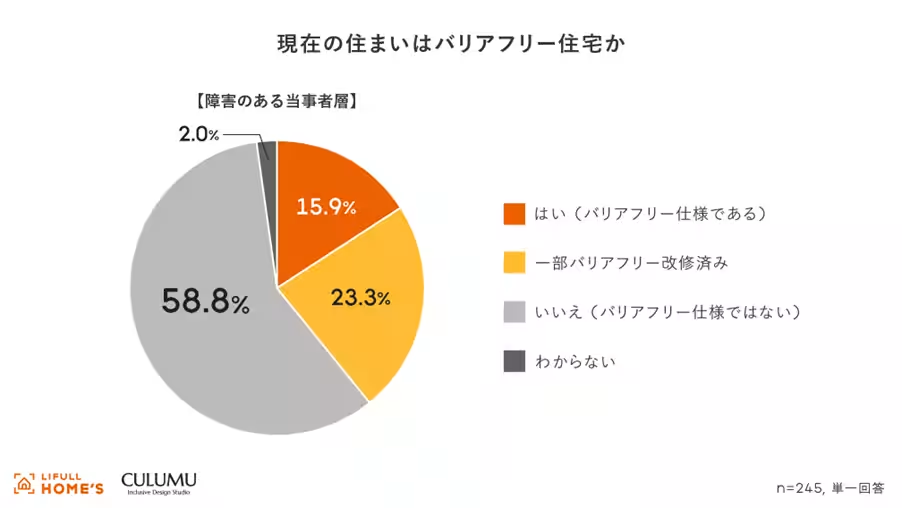
3. Alarmingly, 58% of respondents with disabilities were found to currently reside in non-barrier-free homes.
4. Individuals expressed a desire for enhancements primarily in areas such as the bathroom, entrance, and kitchen to foster safer living conditions.
In summary, the study serves as a crucial step toward fostering a more inclusive society, addressing pressing needs in housing and urban settings for individuals requiring special accommodations. Collaboration among varied stakeholders will enhance understanding and push forward the practice of inclusive design, ultimately leading to smoother processes in housing selection and improved living conditions for all people regardless of their age or abilities.






Topics Other)
【About Using Articles】
You can freely use the title and article content by linking to the page where the article is posted.
※ Images cannot be used.
【About Links】
Links are free to use.