



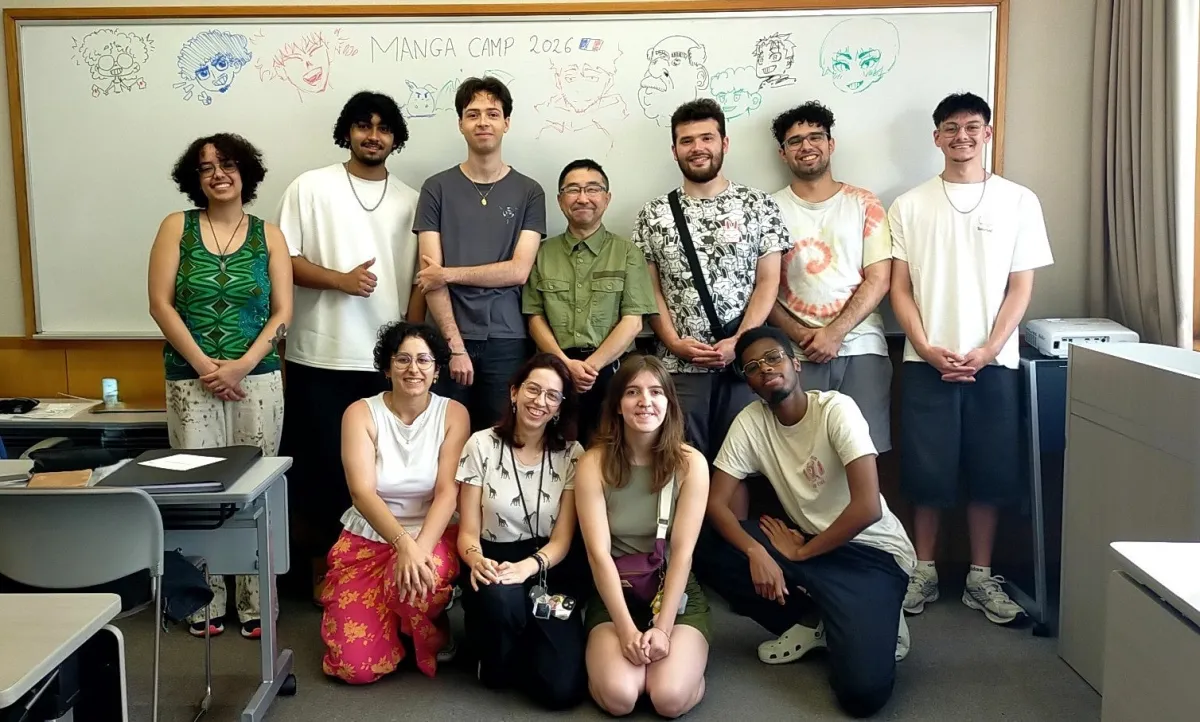
Ten French Students Experience Japanese Manga Creation First-Hand Through Practical Training Program
An In-Depth Look at Manga Camp: Bridging Cultures Through Art
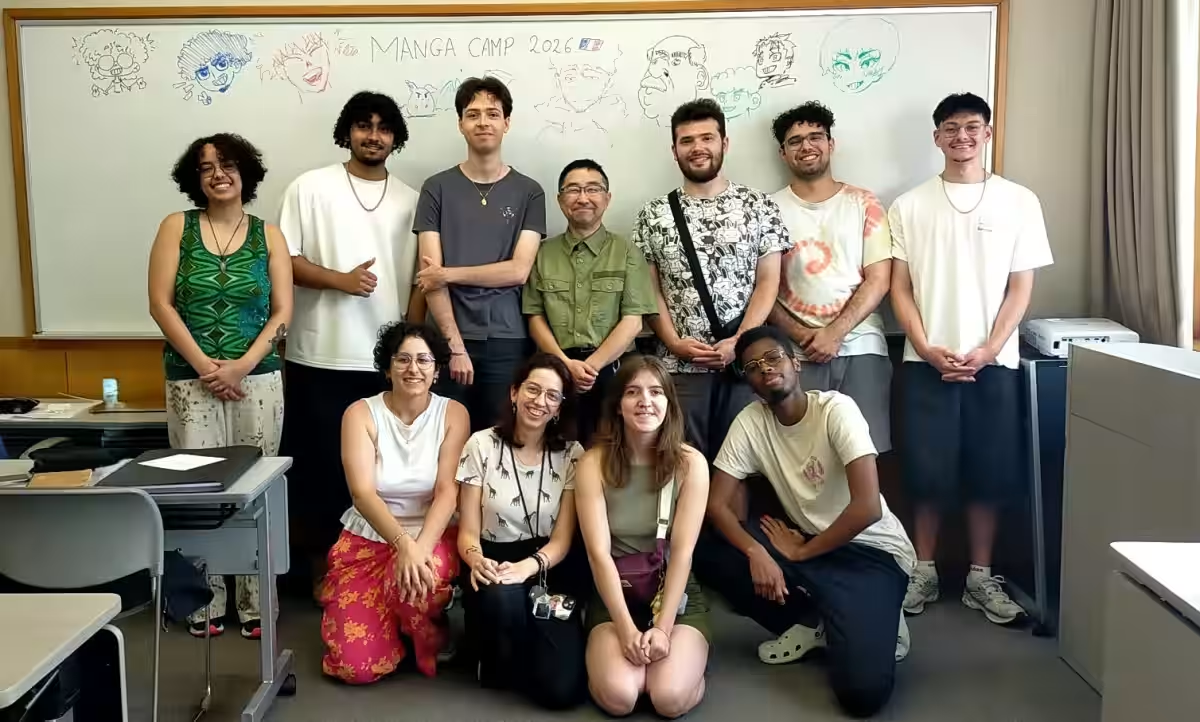
In July 2026, a remarkable event took place as ten talented students from France traveled to Japan to immerse themselves in the world of Japanese manga. Hosted by the Human Academy, an esteemed institution headquartered in Shinjuku, Tokyo, the event, dubbed the MANGA CAMP, aimed to cultivate the skills and careers of aspiring manga creators by offering them direct feedback from Japanese publishers. The initiative is designed not just to enhance their artistic capabilities but to bridge the cultural gap between French and Japanese manga traditions.
An Opportunity to Connect
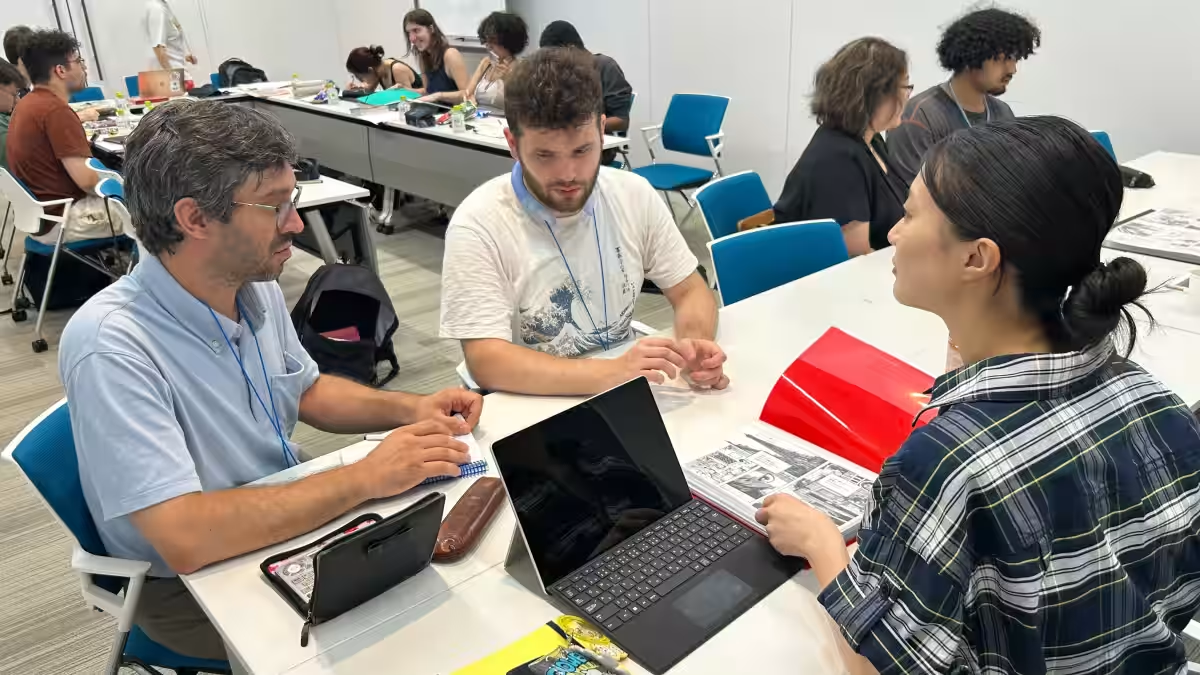
This innovative program ran from July 12 to July 17, where the students had an incredible opportunity to engage with Japanese editors who provided invaluable feedback on their creations. Building on Human Academy's extensive network within the manga industry, the students gained hands-on experience in presenting their work, understanding the intricacies of the publishing process, and receiving constructive criticism from professionals who shape the manga scene in Japan.
Insight into the Manga and Anime World
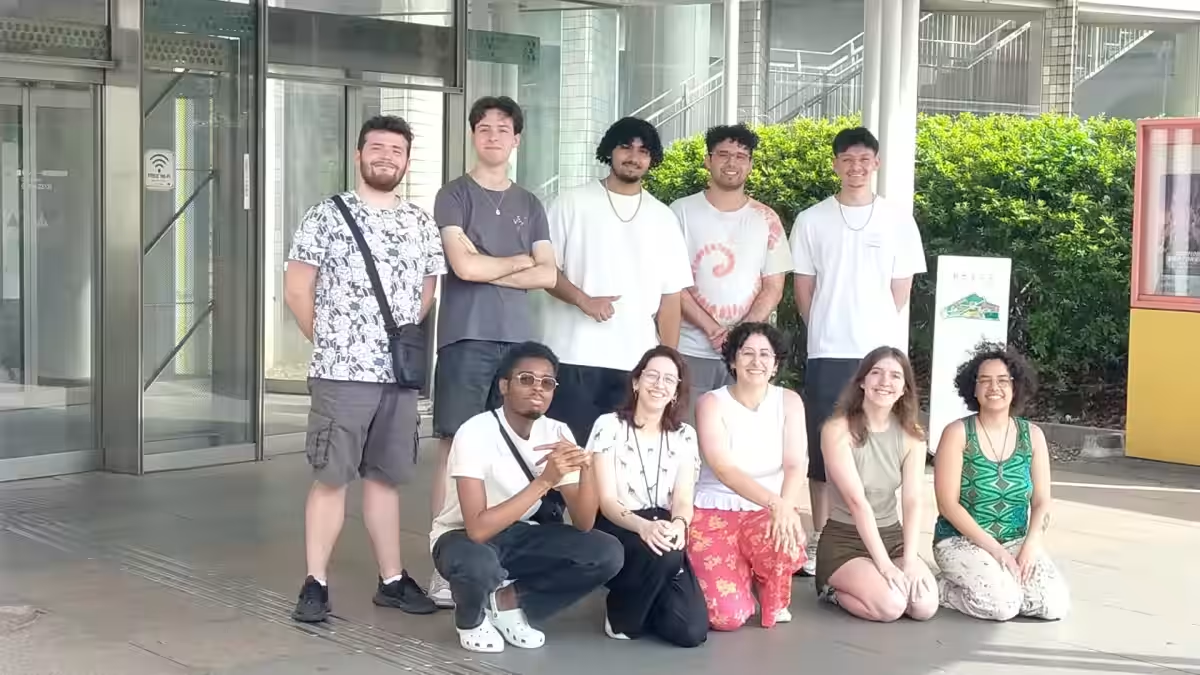
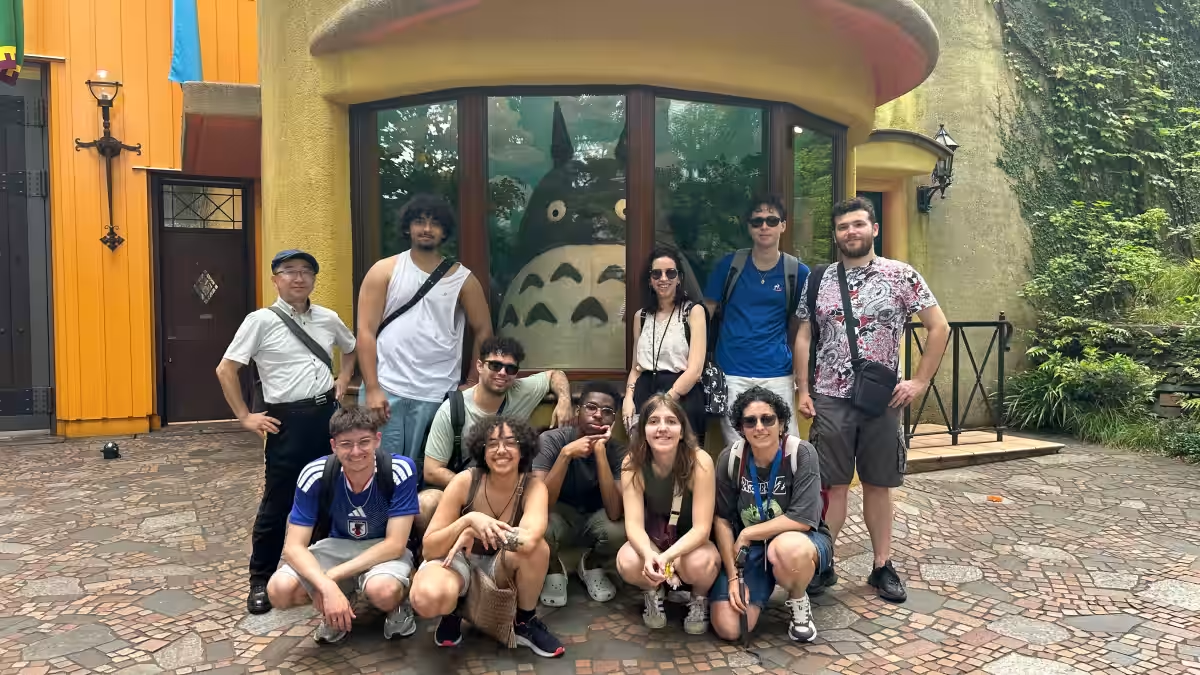
The participating students, selected for their dedication to the art form, were able to delve deeply into Japanese culture. Setting up their base at the National Olympic Memorial Youth Center, they engaged in various activities that included pitching their work to publishers and taking part in detailed review sessions. Aside from focusing on their manga creations, they visited cultural landmarks such as the Ghibli Museum, Nakano Broadway, and the Ikebukuro Animate store, offering them a broader understanding of manga and anime culture in Japan. They also experienced traditional Japanese cuisine including okonomiyaki and monjayaki, which perfectly blended their artistic pursuit with cultural learning.
Expert Guidance and Hands-on Experiences
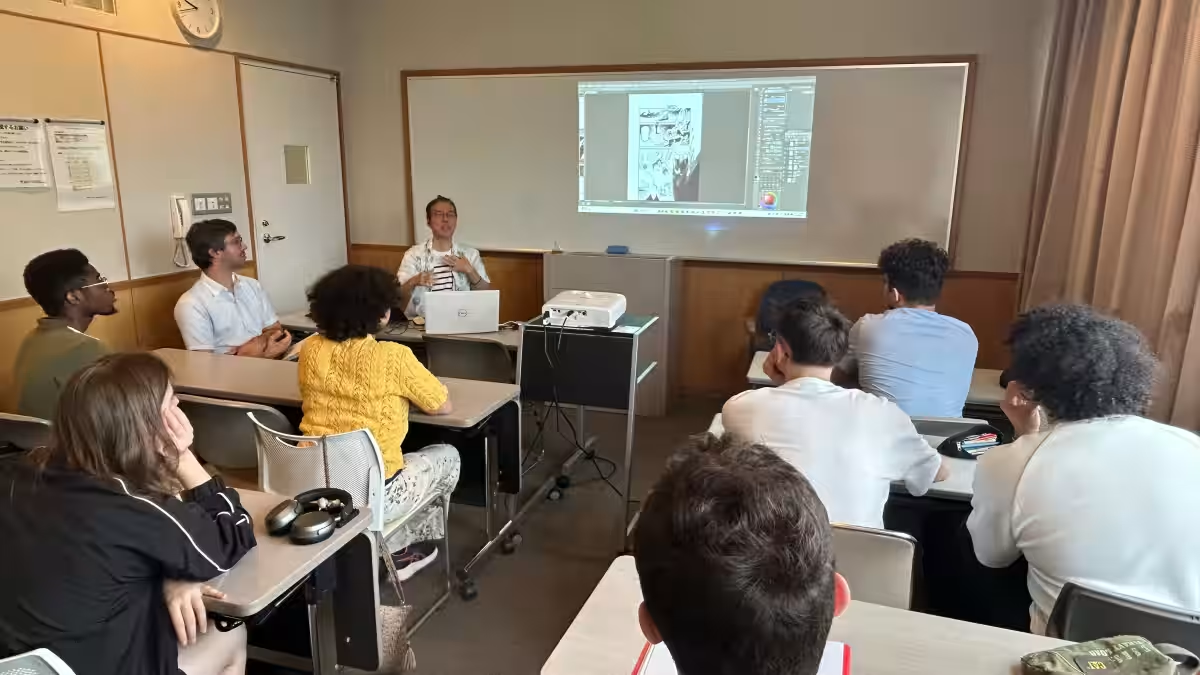
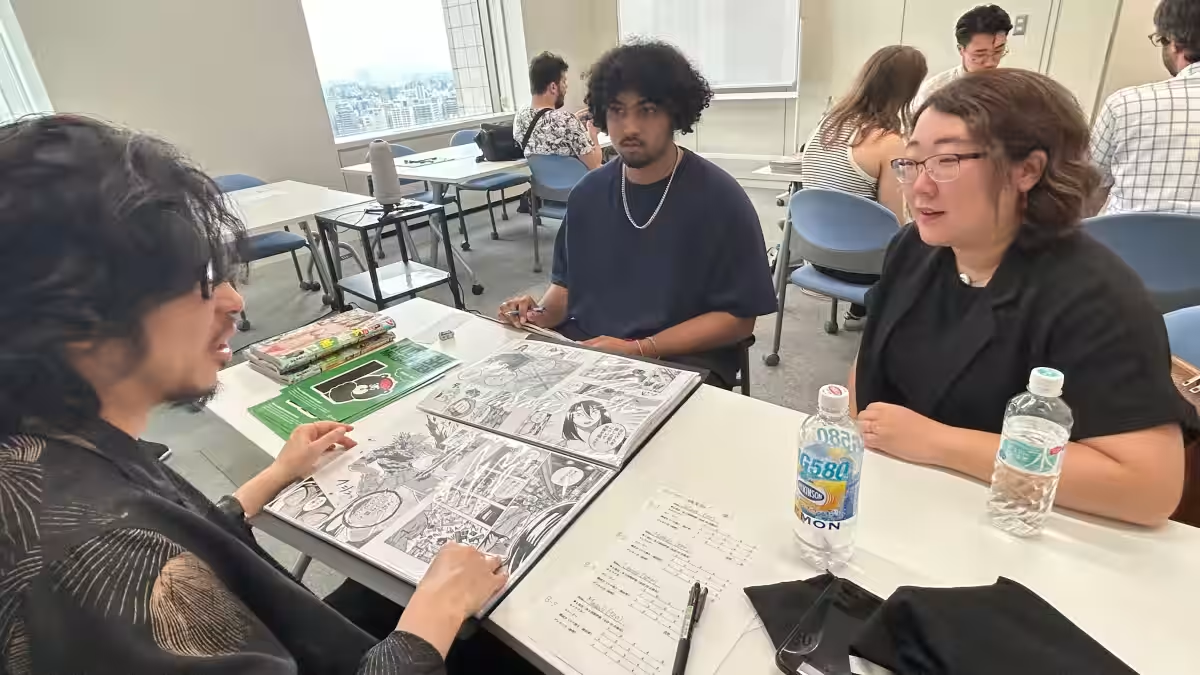
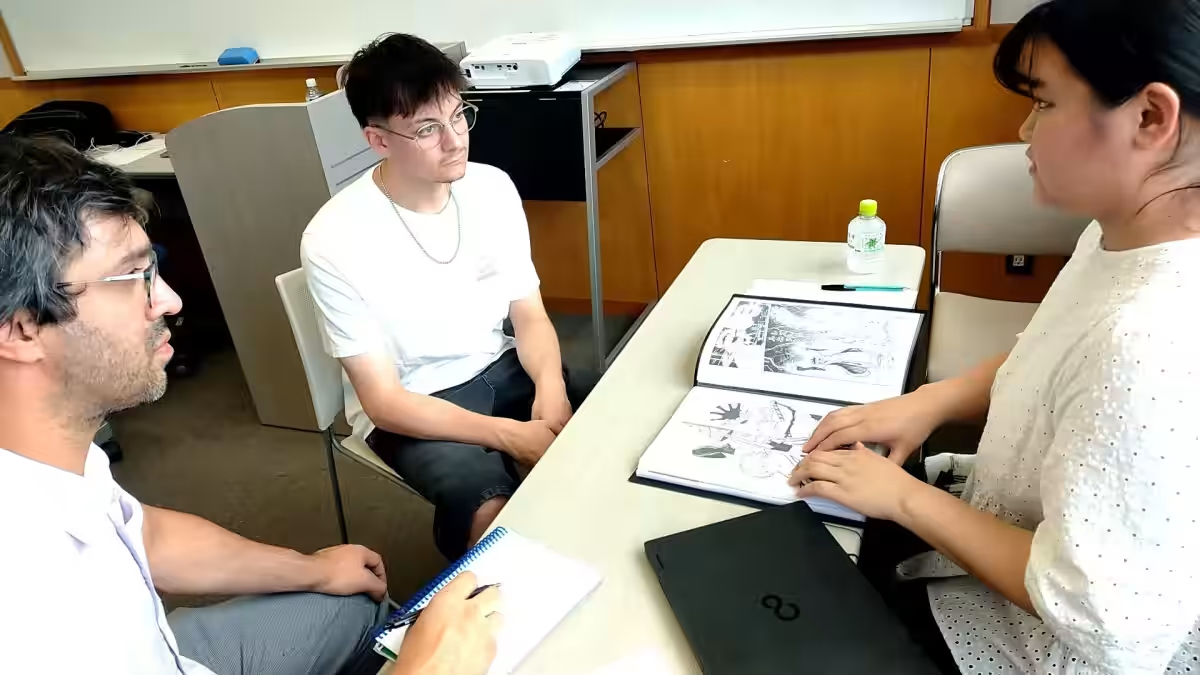
The itinerary was packed with learning opportunities, including lectures by professional manga artist Kenjiro Sakamoto, who was part of the educational team guiding the students. His insights into storytelling and artistic techniques were invaluable. Moreover, from July 13 onwards, the students participated in individual critiques led by renowned manga editors from various publishing houses. This process allowed them to receive professional-level feedback on aspects like character development, narrative structure, and engaging visuals. They thoroughly explored how to pitch their concepts effectively and represented their artistic voice in a way that resonates with both Japanese and international audiences.
Behind the Scenes: The Publishing Process
The manga industry in Japan is known for its accessibility for newcomers, where aspiring artists can directly approach editors with their work. Throughout the five-day journey, students had the chance to present their pieces and engage in animated discussions about storytelling elements and artistry.
Feedback from the editors highlighted the students' understanding of Japanese manga conventions. Comments included:
- - "It's fantastic to see how much you are influenced by Japanese manga; it's a testimony to your studies and a source of joy for us."
- - "The clarity in your work is impressive; working towards this will elevate your storytelling even further."
Such interactions were not only affirmations of their talent but also offered pathways for future professional relationships, potentially leading to future collaborations or internships.
Tangible Outcomes and Future Aspirations
The program’s structure rated student works across multiple criteria including character, story, and illustration, using a standard scoring system familiar from their studies in France. The aim was to mark a significant indicator of readiness to enter the professional world. Remarkably, the students left the program having earned evaluations equivalent to six potential business cards—a major milestone on their journey to becoming professional manga artists.
Moreover, two participants received internships with Kenjiro Sakamoto as assistants, providing them with insights into the professional manga creation process. Initiatives like these emphasize the importance of practical experience in conjunction with formal education.
Continuing the Legacy of Manga Education
Human Academy is committed to fostering international ties through practical art education, ensuring students have the necessary tools and opportunities to thrive as creators across borders. The program not only nurtures talent but also promotes a deeper understanding of different cultures through the universal language of art.
Kazumi Sune, the program supervisor and also a manga artist, emphasizes the importance of such programs for students who aspire to enter the manga industry: "Experiencing direct feedback from Japanese editors strengthens their creative expressions and elevates their storytelling perspectives. Our goal is to continue serving as a bridge between Japanese and international manga scenes."
The future looks bright for these students as they take the experiences of MANGA CAMP back to France, prepared to make their mark in the global manga landscape. The Human Academy remains committed to its role of nurturing and empowering the next generation of manga creators, thus ensuring that the art form continues to thrive internationally.

Topics Entertainment & Media)


【About Using Articles】
You can freely use the title and article content by linking to the page where the article is posted.
※ Images cannot be used.
【About Links】
Links are free to use.