




Understanding User Search Behavior in the Age of AI: Insights from Knowledge Holdings
Understanding User Search Behavior in the Age of AI: Insights from Knowledge Holdings
In today's digital landscape, understanding user behavior in search engines has become increasingly complex, especially with the rapid rise of AI-powered search tools such as ChatGPT and Perplexity. Knowledge Holdings, headquartered in Tokyo, conducted a survey involving 315 individuals aged between their teens and fifties to uncover current search behavior and information-gathering practices. The results provide essential insights for those involved in SEO and content marketing strategies.
Survey Overview
- - Target Group: Men and women across Japan aged between 10 to 50 years old.
- - Valid Responses: 315 participants.
- - Survey Period: Conducted in May 2026.
- - Methodology: Online questionnaire.
- - Demographics: 52.4% male and 47.6% female, with the majority being employed (45.0%).
Key Findings
Site Selection Process
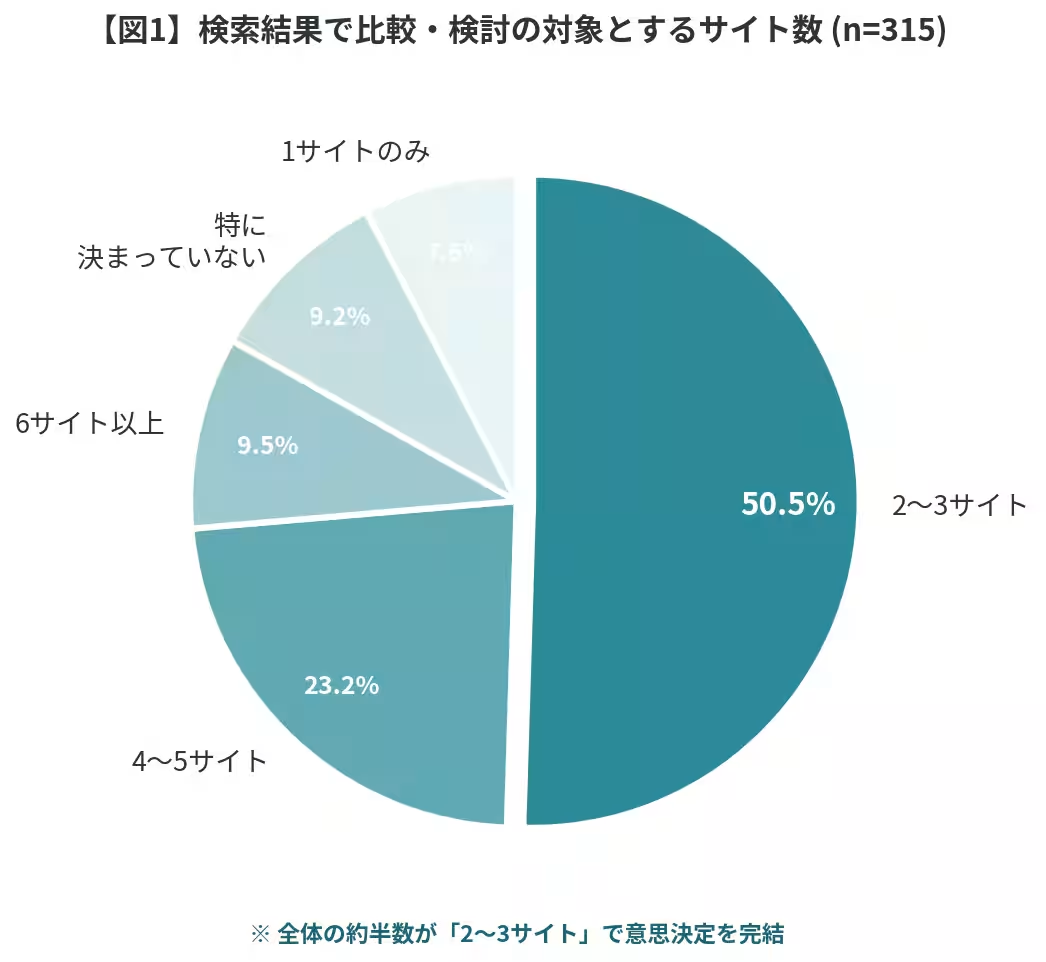
The survey revealed that 50.48% of respondents typically consider 2 to 3 sites when making decisions based on search results. When combined with those who only consider 1 site, about 60% finalize their choices from the top 3-4 results. This suggests a general reluctance to venture beyond a few selected sources as users tend to fear information bias from a narrow viewpoint, while also recognizing the lengthy time investment required to analyze multiple listings.
Impressions of Top Sites
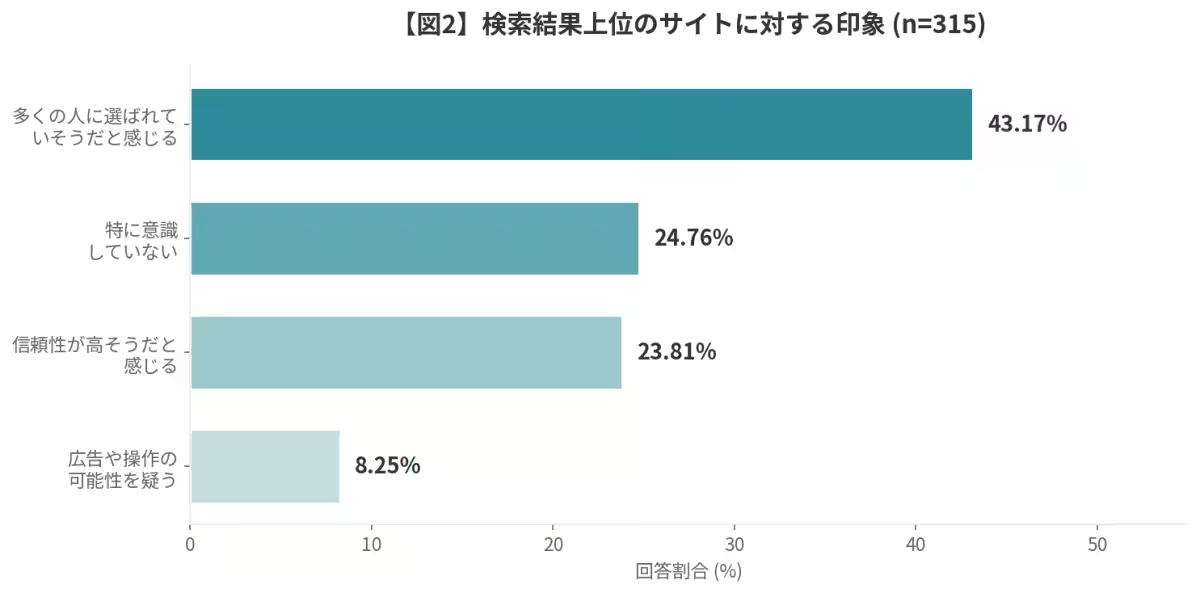
When asked about their impressions of higher-ranked sites, 43.17% reported feeling these were likely popular and chosen by many, while 23.81% found them credible. This positive perception of rankings emphasizes the intertwined relationship between site popularity and perceived trustworthiness. However, an awareness of possible advertising practices also exists, with 8.25% expressing skepticism.
Post-AI Search Behavior
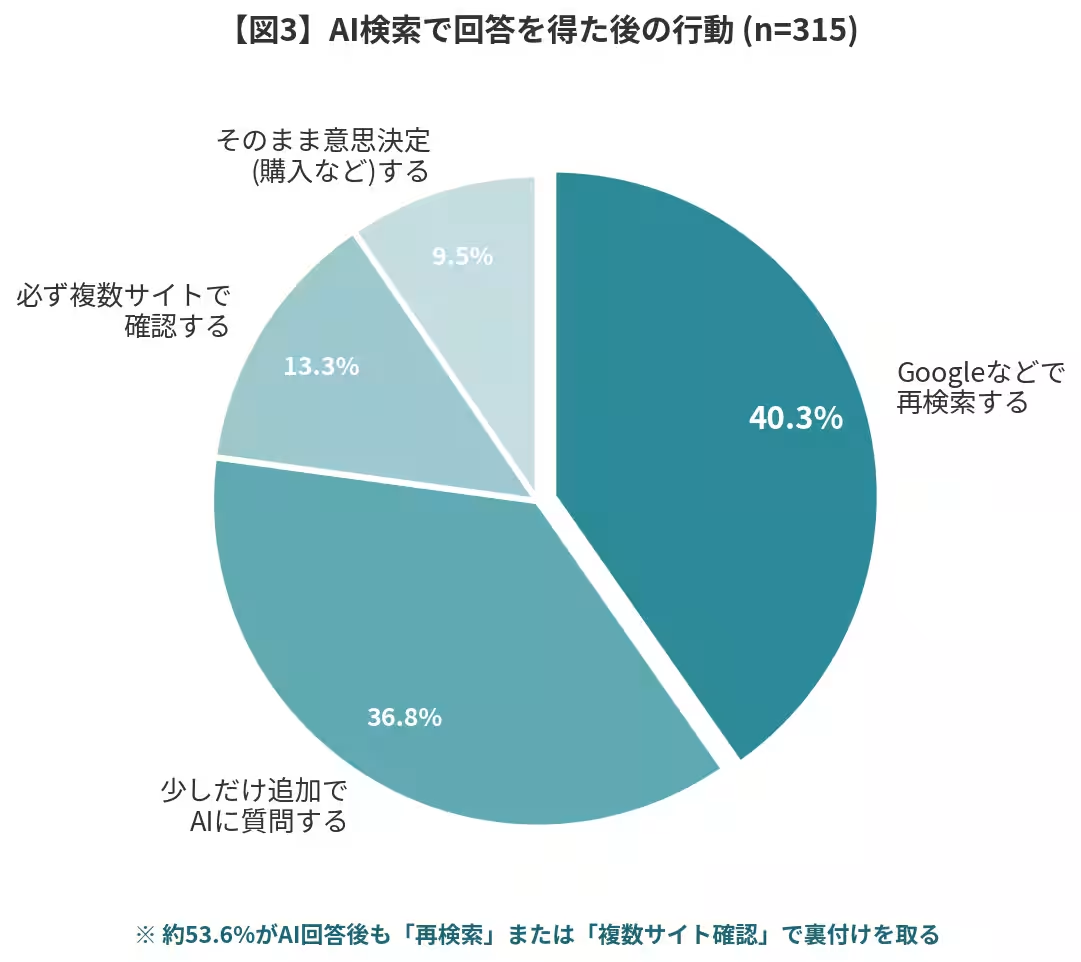
Following an AI search, 40.32% of participants indicated they would conduct a secondary search on Google, and 13.33% would check multiple sites for confirmation. This behavior indicates that nearly half of users are not solely relying on AI-generated answers, instead opting for traditional search engines to validate information.
Decreased Engagement with Search Results
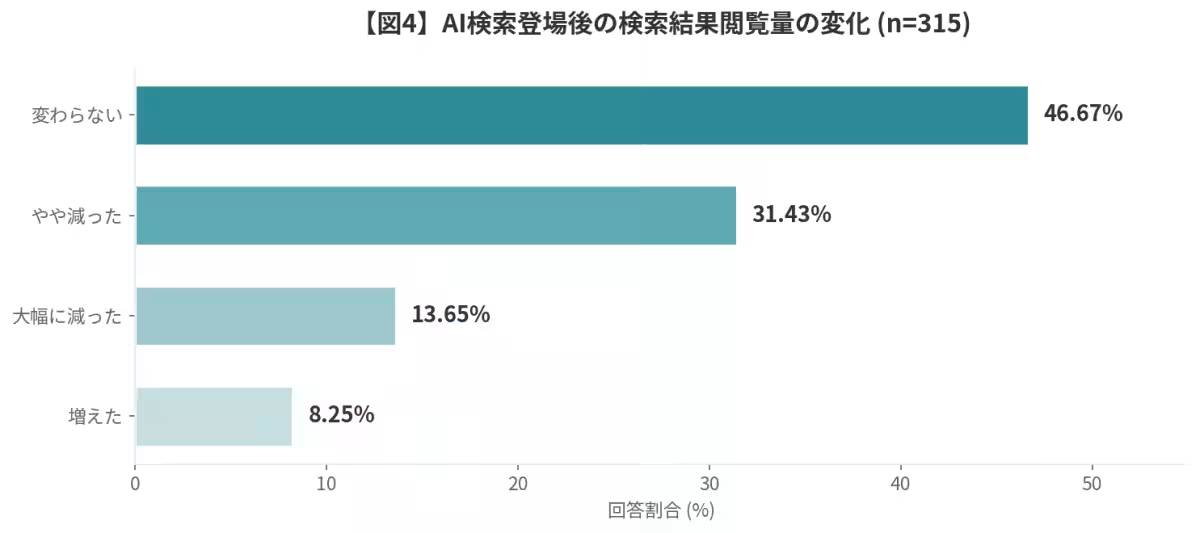
The introduction of AI search has led to a noticeable reduction in users’ engagement with search results, with approximately 45% reporting they view fewer results post-AI integration. This trend suggests a shifting preference towards AI for simpler queries, diminishing the role of traditional search engines for straightforward informational needs.
Consumer Attitudes
The survey insights also highlighted a prevalent consumer mindset, with 43.2% of respondents identifying themselves as

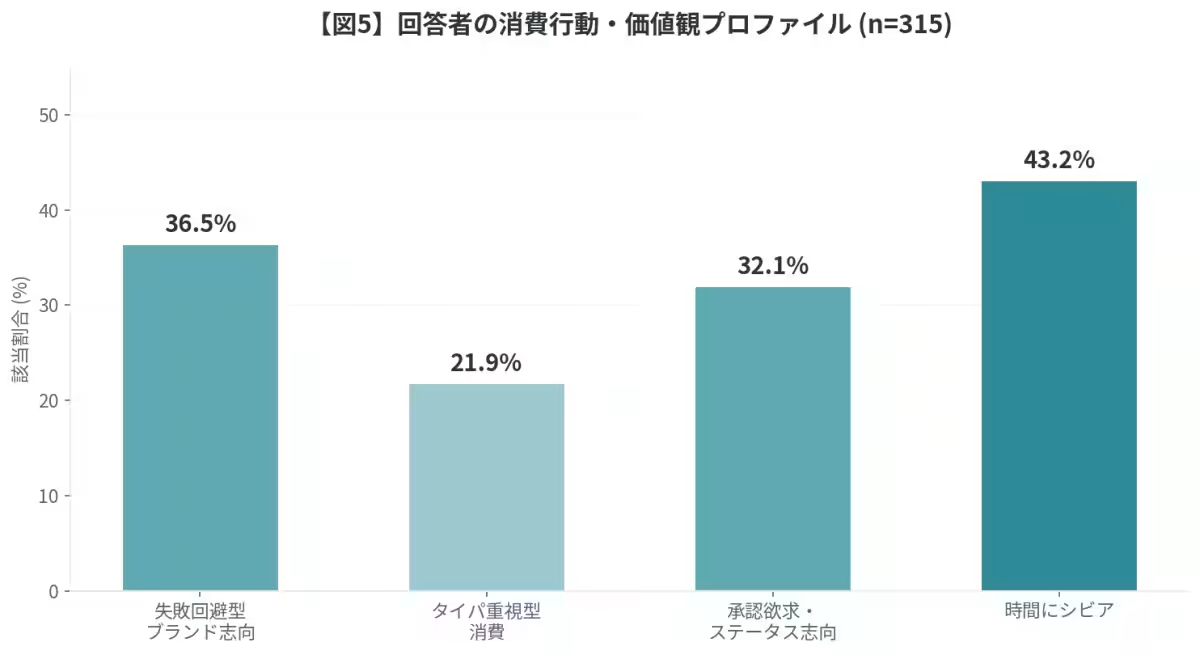
Topics Consumer Technology)
【About Using Articles】
You can freely use the title and article content by linking to the page where the article is posted.
※ Images cannot be used.
【About Links】
Links are free to use.