




The Impact of Generative AI on Job Seekers' Career Choices and Company Recognition
The Transformative Role of Generative AI in Job Hunting
In a groundbreaking study conducted by PLAN-B Marketing Partners, it was discovered that a remarkable 70% of students engaged in job hunting are actively utilizing generative AI technologies. This survey, focused on students graduating between 2025 and 2027 and entry-level professionals, sheds light on how AI tools like ChatGPT are reshaping the landscape of job searches and decisions.
Overview of the Survey
The investigation aimed to understand how generative AI influences job readiness and company selections among college students and new professionals. The findings showed that 62.1% of the respondents became aware of several companies through AI recommendations, while 52.9% reported that AI significantly influenced their decision-making processes regarding application choices.
Research Design
- - Research Title: The Utilization and Impact of Generative AI on Job Seekers
- - Duration: December 18 to December 25, 2025
- - Participants: 380 students and one-year working professionals from across the nation
- - Methodology: Online questionnaires via Freeasy
This research addresses a timely issue in an era where generative AI has become an integral tool for information gathering and decision-making.
Insights from the Survey
The study categorizes the responses indicating the extent of AI's involvement:
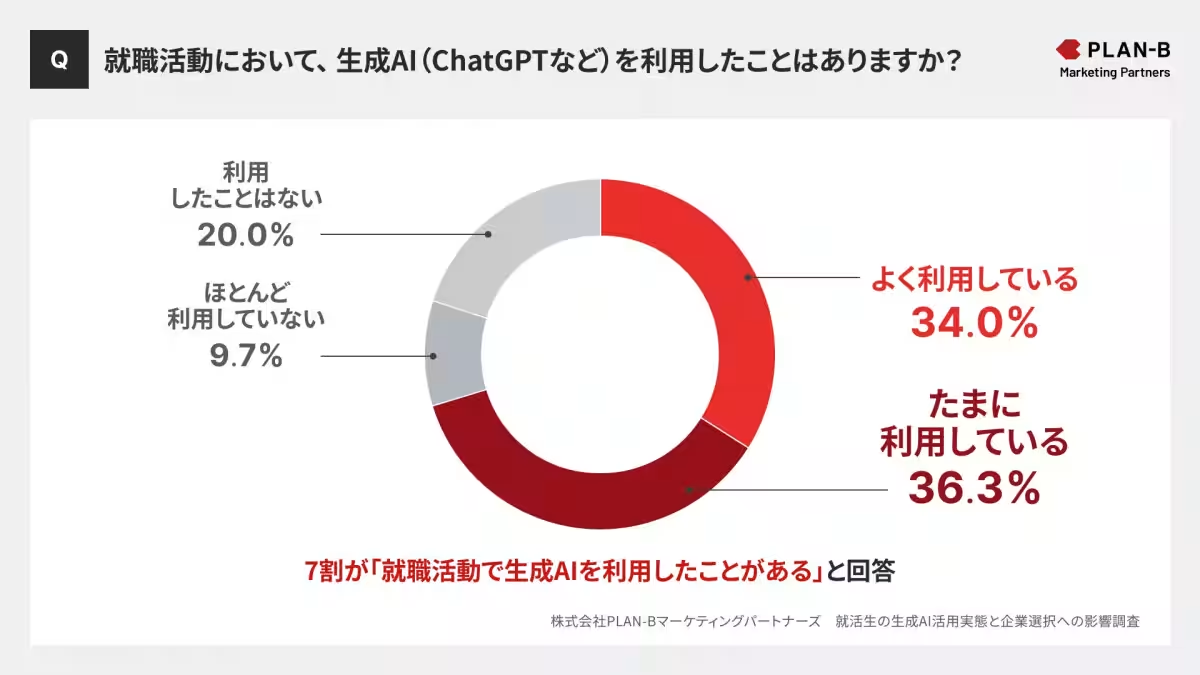
- - Frequent Use of AI Tools: 34% reported they 'regularly use' AI, while 36.3% stated they 'occasionally use' it, summing up to an impressive 70.3%. Despite this high engagement, 20% admitted to never having used AI in their job search, highlighting a gap in AI adaptation across different job seekers.
Analysis by Industry
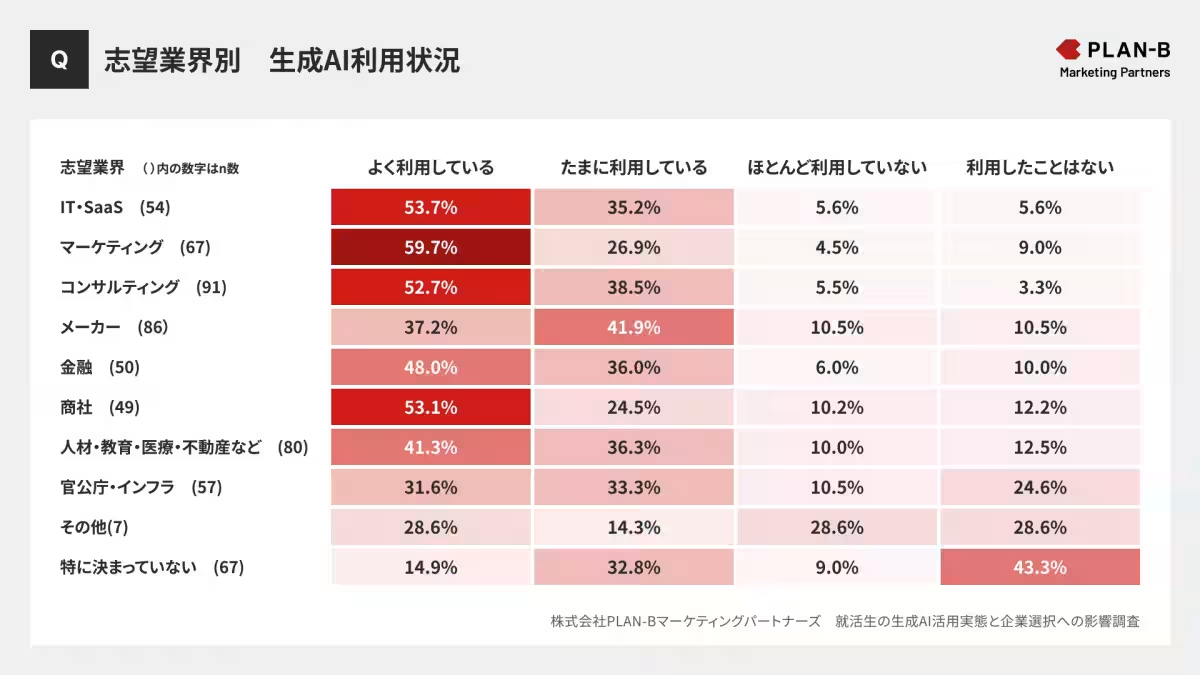
Further analysis surrounding the preferred industries revealed that students aiming for careers in IT, SaaS, marketing, consulting, and trading houses utilized AI more than their counterparts aiming for public service or infrastructure roles. Notably, those unsure about their industry choices showed a higher percentage of non-use, indicating that a lack of direction might prevent the adoption of AI tools.
Purposes Behind Using AI
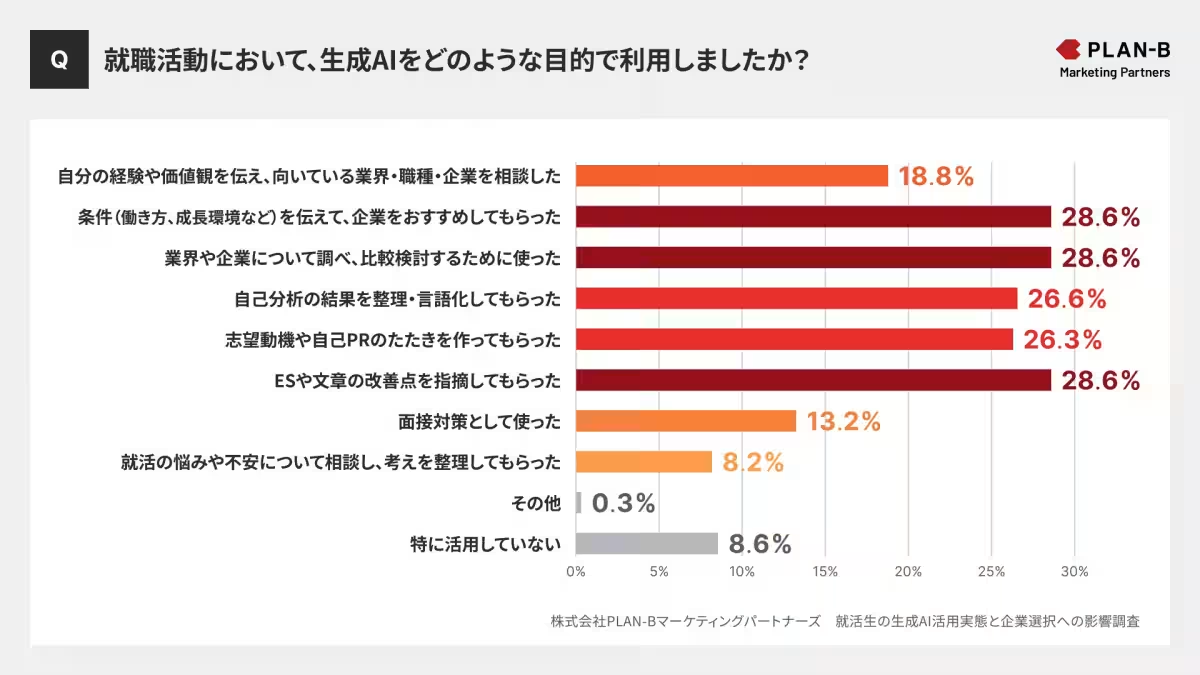
Upon inquiry regarding the motives for utilizing generative AI, multiple usage scenarios emerged:
- - Recommendations based on provided conditions (28.6%)
- - Researching and comparing industries and companies (28.6%)
- - Receiving feedback on application essays and documents (28.6%)
- - Assisting with self-analysis results (26.6%)
- - Drafting motivations and personal statements (26.3%)
This shows a diverse range of applications, emphasizing the utility of AI across selecting companies to writing applications. Additionally, generative AI is notably acting as a decision-support tool in job searches.
Uncovering New Companies
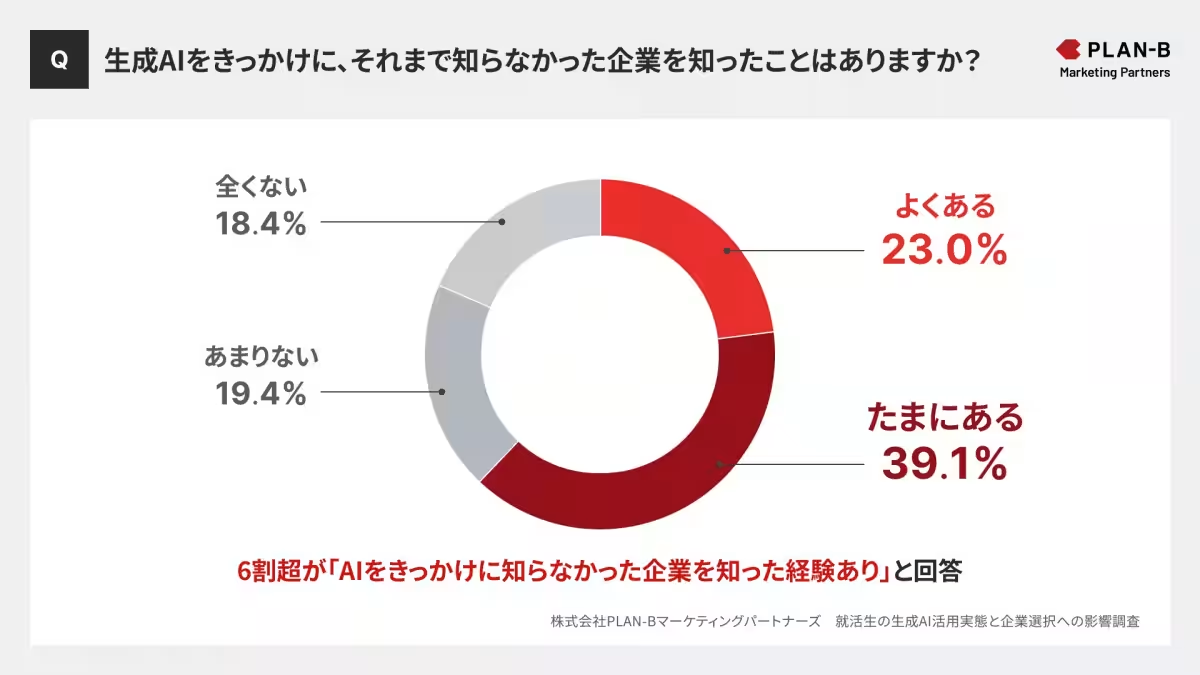
The survey further explored whether generative AI had helped discover previously unknown companies. A notable 62.1% of participants either frequently or occasionally came across new firms due to AI, highlighting its role in creating novel matchmaking opportunities between candidates and employers.
Actions Taken Based on AI Recommendations
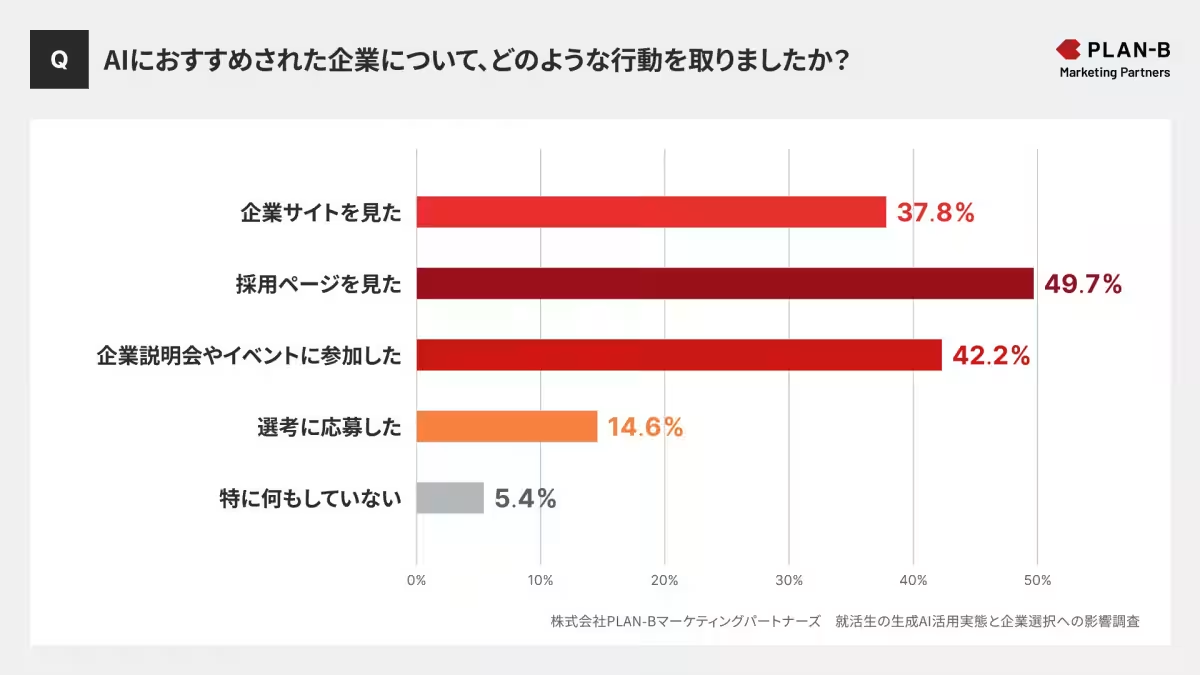
Approximately 42.2% of job seekers attended company events recommended by AI, reflecting a strong correlation between AI suggestions and proactive involvement in job applications. Other actions included visiting company sites (49.7%) and applying for positions (14.6%). This points toward the AI's capability to provide personalized recommendations, leading to actionable outcomes.
AI's Influence on Decision-Making
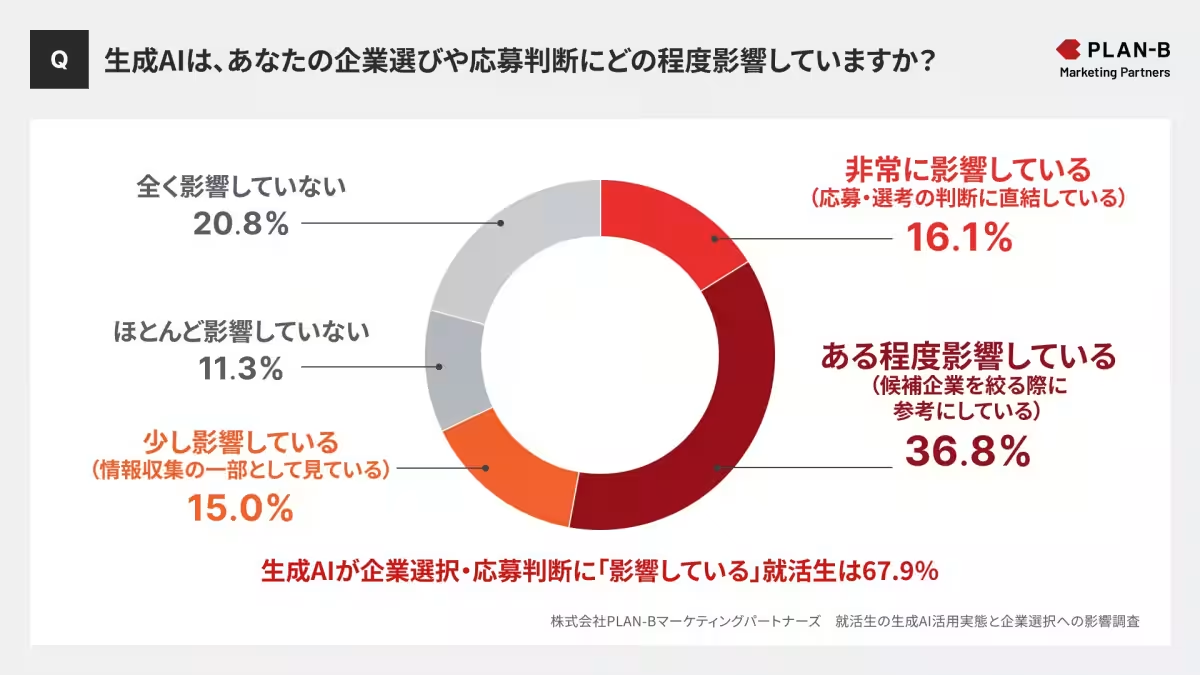
The survey also revealed that 67.9% of respondents acknowledged that AI significantly impacted their job selection and application decisions. This statistic reinforces the idea that generative AI is not only a tool for knowledge acquisition but is also pivotal in the decision-making stages of job hunting.
Effective Queries to AI
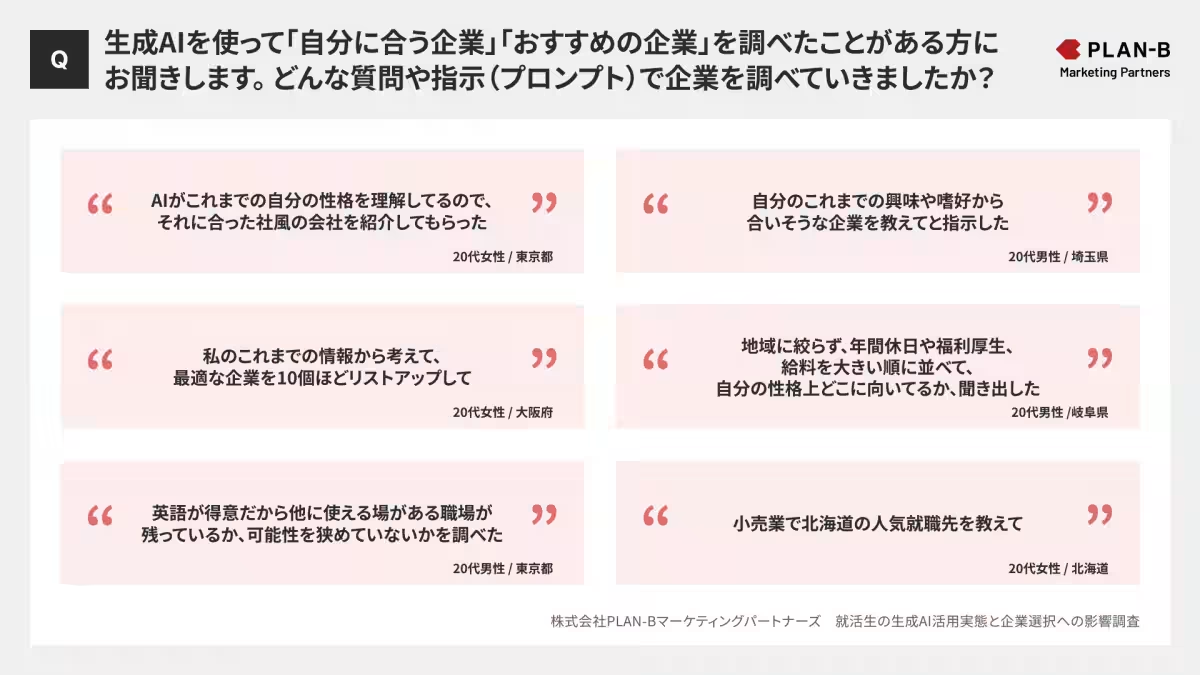
Among those who consulted AI for tailored company suggestions, many emphasized providing comprehensive details about their values, experiences, and desired working conditions. This personalized approach yielded adept recommendations, suggesting that students leverage AI as a trusted advisor rather than a mere search tool.
Conclusion
The insights gained from this survey reflect an undeniable trend: generative AI is revolutionizing how job seekers approach their career decisions, shaping both their perspectives on potential employers and their application strategies. As students become increasingly reliant on these technologies, companies must remain cognizant of their digital presence and the way they are represented through generative AI platforms. This could signify a shift in recruitment strategies, urging organizations to refine both their online profiles and how they communicate their brand to attract budding talent effectively.



Topics Business Technology)

【About Using Articles】
You can freely use the title and article content by linking to the page where the article is posted.
※ Images cannot be used.
【About Links】
Links are free to use.