



Revitalizing a School in Iwate: A Next-Gen Wasabi Farm Using AI
Revitalizing a School in Iwate: A Next-Gen Wasabi Farm Using AI
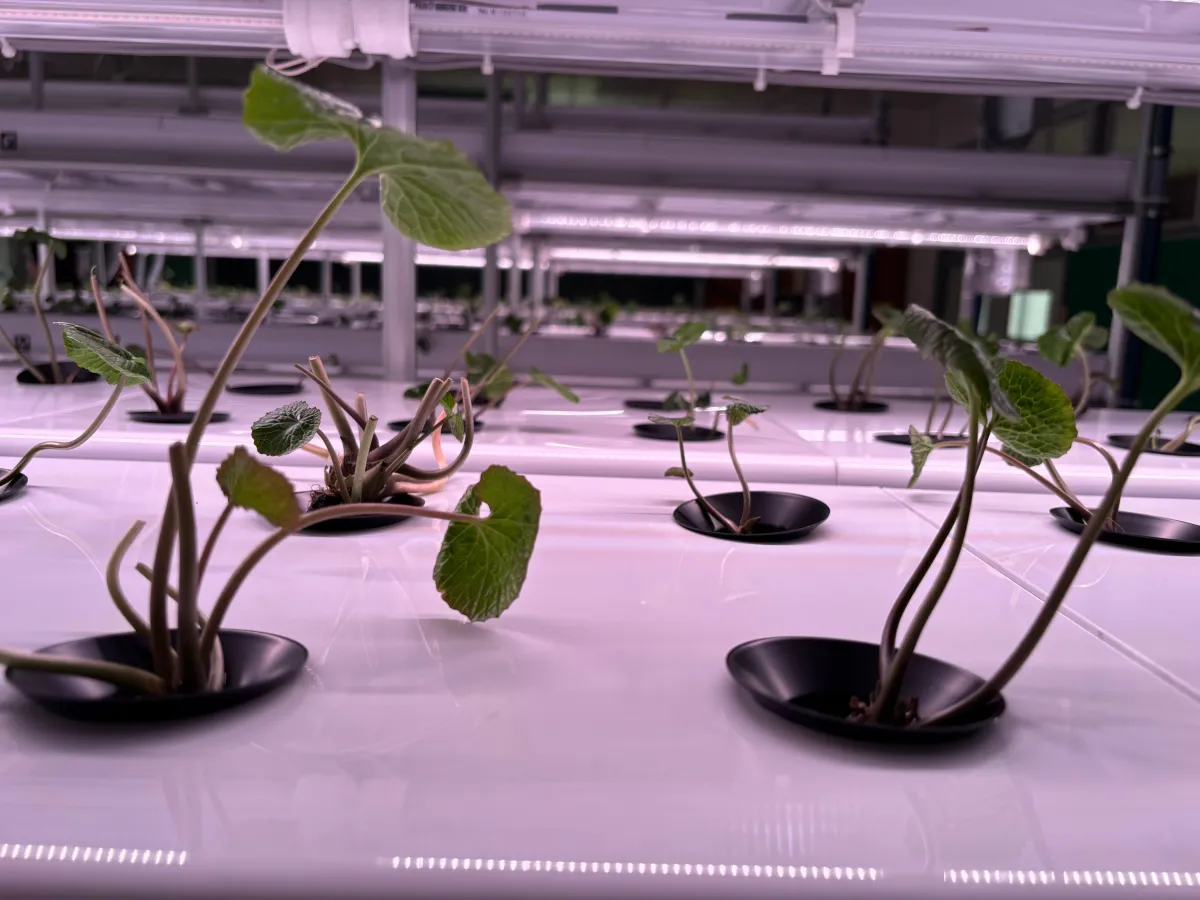
In a pioneering effort in the Tohoku region, an agri-tech company named NEXTAGE has launched an innovative AI-powered wasabi farm at a repurposed school in Shiwa, Iwate Prefecture, marking a significant milestone. This initiative collaborates with SBI Smart Energy, a company focusing on renewable energy. Together, they have introduced Japan's first built-in wasabi cultivation module at the former Katayose Elementary School, aiming to create a sustainable agricultural model that blends advanced farming technology with renewable energy.
Project Background
The Miyamori area in Tono City, located in Iwate Prefecture, has been historically known for its wasabi farming. However, recent years have brought challenges such as climate change, making stable cultivation increasingly difficult due to fluctuations in water temperature and environmental conditions. In response to these challenges, NEXTAGE has developed an indoor wasabi cultivation technique that utilizes advanced control systems powered by IoT and AI. This innovative setup allows for consistent production year-round, free from external environmental influences.
Key Features of the Initiative
1. Utilization of a Closed School
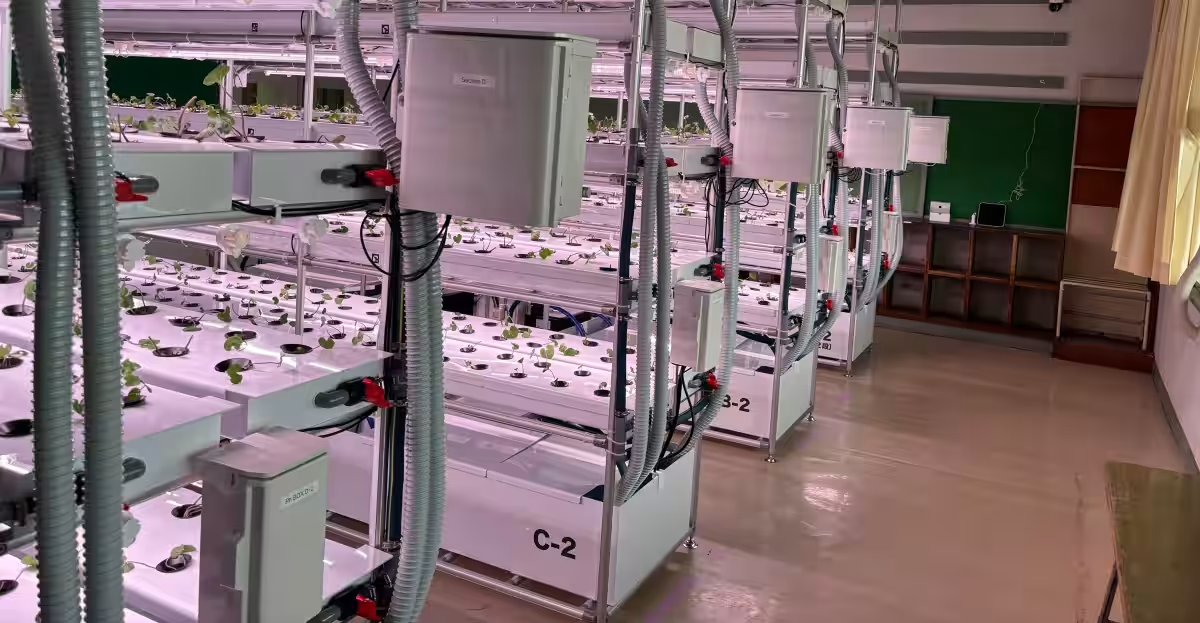
The project takes advantage of the old Katayose Elementary School in Shiwa, breathing new life into dormant community resources and creating a unique industrial value in the region.
2. Utilization of Renewable Energy
The farm will operate on electricity sourced from renewable energy, primarily solar power supplied by SBI Smart Energy, achieving a local and sustainable energy ecosystem for agricultural production.
3. Introduction of Built-in Modules (NEXTAGE's First)
The newly implemented built-in modules are designed to optimize existing structures, providing superior space efficiency and scalability compared to traditional container forms, which greatly enhances the agricultural setup.
4. Smart Cultivation with IoT and AI
This facility will monitor and control temperature, water quality, and light levels in real-time, ensuring the optimal growth of wasabi. This innovative approach minimizes reliance on traditional farming experience, allowing for a consistent cultivation outcome.
5. Addressing Increasing Global Demand and Domestic Supply Challenges
The international popularity of Japanese cuisine has led to a growing need for wasabi, particularly overseas. However, Japan faces challenges in production due to a declining number of farmers and the adverse effects of climate change, resulting in a downward trend in supply. This initiative is expected to become a new model for stable domestic production, addressing the supply gap while also enhancing export capabilities.
Significance as a Circular Agricultural Model
This project is noteworthy for its combination of:
- - Repurposing of dormant assets (the closed school).
- - Local utilization of renewable energy.
- - Creation of high-value agricultural practices.
It serves as a pioneering model for revitalizing the local economy and ensuring ecological sustainability. The development of this project falls under the framework of the “Shiwa Town Property Utilization Project,” selected by SBI Smart Energy.
Comments from the Leaders
Takashi Kawahara, President of SBI Smart Energy:
"Our company has been working towards the realization of a decarbonized society through the promotion of renewable energy. This project represents an effort to directly connect that electricity to a new local industry. Utilizing closed schools as community resources for agricultural production powered by renewable energy embodies our pursuit of environmental and economic values. We will continue to collaborate with local stakeholders to contribute to a sustainable society."
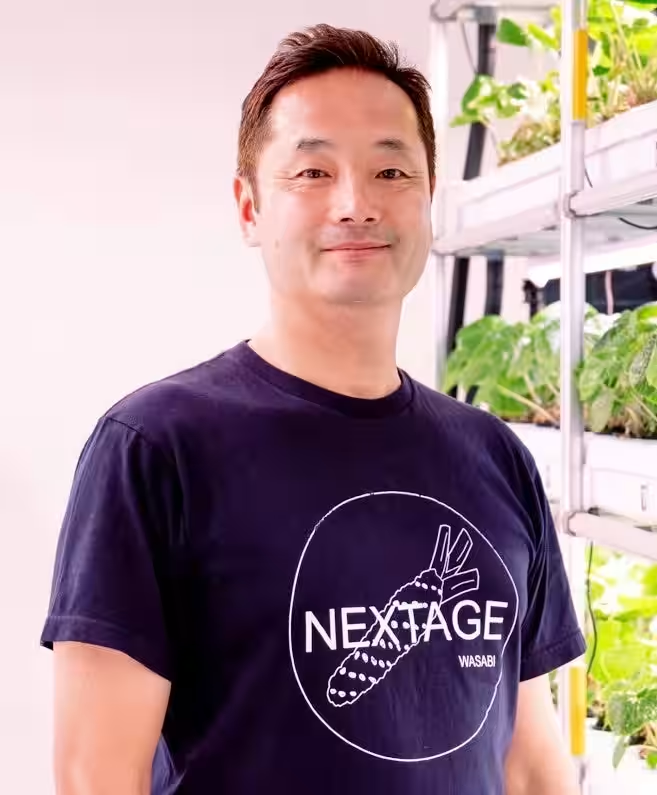
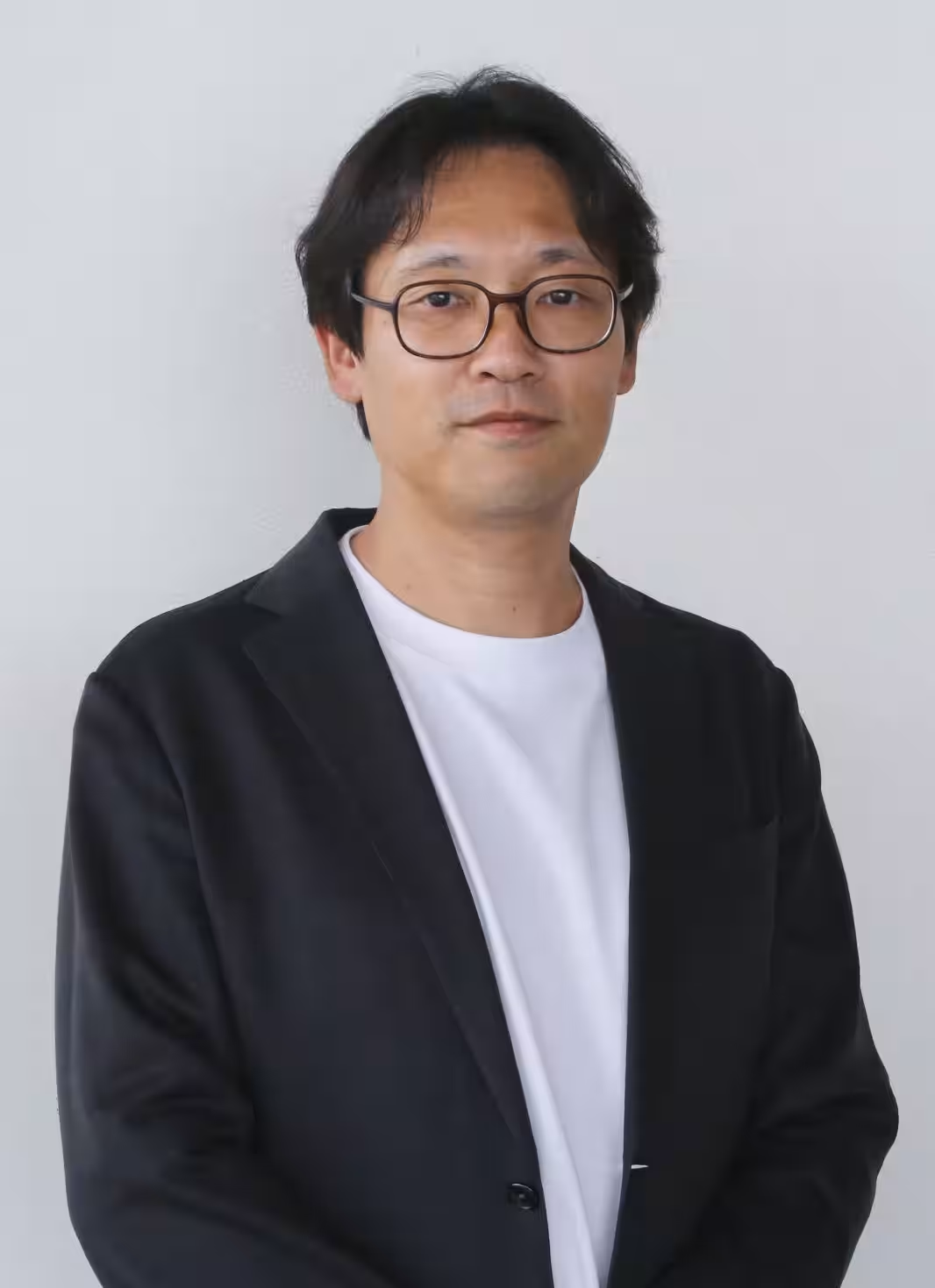
Takuya Nakamura, CEO of NEXTAGE:
"The increasing number of closed schools and idle facilities nationwide presents both a challenge and an opportunity for local communities. This project has successfully transformed agricultural technology into a concrete industry by combining renewable energy and farming solutions. While wasabi traditionally depends on a delicate environmental balance, our technology allows us to transcend these limitations and establish stable supply lines. We aim to expand this model across the nation, contributing to sustainable industrial growth by leveraging local resources."
NEXTAGE Company Overview
Company Name
NEXTAGE Co., Ltd.
Headquarters
Registered in Tokyo, Meguro-ku, Yutenji 2-13-4, POINTLINE YUTENJI 5F
Branches
Shizuoka R&D Center: Yaizu, Shizuoka Prefecture
Establishment
January 2018
Capital
100 million yen
Website
https://nextagecorp.com/
Social Media
Instagram: Wasabi NEXTAGE
YouTube: Wasabi NEXTAGE
X: Wasabi NEXTAGE
This innovative project exemplifies how the convergence of technology and agriculture can generate sustainable practices, benefiting local economies and preserving environmental values.
Topics Consumer Products & Retail)


【About Using Articles】
You can freely use the title and article content by linking to the page where the article is posted.
※ Images cannot be used.
【About Links】
Links are free to use.