



New Insights Reveal Japanese English Conversation Skills Stuck at Basic Level
The State of English Conversation Skills in Japan
In July 2025, Aeon Co., a leading English conversation school based in Shinjuku, Tokyo, conducted a national survey involving 1,000 individuals aged 16 to 69 concerning their English conversation abilities. The survey revealed significant insights into the current status of English conversation skills among the Japanese population, highlighting several critical challenges that learners face.
Overview of the Study
With the rising demand for inbound tourism and globalization, acquiring practical English conversation skills has never been more essential. Understanding where Japanese learners struggle and what support they need is key. Aeon's survey aimed to shed light on the actual English conversation skills of Japanese people, the difficulties they encounter, and their future needs.
Key Findings
1. Majority of Japanese People at Basic Conversational Level
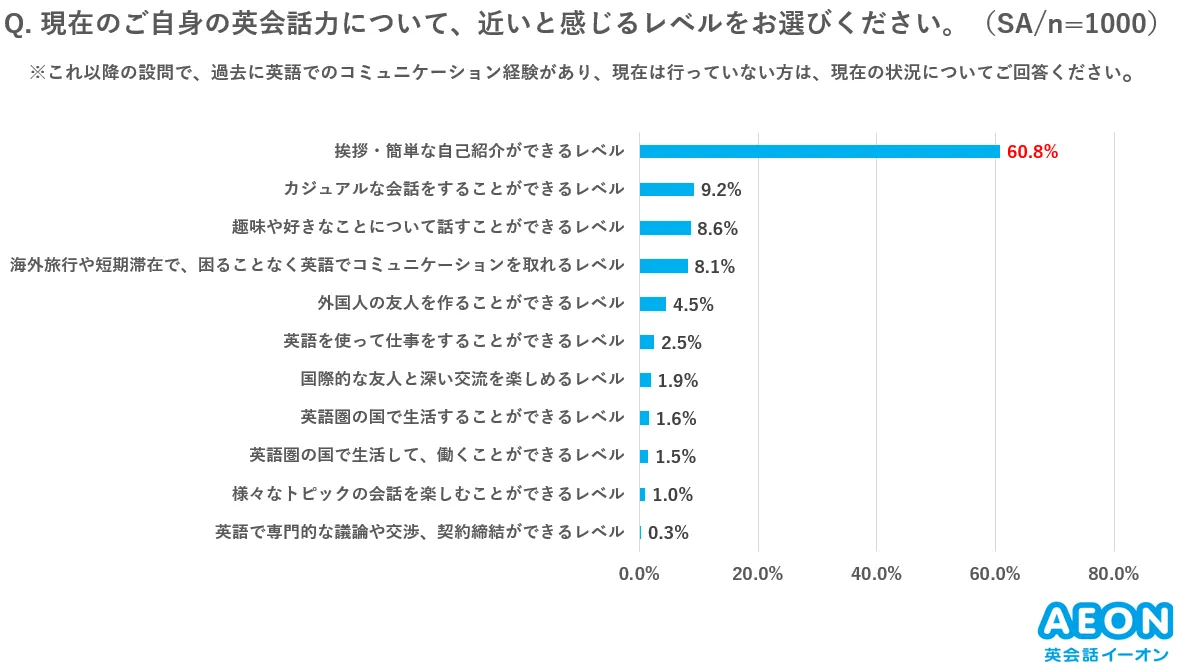
More than 60% of the respondents reported their English conversation ability is limited to "basic greetings and self-introductions." Only a small percentage, 9.2%, felt competent in casual conversations, while 8.6% thought they could discuss personal hobbies or interests. This indicates a gap between foundational English skills and the system necessary for practical, real-world communication, particularly in business settings.
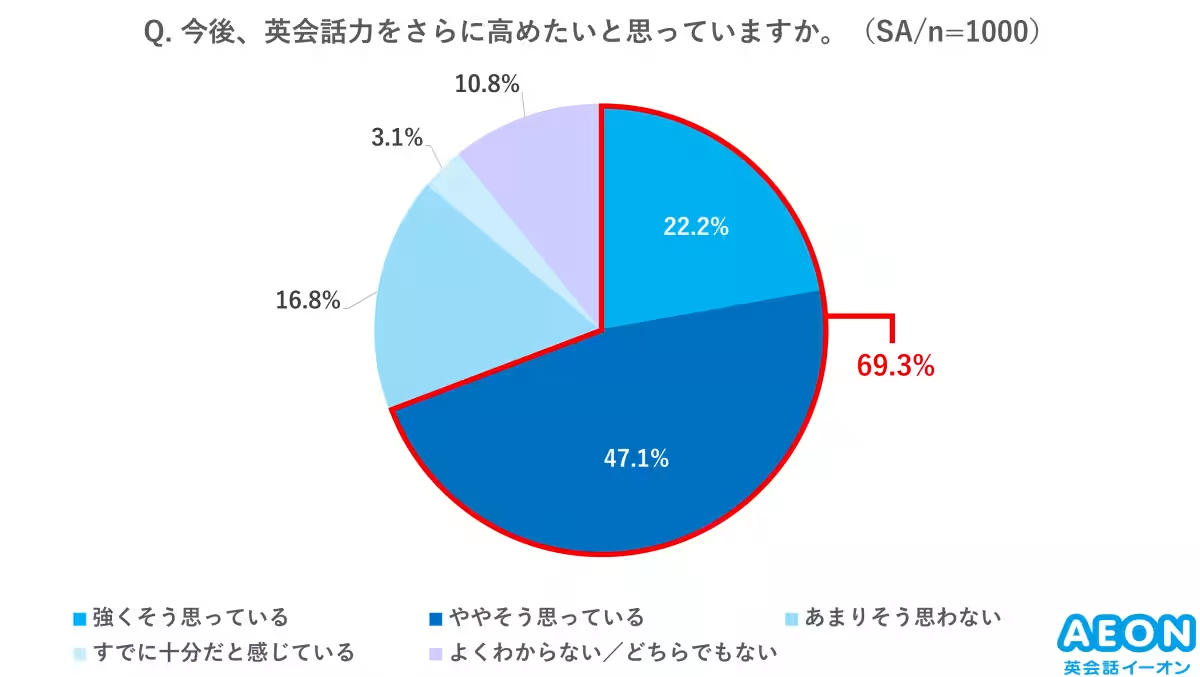
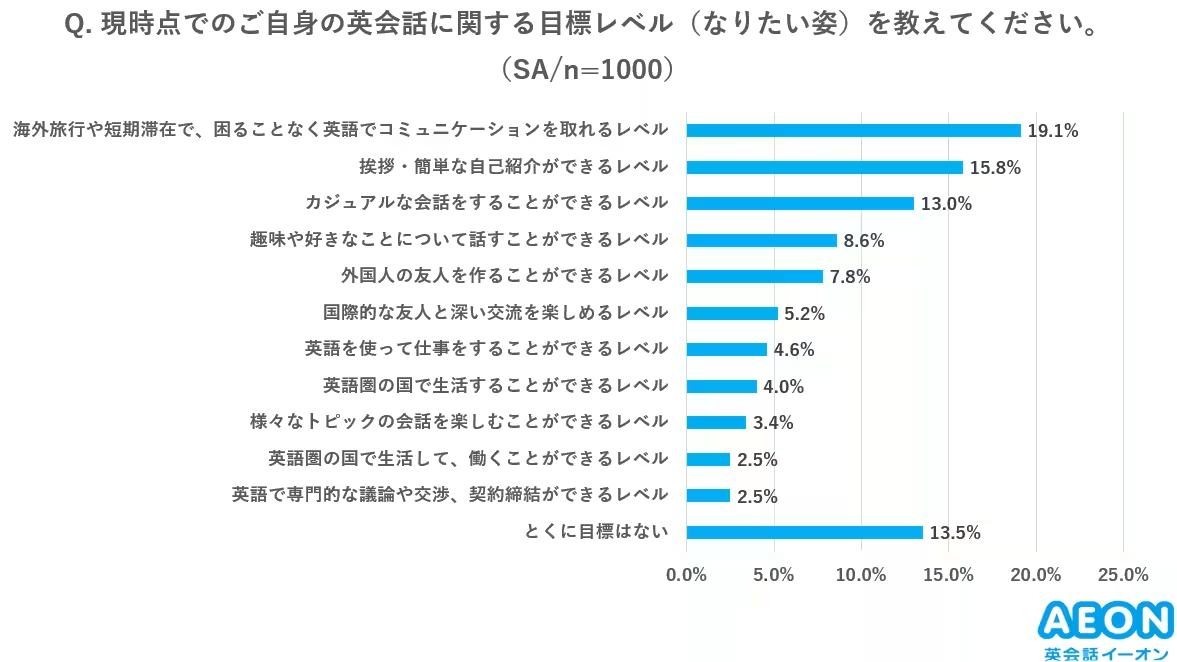
Approximately 70% of participants expressed a desire to enhance their English conversation skills, aiming for a level where they can communicate comfortably while traveling abroad or during short stays.
2. Lack of Confidence and Real-World Practice
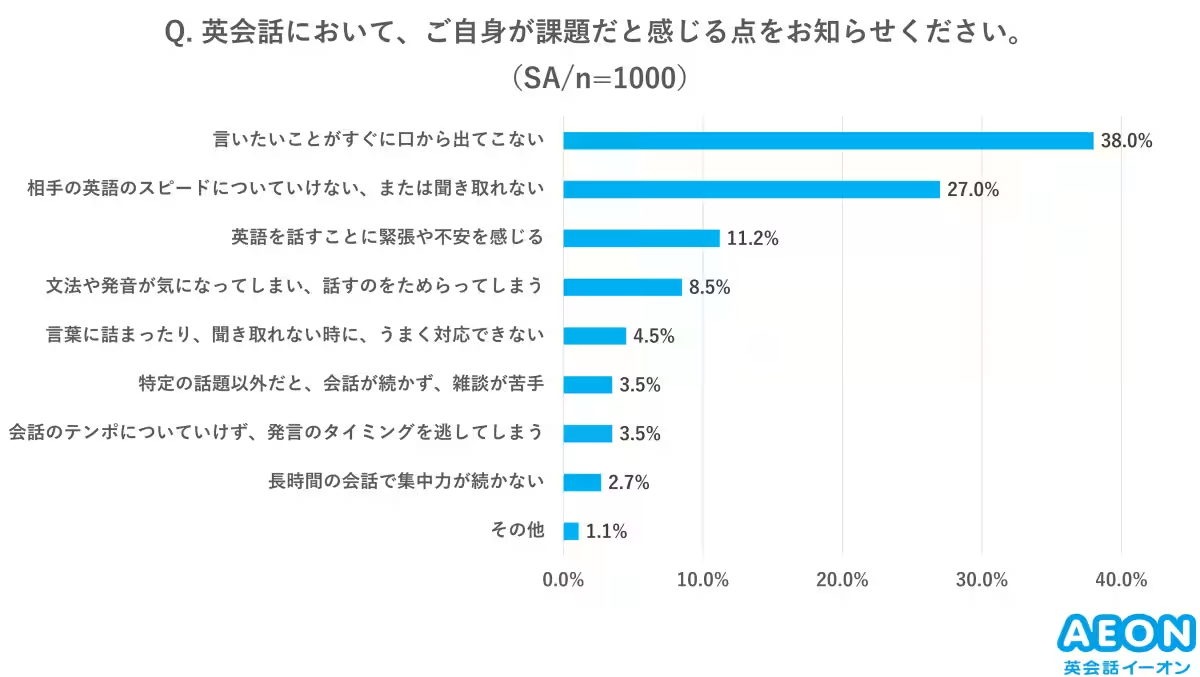
The survey identified several areas where respondents encountered challenges:
- - Difficulty Expressing Themselves: 38% admitted they struggle to articulate their thoughts promptly.
- - Difficulty Understanding Others: 27% found it hard to keep pace with native speakers.
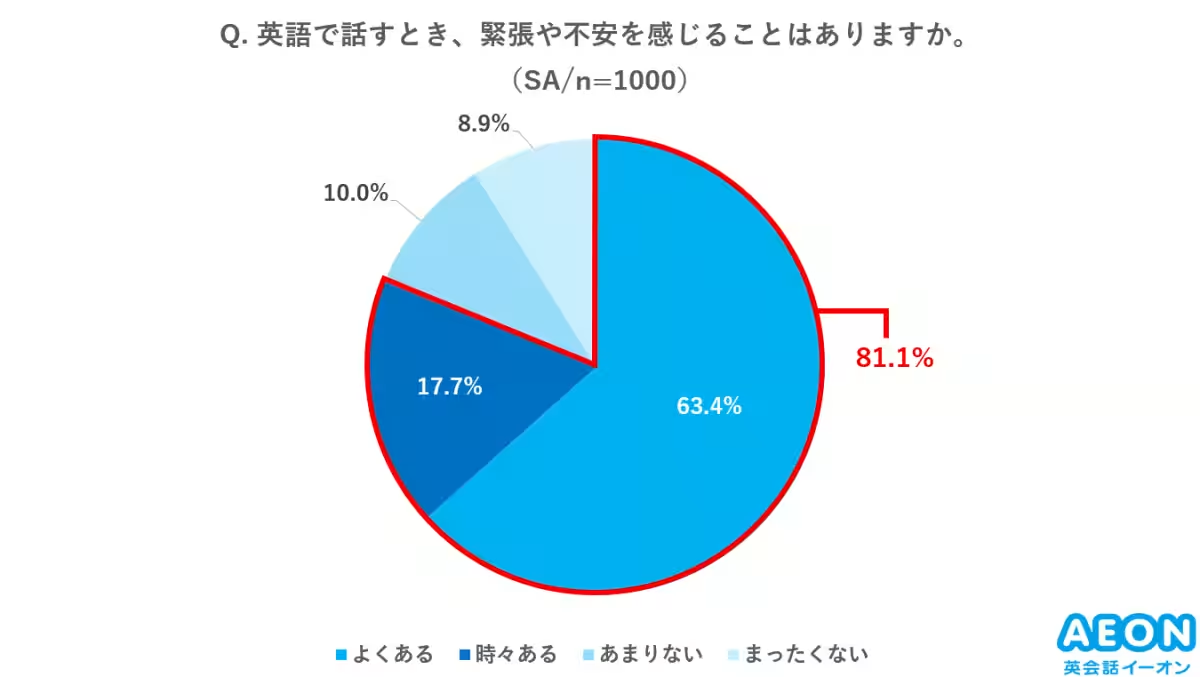
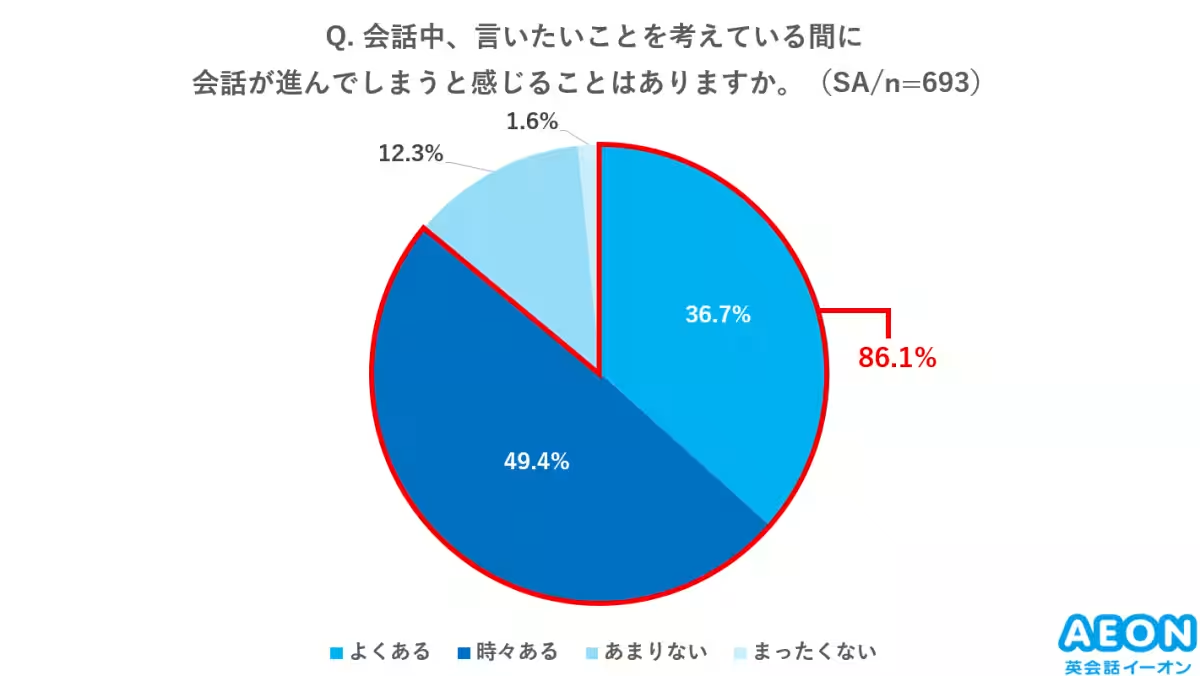
- - Anxiety During Speaking: Over 11% reported feeling nervous or anxious when speaking English, with many indicating that the conversation often moves on before they can respond.
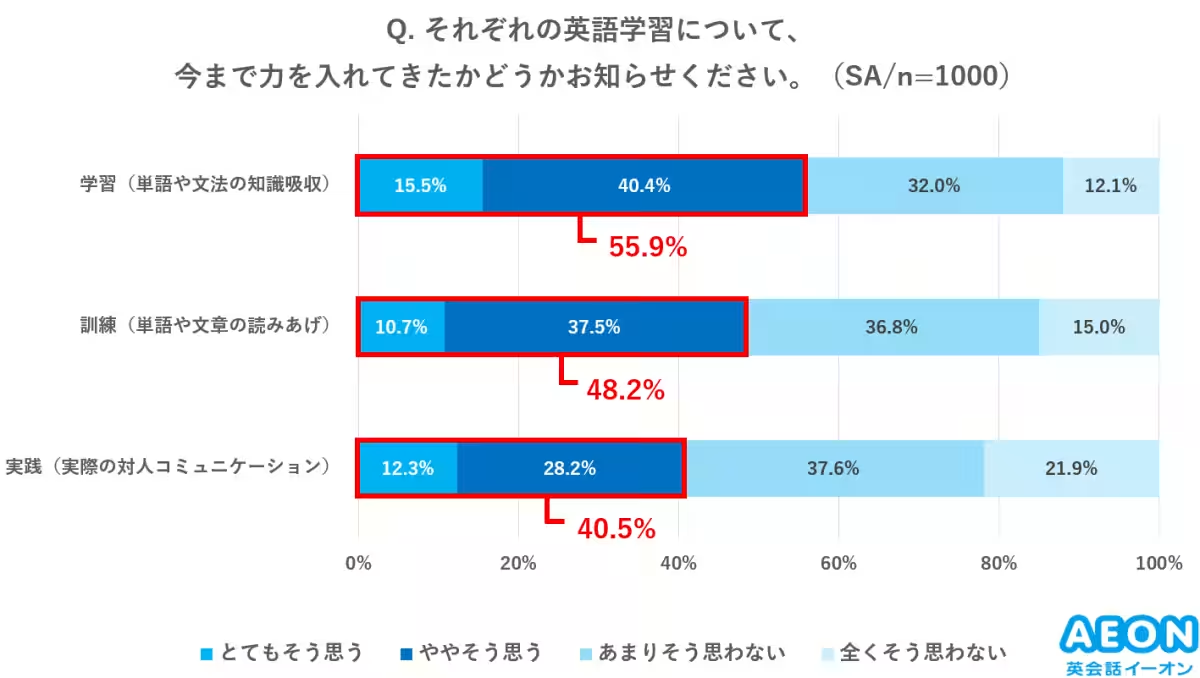
These findings highlight a notable absence of practical communication experience among Japanese learners. Around 60% prioritized learning vocabulary and grammar, while only 40.5% focused on real-life conversations, suggesting that many learners focus more on knowledge input than practical output.
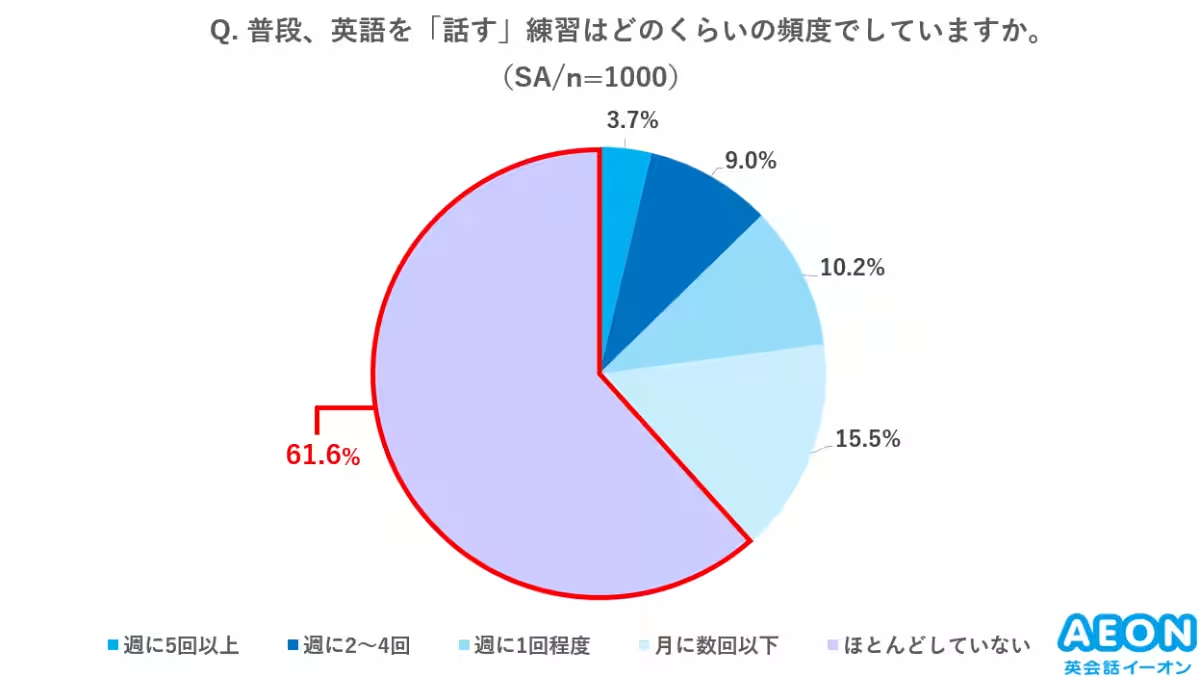
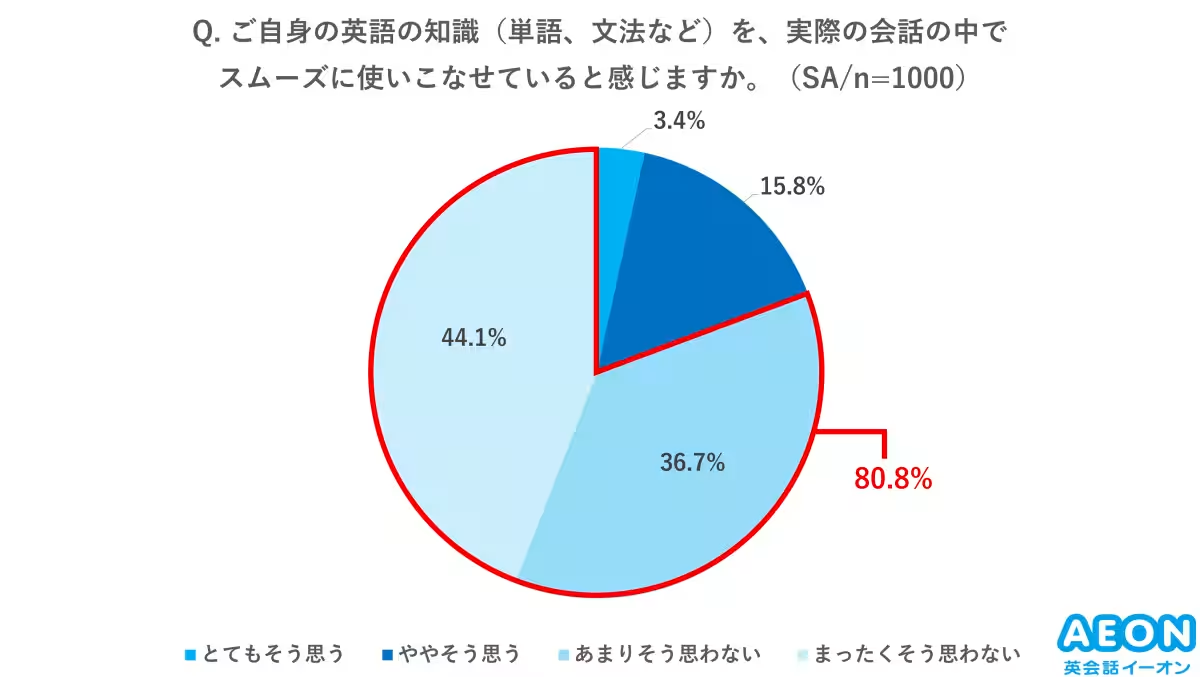
Despite this, more than 80% expressed that they rarely practice speaking English. They often feel incapable of utilizing their knowledge during conversations, which creates a significant barrier to developing practical communication skills necessary for proficient English conversation.
3. The Need for Clear Learning Goals
Another concerning observation was the lack of clear objectives among learners. The survey revealed that many respondents do not set specific goals for their English learning, leading to uncertainty regarding what knowledge or skills they should be focusing on.
This lack of direction complicates the learning path for many. Yet, a substantial number expressed a desire to establish meaningful relationships through conversation, indicating a potential pathway for learners to focus their efforts on enhancing personal communication skills.
Conclusion
The findings from Aeon's survey highlight the need for changes in how English is taught and practiced in Japan. There is a pressing need to encourage learners to recognize their existing knowledge and use it confidently rather than striving for an unattainable perfection.
By employing more practical learning methods that focus on speaking rather than just knowledge acquisition, schools like Aeon can help bridge the gap and foster a more confident and capable English-speaking population.
With innovations in language learning strategies and technology, such as blended learning methods and AI-driven conversation applications, there are now opportunities to cater to diverse learning styles and requirements.
Aeon, established in 1973, aims to break down language barriers and help everyone thrive globally, leveraging over 50 years of expertise in language education. By focusing on both knowledge acquisition and practical application, they are dedicated to enhancing communication skills for everyday conversation and business.
For more information on Aeon's learning methods and programs, visit their official website or social media channels.

Topics Consumer Products & Retail)
【About Using Articles】
You can freely use the title and article content by linking to the page where the article is posted.
※ Images cannot be used.
【About Links】
Links are free to use.