



NEC's Survey Reveals Consumer Trust Erosion Amid AI Service Expansion
NEC's Survey Highlights Consumer Trust Issues in AI Services
Japan's digital landscape is witnessing a seismic shift in consumer behavior with the rapid integration of AI services into daily life. A recent survey conducted by NEC Corporation, which sampled 1,597 consumers aged between 15 to 74 years, has unveiled concerning insights regarding user trust and experience with these technologies. The report, titled "AI Era Consumer Awareness Survey," was released on November 27, 2025, and it paints a picture of both convenience and apprehension surrounding AI usage.
The Dichotomy of AI Convenience and Distrust
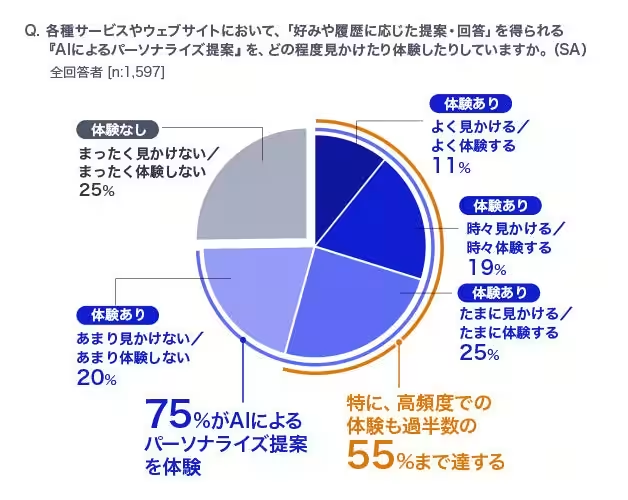
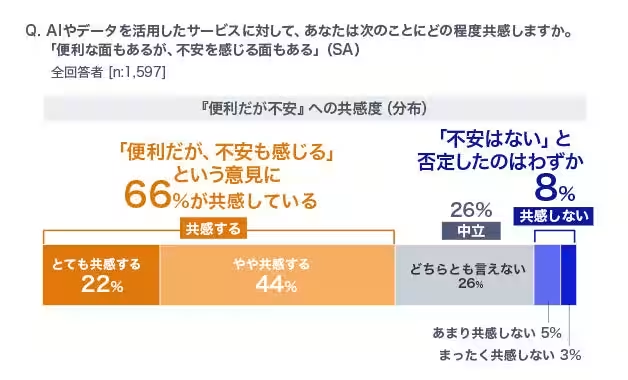
NEC's research indicates that approximately 75% of consumers have engaged with AI-driven personalized services, illustrating the growing dependence on digital solutions. Furthermore, more than half of those surveyed frequently utilize AI services in their daily activities. However, alongside this overwhelming ease of use, a troubling sentiment persists; about 66% of participants considered AI as "convenient yet concerning," highlighting a stark dichotomy between appreciation and apprehension.
Understanding Consumer Distrust
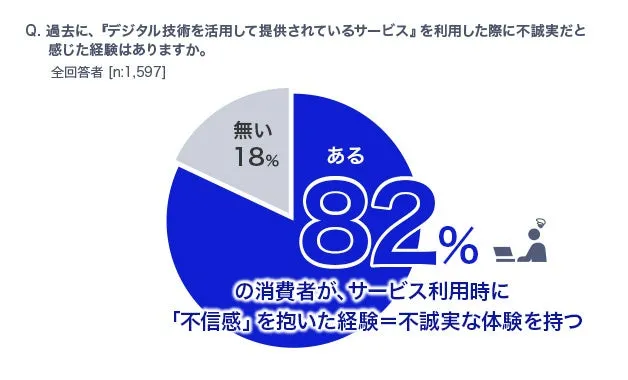
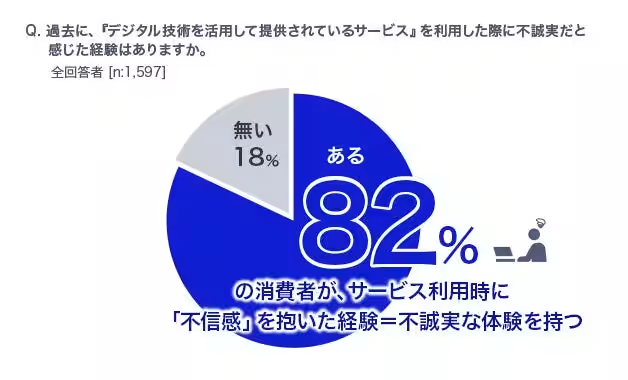
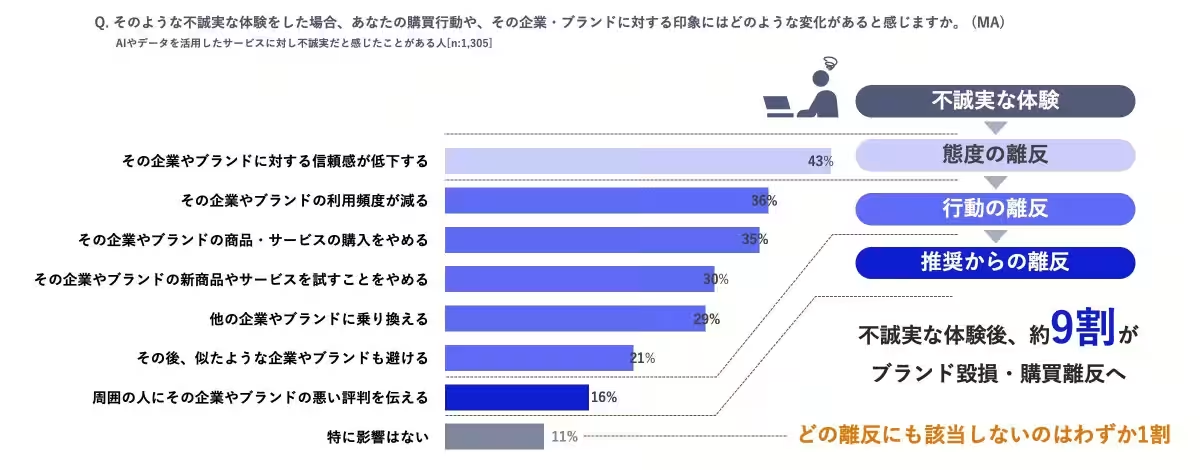
The survey reveals that 82% of respondents have encountered experiences they deemed "deceptive" while using AI services. Central to this distrust are two significant factors: "trap-like designs" and "invisible anxieties." These terms encapsulate the user frustrations arising from opaque service structures and less intuitive user experiences. Misleading interfaces, complex terms of service, and hidden charges contribute to a negative user perception. Consumers reported feeling misled by unclear billing practices and aggressive retention strategies that make opting out difficult.
The Rise of the 'Awakened Consumer'
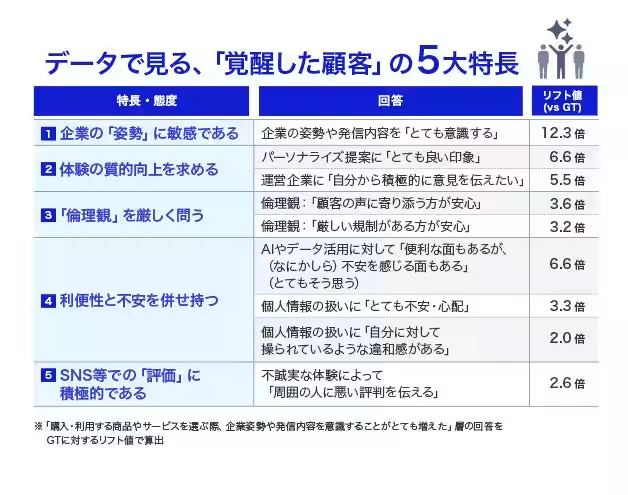
NEC's survey also introduces the concept of the "awakened customer," who critically examines not just product quality but the ethical stands of companies. These consumers, empowered by digital transparency, expect businesses to demonstrate accountability and ethical practices. They are vocal, often sharing their disappointing experiences via social media, which amplifies the ramifications of distrust in a particular brand or service.
Bridging the Trust Gap through Digital Ethics
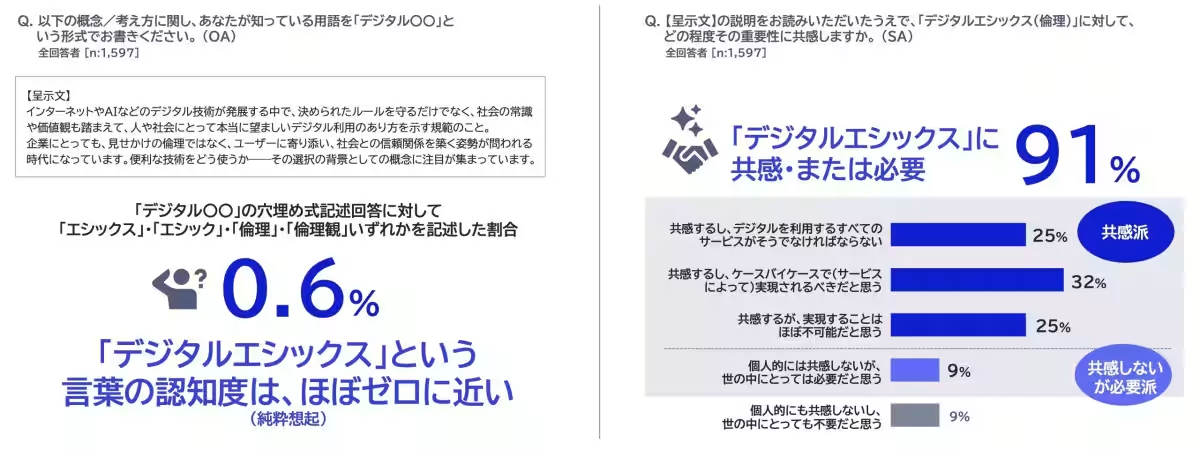
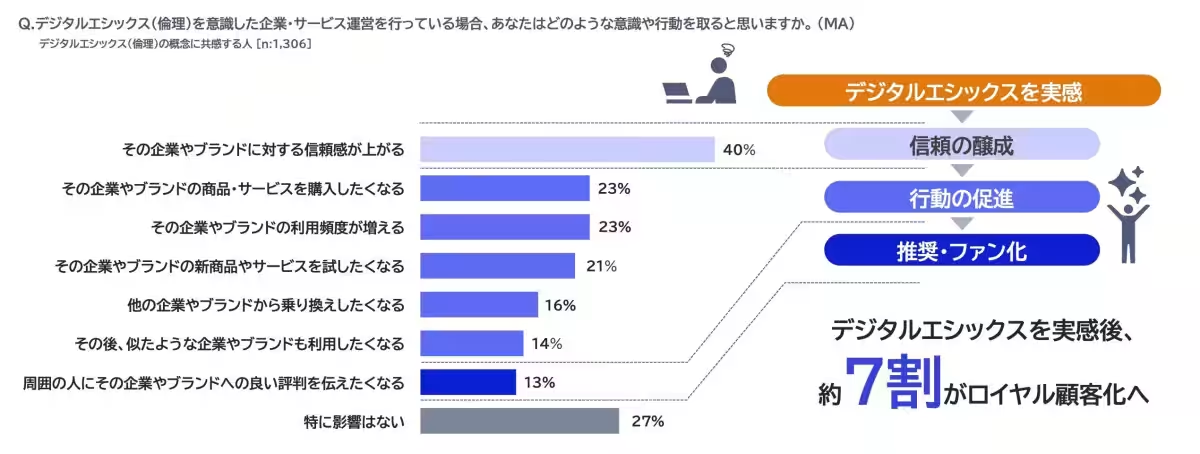
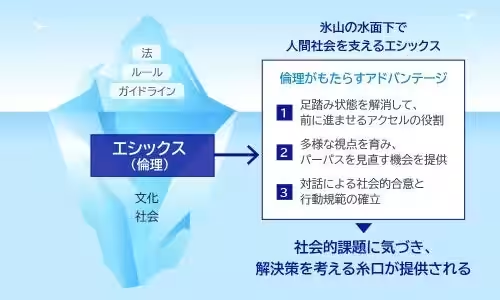
Despite the hurdles posed by consumer distrust, there is a silver lining. The survey revealed that over 90% of consumers agree on the importance of digital ethics in fostering trust in AI usage. However, awareness of digital ethics remains strikingly low, with less than 1% of respondents familiar with the term itself. This gap signals a unique opportunity for businesses to set themselves apart by championing ethical practices and ensuring transparency in their operations.
As companies grapple with integrating AI into their services, prioritizing digital ethics is crucial for fostering consumer loyalty. Ethical practices not only mitigate reputational risks but can also transform customers into enthusiastic advocates, driving long-term business growth.
The Transformative Potential of Digital Ethics
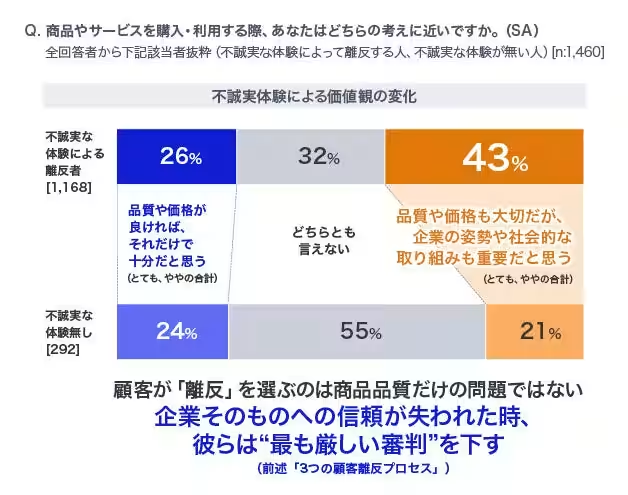
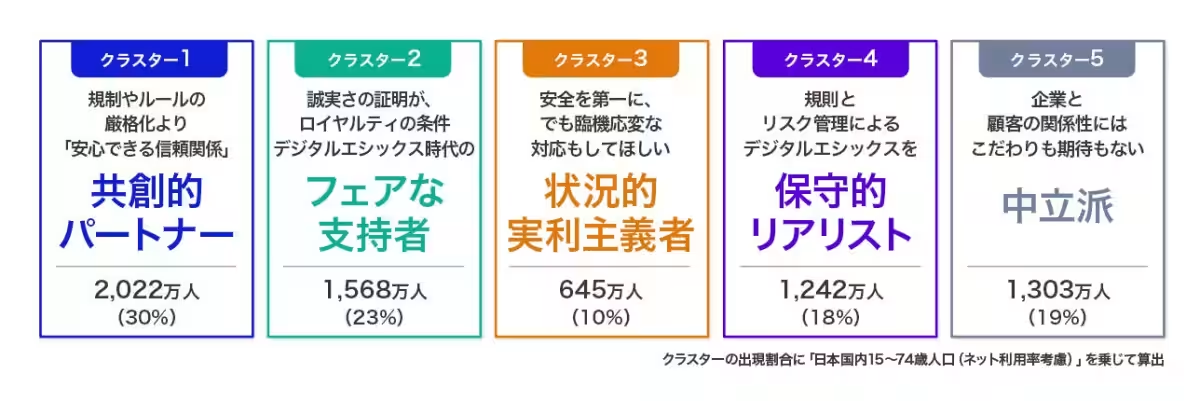
NEC's findings point to a crucial evolution in the corporate landscape. Companies must now pivot from merely meeting traditional product quality expectations to fostering a relationship based on trust and transparency. This transformation suggests a paradigm shift where the ethical stance of an organization could emerge as a key differentiator in a crowded marketplace.
Quality alone is insufficient; customers are increasingly judging businesses based on their values and social responsibilities. Therefore, embracing digital ethics not only addresses immediate consumer concerns but also positions companies for sustainable success amidst evolving consumer expectations.
Key Takeaways and Future Implications
As the relationship between AI and consumers continues to evolve, businesses must recognize the significance of the findings from NEC’s survey. With changing consumer expectations, the focus must shift towards fostering a culture of transparency and ethical accountability. To navigate these complexities, organizations would benefit from actively engaging in discussions surrounding digital ethics and redefining their market strategies accordingly.
In conclusion, NEC's survey provides a stark reminder that as technology advances, so too must corporate responsibility and transparency. The urgent call for enhanced consumer trust aligns with the need for businesses to step up and address the ethical contours of their digital offerings. As the landscape of AI services expands, prioritizing these values could well determine the leaders of tomorrow.
Topics Consumer Technology)

【About Using Articles】
You can freely use the title and article content by linking to the page where the article is posted.
※ Images cannot be used.
【About Links】
Links are free to use.