



Understanding Melasma and Pigmentation Treatment: Key Insights from Latest Survey
Understanding Melasma and Pigmentation Treatment
Recent research conducted by the IC Clinic, which operates several facilities including Shinjuku and Shibuya, provides valuable insights into the treatment of melasma and pigmentation, shedding light on customer experiences and regrets.
Key Findings from the Survey
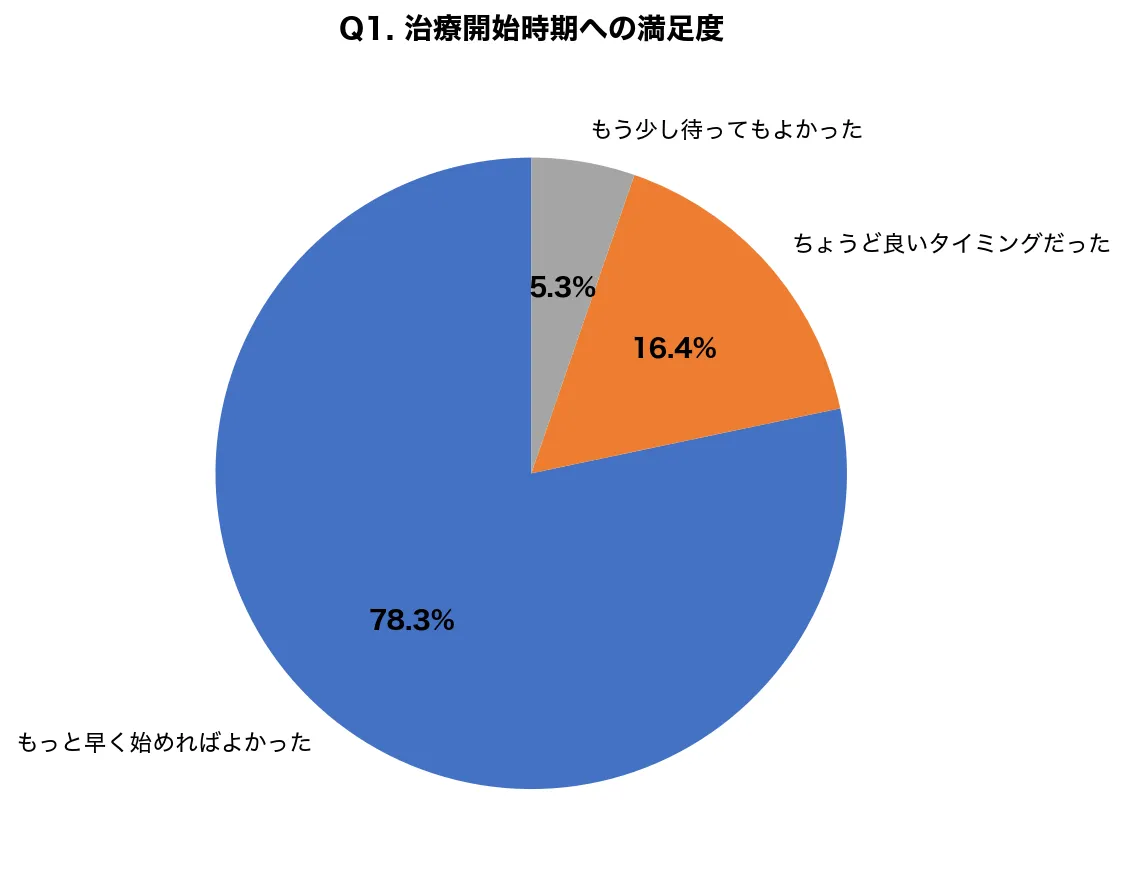
A significant conclusion drawn from the survey is that about 78% of participants wished they had started their treatment sooner. This study involved 300 individuals who have undergone treatment or are considering it. The respondents shared their experiences regarding treatment efficacy and the regrettable decisions they made about their care.
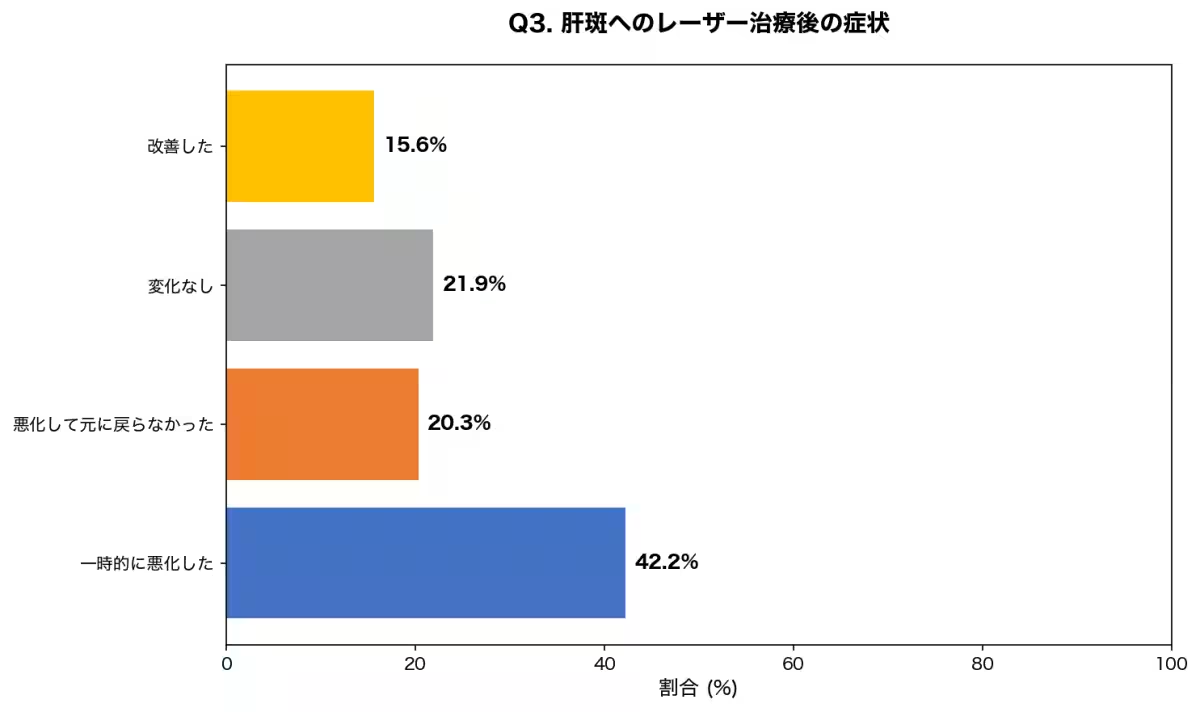
One pivotal finding was that 62.5% of those who mistakenly treated melasma with laser therapy reported that their condition worsened. This emphasizes the critical need for accurate diagnoses and appropriate treatment choices. It is essential that individuals recognize the differences between melasma and other forms of pigmentation, as the improper treatment can exacerbate the issue.
Melasma vs. Pigmentation
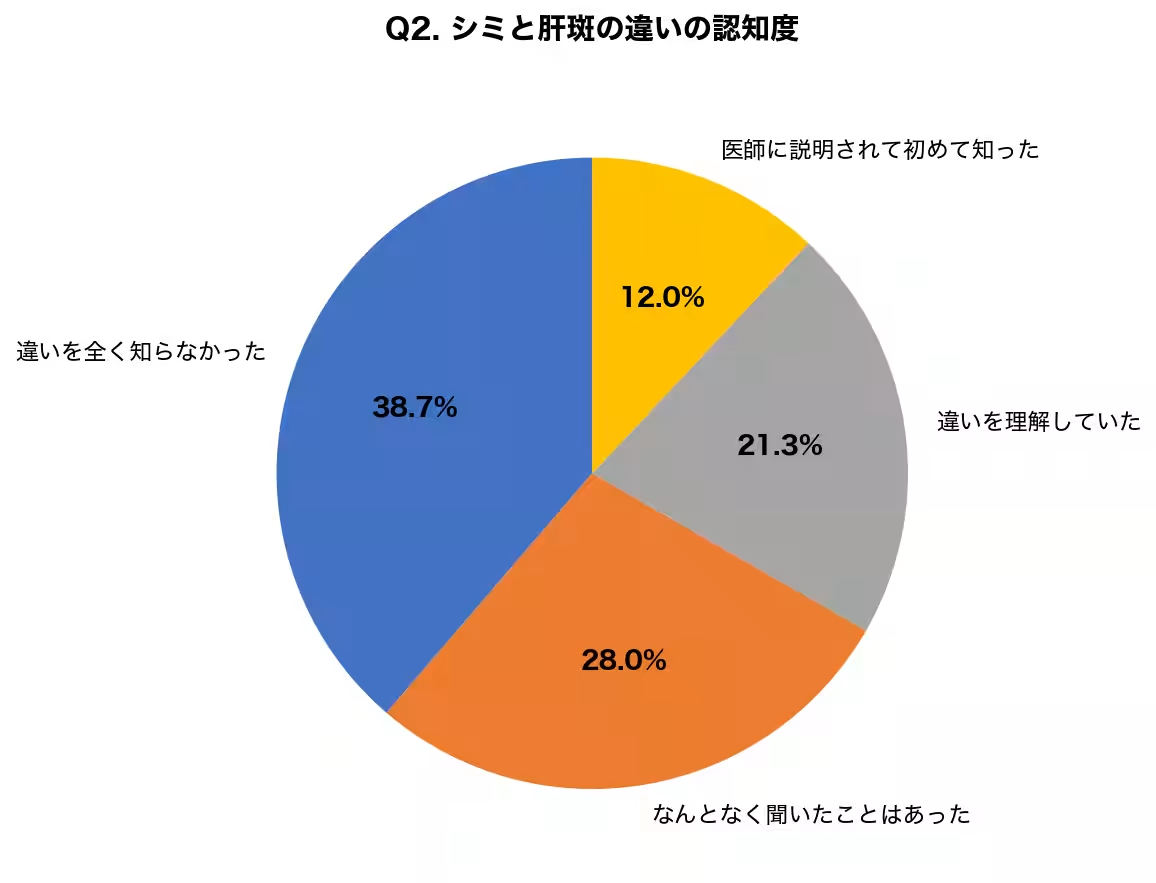
Understanding the distinction between melasma, often appearing symmetrical on the cheekbones, and other pigmentation issues such as age spots, is crucial. Melasma is primarily affected by hormonal changes, sun exposure, and stress, whereas age spots generally arise from UV exposure. This understanding can help patients avoid ineffective or harmful treatments.
Treatment Guidelines
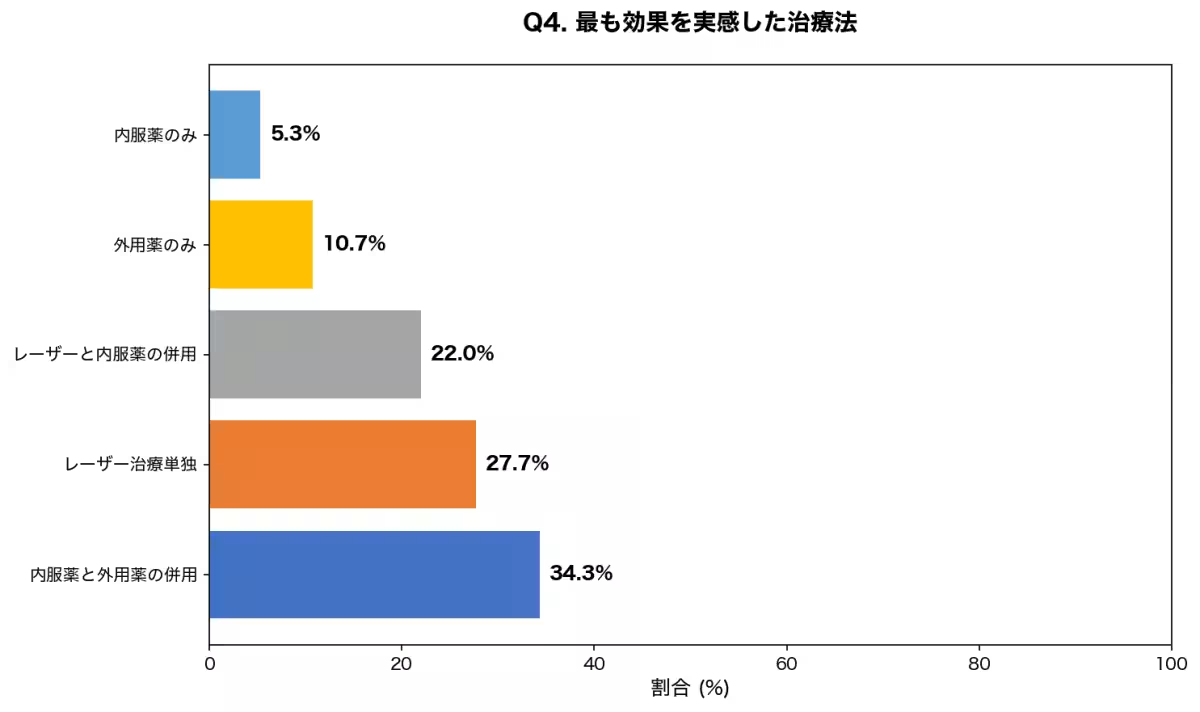
According to the survey, the most effective treatment methods include:
- - Laser Therapy: Typically used for age spots, this method can range from 3,000 to 30,000 yen per session with an efficacy seen within 1-2 weeks.
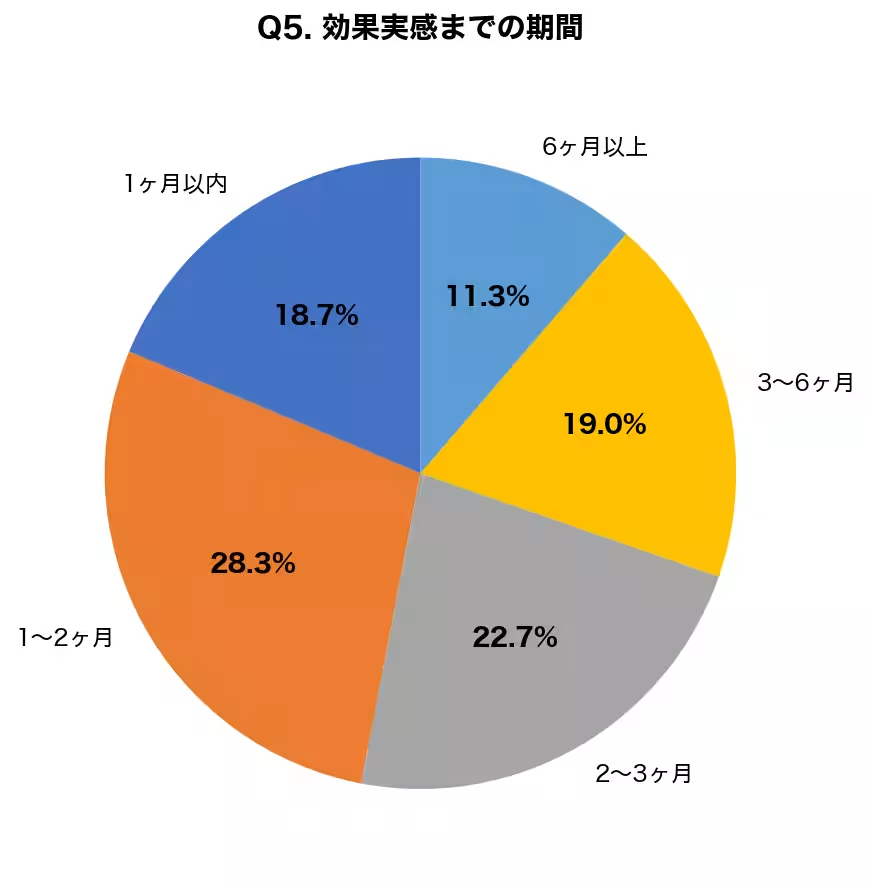
- - Oral Medications (Tranexamic Acid): Considered the first choice for melasma, it requires consistent use over 2-3 months for noticeable results, costing around 2,000 to 5,000 yen monthly. Studies indicate that continuous use leads to improvement in approximately 70% of patients.
- - Topical Treatments (e.g., Hydroquinone): Used effectively alongside oral medications, leading to an 81% satisfaction rate among participants.
The Importance of Early Treatment
Data showed that many individuals who delayed treatment witnessed greater degrees of pigmentation. With the risk of worsening symptoms due to sun exposure and treatment delays, the survey encourages individuals to seek help sooner rather than later. Proper timing can significantly enhance the likelihood of successful treatment.
Expert Commentary
Dr. Kōta Takakuwa, an experienced dermatologist at IC Clinic, highlighted that both melasma and pigmentation have vastly different treatments despite their similar appearances. Misdiagnosing melasma for age spots can lead to severe complications, thus stating that proper diagnosis is paramount. He recommends prioritizing oral treatments like tranexamic acid for melasma before considering laser options.
Conclusion
This survey underscores the importance of well-informed decisions when it comes to treating pigmentation issues. Early intervention and understanding the specific type of skin condition can greatly assist in achieving desired results. Patients are encouraged to consult with dermatology professionals to explore tailored treatment strategies that best suit their needs and to avoid the pitfalls of self-diagnosis. Lastly, consistent sun protection remains crucial regardless of the treatment regime selected. For those seeking help, the IC Clinic provides a comprehensive approach from accurate diagnosis to varied treatment solutions.
Topics Health)
【About Using Articles】
You can freely use the title and article content by linking to the page where the article is posted.
※ Images cannot be used.
【About Links】
Links are free to use.