



Discover the New Standard in Marathon Training with Sweat-Based Lactate Testing
The Rise of Marathon Participation
As marathon season kicks off with events like the Tokyo Marathon, many citizen runners are reevaluating their training and performance in preparation for the races ahead. Despite the excitement surrounding increased participation in marathons across the country, numerous athletes find themselves confronting challenges such as not improving their times or struggling to maintain a compatible pace.
Addressing the Challenges
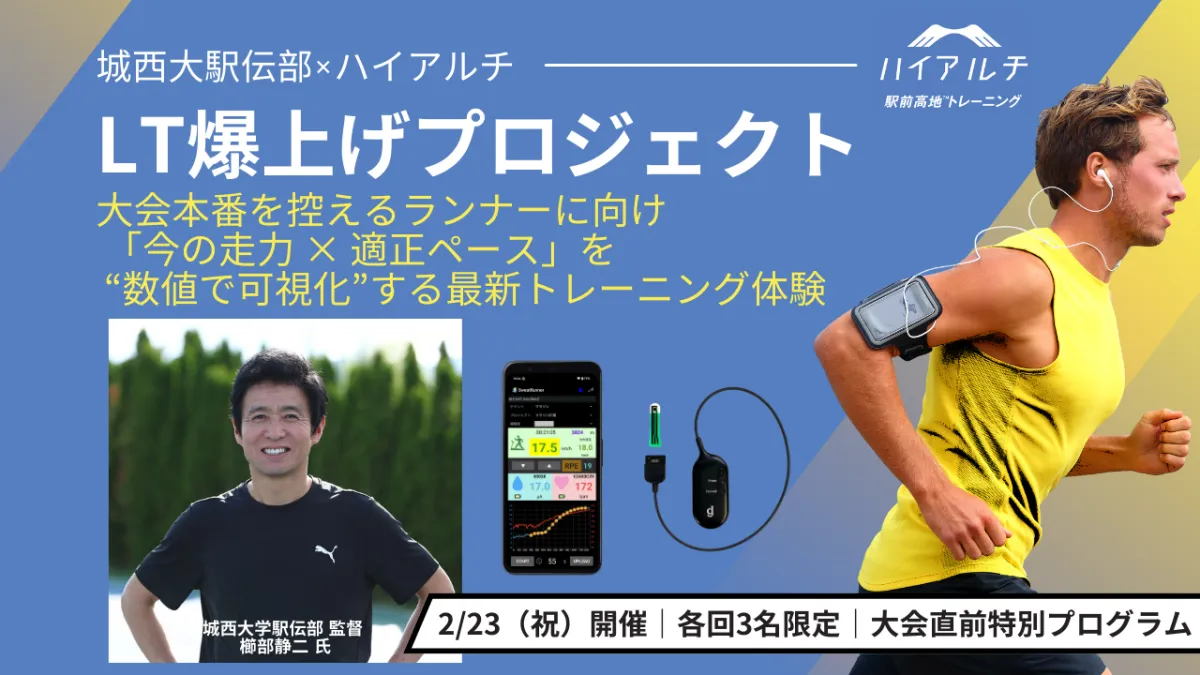
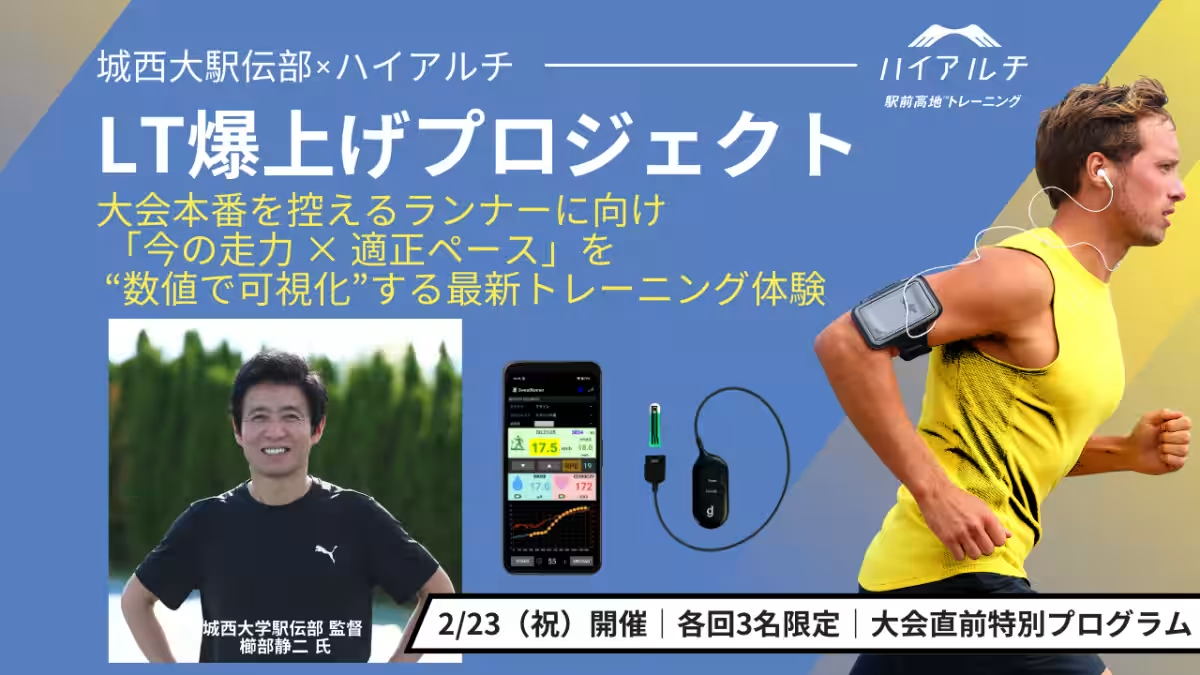
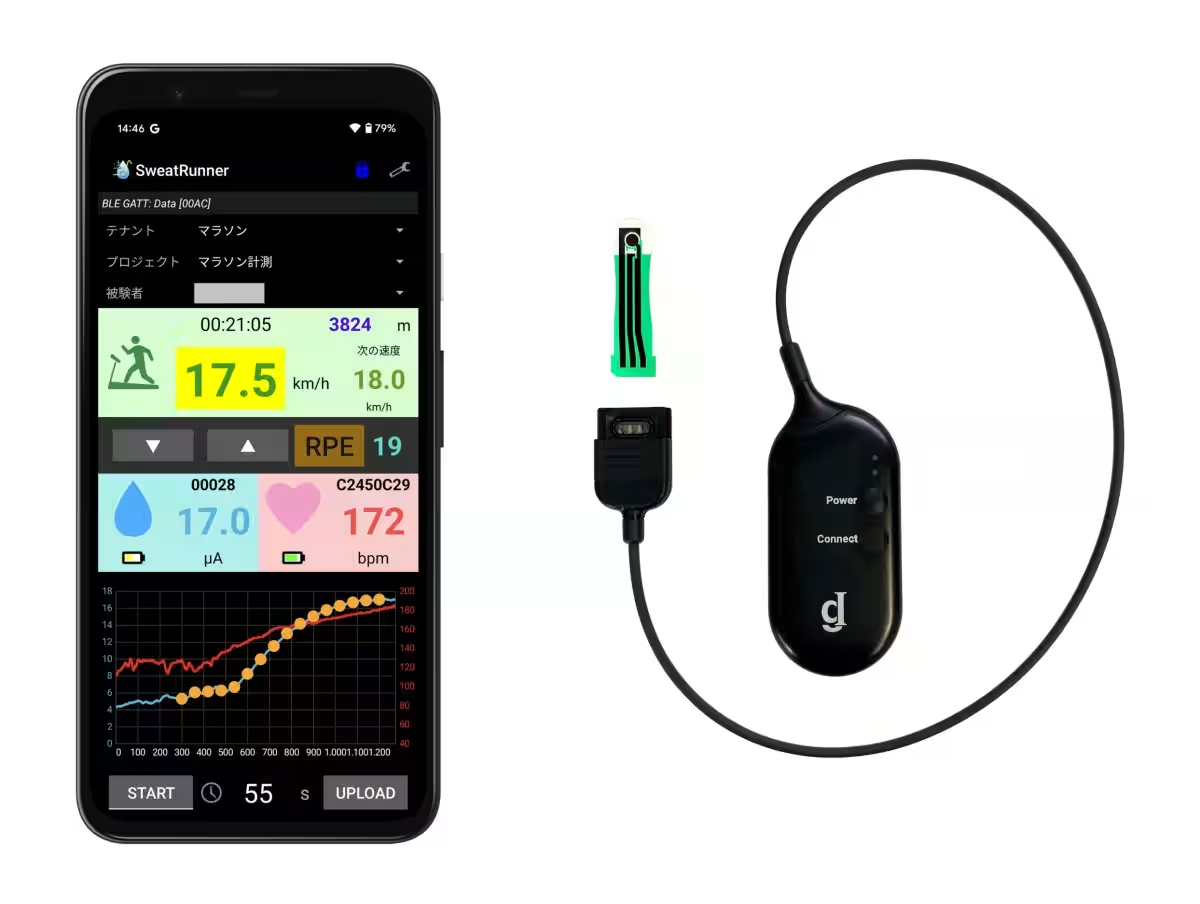
To tackle these issues, High Altitude Management Co., based in Chuo-ku, Tokyo, is organizing an event in collaboration with the Josai University Ekiden team. This event, aptly named the “LT Boost Project,” employs cutting-edge devices that measure lactate levels from sweat instead of requiring blood samples. Participants can gain insights into their current conditioning and effectively work on increasing their lactate threshold (LT).
Understanding and visualizing one’s current physical state is essential not only for improving performance but also for injury prevention during competition season.
The Growing Popularity of Marathons
The interest in running events has surged recently due to a rise in health consciousness and reinstatement of races post-pandemic. The number of full marathons in Japan reached a historic high of 92 in the fiscal year 2024, with a significant rise in finishers, totaling over 335,000—almost 19,000 more than the previous year.
The return of runners to competitive events is evident. For instance, the 2026 London Marathon has already garnered over 1.13 million registrations, breaking records and showcasing the global enthusiasm for running events.
With this surge in participation, however, many runners express frustrations:
- - Training without progress
- - Injuries due to pacing errors
- - Uncertainty about finding their optimal pace
These issues often stem from athletes not understanding their lactate threshold (LT) while training.
The Importance of Lactate Threshold (LT)
The lactate threshold indicates the point during prolonged exertion where lactic acid begins to accumulate in the bloodstream. Beyond this point, fatigue can set in much more quickly. Many runners operate under the misguided notion that pushing through discomfort equals effective training. However, exceeding their LT can hinder their endurance improvements and increase the risk of injury.
By accurately measuring and understanding LT, runners can optimize their training regimens. Athletes who know their LT can train more effectively, encouraging performance growth without unnecessary strain. With the increase in marathon participation, emphasizing understanding the right training intensity rather than merely the volume of training is pivotal in safely improving performance and achieving personal bests.
Innovative Sweat-Based Lactate Testing
Traditionally, understanding one’s ELT required blood testing, which involves invasiveness and inconvenience that most amateur athletes cannot easily access. However, recent advancements in sensor technology allow for real-time lactate measurement through sweat.
This breakthrough enables athletes to monitor their bodily changes without interrupting their running sessions. As such, citizen runners can now train scientifically by incorporating measurable LT values into their workouts, changing how runners perceive and approach their training methodologies.
Sweat Lactate Clinic: A New Way for Runners
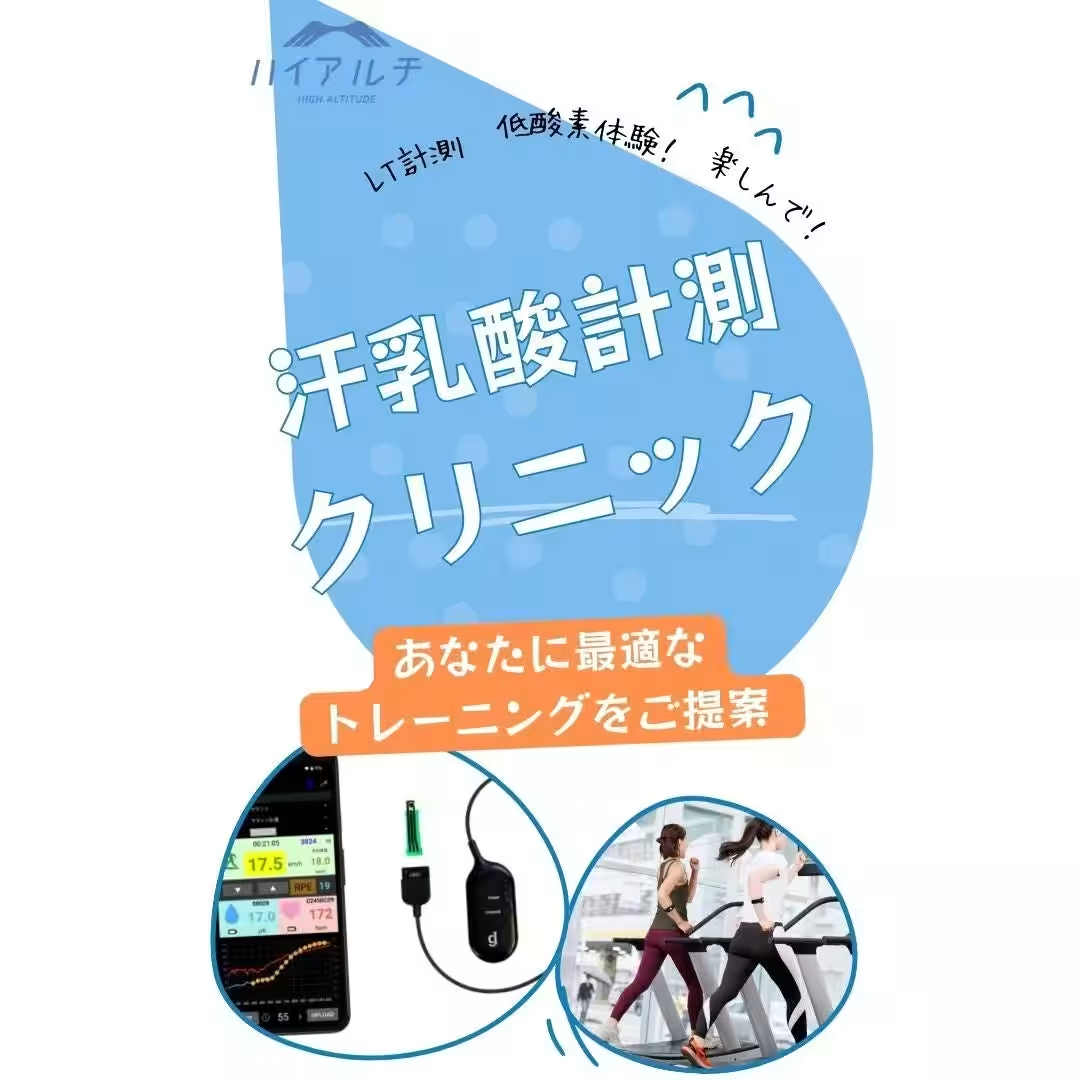
High Altitude Management has partnered with Grace Imaging to introduce the “Sweat Lactate Clinic,” a cutting-edge service that employs wearable devices to determine lactate levels from sweat without any need for blood samples. Results are analyzed on-site, providing participants with a clear understanding of their LT, expected race times, pacing, and training intensity fluidly.
This service opens the door for runners to access a method previously reserved for elite athletes and research settings, allowing a practical and safe environment for all runners to understand and improve their performance metrics.
Event Overview: The LT Boost Project
Details of the event, taking place on February 23, 2024, include:
- - Training output: Participants will experience a warm-up, undergo sweat lactate testing, and receive a report on their outcomes
- - Limit: Each session can accommodate only three participants, ensuring personalized attention
- - Cost: Each participant will be required to pay a fee of 8,000 yen (tax included)
- - Sign up: Interested parties can register online at event link
As many prepare for marathons, this event emphasizes understanding one's running capacity and proper pacing, rather than solely focusing on endurance. By employing advanced measuring and training techniques, runners can safely and effectively enhance their performance and enjoyment of the sport.
Conclusion: A Glimpse into the Future of Running
With the integration of modern technologies, High Altitude Management continues to explore innovative pathways for runners, empowering them to harness their full potential while promoting longevity in their running journeys. Through collaborations like these, the marathon culture is not just growing; it is evolving into a more science-driven, health-focused community of athletes. As more participants take advantage of these resources, we can expect a bright future for the sport of running.




Topics Sports)

【About Using Articles】
You can freely use the title and article content by linking to the page where the article is posted.
※ Images cannot be used.
【About Links】
Links are free to use.