



Canon Develops Breakthrough SPAD Sensor for Enhanced Detection in Low Light Conditions
Canon Unveils Its Innovative SPAD Sensor
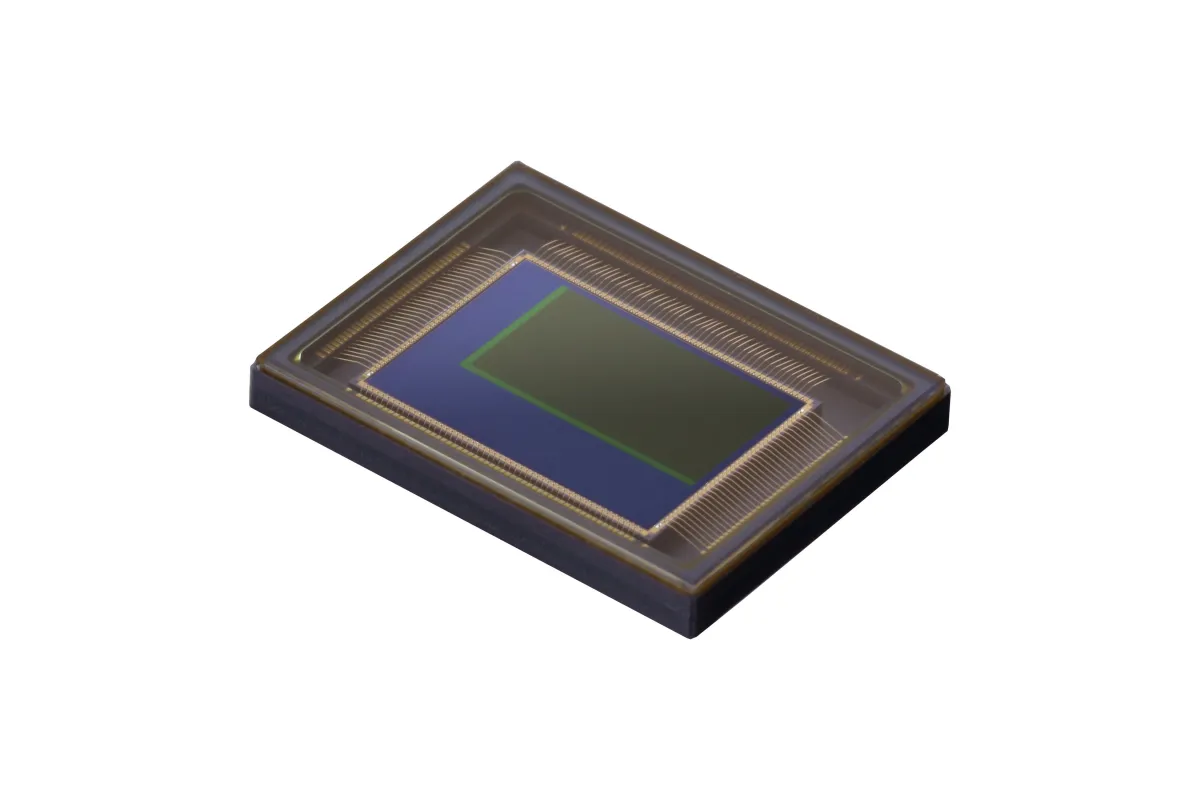
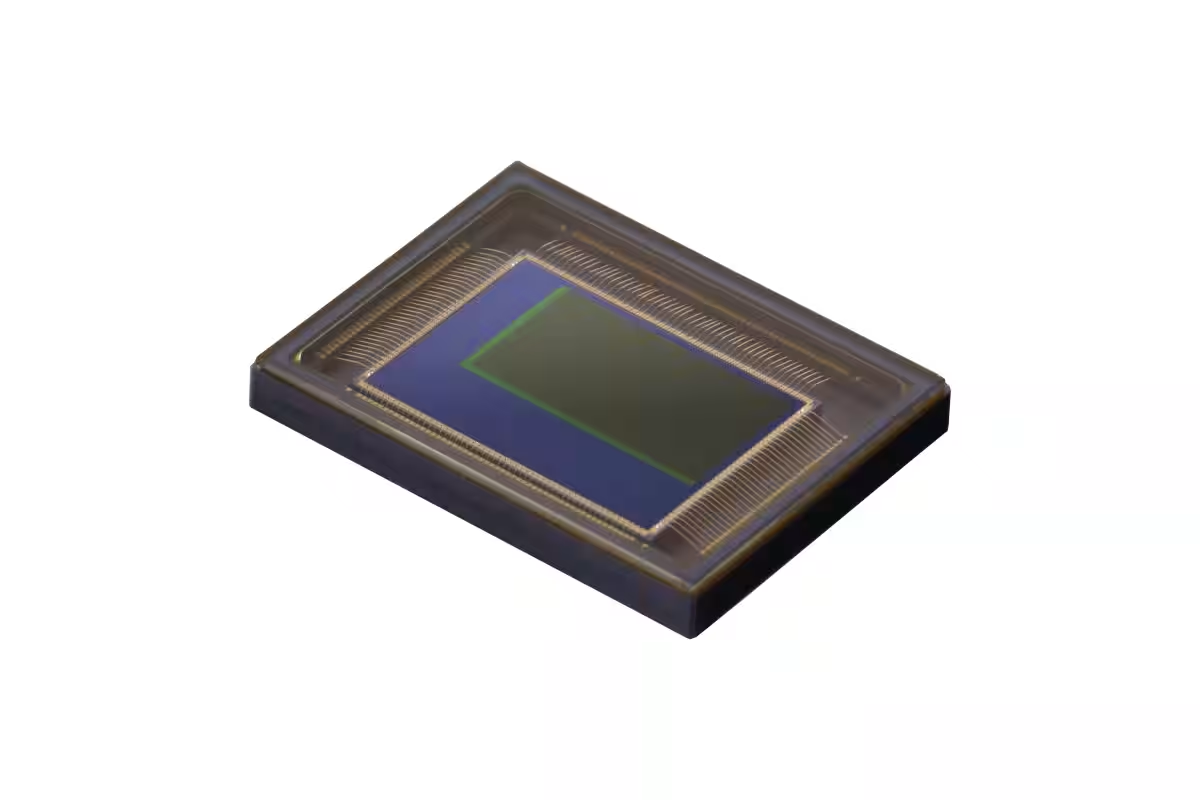
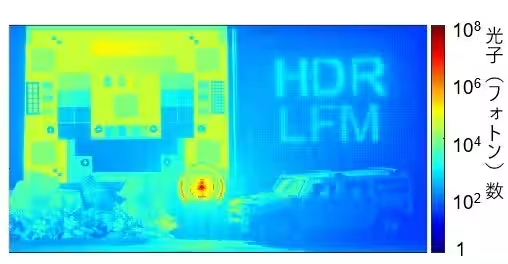
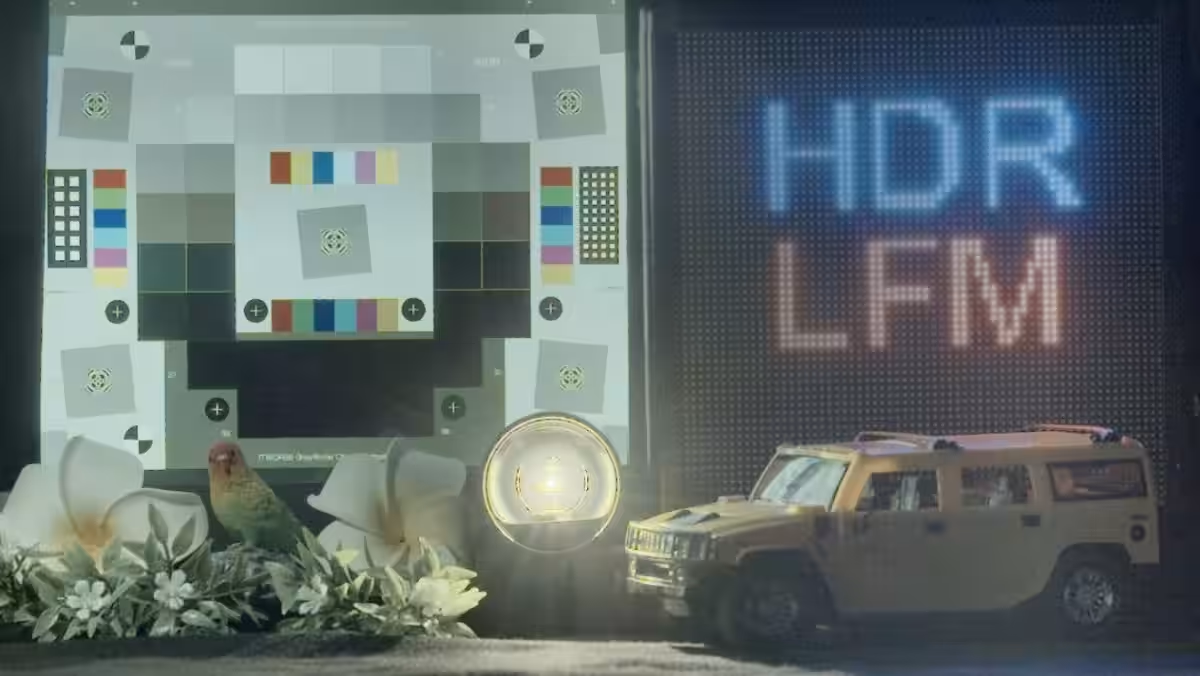
In a significant development for imaging technology, Canon has unveiled a groundbreaking SPAD (Single-Photon Avalanche Diode) sensor that boasts an outstanding dynamic range of 156dB. This newly developed 2/3-inch sensor, featuring approximately 2.1 million pixels, marks a major leap in capturing images in varying light conditions, especially in low-light environments. Canon's unique technology not only enhances high dynamic range capabilities but also reduces power consumption and minimizes LED flicker. The company aims to start mass production soon, following further advancements in its technology.
Key Features of the SPAD Sensor
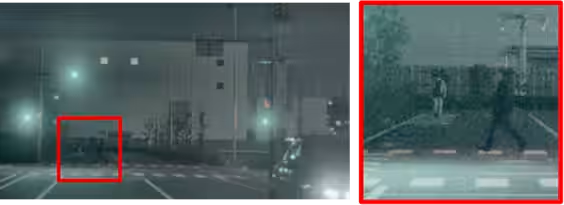
The newly developed SPAD sensor can detect pedestrians up to 120 meters away in light conditions as low as 0.1 lux, making it highly useful for applications where visibility is compromised, such as nighttime or poorly lit spaces. The sensor operates on a principle called photon counting, where it counts individual particles of light (photons) that hit its pixels. This enables the sensor to capture clear images even when there is minimal light available, as it operates with minimal noise interference, providing high accuracy in measuring distances.
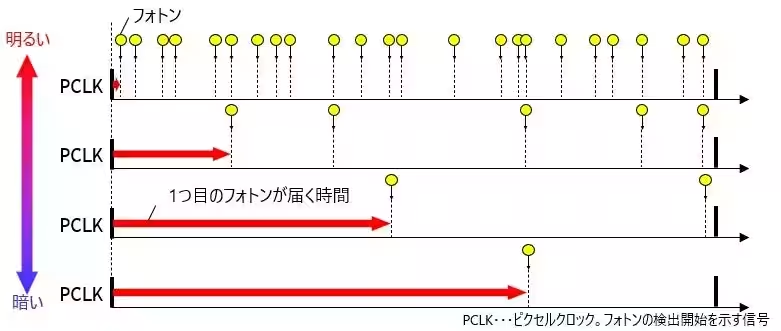
However, traditional high-voltage systems faced significant challenges in bright light. When the number of incident photons surpassed a certain threshold, the system struggled to process them quickly enough, leading to whiteout scenarios in images or high energy consumption. To overcome this, Canon’s new sensor employs a unique technique known as "weighted photon counting." This approach accurately estimates the total photon count arriving within a defined period, without requiring the system to count each photon individually. This means that it can now process significantly more photons than before, achieving its remarkable dynamic range.
Specifically, what sets this sensor apart is its method of estimating the arrival time of the first photon and then predicting the number of additional photons that will arrive in the same period. This increases the detectable photon count dramatically, providing an impressive 156dB dynamic range while reducing power consumption per pixel by around 75%.
Applications and Impact
The implications of this technology extend across various domains, including surveillance, automotive, and industrial technologies. One notable area of application is in automated driving (AD) and advanced driver-assistance systems (ADAS). The rising demand for enhanced vehicle sensor technology, coupled with the increased rigor of safety standards across nations, has created a crucial need for high-performance sensor solutions that can perform well in variable lighting conditions.
SPAD sensors excel in low-light conditions, making them an excellent fit for addressing challenges commonly encountered by traditional CMOS sensors, which can struggle with visibility during dark scenarios or in tunnels where significant light contrasts exist. By integrating Canon's innovative technology into the SPAD sensor, these issues may be effectively resolved.
Future Directions
The SPAD sensor technology was recently showcased at the "2025 Symposium on VLSI Technology and Circuits" held in Kyoto on June 12, 2025. Canon's commitment to harnessing technology and innovation is evident as it continues to explore new ways to create value and address societal challenges. The new SPAD sensor's potential to enhance safety and efficiency in various applications signifies a promising advancement in imaging solutions that could redefine industry standards.
As Canon forges ahead, the evolution of its sensor technology will undoubtedly impact sectors ranging from automotive safety to industrial automation, pushing the boundaries of what is achievable in low-light imaging.
In conclusion, with Canon's introduction of this state-of-the-art SPAD sensor, the future of imaging technology looks brighter than ever, promising enhanced clarity and detection capabilities in even the most challenging of environments.
Topics Consumer Technology)
【About Using Articles】
You can freely use the title and article content by linking to the page where the article is posted.
※ Images cannot be used.
【About Links】
Links are free to use.