




Increasing Demand for Local Hiring in Thai Japanese Companies Amidst Expat Reduction
Introduction
Japanese companies operating in Thailand are experiencing significant changes in their management structure and hiring practices. According to a recent survey conducted by Kadence International (Thailand) and Personnel Consultant Manpower (Thailand), there is an evident shift towards localizing management, resulting in the reduction of Japanese expatriate employees. This article delves into the findings of this survey and explores the implications of these trends for the future of Japanese enterprises in Thailand.
The Shift to Local Management
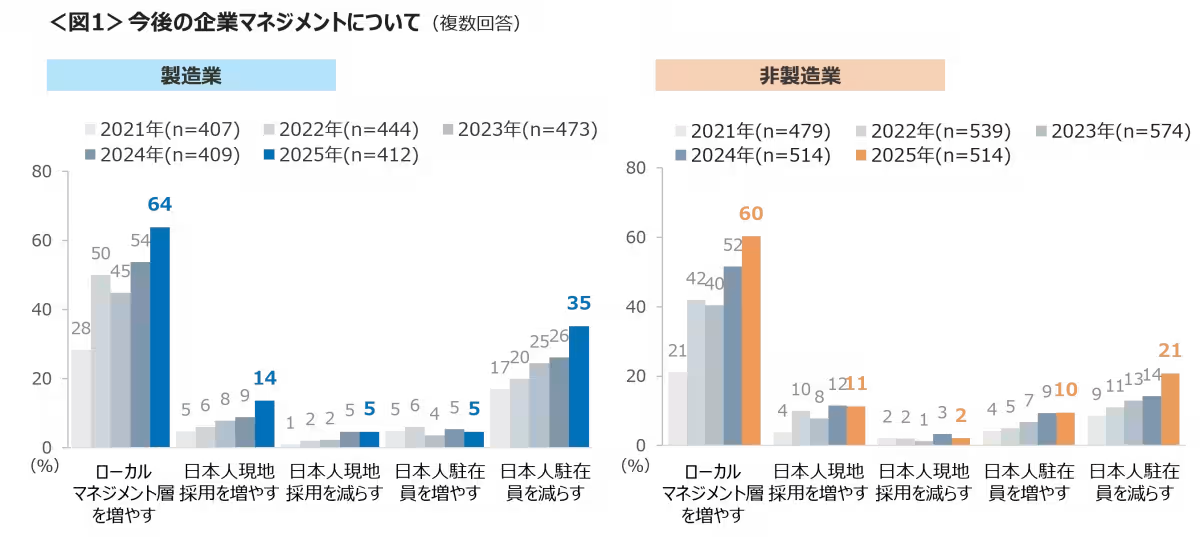
The survey included responses from 926 Japanese companies in Thailand, highlighting a notable trend: an increasing preference for local management. In the manufacturing sector, 64% of respondents signaled a commitment to boosting their local management team, reflecting a substantial 10-point increase from the previous year. Similarly, in the non-manufacturing sector, 60% of firms expressed the same intent, up 8 points. This trend has been in motion since 2021, showcasing the growing urge among these businesses to adapt to the local environment.
As the demand for local management ascends, so too does the desire to decrease the number of Japanese expatriates. In the manufacturing sector, 35% of companies indicated plans to reduce their Japanese staff, marking a 9-point increase from the previous year. The non-manufacturing sector also showed significant intent to cut expatriate employees, with 21% expressing this view, up from the previous year's 7 points.
Increased Demand for Local Japanese Employees
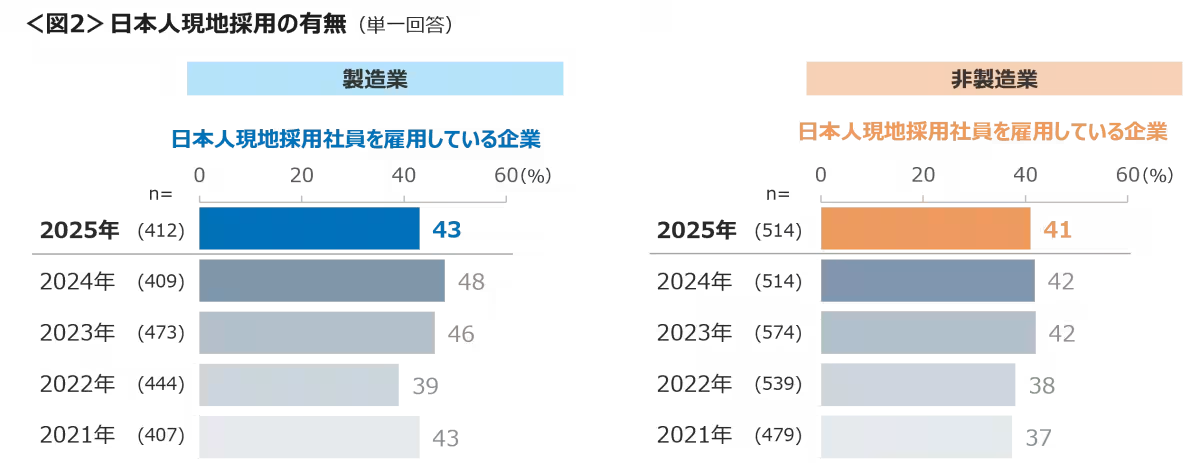
Interestingly, while there is a decline in Japanese expatriate hires, the demand for locally hired Japanese employees remains relatively strong. The proportion of firms employing local Japanese staff stood at 43% in manufacturing and 41% in non-manufacturing sectors. Although these figures represent a slight decrease from the previous year, the interest in hiring local talent persists.
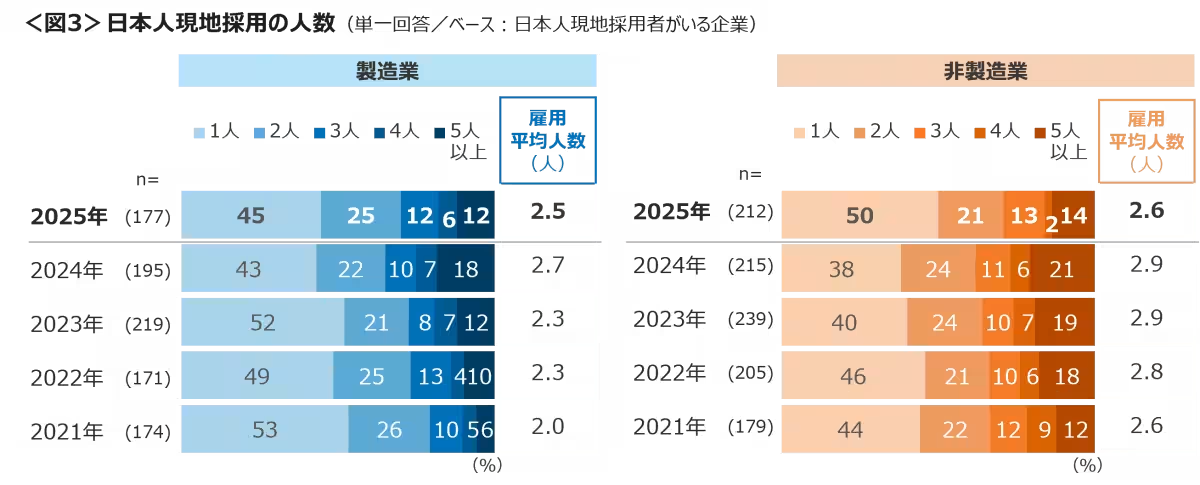
When examining the average number of local Japanese hires, data indicates a decrease in both sectors compared to last year. In non-manufacturing, 50% of firms hired only one local Japanese employee, an increase of 12 points from the previous year, while those employing five or more dropped by 7 points to 14%. This shift reflects a continued trend toward minimizing expatriate employment in favor of local hires, although companies are facing challenges in securing suitable candidates due to heightened competition and recruitment difficulties.
Challenges in Recruitment
Despite the evident demand for local Japanese hires, businesses are encountering difficulties in recruitment. The competition for qualified candidates is fierce, as many Japanese firms are looking to tap into the skills and expertise of locals. However, the current employment landscape presents challenges that hinder firms from achieving their hiring goals. Many businesses report that while they are actively seeking local talent, the actual recruitment accomplishments do not align with anticipated results.
Future Outlook
The evolving market in Thailand necessitates adaptation from Japanese companies. A seminar titled 'The Changing Thai Market' set for December 17, 2025, will address these trends, offering insights and strategies for businesses navigating this transitional period. Interested parties can register for the seminar through the provided link.
Conclusion
The findings of the 2025 survey illuminate a transformative phase for Japanese companies in Thailand as they accelerate toward local management systems and adopt strategies that may require fewer expatriate personnel. With the demand for locally hired Japanese employees on the rise, firms must overcome recruitment challenges to build a sustainable workforce that aligns with their operational objectives. Continuous adaptation and understanding of the local market will be crucial for their long-term success.
For prospective employers, the time to engage with local talent, especially those from Japan, is now. The intersection of these trends could define the future landscape for Japanese businesses operating in Thailand, marking a pivotal moment in the region's employment practices.

Topics Business Technology)

【About Using Articles】
You can freely use the title and article content by linking to the page where the article is posted.
※ Images cannot be used.
【About Links】
Links are free to use.