



Challenges in Post-GIGA School Network Environments: A Study on ICT Use
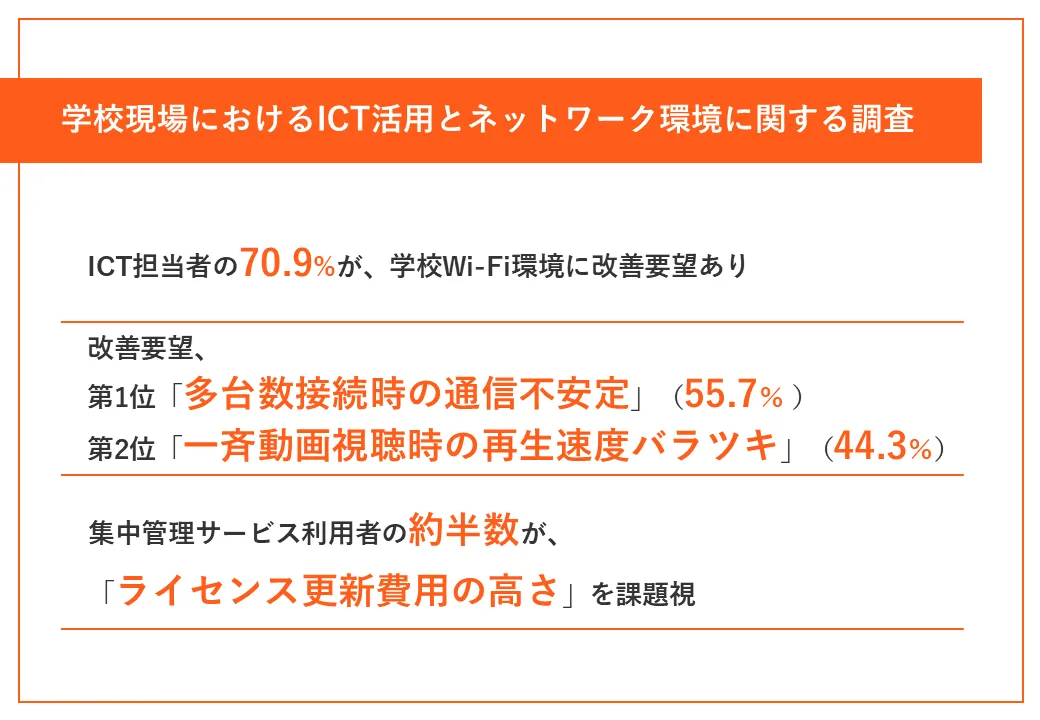
In a recent study conducted by Buffalo Inc., which is headquartered in Chiyoda, Tokyo, significant concerns surrounding the network infrastructure in schools have been unearthed. The survey, which involved 86 participants from educational committees engaged in ICT-related tasks, revealed that over 70% of respondents feel a pressing need to improve the Wi-Fi environments currently implemented in their schools.
The study, titled 'Research on the Use of ICT and Network Environments in Schools', was carried out between August 22 and August 26, 2025, utilizing the online research service provided by IDEATECH. It gathered insightful data about how ICT is utilized in educational settings and the existing challenges aligning with network connectivity.
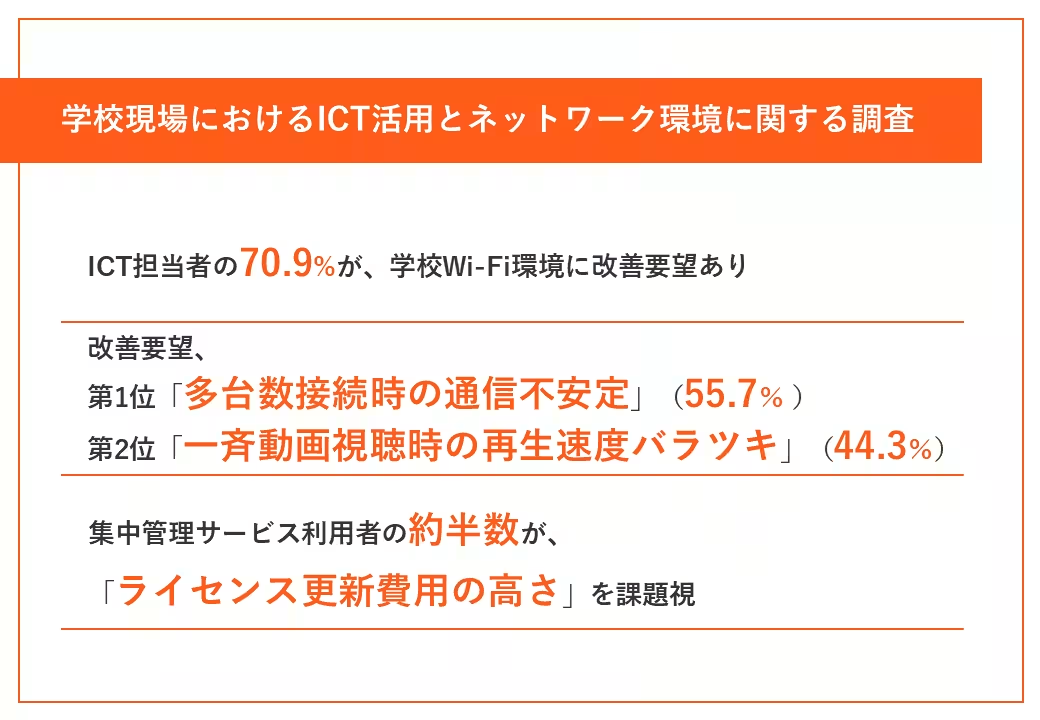
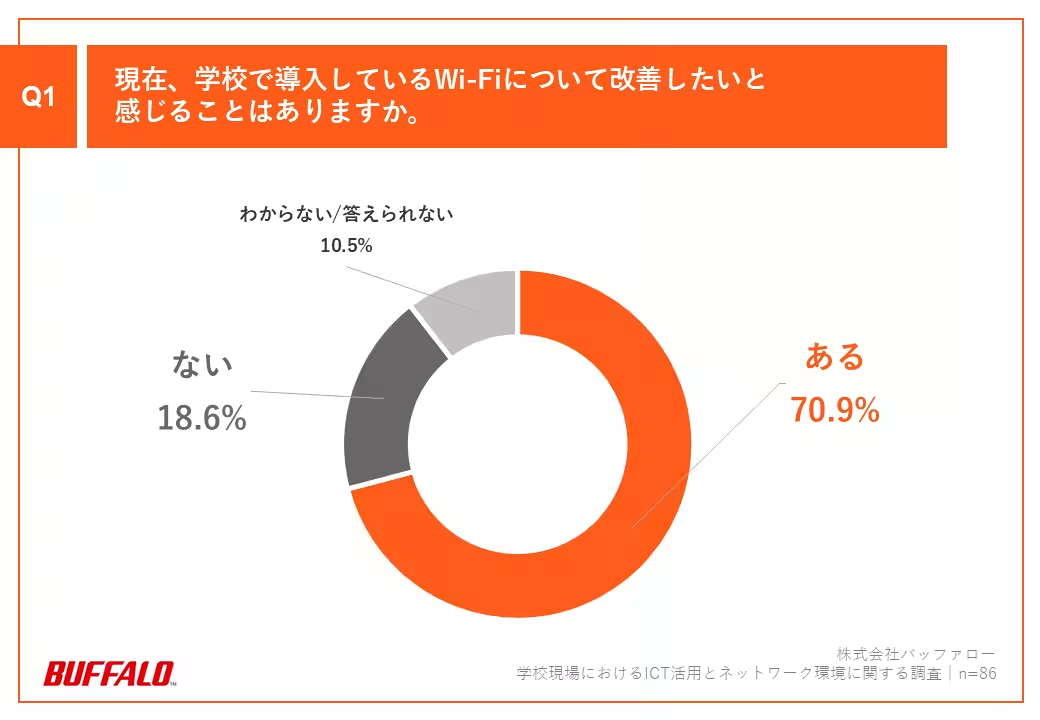
A staggering 70.9% of participants expressed a desire for improvements regarding the Wi-Fi systems in place, indicating that the ongoing digital transformation within education is not without its hurdles. When asked to specify their concerns, 55.7% of the respondents pointed to issues of 'communication stability when multiple devices are connected at once', a critical aspect of tech-enabled classrooms.
Further analysis of the feedback highlighted several key areas needing attention:
Additionally, there are concerns about specific locations within the school environment where connections are difficult to establish, such as corners or hallways (31.1%), and issues arise when moving to locations like gymnasiums (27.9%).
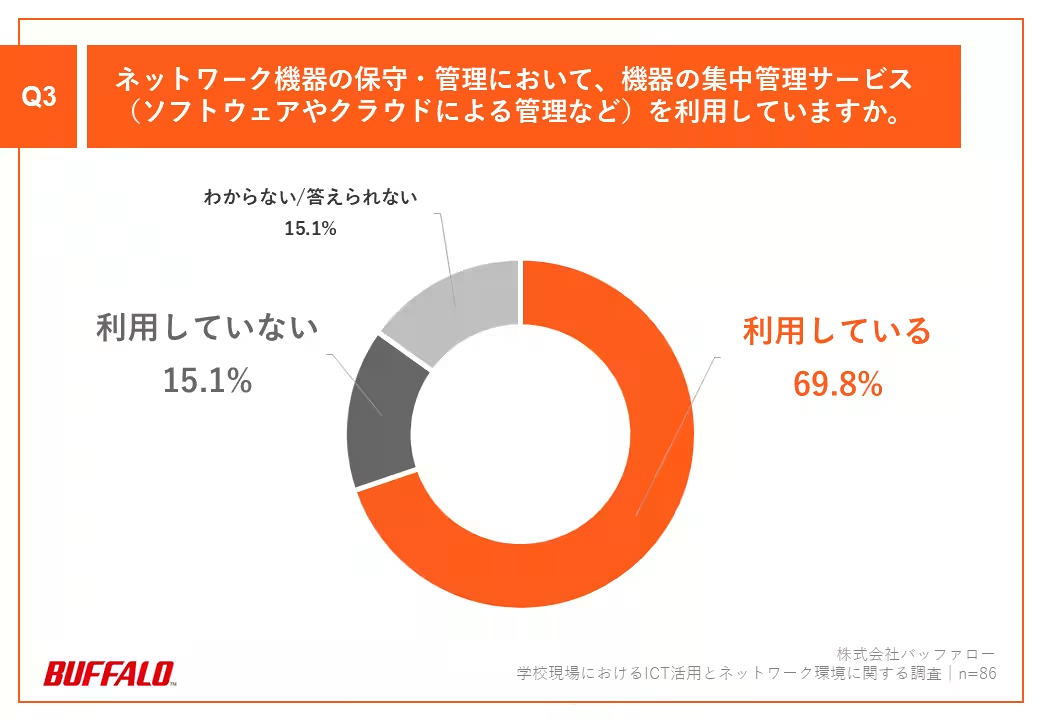
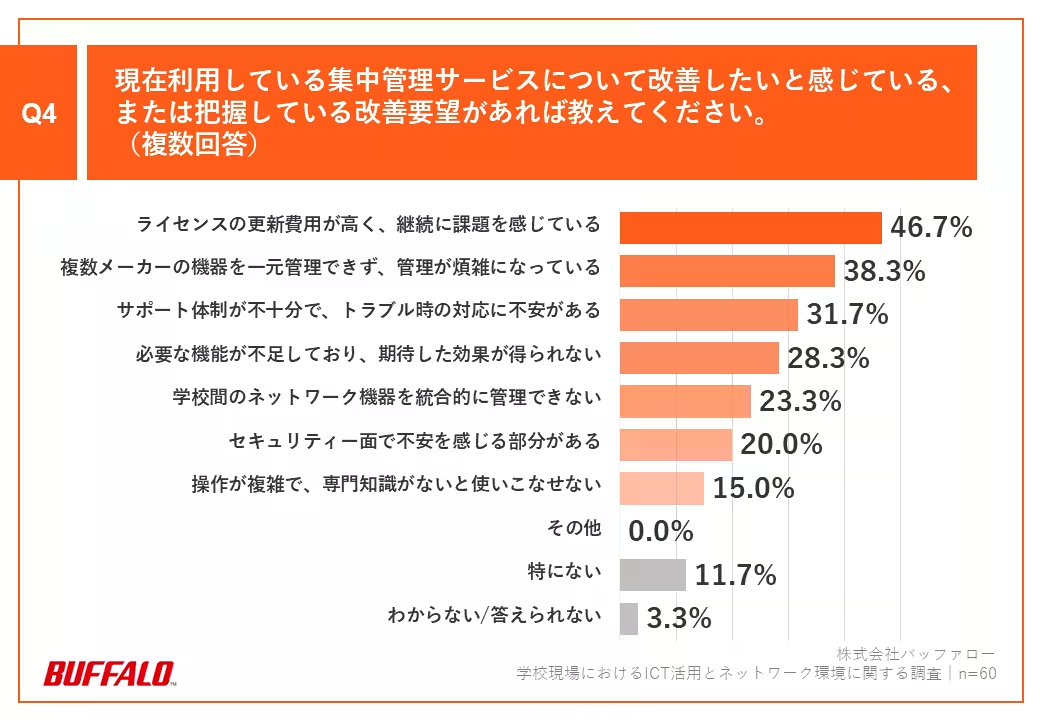
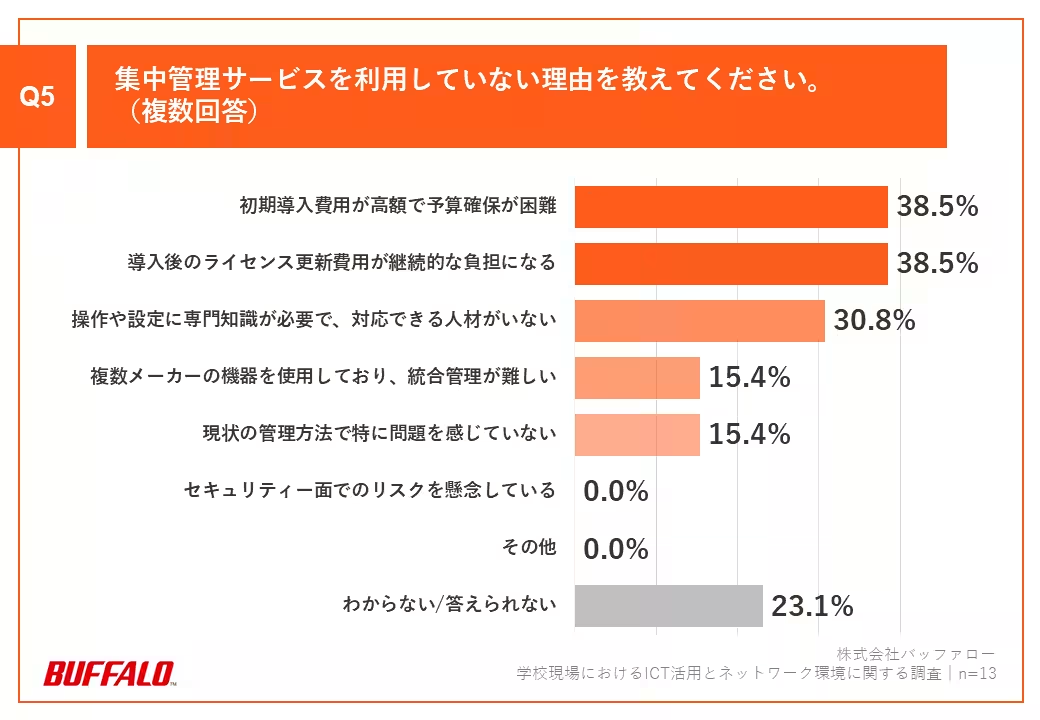
Furthermore, an encouraging 69.8% of respondents confirmed their use of centralized management services for network device maintenance. However, almost half of these users (46.7%) criticized the high costs associated with license renewals as a barrier to consistent service employability. With many reporting that the high initial cost of implementation and subsequent charges for renewals were significant obstacles to adopting these centralized services.
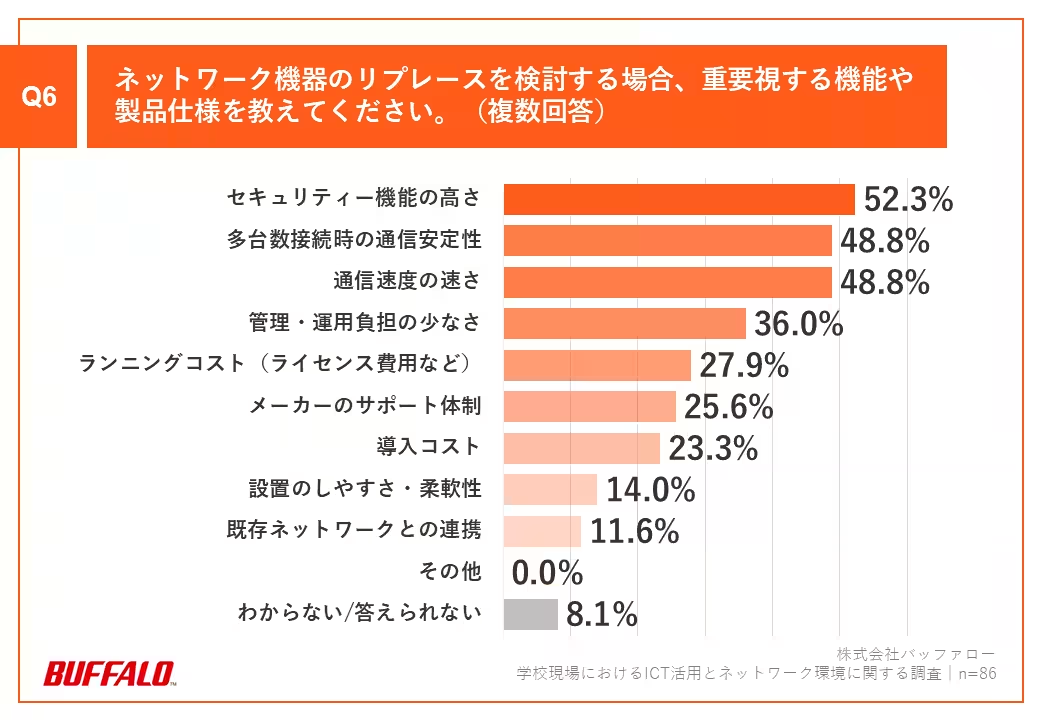
The survey shed light on important functionalities that schools prioritize when considering network device replacements. A considerable 52.3% valued 'high-security features', while about 48.8% placed emphasis on 'communication stability during high-device connections'.
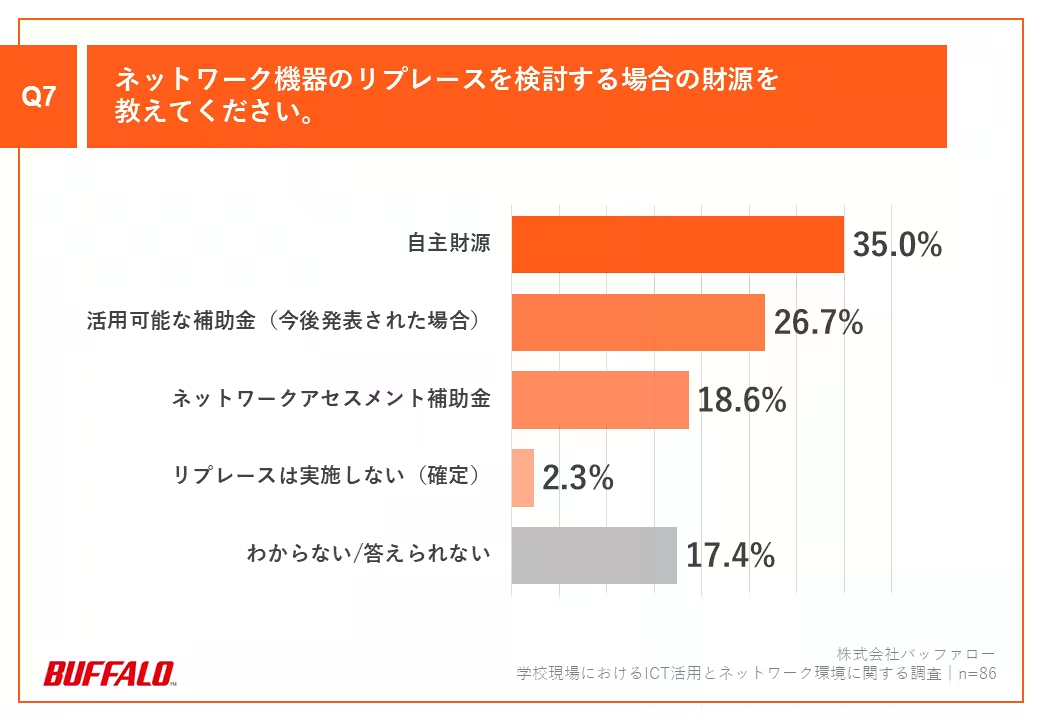
When queried about potential funding sources for replacements, 35% indicated they would rely on their own resources, while around 26.7% expressed hope in possible grants becoming available.
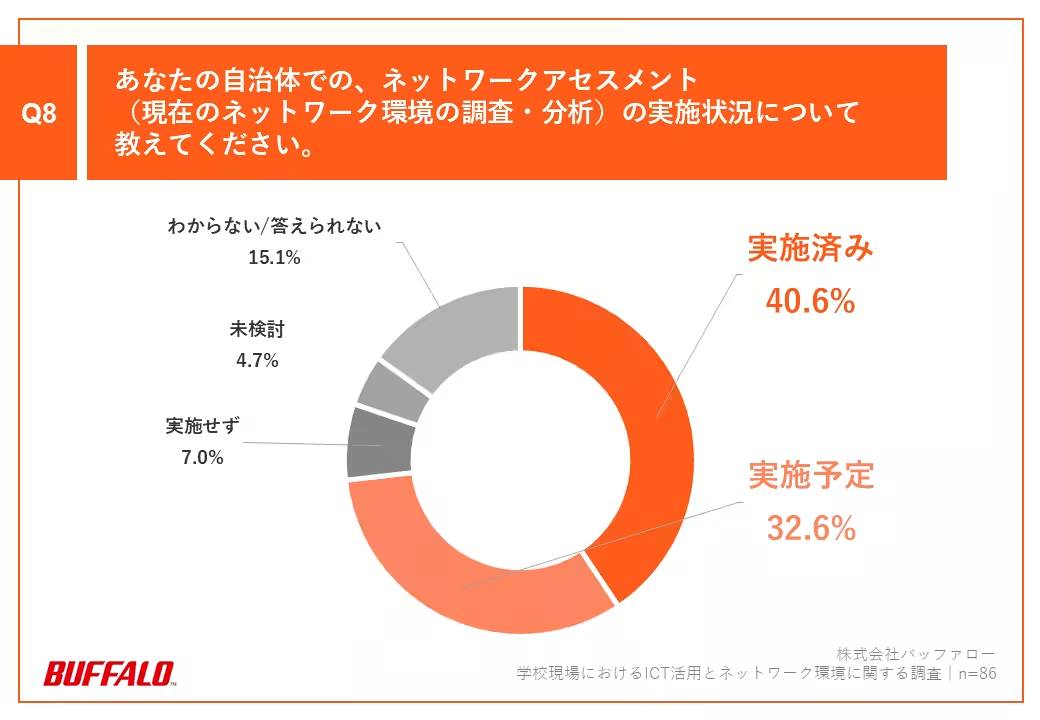
Furthermore, the implementation of network assessments revealed that about 40.6% of respondents had completed evaluations of their current network environments, with another 32.6% planning to do so in the future. These proactive measures are critical in addressing existing issues and ensuring a conducive learning environment in the digital age.
The insights garnered through this survey paint a stark reality of the challenges schools face in leveraging ICT effectively as part of their educational infrastructure. While the initiative to advance digital education through the GIGA School concept is commendable, it is clear that systemic issues surrounding network stability, personnel expertise, financing, and overall management must be addressed expeditiously. To cultivate a sustainable ICT education landscape, schools should consider adopting reliable network devices that assure performance stability, coupled with affordable centralized management solutions. The landscape of education is shifting rapidly, and the foundation for this transition lies in effectively managing the digital tools that empower modern learning.
The findings, sourced from Buffalo Inc., underscore the importance of establishing a solid ICT framework that directly impacts educational outcomes. Explore further about network solutions suitable for schools at Buffalo's website.
For a more in-depth understanding of our findings and recommendations, download the complete research report today.



Survey Insights
The study, titled 'Research on the Use of ICT and Network Environments in Schools', was carried out between August 22 and August 26, 2025, utilizing the online research service provided by IDEATECH. It gathered insightful data about how ICT is utilized in educational settings and the existing challenges aligning with network connectivity.
A staggering 70.9% of participants expressed a desire for improvements regarding the Wi-Fi systems in place, indicating that the ongoing digital transformation within education is not without its hurdles. When asked to specify their concerns, 55.7% of the respondents pointed to issues of 'communication stability when multiple devices are connected at once', a critical aspect of tech-enabled classrooms.
Key Concerns for Improvement
Further analysis of the feedback highlighted several key areas needing attention:
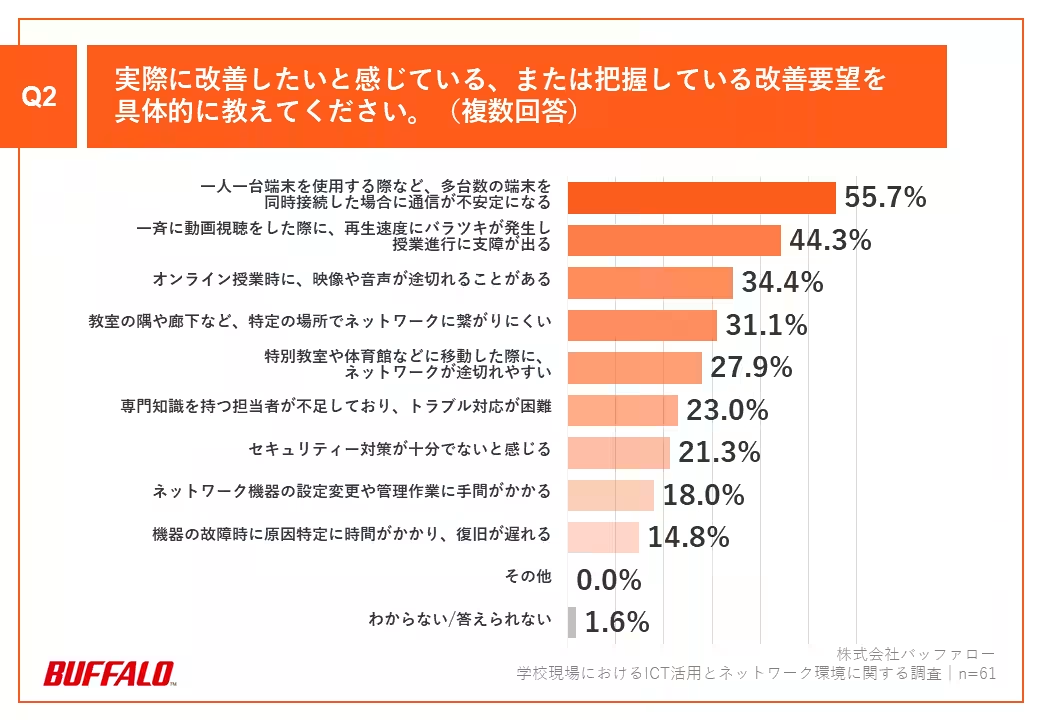
- - Unstable Connections During High Demand: 55.7% indicated that during instances where multiple devices are utilized (like one-to-one learning), connectivity becomes unreliable.
- - Variations in Playback Speeds: 44.3% reported that video playback is inconsistent when large groups attempt to view content simultaneously, disrupting the flow of lessons.
- - Audio/Visual Interruptions: Approximately 34.4% noted occurrences of video and audio disruptions during online classes.
Additionally, there are concerns about specific locations within the school environment where connections are difficult to establish, such as corners or hallways (31.1%), and issues arise when moving to locations like gymnasiums (27.9%).
Concentrated Network Management Services
Furthermore, an encouraging 69.8% of respondents confirmed their use of centralized management services for network device maintenance. However, almost half of these users (46.7%) criticized the high costs associated with license renewals as a barrier to consistent service employability. With many reporting that the high initial cost of implementation and subsequent charges for renewals were significant obstacles to adopting these centralized services.
The survey shed light on important functionalities that schools prioritize when considering network device replacements. A considerable 52.3% valued 'high-security features', while about 48.8% placed emphasis on 'communication stability during high-device connections'.
Funding and Resource Planning
When queried about potential funding sources for replacements, 35% indicated they would rely on their own resources, while around 26.7% expressed hope in possible grants becoming available.
Furthermore, the implementation of network assessments revealed that about 40.6% of respondents had completed evaluations of their current network environments, with another 32.6% planning to do so in the future. These proactive measures are critical in addressing existing issues and ensuring a conducive learning environment in the digital age.
Conclusion
The insights garnered through this survey paint a stark reality of the challenges schools face in leveraging ICT effectively as part of their educational infrastructure. While the initiative to advance digital education through the GIGA School concept is commendable, it is clear that systemic issues surrounding network stability, personnel expertise, financing, and overall management must be addressed expeditiously. To cultivate a sustainable ICT education landscape, schools should consider adopting reliable network devices that assure performance stability, coupled with affordable centralized management solutions. The landscape of education is shifting rapidly, and the foundation for this transition lies in effectively managing the digital tools that empower modern learning.
The findings, sourced from Buffalo Inc., underscore the importance of establishing a solid ICT framework that directly impacts educational outcomes. Explore further about network solutions suitable for schools at Buffalo's website.
Download the Research Report
For a more in-depth understanding of our findings and recommendations, download the complete research report today.
Topics Other)
【About Using Articles】
You can freely use the title and article content by linking to the page where the article is posted.
※ Images cannot be used.
【About Links】
Links are free to use.