



The Resurgence of Company Cafeterias: A Comprehensive Guide on Implementation and Operations
The Resurgence of Company Cafeterias
Understanding Company Cafeterias and Their Benefits
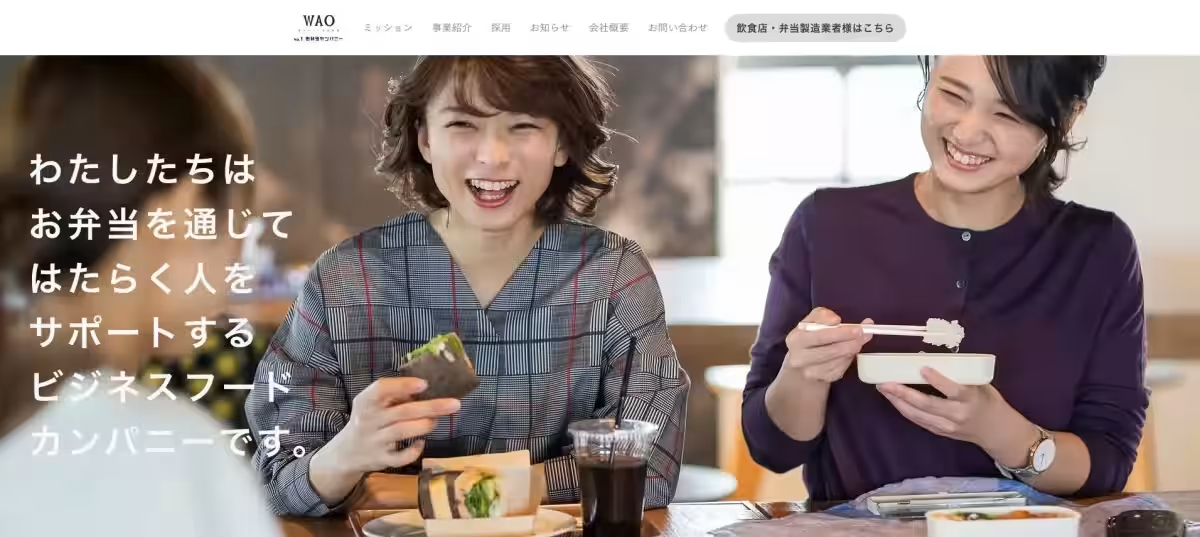
In recent years, the concept of company cafeterias has gained renewed attention as organizations seek to enhance employee benefits and satisfaction. According to Wao Corporation, a leading provider of office meal services based in Shibuya, Tokyo, their initiative, "Shashoku DELI," serves as a prime example of how such services can contribute significantly to employee well-being and satisfaction.
The definition of a company cafeteria, or "Shashoku," revolves around providing nutritious meals that are easily accessible to employees during their work hours. Moving beyond a simple meal provisioning service, cafeterias serve as a hub for social interaction and wellness, promoting a healthier work environment. This article will explore the varied types of cafeteria services, the background for their increasing importance, and key considerations for businesses looking to incorporate these services.
Background for Renewed Interest
The changing landscape of work, characterized by diversifying work styles, rising living costs, and a heightened focus on health management and human capital, has fueled a re-evaluation of company cafeterias. Businesses are recognizing that providing a quality meal service not only serves dietary needs but also plays a crucial role in employee satisfaction and retention.
Types of Company Cafeteria Services
Gone are the days when employee cafeterias were merely static dining halls. Today, options exist that suit various business needs:
- - On-site Cafeterias: Traditional set-ups where meals are prepared and served in a dedicated space.
- - Pop-up Cafeterias: Temporary setups in unused office spaces offering diverse menu options.
- - Meal Voucher Programs: Allowing employees to choose meals from local vendors.
- - Delivery Services: Convenient meal options delivered directly to employees at their desks.
The challenge arises as HR managers and decision-makers discern which service best suits their company culture and operational model. Wao Corporation's article serves as a guide, articulating the merits and logistical necessities of each option.
Considerations for Implementation
Introducing a cafeteria requires sufficient planning and resource allocation. Organizations must consider various factors:
- - Understanding Employee Preferences: Surveys or informal feedback can guide menu choices to align with the workforce’s tastes.
- - Budgeting and Financial Planning: Deciding on subsidization models to ensure affordability while maintaining quality.
- - Facility Requirements: Assessing existing office spaces to determine whether modifications are necessary for service integration.
Operational and Engagement Strategies
To ensure that company cafeterias remain popular among employees post-launch, strategic operations and engagement tactics must be employed:
- - Diverse Menus: Offering a rotating selection of meals, including local specialties and seasonal items to keep the dining experience fresh.
- - Employee Involvement: Encouraging feedback and suggestions for menu items can enhance participation and satisfaction.
- - Health and Wellness Focus: Highlighting healthy options and nutritious meal plans to attract health-conscious employees.
Conclusion: Cafeterias as a Strategic Asset
By viewing cafeterias not merely as meal providers but as a strategic asset that contributes to employee morale, organizations set themselves apart in competitive job markets. Wao Corporation's Shashoku DELI offers a model that balances operational efficiency with employee satisfaction, demonstrating that a well-implemented cafeteria service is pivotal in today's fast-evolving business landscape. This guide serves as a valuable resource for HR professionals and organizational leaders looking to enhance their employees' workplace experience.
About Wao Corporation
Founded in September 2003, Wao Corporation has been at the forefront of developing meal services aimed at improving employee well-being and enhancing workplace satisfaction. Their offerings, including Shashoku DELI, ensure a seamless experience while reducing operational burdens for companies.
With services designed to cater to diverse dietary needs and preferences, Wao Corporation is committed to fostering healthier and happier workplaces.
Topics Consumer Products & Retail)
【About Using Articles】
You can freely use the title and article content by linking to the page where the article is posted.
※ Images cannot be used.
【About Links】
Links are free to use.