



Understanding the Current State and Issues Faced by Vacant House Owners in Japan
Understanding the Current State and Issues Faced by Vacant House Owners in Japan
In a recent awareness survey conducted by Ject One, a real estate development company based in Shibuya, Tokyo, the concerns and current situation of vacant house owners in Japan were thoroughly explored. In this article, we delve into the insights from the 2026 survey aimed at homeowners and future inheritors in the age range of 30 to 74, and discuss the psychological barriers that affect their decisions regarding vacant properties.
Key Findings from the 2026 Survey on Vacant House Owners
Decision-making Indicators
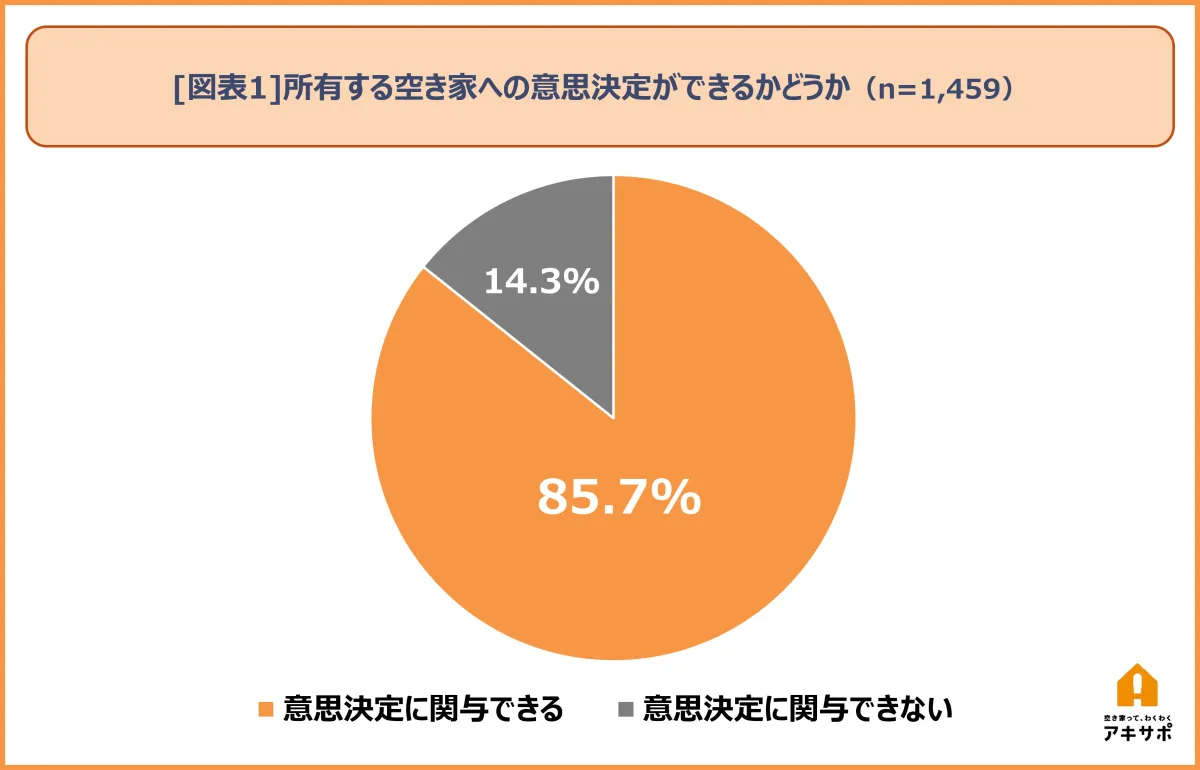
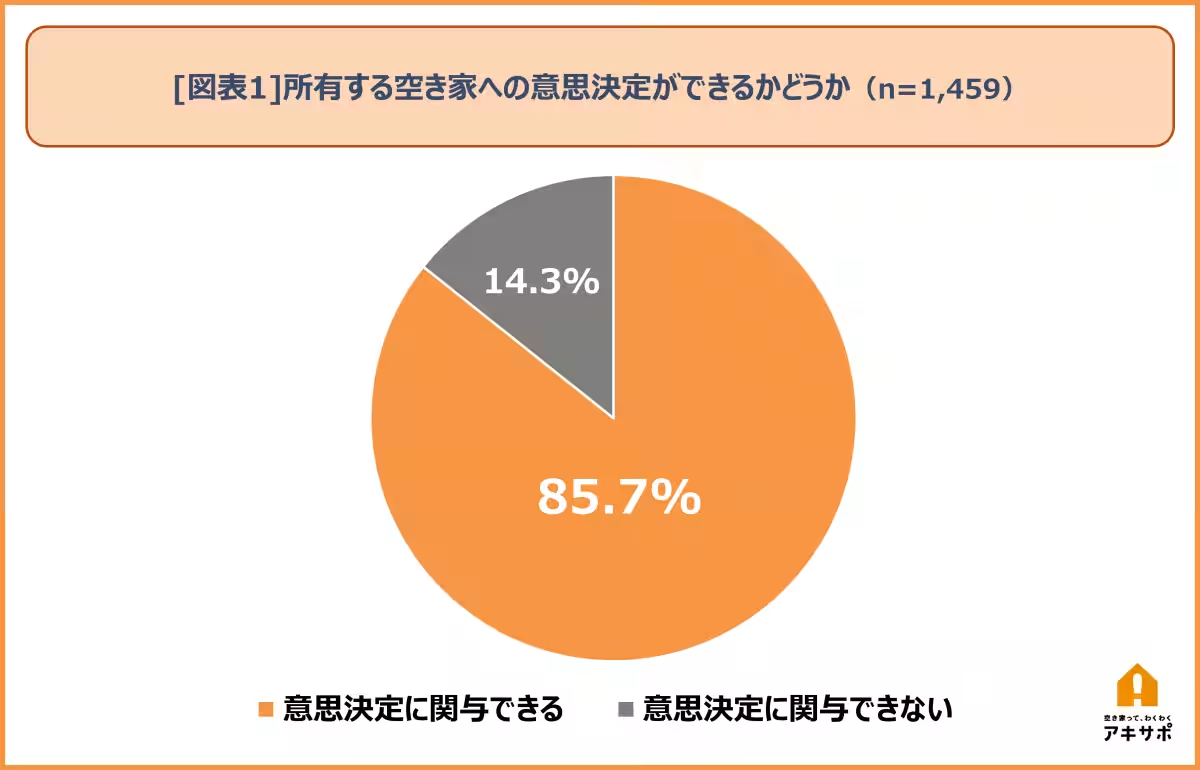
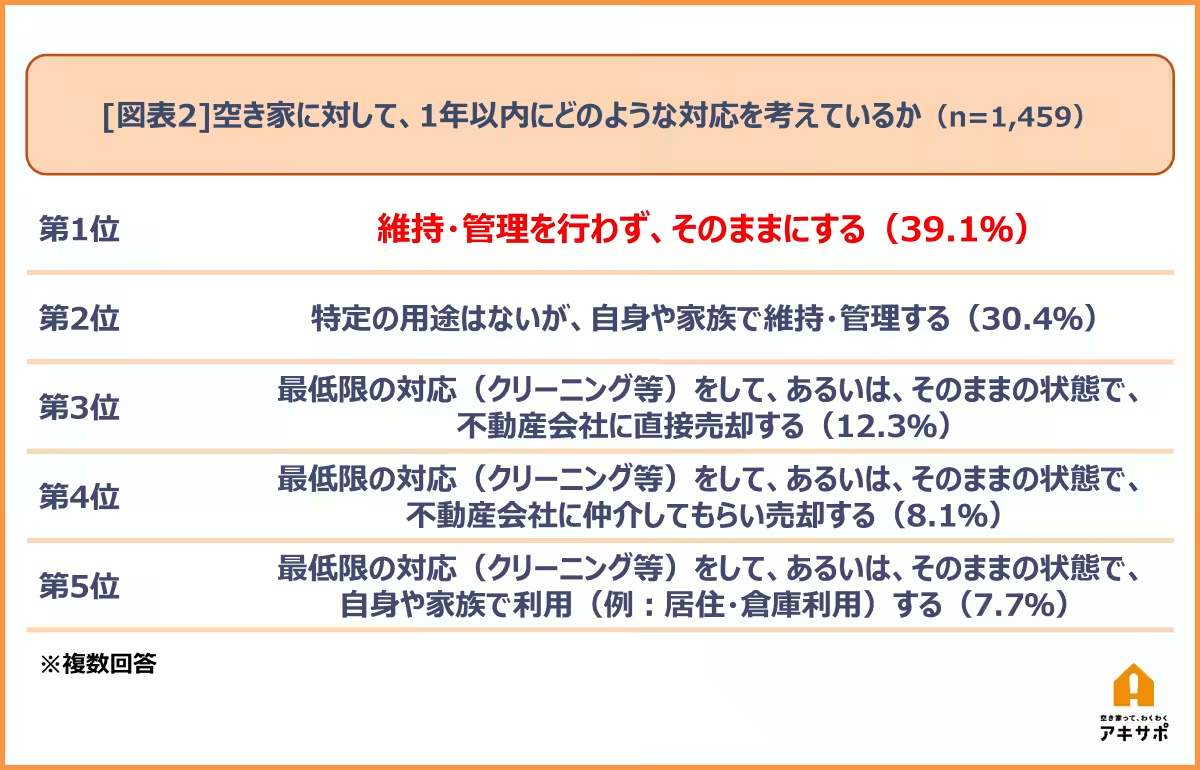
The survey indicates that over 85% of respondents feel they have a say in the management of their properties, either because they own the property or have familial rights. However, the most striking result is that approximately 70% of these owners plan to either do nothing, or maintain their properties as they are, showing a reluctance to sell or rent the properties out, with only 10%-20% expressing interest in active utilization.
Barriers to Action
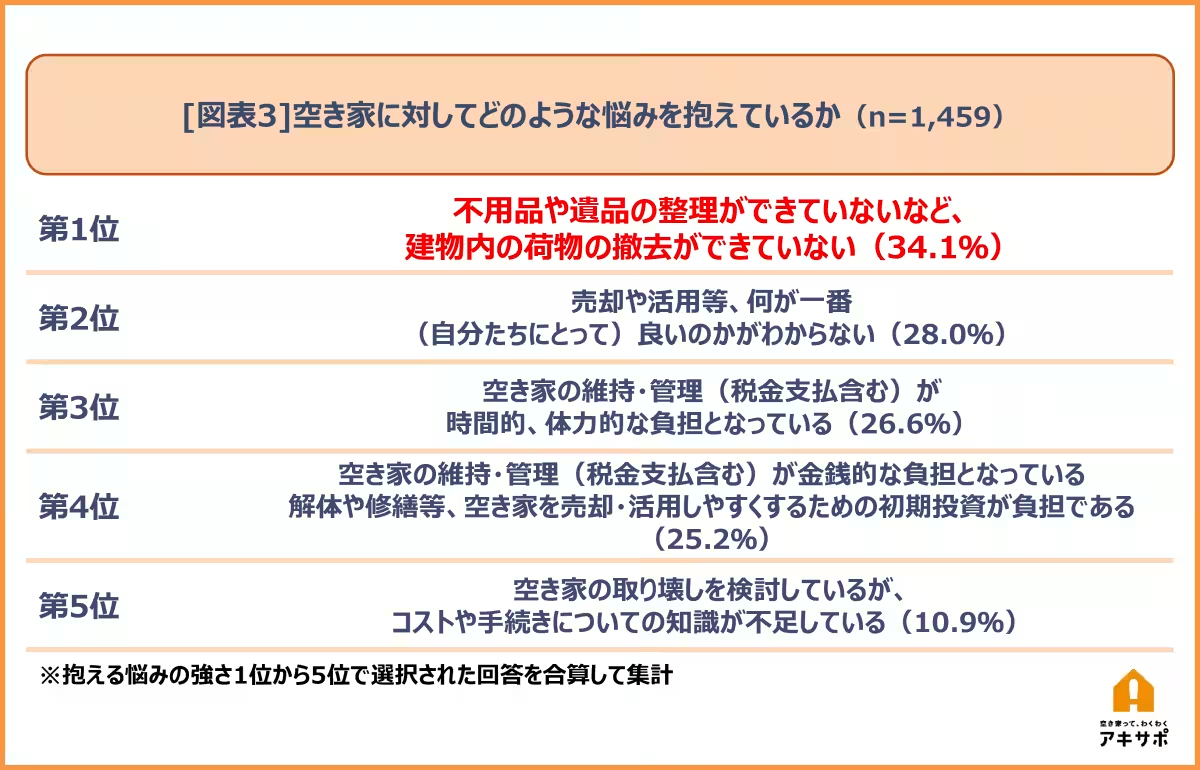
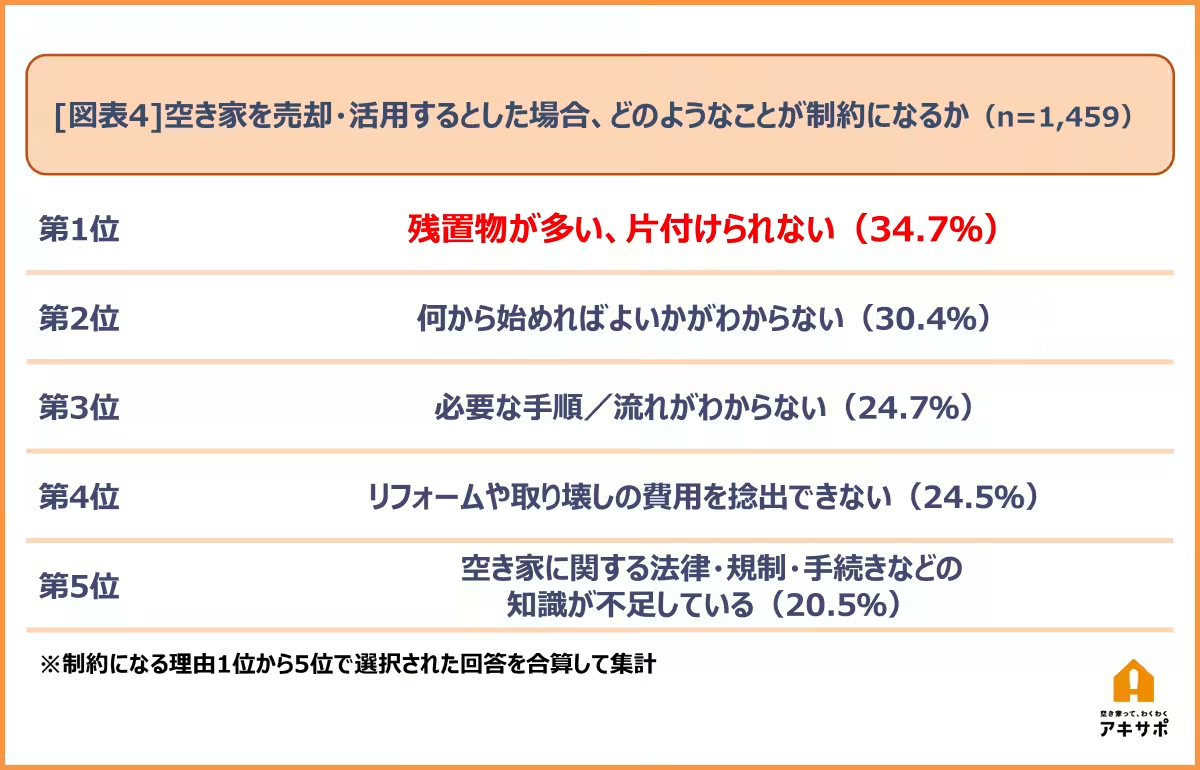
Among the issues plaguing vacant house owners, the top concern, identified by 34.1% of participants, was the inability to remove unwanted items or personal belongings left behind (such as those belonging to deceased family members). Moreover, the most significant barriers preventing active selling or management were cited as physical obstacles, like the presence of leftover belongings that need to be dealt with, alongside a lack of knowledge on how to initiate the process. A notable 30.4% of respondents indicated confusion about where to start.
The Five Types of Vacant House Owners
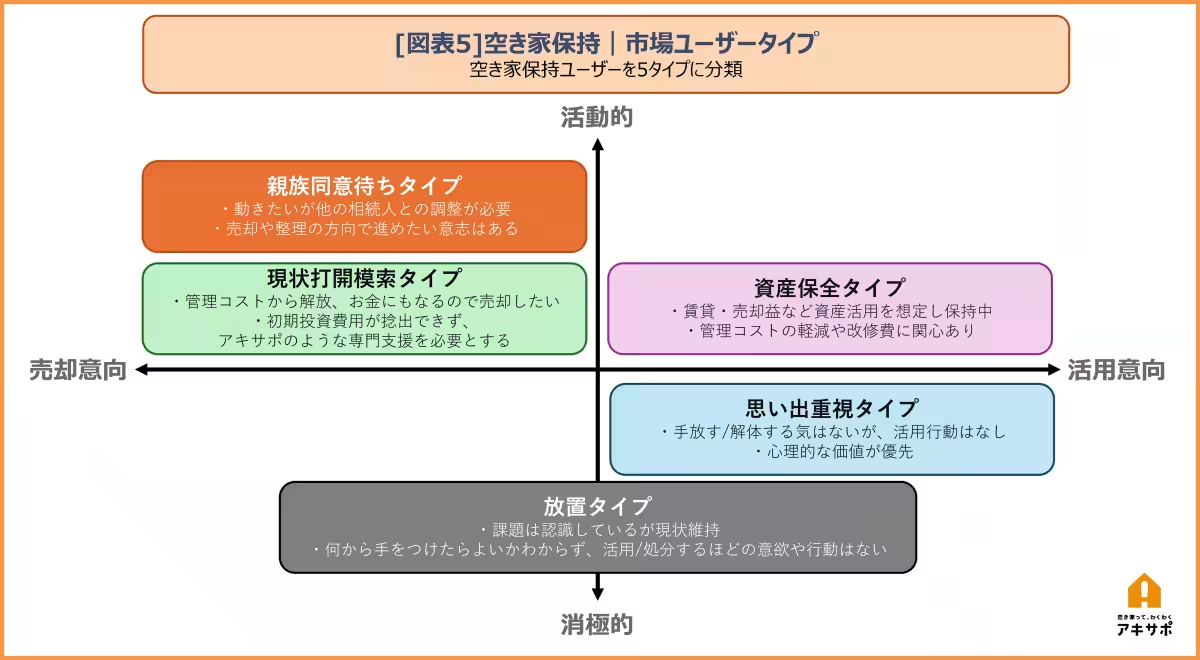
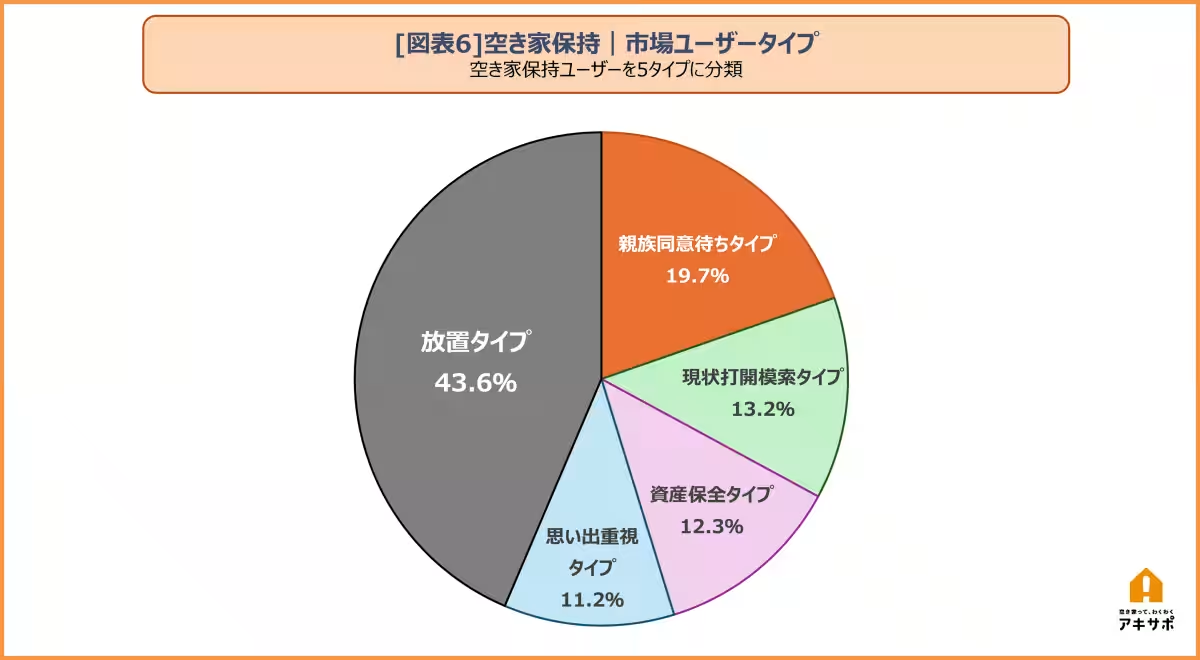
By categorizing vacant property owners based on their psychological profiles and associated worries, the survey identified five distinct types:
1. Memory-Focused Owners: These individuals feel emotional burdens related to deceased relatives and struggle to take action regarding the property. They account for 20.2%.
2. Waiting for Family Consensus: This group faces difficulties due to disagreements with family members, making decisions complicated. They are prominently driven by a fear of family disapproval.
3. Economically Underserved Owners: These owners see minimal demand for their properties and lack the funds for essential renovations or teardown—a common concern for 32.1% of participants.
4. Information Overloaded Owners: The majority, at 43.6%, simply don’t know where to start. They are the group that needs the most assistance, as they feel stuck due to unclear information.
5. Owners with No Immediate Concerns: Comprising 23.9%, this group reports not having pressing issues; however, they still face potential risks due to inaction over time.
Owner Desires: Reliability Over Profit
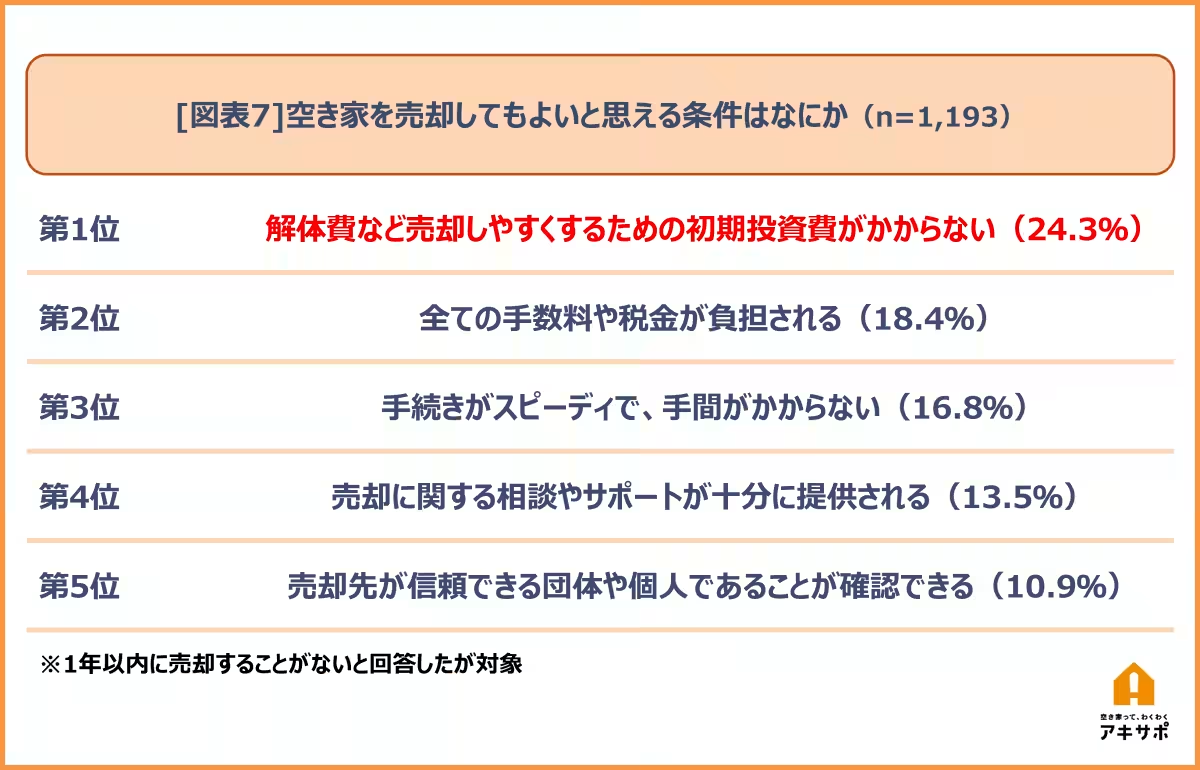
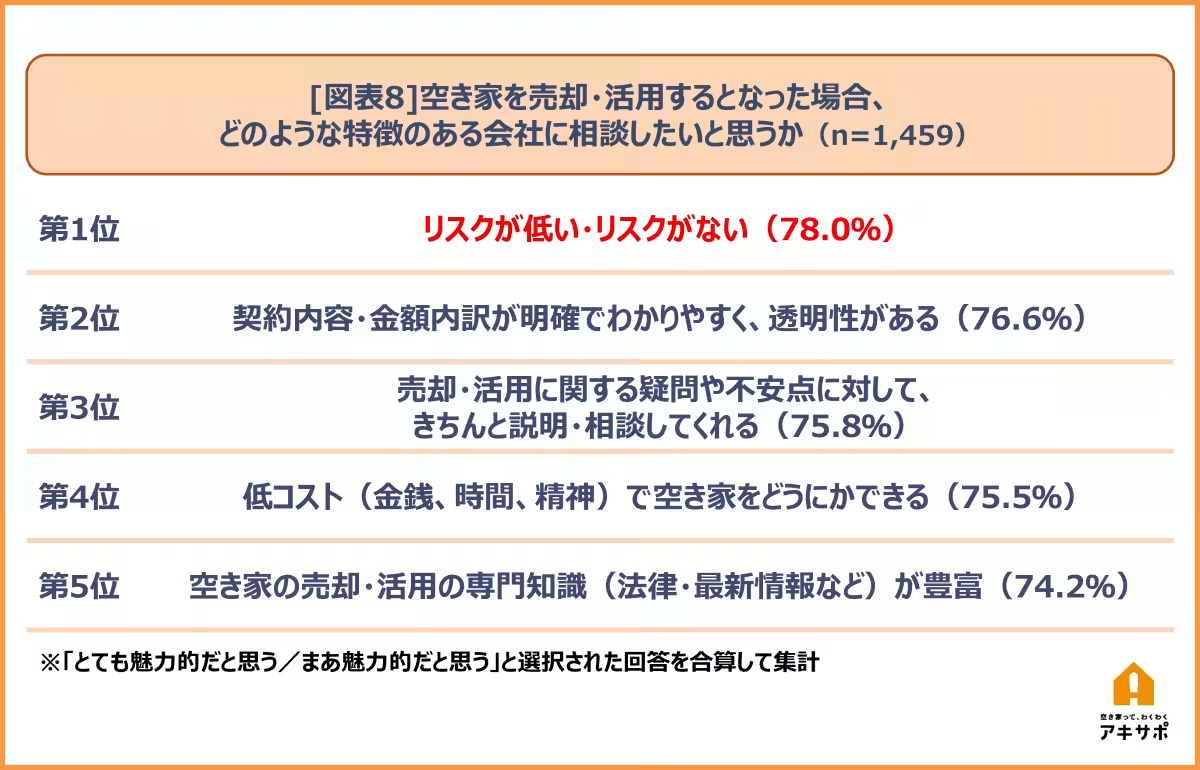
Interestingly, the survey revealed that owners are not primarily focused on maximizing sales price; instead, they prioritize reliability in selling their vacant homes. Key conditions include the absence of initial investment fees (for clean-up, repairs, etc.) and fast, straightforward procedures. Benefits such as low risk and a trustworthy process were essential qualities sought in potential agents or companies. This highlights owners’ preferences for a hassle-free approach to managing their properties.
Expert Commentary from Akisapo
According to the Akisapo team, the core of the vacant house issue is not that owners lack the desire to sell or rent, but rather that uncertainty and information gaps create emotional paralysis. Assisting owners through the entire journey—from clean-up to transaction—while providing timely information can rejuvenate the stalled market. Given that homeowners wish for streamlined solutions, community engagement from real estate and local authorities remains paramount.
Conclusion
Addressing the challenges of vacant homes requires collaboration among various stakeholders, including municipalities and real estate firms. Ject One’s Akisapo program is committed to helping owners explore their options, whether seeking to rent or sell properties. The initiative facilitates a seamless experience while catering to the unique needs of each homeowner.
About Akisapo
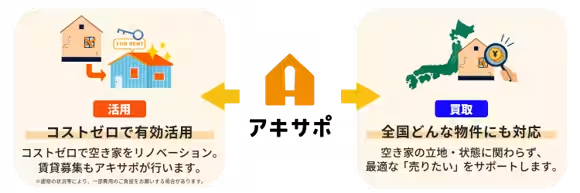
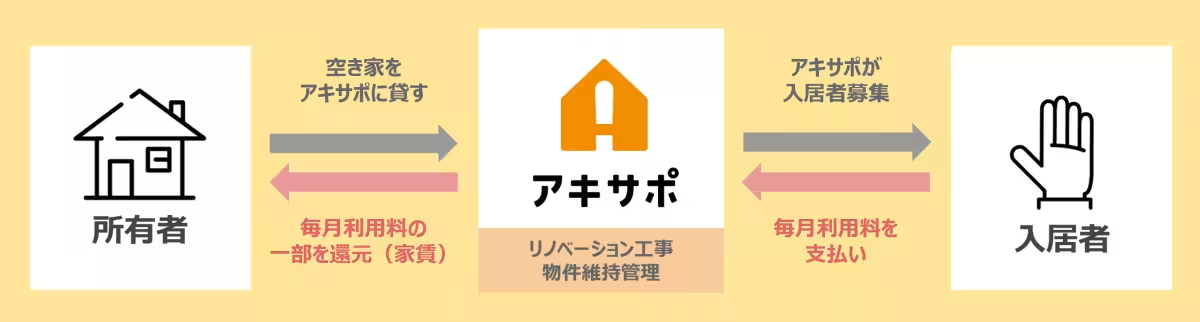
Launched in 2016 by Ject One, Akisapo is a service dedicated to resolving vacant house issues. By providing tailored solutions, we offer a comprehensive approach that includes renovation, management, and transaction services. For more information or to access our services, please visit Akisapo.
Ject One Company Overview
- - Name: Ject One Co., Ltd.
- - Location: 2-17-1 Shibuya, Shibuya-ku, Tokyo, Japan.
- - Established: January 28, 2009.
- - CEO: Mikio Okawa.
- - Business Areas: Real estate development, renovation, leasing management, and vacant house services.
Topics Consumer Products & Retail)
【About Using Articles】
You can freely use the title and article content by linking to the page where the article is posted.
※ Images cannot be used.
【About Links】
Links are free to use.