



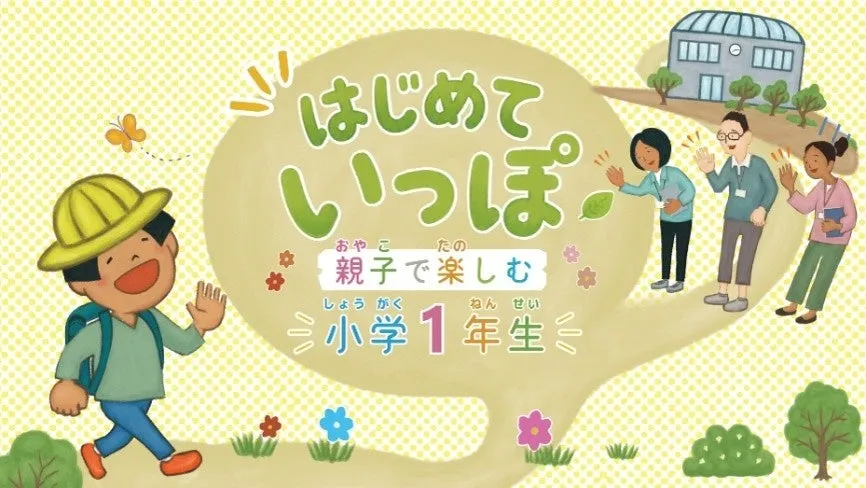
A Comprehensive Guidebook for Parents and Children: Transitioning to Elementary School with Joy
A Joyful Transition for Parents and Children
As children transition from kindergarten or preschool to elementary school, it can be a time filled with both excitement and anxiety. To support families through this critical phase, a new guidebook has recently been published. This comprehensive resource aims to foster a positive image of elementary school for both children and their parents, ensuring they face the change with enthusiasm and confidence.
Understanding the Context
The surge in school refusal among young students is a pressing issue. According to a recent survey by the Ministry of Education, the number of students in Tokyo who refrain from attending school reached a staggering 33,724, marking a two-year decrease but still approximately double the numbers seen before the COVID-19 pandemic. Among the first graders, the increase in absence is particularly alarming, recorded at around three times higher compared to previous years. This alarming trend highlights a troubling reality; younger children are increasingly struggling to adapt to school life, leading to heightened concerns among parents.
Emphasizing Preparedness
In response to these challenges, a survey conducted in Tokyo revealed that about half of the families with first graders are worried about their children's ability to adjust to school life before they even start. To alleviate such concerns, the guidebook incorporates various features designed to engage both parents and children in a fun and educational manner.
Features of the Guidebook
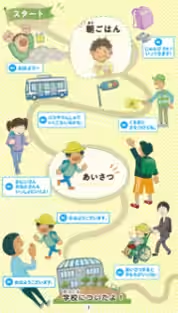
1. Interactive Experience: The guidebook transforms the daunting concept of school into a fun experience. By tapping on the screen, parents and children can hear sounds and see animations related to a typical school day. This feature encourages families to actively engage with the content, making it easier for children to visualize what their new school life could be like.
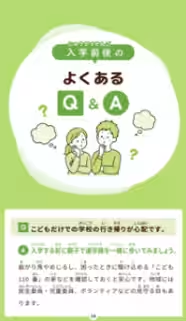
2. Addressing Concerns: The guidebook provides a Q&A section that tackles common worries parents might have regarding their children's transition. Issues such as transportation and literacy fears are addressed in a straightforward manner, providing comforting answers to these pressing concerns.
3. Ongoing Support: Recognizing that challenges don’t end with the first day of school, the guidebook includes pages dedicated to addressing changes in children’s behavior after they start school. Parents can revisit this resource whenever they feel the need for guidance, helping them navigate any building frustrations or issues that arise.
Tailored for Families
The primary audience for this guidebook includes children entering elementary school and their parents. Distribution is set for various locations in Tokyo, such as kindergartens, daycare centers, libraries, and children’s community centers, ensuring easy access for families.
User-Friendly Access
To make the guidebook as accessible as possible, it can be conveniently viewed on smartphones or computers through a simple QR code. This digital format allows for a quick and straightforward way for families to utilize the resource, incorporating it effortlessly into their routine.
Raising Awareness
Promoting this guidebook aligns with the ongoing strategies for educational improvement within Tokyo, particularly in response to the increasing concern surrounding school refusal. The initiative falls under the broader scope of the "2050 Tokyo Strategy," which emphasizes policies that place children at the forefront.
Conclusion
In embracing this innovative guidebook, parents and children can look forward to starting elementary school together with optimism. By addressing key concerns and providing a fun way to engage with the unknown, this resource empowers families to tackle the transition confidently. Parents are encouraged to make use of this valuable tool as they prepare for one of life's significant milestones.




Topics Other)


【About Using Articles】
You can freely use the title and article content by linking to the page where the article is posted.
※ Images cannot be used.
【About Links】
Links are free to use.