



Exam Preparation Trends: How Japanese High School Students Optimize Time with Effective Study Techniques
Exam Preparation Trends among Japanese High School Students
Introduction
A recent survey conducted by A.ver Co., Ltd., the operator of Takedajuku, a well-known learning institute in Japan, examined the study methods of current high school seniors preparing for entrance examinations. The study involved 102 students and revealed significant insights into their preferences and challenges in maximizing their time efficiently.
Key Findings
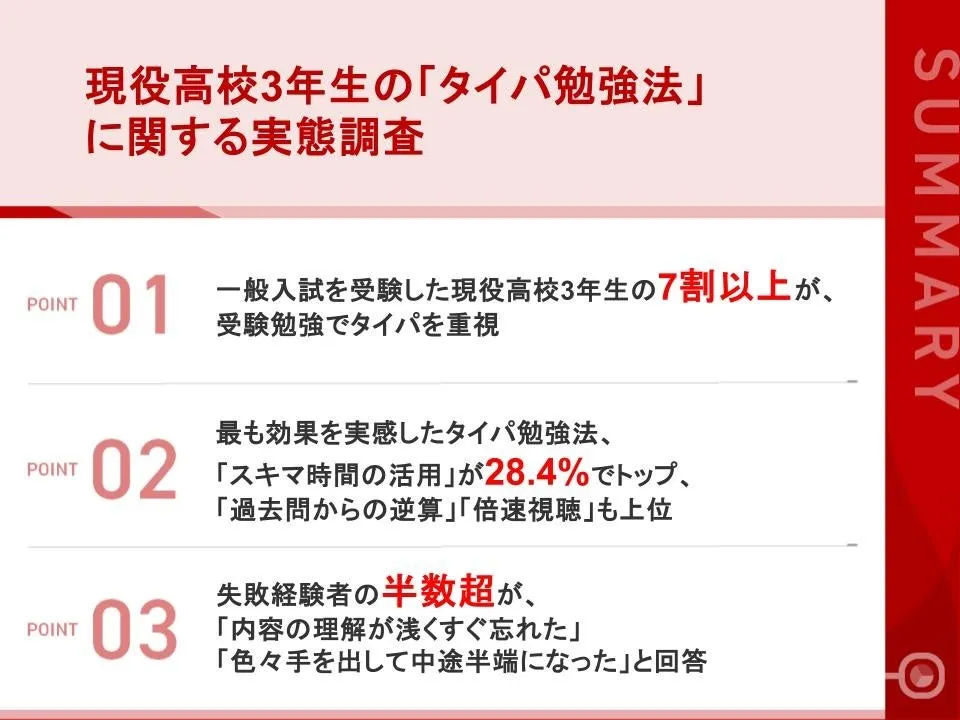
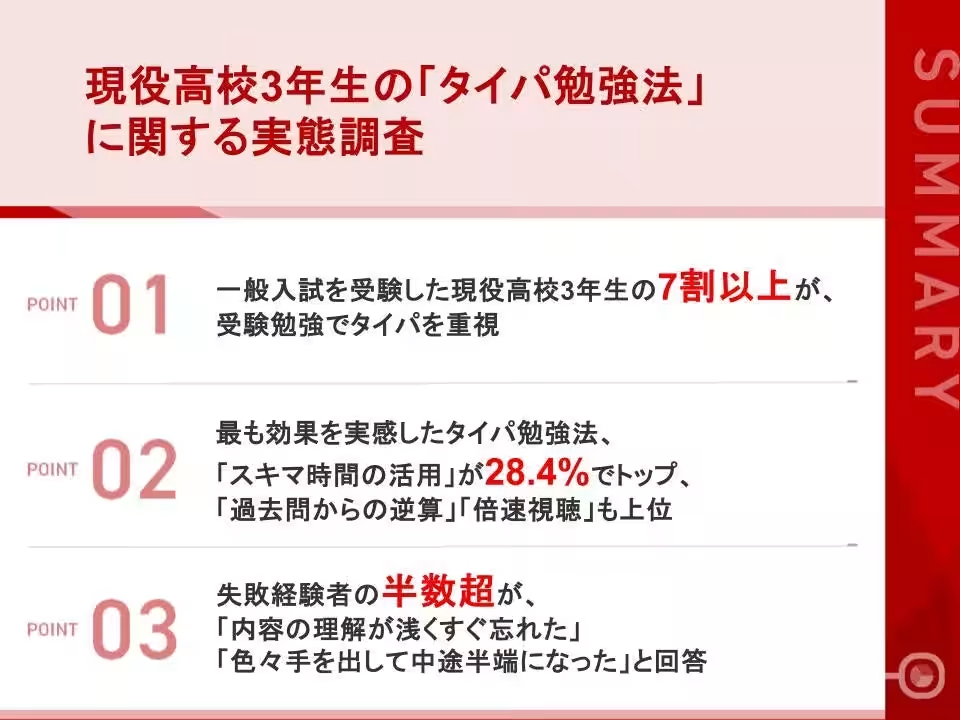
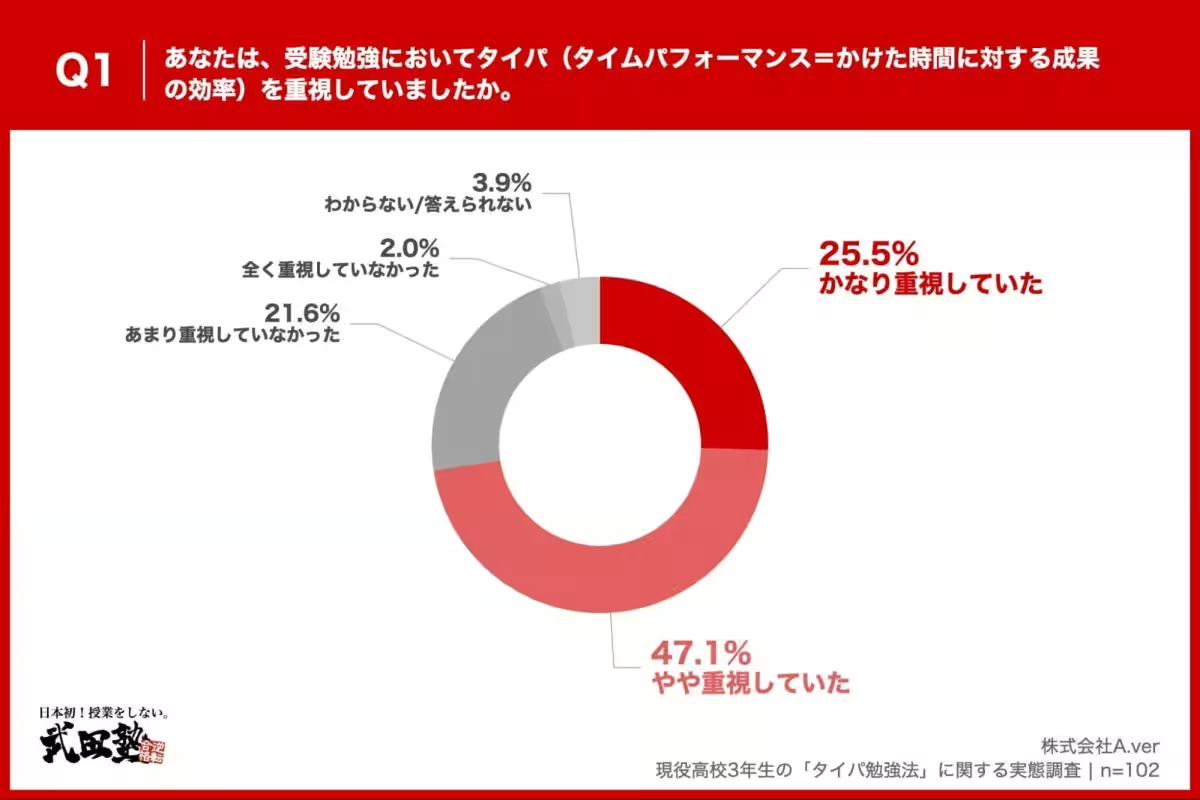
The results showed that over 72% of students value time performance, known as 'tai pa' in Japan, in their study routines. This indicates a strong emphasis on maximizing study efficiency among students who feel pressured by the limited time remaining until their exams.
Importance of Time Management
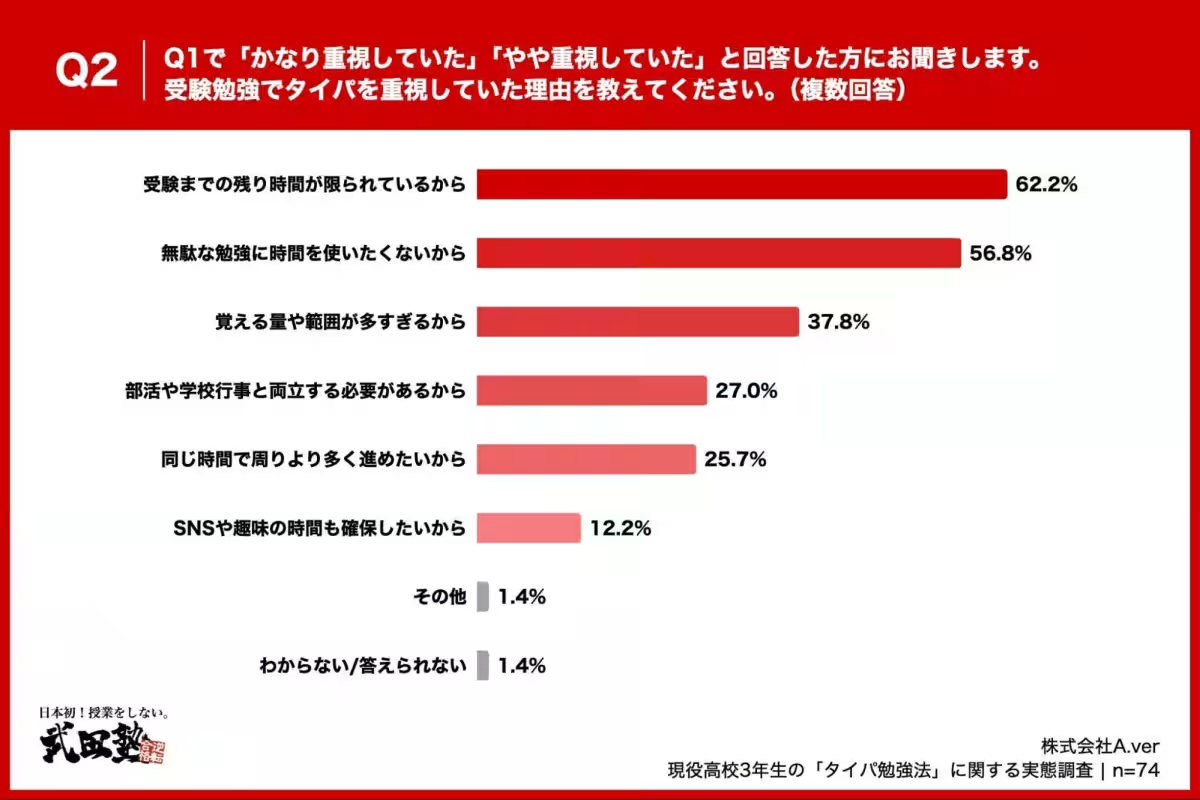
When asked why they prioritize time performance, 62.2% of students cited the constraint of time until exams as the primary reason. Additional reasons included the desire to avoid spending time on ineffective study methods (56.8%) and the vast amount of material to grasp (37.8%). This context reveals the mounting pressure students face to perform well in examinations, driving them to seek efficient study methodologies.
Popular Study Techniques
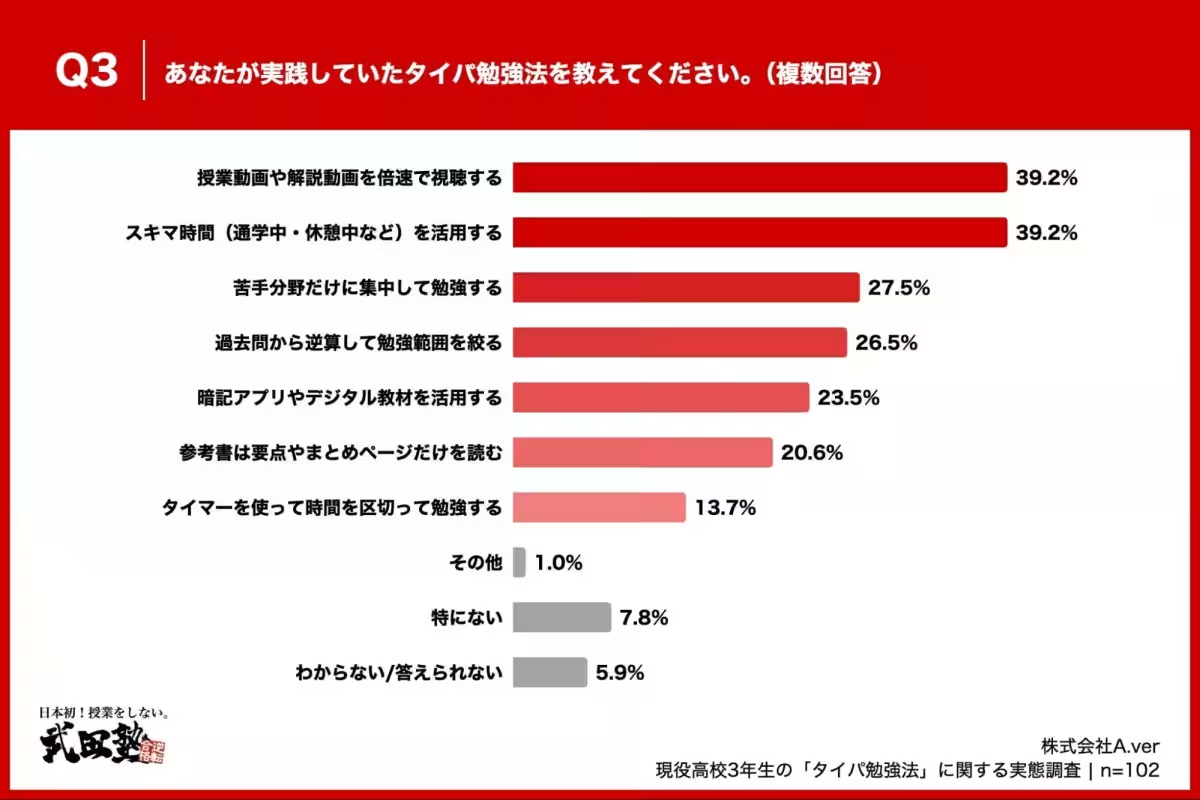
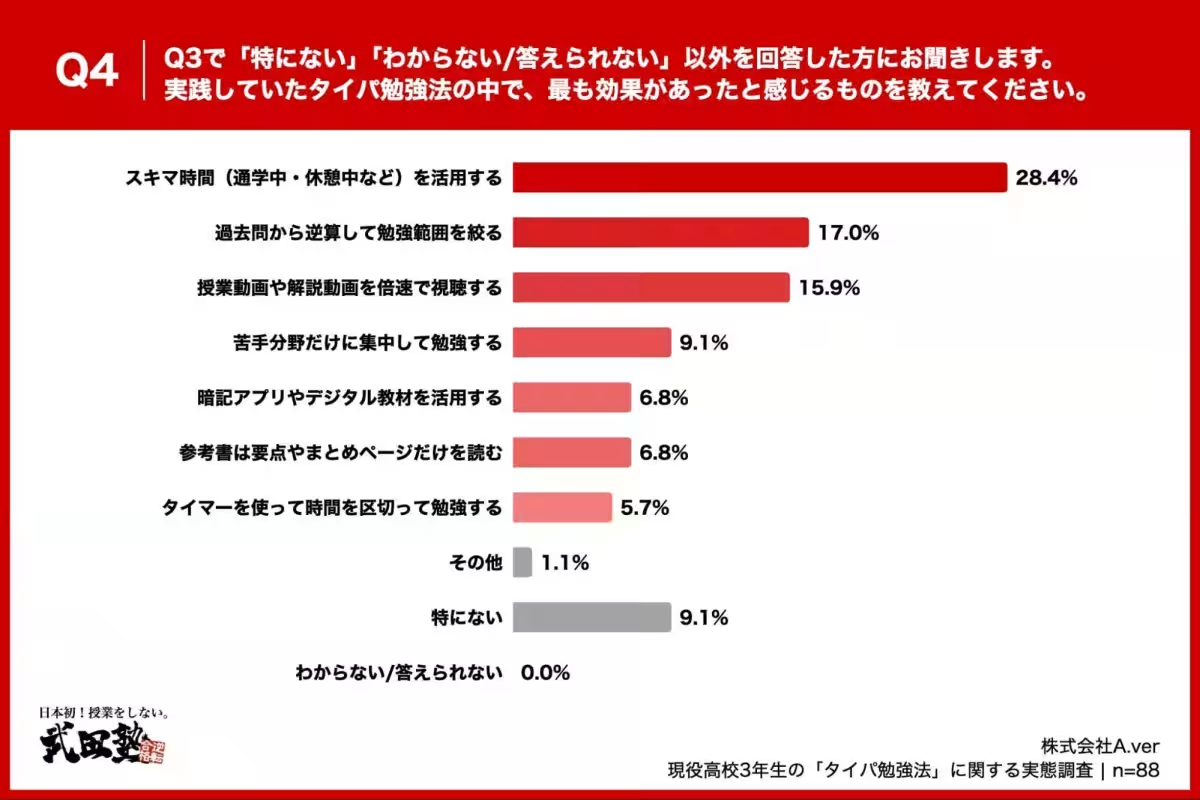
Among the array of methods employed, utilizing 'gap time' during commutes or breaks emerged as the most favored approach, with 28.4% of respondents reporting it as the most effective study technique. Interestingly, 39.2% also indicated that they watched instructional videos at an accelerated pace, highlighting a trend towards making the most of available resources efficiently.
Benefits and Drawbacks of 'Tai Pa' Focus
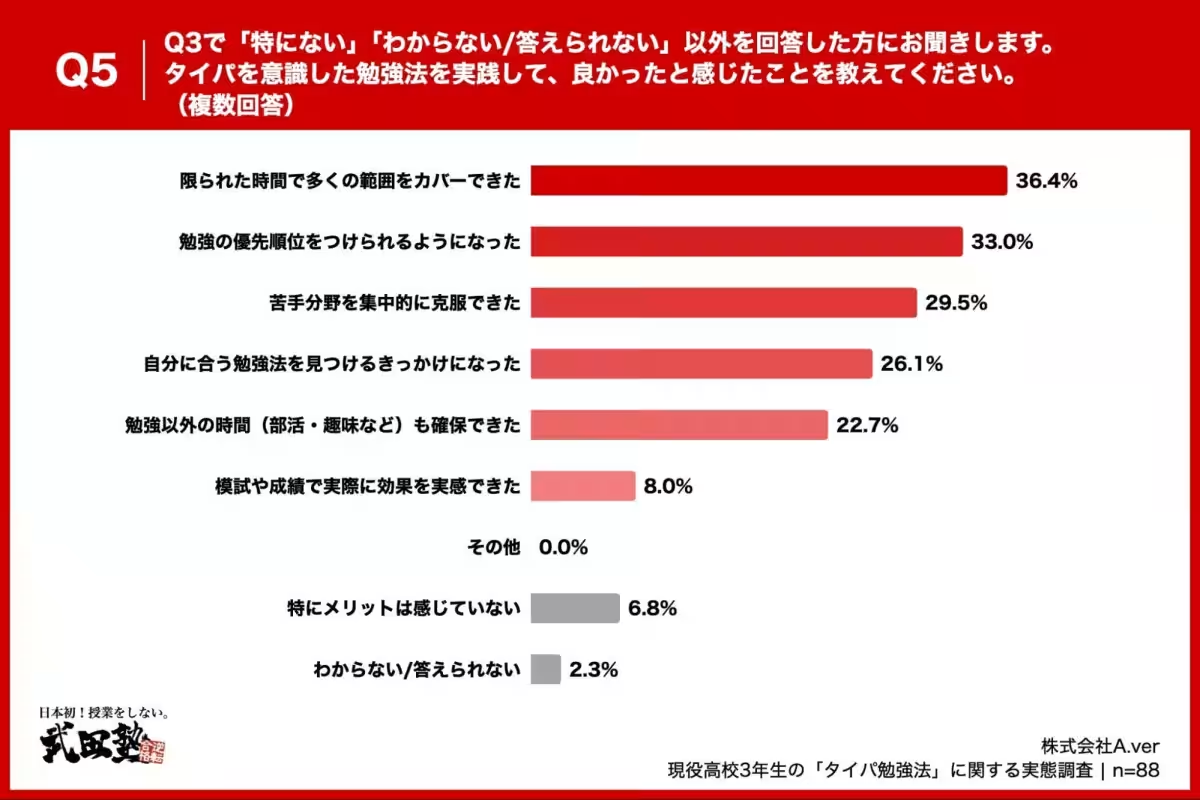
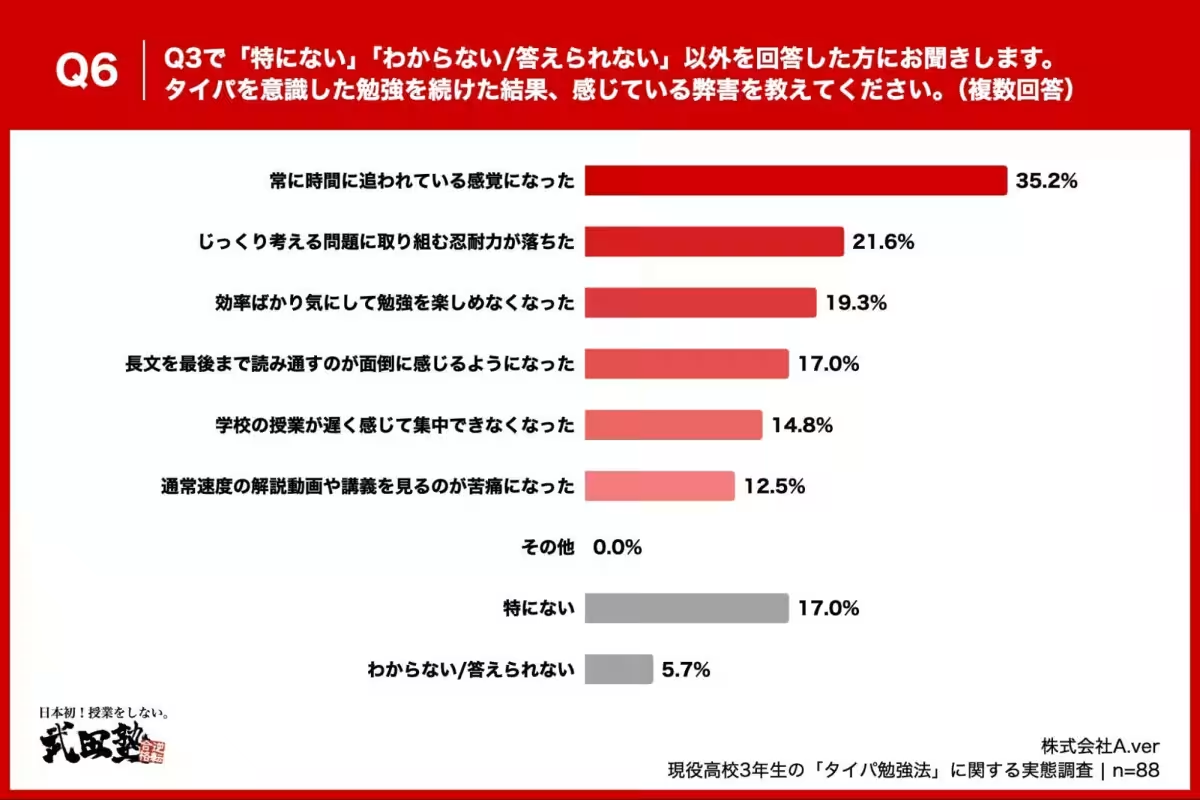
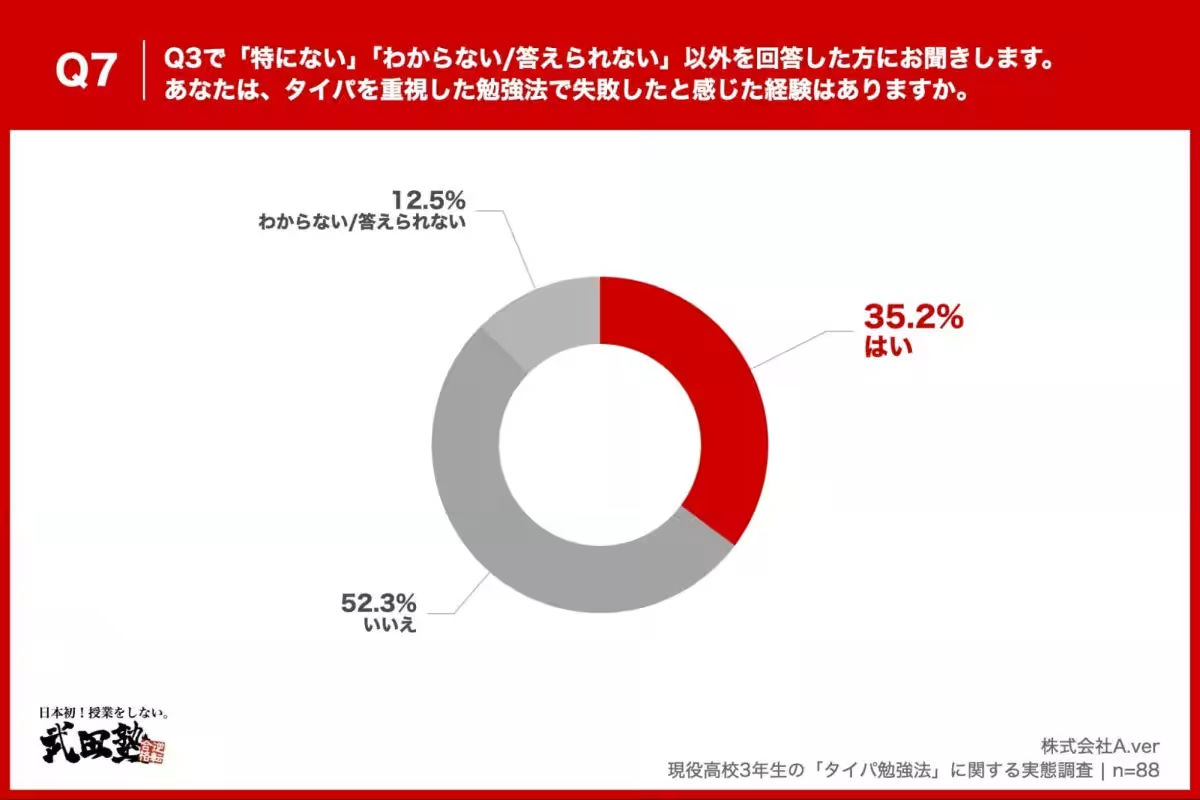
While nearly 36.4% of students felt they covered a larger range of material within a limited time, this rush can also lead to significant downsides. The survey indicated that 35.2% of students experienced a constant feeling of being pressed for time, subsequently affecting their ability to deeply engage with study materials.
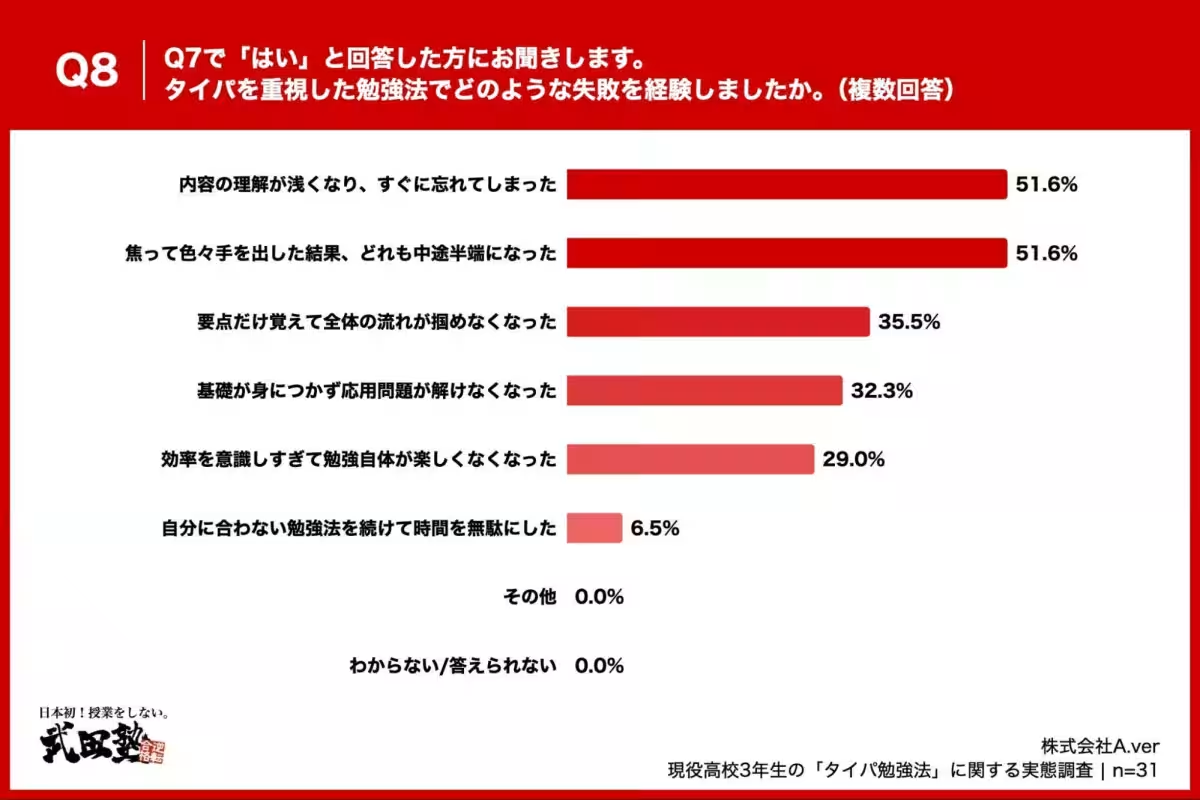
Half of the students who felt they failed in their approach cited shallow understanding and quick forgetting of concepts as their main drawbacks. Furthermore, many students admitted to spreading themselves too thin by attempting to juggle multiple subjects simultaneously, ending up with a diluted understanding of the content.
Student Experiences and Insights
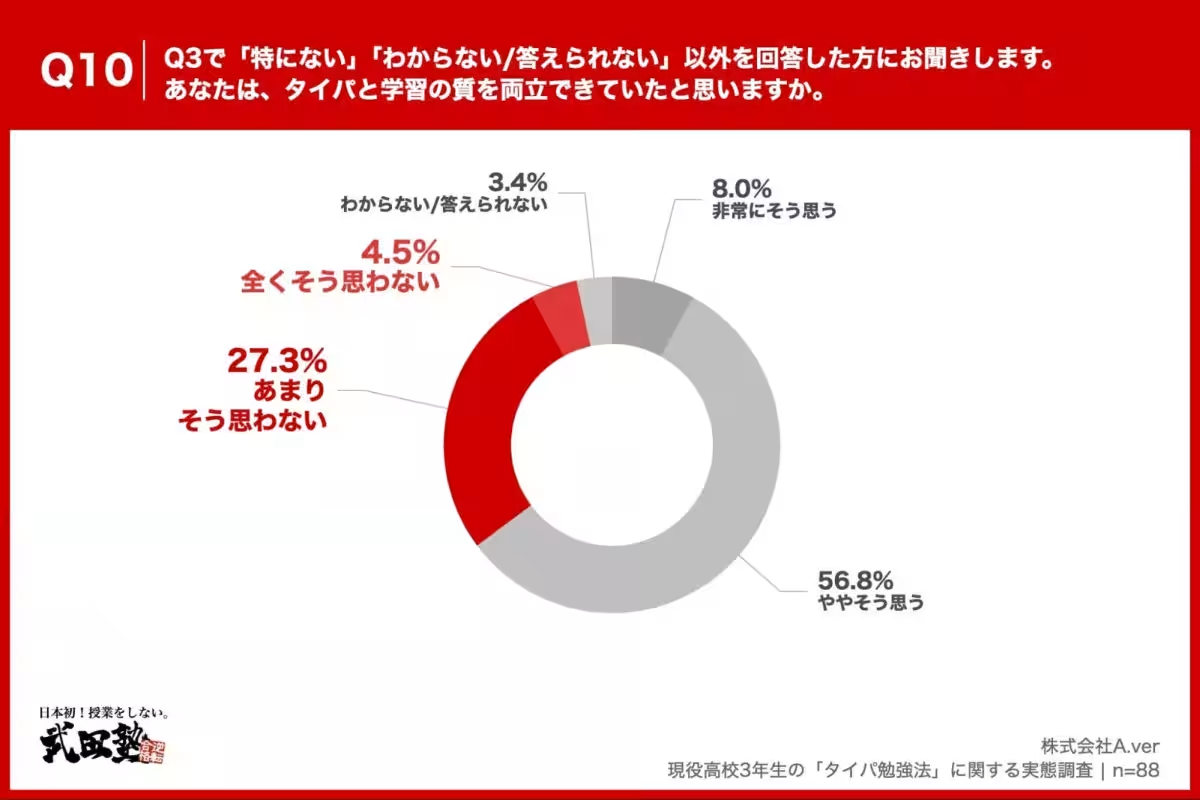
In the survey, 35.2% of students acknowledged having encountered failures related to their emphasis on efficiency. Many expressed frustrations over not thoroughly comprehending subjects, often due to a focus on memorization rather than deeper cognitive processing. A significant portion commented on the struggles of managing both quality and quantity in their study routines.
Conclusion
The assessment of how Japanese high school students approach their studies reveals a pressing need for a balanced pathway that prioritizes both efficiency and depth of understanding. The data suggests that while many adopt effective strategies that cater to time constraints, striking a balance between speed and mastery remains a challenge. In light of these findings, educational frameworks should encourage not just quick learning, but rather solidifying knowledge, paving the way for sustainable academic success.
About Takedajuku
Takedajuku, with its unique system of no traditional classroom lectures, emphasizes self-study and independent learning methods, which aligns with students' needs in the current educational landscape. It empowers students to take control of their learning process, focusing on mastering content thoroughly rather than superficially.
For more information about Takedajuku, visit their official website: Takedajuku.
Topics Other)
【About Using Articles】
You can freely use the title and article content by linking to the page where the article is posted.
※ Images cannot be used.
【About Links】
Links are free to use.