



Innovative ECOSAS Aerogel: The Future of Insulation Technology
The Era of Ultra-Thin Insulation: ECOSAS Aerogel
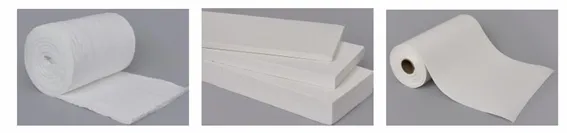
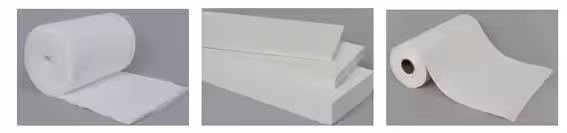
As the energy crisis deepens and the need for carbon neutrality by 2030 becomes more pressing, ASPiA JAPAN Corporation has introduced a groundbreaking insulation material known as ECOSAS Aerogel. This product, developed using advanced NASA technology, offers remarkable energy-saving and insulation capabilities with a thickness of only 3mm, making it three times more effective than conventional materials.
A Response to Dual Challenges
Companies today face the twin pressures of skyrocketing energy costs and the urgent need for sustainable practices. In just the last three years, electricity costs have surged by 50%, placing a significant strain on businesses' operational expenses. Additionally, there are increasing demands for transparency and accountability in environmental management, pushing companies to adopt carbon-neutral policies more urgently than ever. Traditional insulation materials often fall short, suffering from moisture absorption and aging effects that degrade their performance over time, leading to frequent replacements and increased costs. ECOSAS Aerogel addresses these major concerns with innovation designed for the future.
Performance Comparison: ECOSAS vs. Traditional Insulation
The performance differences between ECOSAS Aerogel and conventional insulation materials are striking:
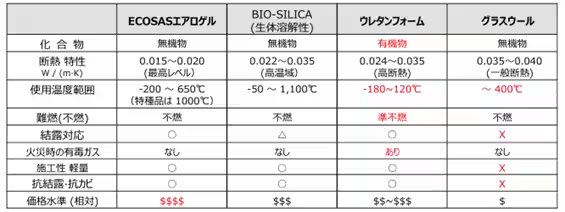
| Performance Metric | Glass Wool | Mineral Wool | ECOSAS Aerogel |
|---|---|---|---|
| ----- | --- | ---- | ------ |
| Thermal Conductivity | 0.043 W/m·K | 0.040 W/m·K | 0.015 W/m·K |
| Equivalent Thickness | 30mm | 30mm | 10mm |
| Durability | Weak under moisture | Weak under moisture | 20+ years |
| Moisture Absorption | Yes (Performance Decrease) | Yes (Performance Decrease) | No |
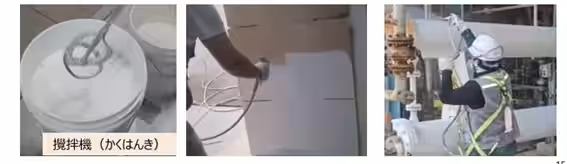
| Ease of Installation | Average | Average | Lightweight & Flexible |
| Maintenance | Every 5 years | Every 5 years | Almost None |
Incredible Energy Savings in Practice
Recent implementations of ECOSAS Aerogel in office buildings and industrial environments have yielded impressive energy savings:
- - Office Buildings: Achieved a 38% reduction in air conditioning costs, lowering expenses from 1.2 million yen to 740,000 yen annually. The payback period for investments was around 2.3 years, with total savings over 15 years estimated at 27.6 million yen.
- - Manufacturing Plants: Reported a 45% cut in boiler fuel costs and significantly improved heat efficiency of production equipment, leading to enhanced working conditions and an annual CO₂ reduction of 280 tons.
- - Cold Chain Logistics: Improved fuel efficiency of refrigerated trucks by 25%, stabilized internal temperatures, and reduced product loss by 60%.
How ECOSAS Aerogel Works
This revolutionary product is built on three pillars of innovation:
1. NASA Technology: Originally developed for spacecraft, the material comprises 99% air, resulting in excellent thermal insulation properties.
2. Complex Helical Structure: Its nano-level spiral architecture physically hinders heat transfer, achieving a thermal conductivity that is half that of stagnant air.
3. Moisture Resistance: Unlike traditional insulation materials, ECOSAS Aerogel does not absorb moisture, ensuring long-lasting effectiveness and stability over time.
Required in Various Industries
The potential applications for ECOSAS Aerogel span many sectors, including:
- - Construction and Housing: High insulation for walls and roofs, energy-efficient renovations, and significant improvements in living comfort.
- - Industrial Equipment: Minimizing heat loss in boilers and piping, optimizing efficiency in high-temperature furnaces and reactors, and enhancing energy-saving measures in petrochemical plants.
- - Logistics and Transportation: Strengthening insulation in refrigerated vehicles and improving cost efficiency through fuel savings.
- - Advanced Technologies: Optimal thermal control for semiconductors and electronic devices, temperature management for lithium batteries, and enhancing the efficiency of renewable energy facilities.
Compelling Return on Investment
Economic data supports the demonstrated effectiveness of ECOSAS Aerogel: up to 40% reduction in energy costs, a 2-5 year payback period, and total savings over 15 years amounting to 5-8 times the initial investment. Not only does it outperform traditional materials in terms of efficiency, but it also drastically reduces long-term maintenance costs. Research in Europe shows that retrofitting aerogel insulation can significantly enhance energy performance without compromising indoor space.
A Call to Action
In a time of rising energy costs and tightening sustainability regulations, the urgency for businesses to adopt technologies that minimize energy waste is clear. Delaying the adoption of ECOSAS Aerogel will likely result in lost opportunities and growing cost burdens.
Conclusion
ASPiA JAPAN is paving the way towards a future where “societies have no energy loss.” As stated by President Nobuhisa Sasahara, ECOSAS Aerogel is not just an insulation material; it represents hope for a sustainable future that addresses pressing energy issues, changing the landscape for companies in dire need of efficient solutions. With just a few millimeters of this material, businesses can drastically alter their operational costs and environmental impact.
As we embrace these advanced technologies, we take a significant step toward achieving carbon neutrality and establishing a sustainable, energy-efficient future.
Topics Consumer Products & Retail)
【About Using Articles】
You can freely use the title and article content by linking to the page where the article is posted.
※ Images cannot be used.
【About Links】
Links are free to use.