



Rising Education Costs in 2025: Insights from Parents on Financial Strains
Education Costs in 2025: Insights from Parents
In a comprehensive study conducted by Meiko Network Japan, a major provider of individual tutoring services, 900 parents of elementary, middle, and high school students shared their experiences regarding the increasing financial burden of education costs. Amidst ongoing inflation, many households find themselves reevaluating their budgets, yet education remains a priority.
Key Findings from the 2025 Education Expenses Survey
1. Increasing Education Costs
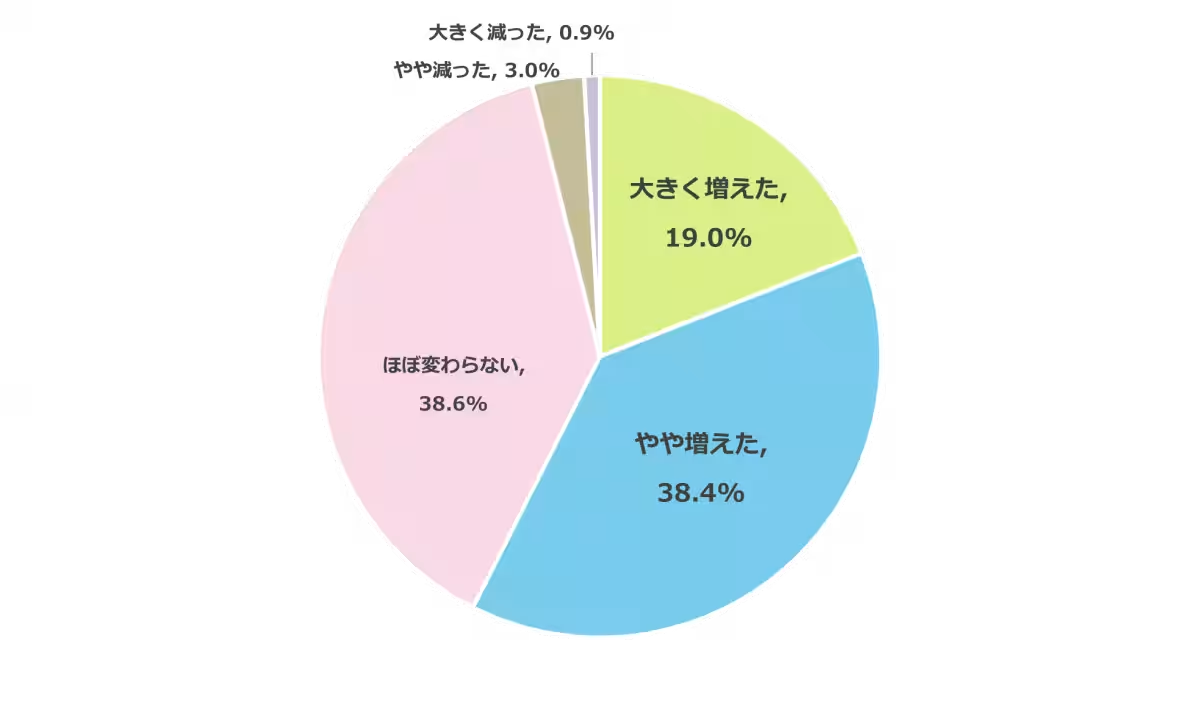
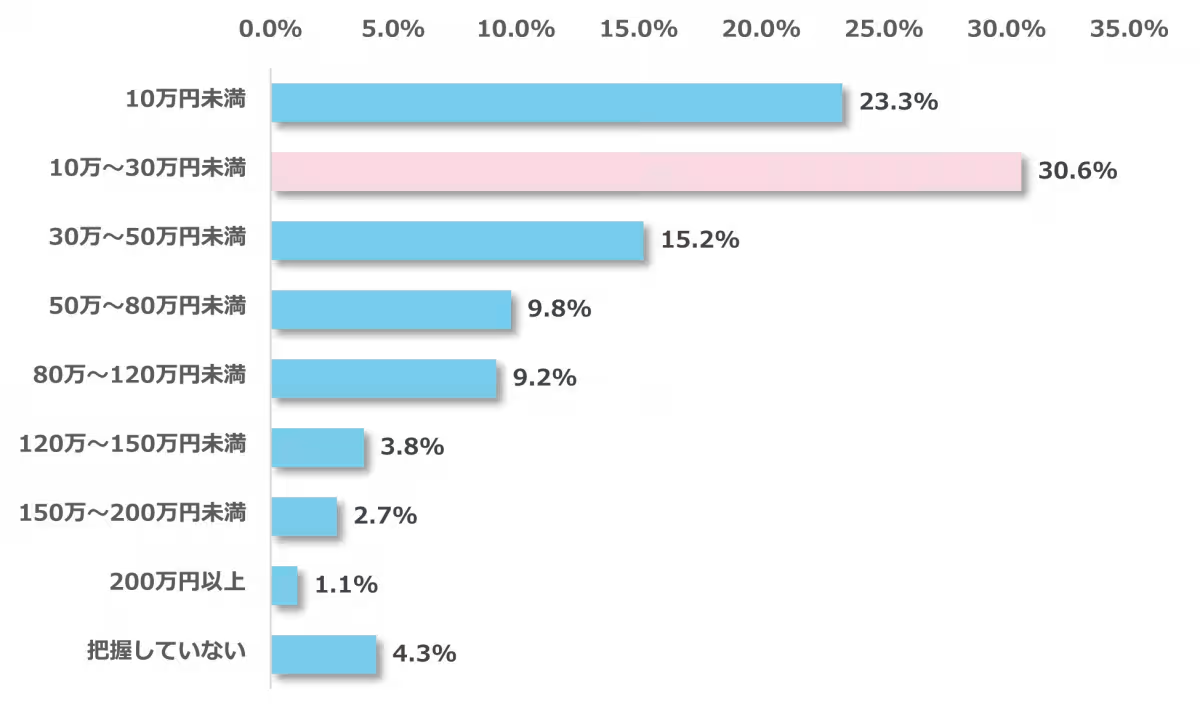
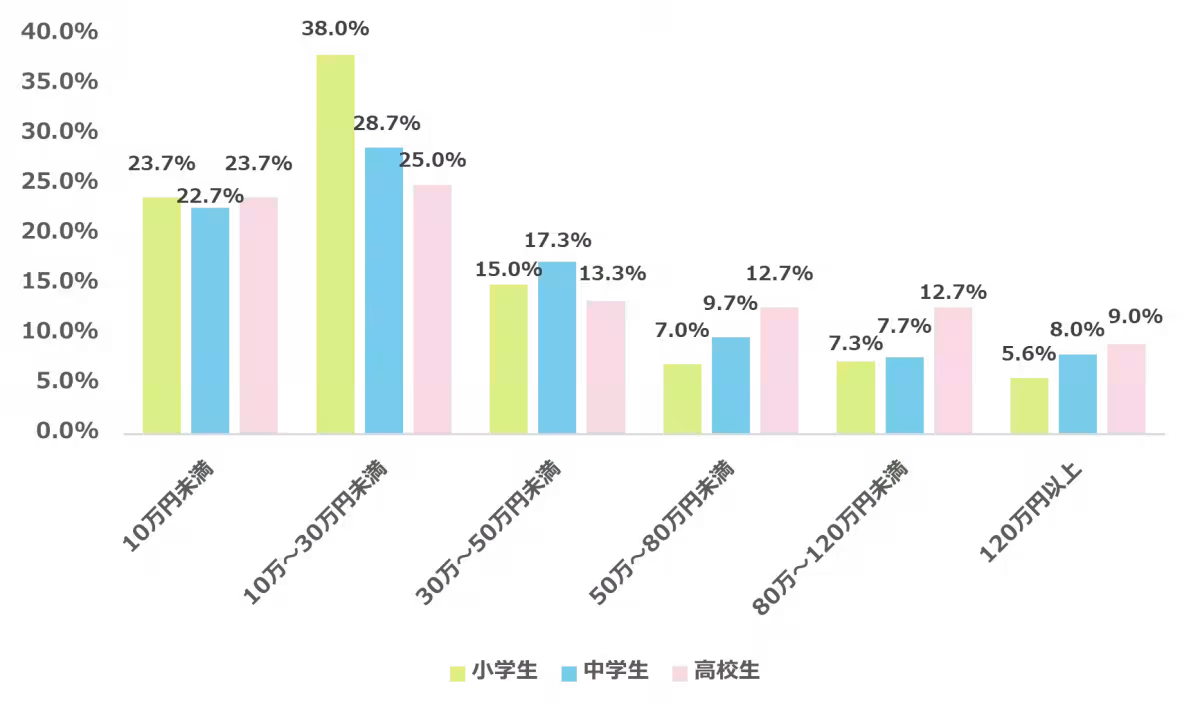
The survey revealed that approximately 57.4% of parents reported an increase in education expenses compared to the previous year, with 19.0% indicating a significant rise. Most parents (30.6%) stated that their children's annual educational expenses fell between 100,000 to 300,000 yen, while 41.8% stated spending over 300,000 yen, especially among high school students. As students progress in their education levels, costs seem to escalate, thereby placing a strain on family finances.
2. Parents' Perception of Education Costs
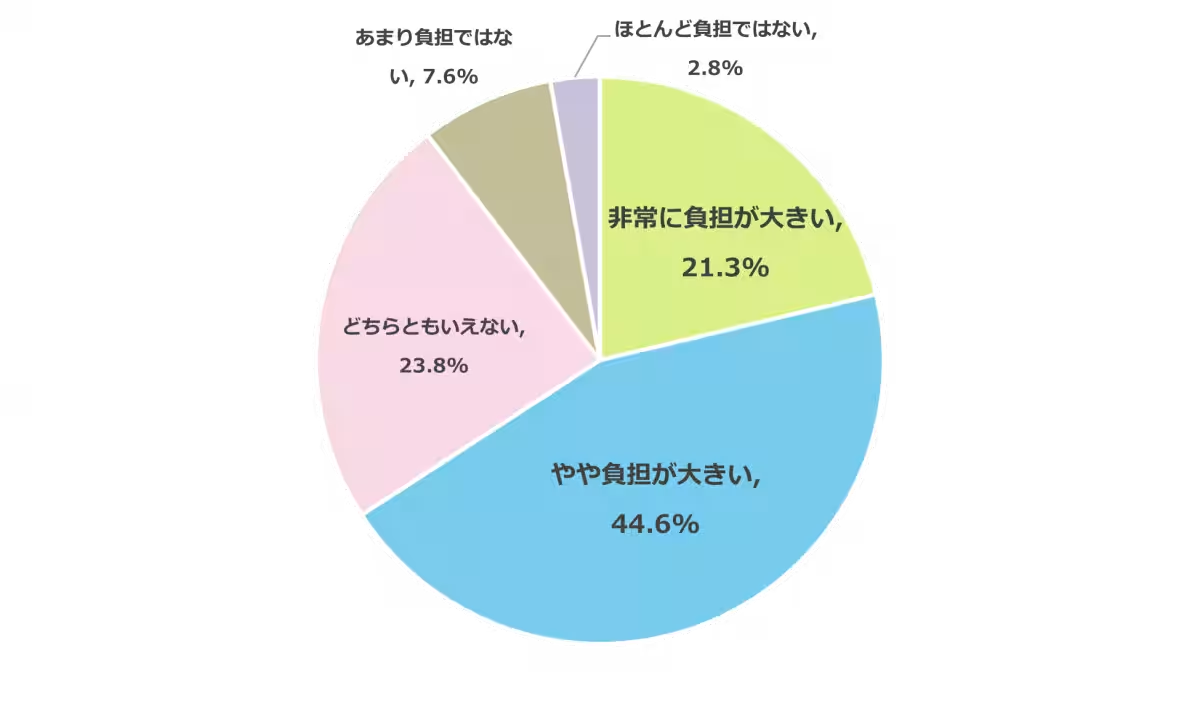
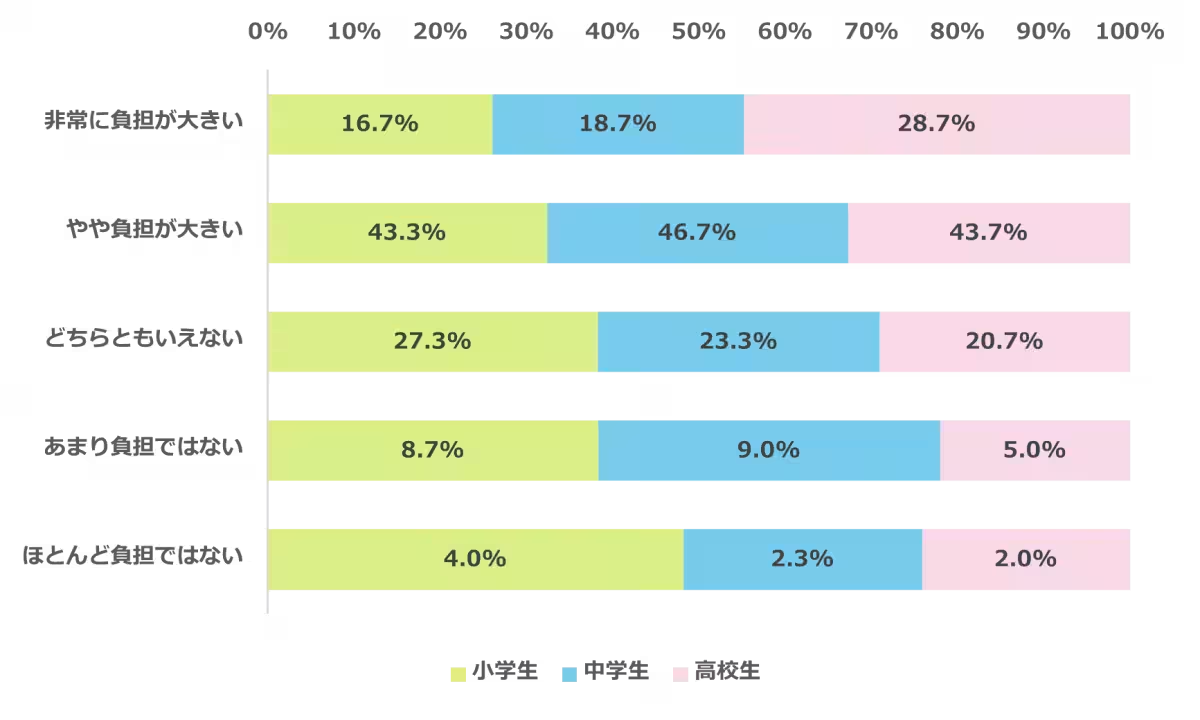
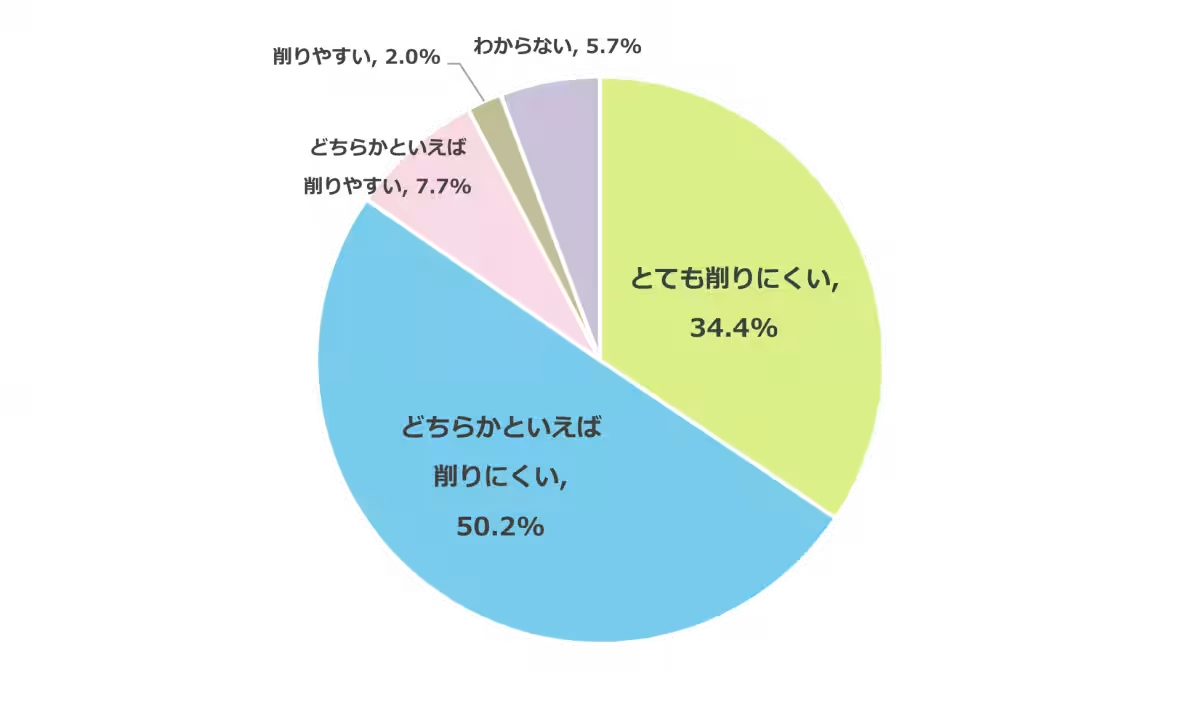
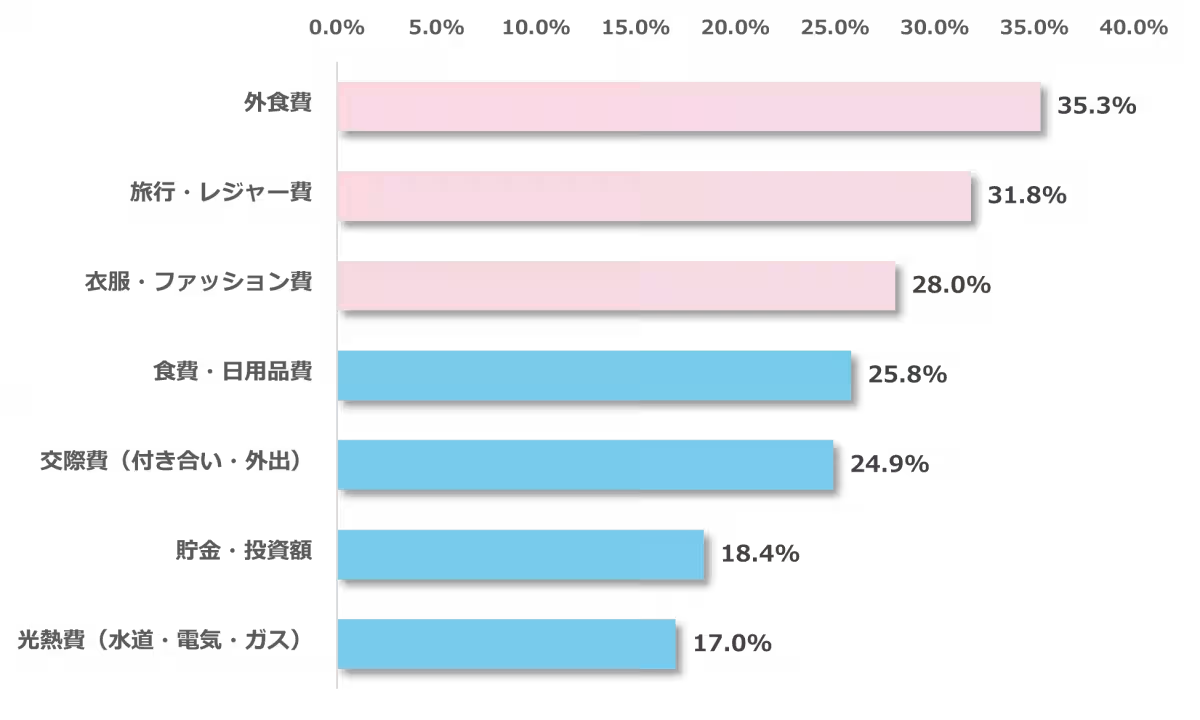
An overwhelming 65.9% of parents expressed that education expenses were a considerable financial burden, particularly for high school families, where about 72.4% felt the pressure. Despite the financial challenges many face due to rising prices, a significant portion (84.6%) indicated that they find it difficult to reduce educational spending. Parents prioritize education, willing to make sacrifices in leisure and dining out to sustain it.
3. Impact on Family Budgets and Adjustments
To ensure that education funding remains robust, parents are reviewing household expenditures, primarily cutting back on dining out (35.3%) and leisure activities (31.8%). The trend shows that educational expenses command a high priority, even amidst broader economic challenges. Education remains 'untouchable', with many choosing to maintain current levels of extracurricular activities.
4. Adjustments in Spending Habits
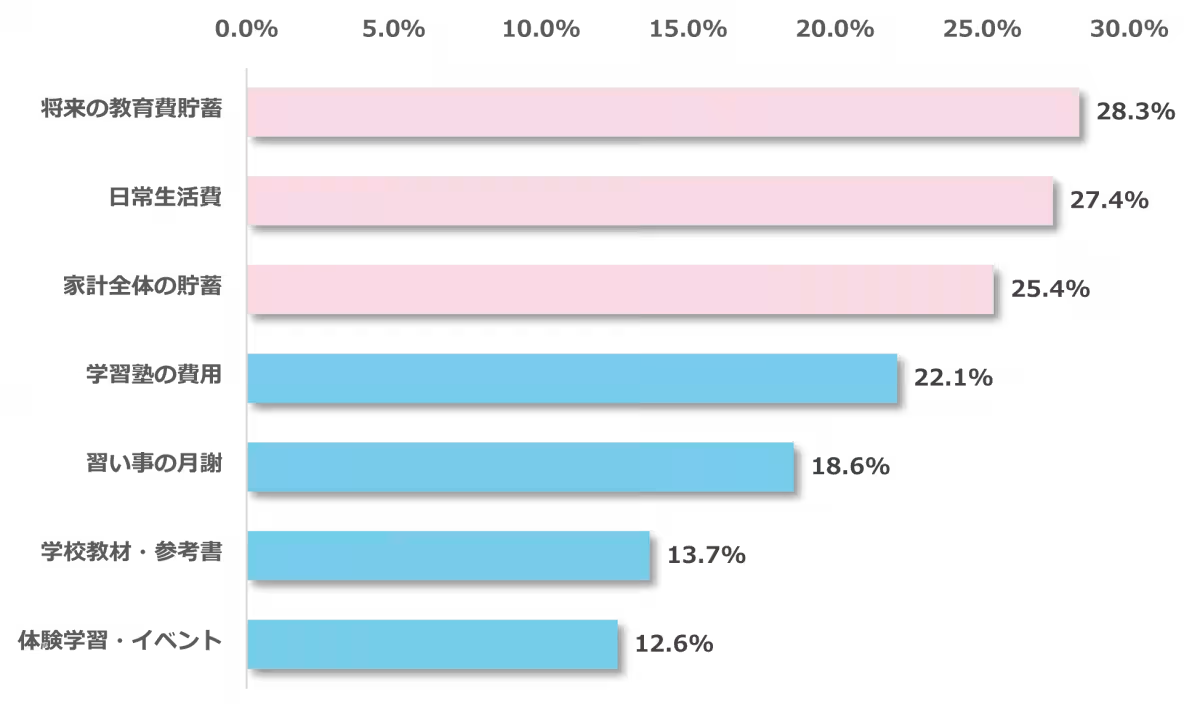
Interestingly, the study highlighted how 30% of families are redirecting any surplus from educational subsidies towards future educational savings. This reflects a foresight in handling finances, with parents planning for their children’s educational future rather than increasing immediate consumption. They are strategically leveraging potential savings from education cost reductions.
5. Continual Commitment to Extracurricular Activities
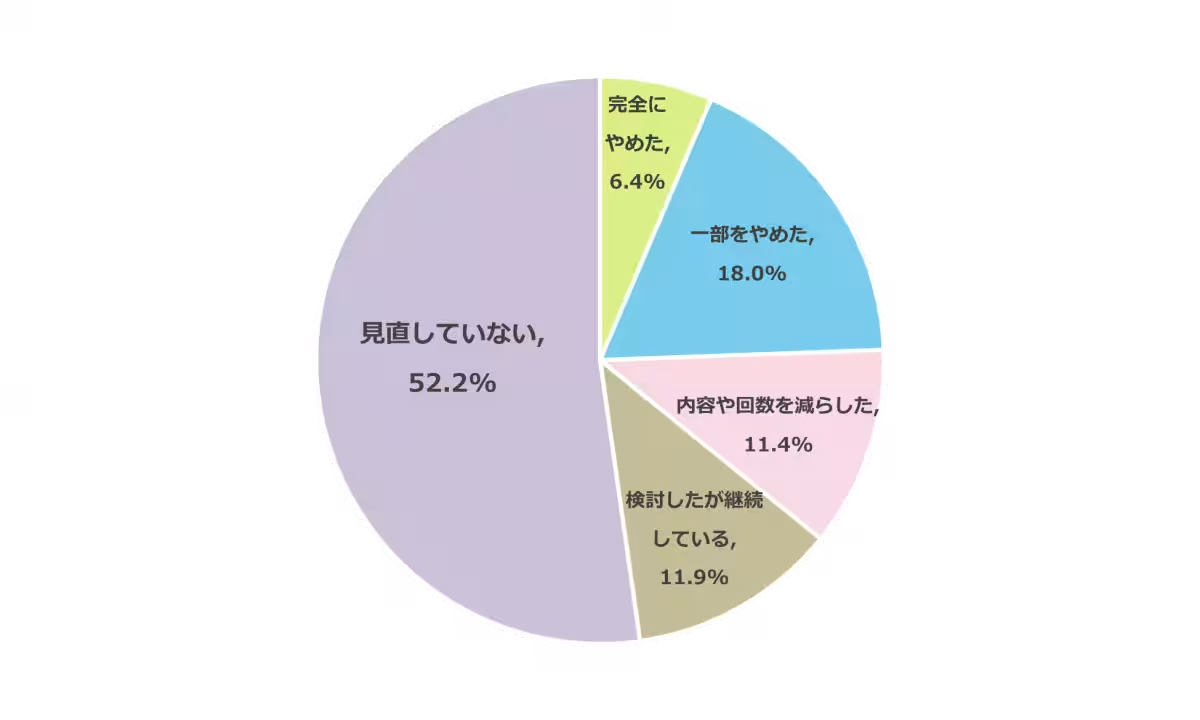
Despite the economic pressure, more than 52.2% of parents indicated that they have not altered their children’s extracurricular commitments. Most parents strive to maintain these valuable opportunities for their children, acknowledging their importance for personal growth and development.
Conclusion
The findings of this survey reveal the escalating situation that many families are grappling with as they navigate the mounting expenses associated with their children’s education. Though parents are feeling the financial strain, their dedication to ensuring that their children receive the best educational experience possible is evident. The educational landscape is changing, and understanding these dynamics will help families make informed decisions about investing in their children's future.
Topics Other)
【About Using Articles】
You can freely use the title and article content by linking to the page where the article is posted.
※ Images cannot be used.
【About Links】
Links are free to use.