



Survey Reveals Generational Divide in Perceptions of Correspondence High Schools
Understanding the Changing Perceptions of Correspondence High Schools
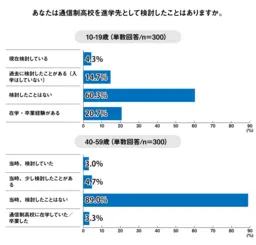
A recent survey conducted by Premaseed aimed to explore the perceptions of correspondence high schools, particularly focusing on the differences in attitudes between teenagers and their parents. Conducted from May 15 to 19, 2026, the survey included 600 respondents, comprising 300 teenagers aged 15 to 19 and 300 parents aged 40 to 59. The results unveiled a striking generational divide in perceptions regarding these educational institutions.
The Perception Gap
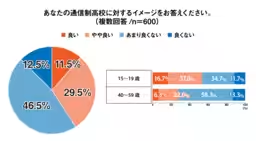
According to the findings, 53.7% of teenagers view correspondence high schools positively, while 71.7% of parents hold a negative image of these schools. Notably, only 19% of teenagers reported having considered correspondence high schools as an option for their education, whereas only 7.7% of parents did the same during their schooling years. Significantly, 20.7% of teenagers have either graduated from or are currently enrolled in correspondence high schools, contrasting sharply with just 3.3% of parents who have similar experience.
Insights from Respondents
When asked about their overall impression of correspondence high schools, 41% of teenagers offered a positive reflection, with 11.5% stating a good image and 29.5% a somewhat positive one. In stark contrast, over 70% of parents expressed a predominantly negative view, indicating a substantial divergence in how these two generations perceive the same educational option.
Premaseed's representative, Akito Iwata, remarked on this discrepancy, noting that the historical context of education has influenced these perceptions significantly. Where parents have only regarded full-time high schools as valid options, teenagers are more likely to have personal experiences or peers who attended correspondence high schools, creating a more relatable image for them.
Reasons for Positive Perception Among Teenagers
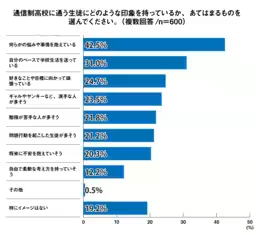
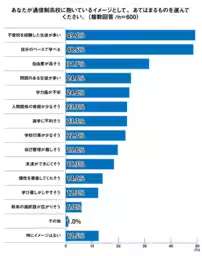
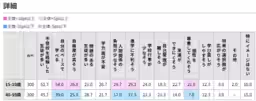
Many teenagers associate correspondence high schools with unique benefits. A noticeable 49.2% believe that such schools cater to students who have faced issues like bullying or other challenges, and 48.5% see them as providing more flexible learning approaches. This understanding appears absent among parents, who tend to emphasize negative stereotypes.
Interestingly, while teenagers see the flexibility and support systems of correspondence high schools as significant advantages, parents are more likely to perceive students in these programs as troubled youth. This generational gap reflects larger societal issues and misunderstandings about the nature and purpose of correspondence education.
Addressing Prejudices and Misunderstandings
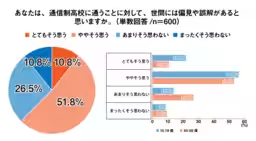
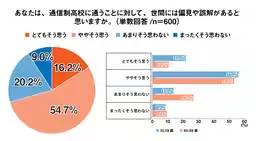
A significant 70.8% of respondents believe that there exists a stigma against students attending correspondence high schools. Teenagers felt this perception strongly, with 77.7% acknowledging potential biases. Furthermore, common misconceptions still dominate the narrative surrounding these institutions. For instance, younger individuals tend to view their peers in these settings as ambitious and goal-oriented, while parents often envision them as part of a troubled demographic.
The survey's results indicate a pressing need for more accurate representation and understanding of correspondence high schools. Addressing these stereotypes and highlighting the actual experiences of students can foster a more informed dialogue.
Bridging the Understanding Gap
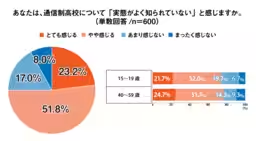
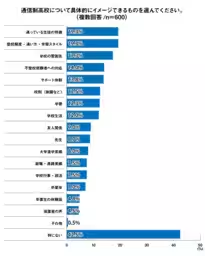
Both teenagers and parents expressed a consensus that the realities of correspondence high schools are not widely understood. With over 75% of respondents feeling that misinformation is prevalent, it's clear that more educational initiatives are necessary to clarify what these institutions offer.
Premaseed is actively working towards this by implementing internship programs for current students and alumni to share their real experiences through their platform, Go Correspondence High School. This initiative aims to provide trustworthy insights into the actual school life of correspondence students and address potential misconceptions head-on.
This information-sharing effort is crucial, as it not only allows prospective students to gain more clarity but also helps to soften the negative impressions held by parents. By amplifying the voices of those who have navigated this educational path, Premaseed hopes to contribute positively to the ongoing discourse surrounding alternative education paths.
Conclusion
The findings from the Premaseed survey clearly illustrate that a significant gap exists between the perceptions of correspondence high schools among different generations. By illuminating the real experiences of correspondence students and promoting understanding among parents, there exists a tremendous opportunity to reshape the narrative surrounding these educational institutions.
Ultimately, as education continues to diversify, fostering informed dialogue around correspondence high schools is essential in ensuring that students are empowered to pursue educational paths that align with their unique circumstances. As erroneous assumptions are addressed and clarified, it is hoped that both teenagers and parents will find common ground in their understanding and appreciation of these alternate educational opportunities.



Topics Other)
【About Using Articles】
You can freely use the title and article content by linking to the page where the article is posted.
※ Images cannot be used.
【About Links】
Links are free to use.