



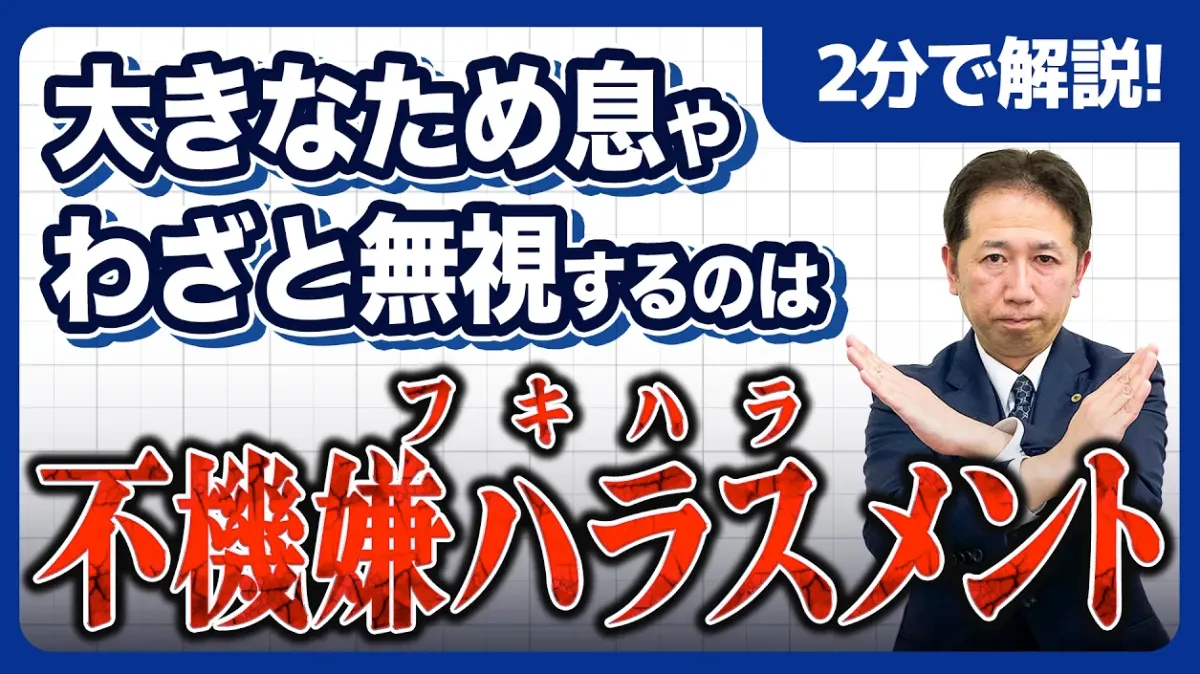
Understanding the Dangers of Fukihara and Prevention Strategies at Work
Understanding Fukihara (Discontent Harassment)
In the modern workplace, communication issues and harassment risks are becoming increasingly prevalent. The Creer Human Resource Development Association, based in Chiyoda, Tokyo, has recently highlighted a critical issue known as Fukihara, or discontent harassment, through a new educational video aimed at business leaders and HR professionals. This form of harassment is characterized by negative behaviors displayed by employees that can create an oppressive atmosphere for others, but it is often overlooked as mere personality quirks.
What is Fukihara?
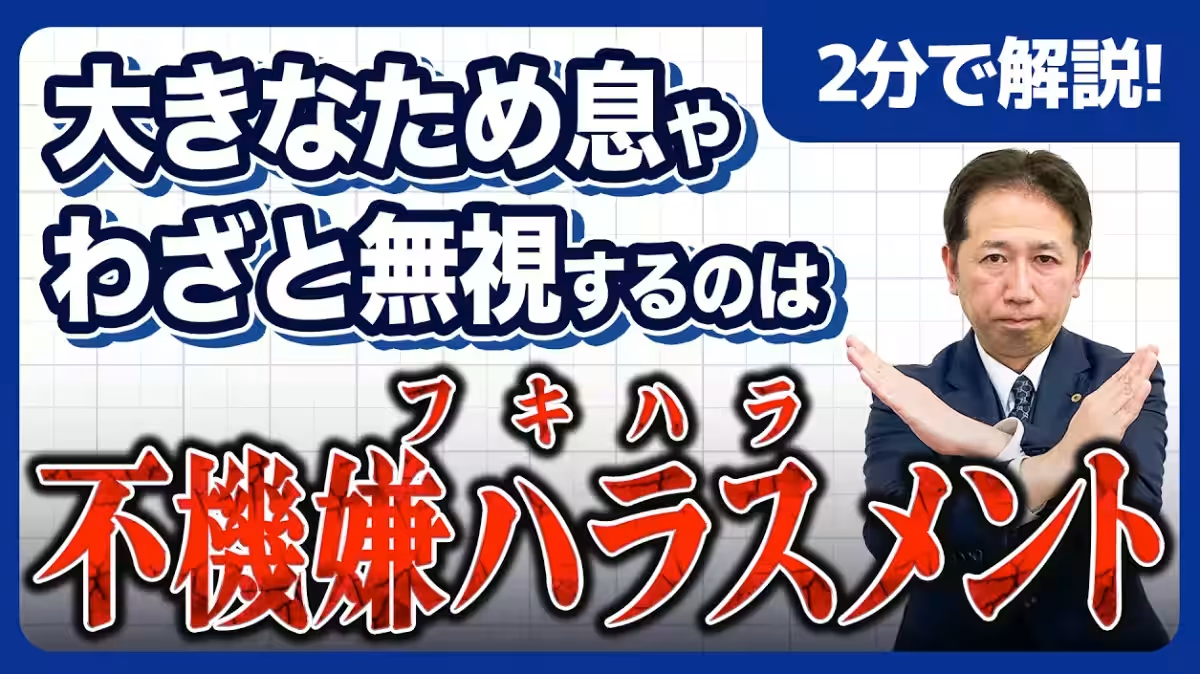
Fukihara manifests through various negative actions: ignoring colleagues who try to engage in conversation, displaying overt frustration when approached for work-related advice, or communicating through sighs and dismissive gestures. Such behaviors can lead to an intimidating environment, compelling others to suppress their thoughts and contributions.
The Dangers of Fukihara
The most alarming aspect of Fukihara is its potential evolution into more severe forms of harassment, such as power harassment (Pawahara). When even one individual exhibits Fukihara, it can create a ripple effect, transmuting the workplace atmosphere and leading to a ‘negative spiral.’ Colleagues may adopt similar demeanors, instilling a culture of fear that diminishes psychological safety, hampers essential communication, and ultimately jeopardizes organizational efficiency and morale. This may result in diminished corporate image and higher turnover rates among younger employees.
Key Takeaways from the Seminar
To aid organizations grappling with these issues, a summary video of the recent seminar discussing Fukihara has been released on YouTube for media and business representatives. It offers insights into the system's overview and key points, allowing busy professionals to quickly comprehend the major issues surrounding this topic.
One-on-One Inquiry Sessions
For more detailed discussions on Fukihara, the Creer Human Resource Development Association invites media and business personnel to a dedicated Q&A session. This session provides an excellent opportunity to dive deeper into specific case studies and address any lingering concerns.
- - Date: July 15, 2026, from 12:00 PM to 6:00 PM (time adjustments available as needed)
- - Format: Telephone or online (both options permissible)
- - Target Audience: Media, reporting professionals, and corporate representatives
- - Cost: Free
- - Registration: Contact our office at [email protected].
Common Queries Addressed
- - Why are “discontent attitudes” classified as harassment (Fukihara)?
- - How can neglecting to address Fukihara naturally progress into power harassment?
- - What negative impacts do a manager's “busy aura” or frustration sighs have on overall workplace productivity?
- - What precautions should be taken when integrating Fukihara into company consultation channels or harassment policies?
- - What effective programs can be implemented in management training concerning the management of discontent?
Speaker Introduction
Jun Ono, a certified social insurance labor consultant, brings over 400 training sessions regarding harassment and labor issues to various organizations, emphasizing practical approaches on how to apply legal frameworks effectively in real-life scenarios. He also supervises and conducts workshops for the Clean Employment Planner qualification.
About the Creer Human Resource Development Association
Founded as part of the SA group in 2023, the Creer Association specializes in qualifications and training for employment, labor, and harassment prevention. Over 750 professionals have obtained the ‘Clean Employment Planner’ designation, contributing significantly across corporate, governmental, and educational contexts.
For further information, please visit our official website at https://koyo-clean.com/.
Topics People & Culture)
【About Using Articles】
You can freely use the title and article content by linking to the page where the article is posted.
※ Images cannot be used.
【About Links】
Links are free to use.