



The Future of English Teaching: Insights from e-LIFEWORK's Survey on TOEIC®800+ Holders
The Future of English Teaching: Insights from e-LIFEWORK's Survey on TOEIC®800+ Holders
In a recent survey conducted by e-LIFEWORK, over 90% of individuals with a TOEIC® score of 800 or higher expressed a desire to continue their careers in English teaching. This survey, targeting men and women aged between 30 and 50, has shed light on the perceptions and challenges faced by those engaged in or interested in the profession of teaching English.
Background and Motivation for the Survey
In an era where globalization is rapidly accelerating and demand for English proficiency is increasing, the shortage of qualified English educators in Japan is becoming a pressing issue. Although there is a growing emphasis on English education, the appeal of becoming a school teacher has diminished in recent years, exacerbating the lack of skilled individuals in the education sector. To delve deeper into this matter, e-LIFEWORK initiated a study to understand how those with a TOEIC® score of 800 or above perceive their roles in teaching English.
Survey Highlights
The main outcomes of the survey are as follows:
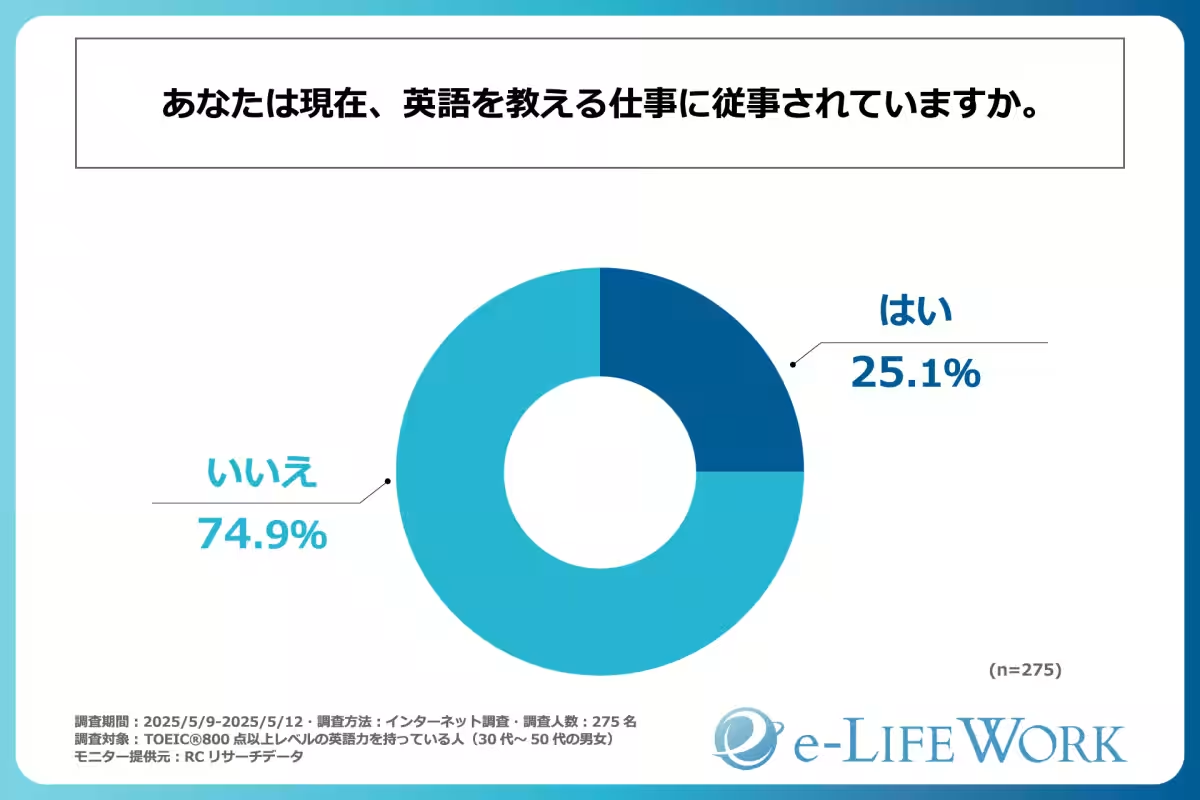
- - Approximately 25% of respondents with a TOEIC® score of 800 are currently involved in English teaching.
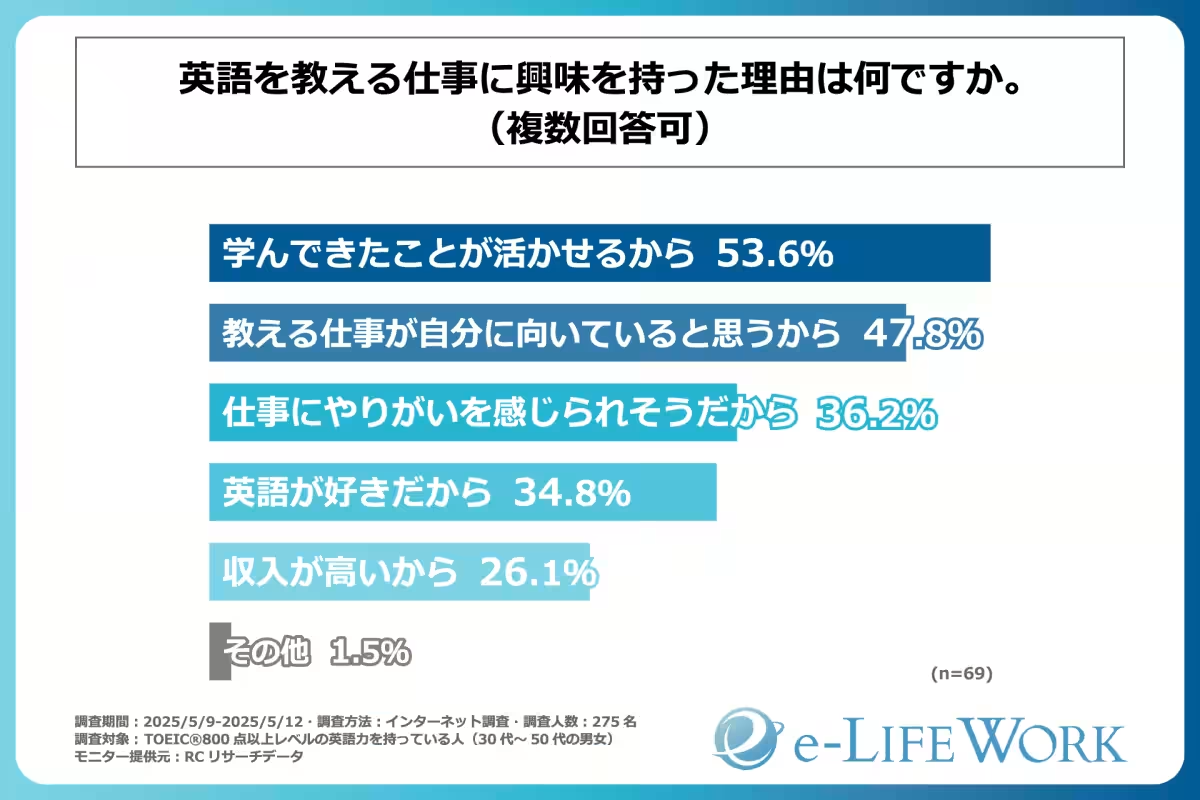
- - The top three reasons for choosing to teach English included:
2. Belief that teaching suits their skills (47.8%)
3. Finding the work rewarding (36.2%)
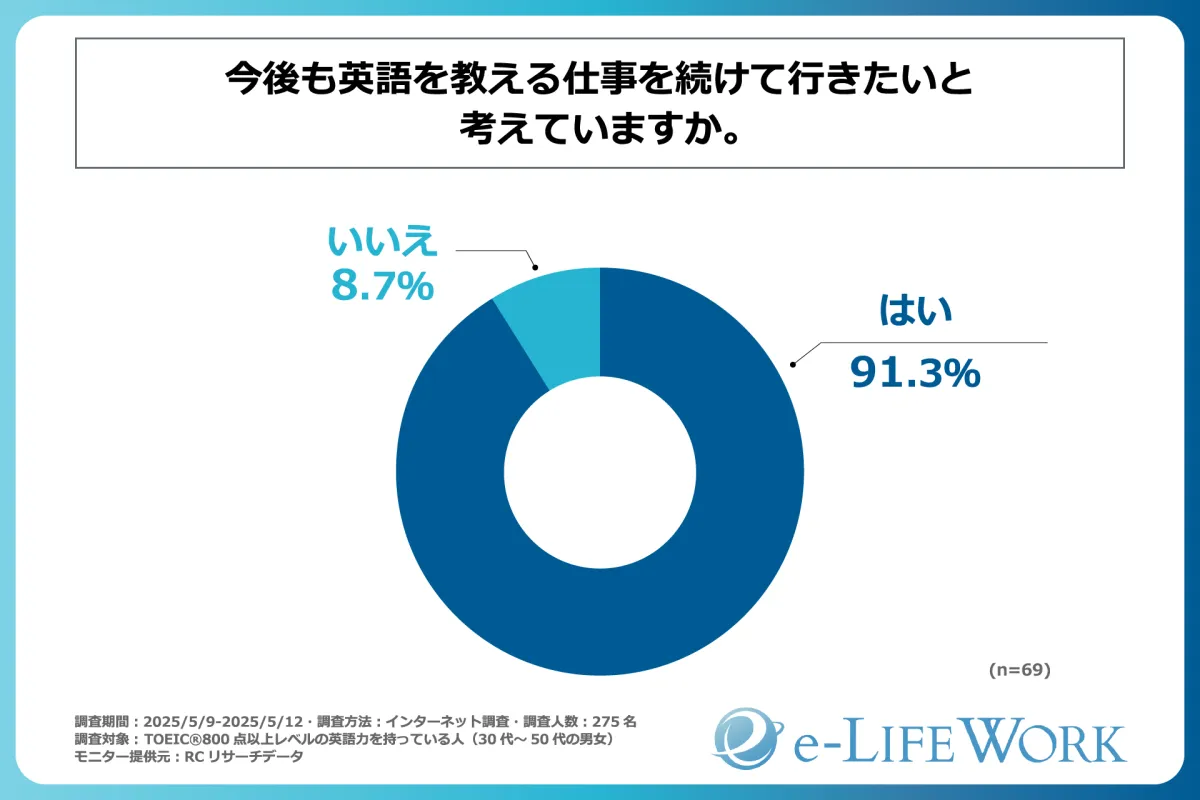
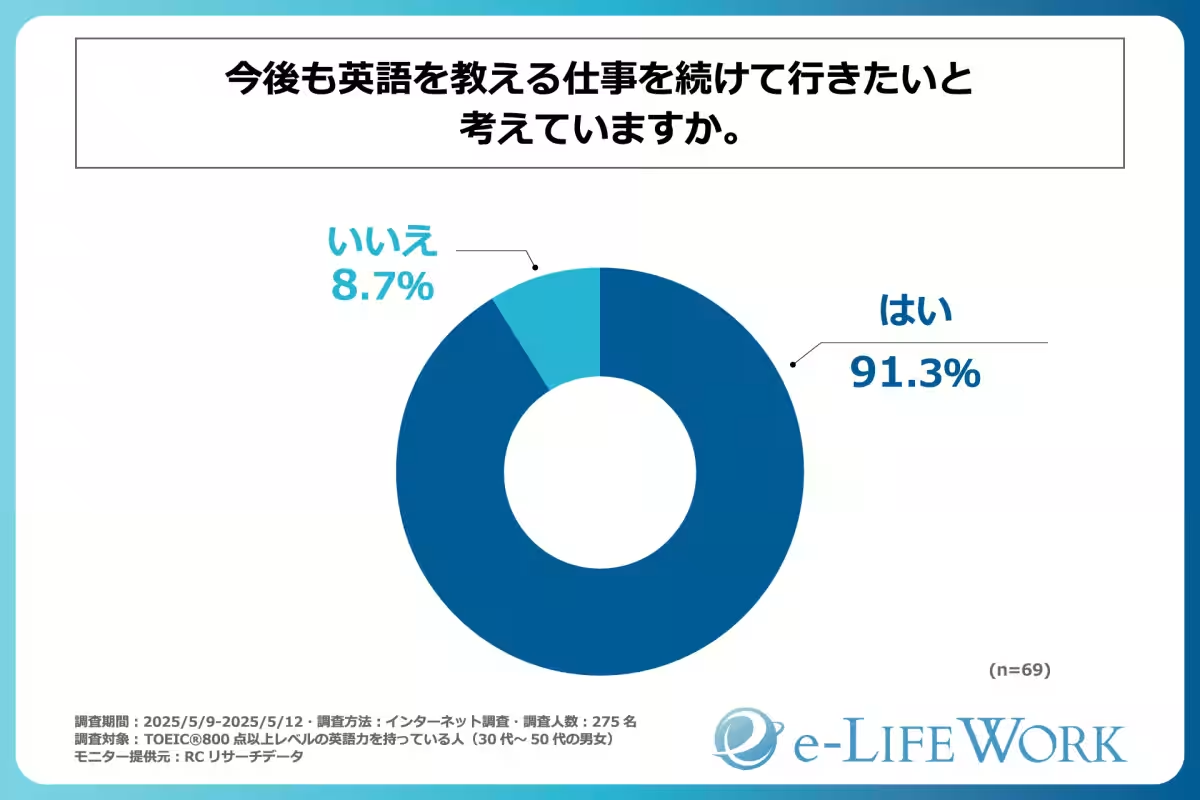
- - Among those currently teaching, over 90% expressed a wish to continue in this field.
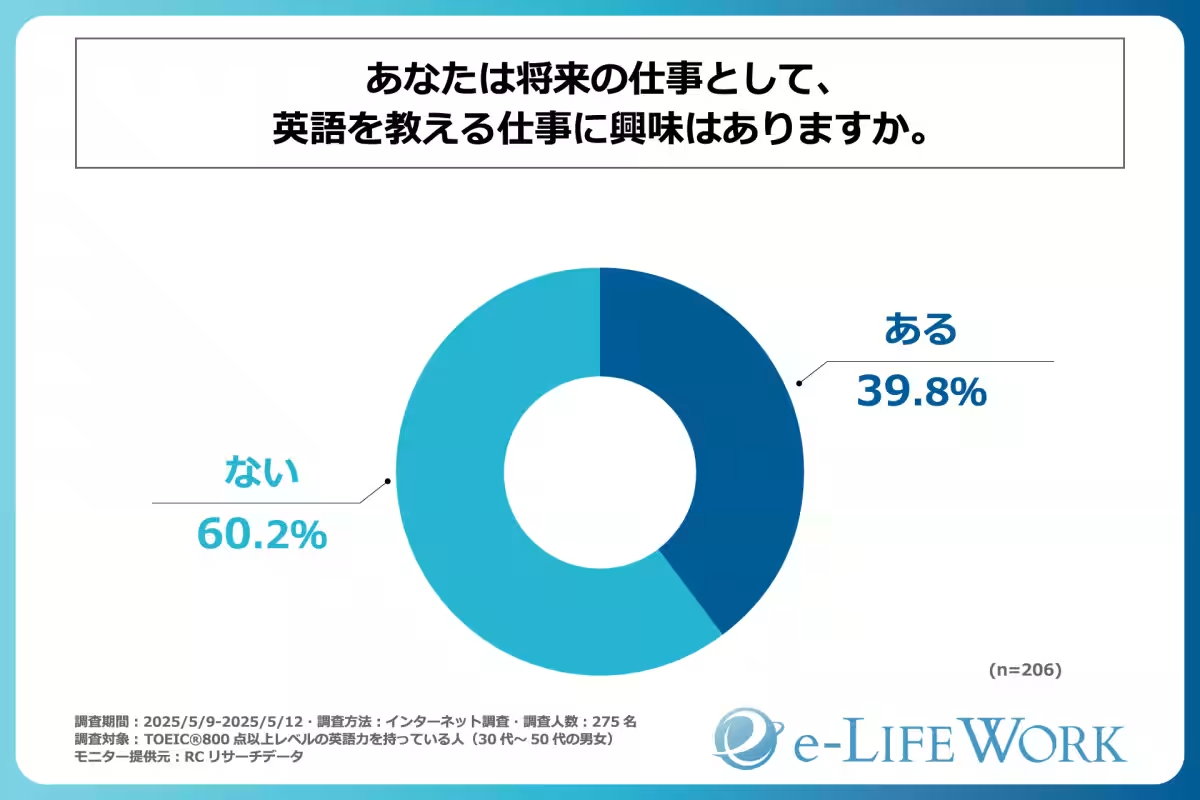
- - About 40% of individuals not currently in teaching showed interest in pursuing a teaching career in the future.
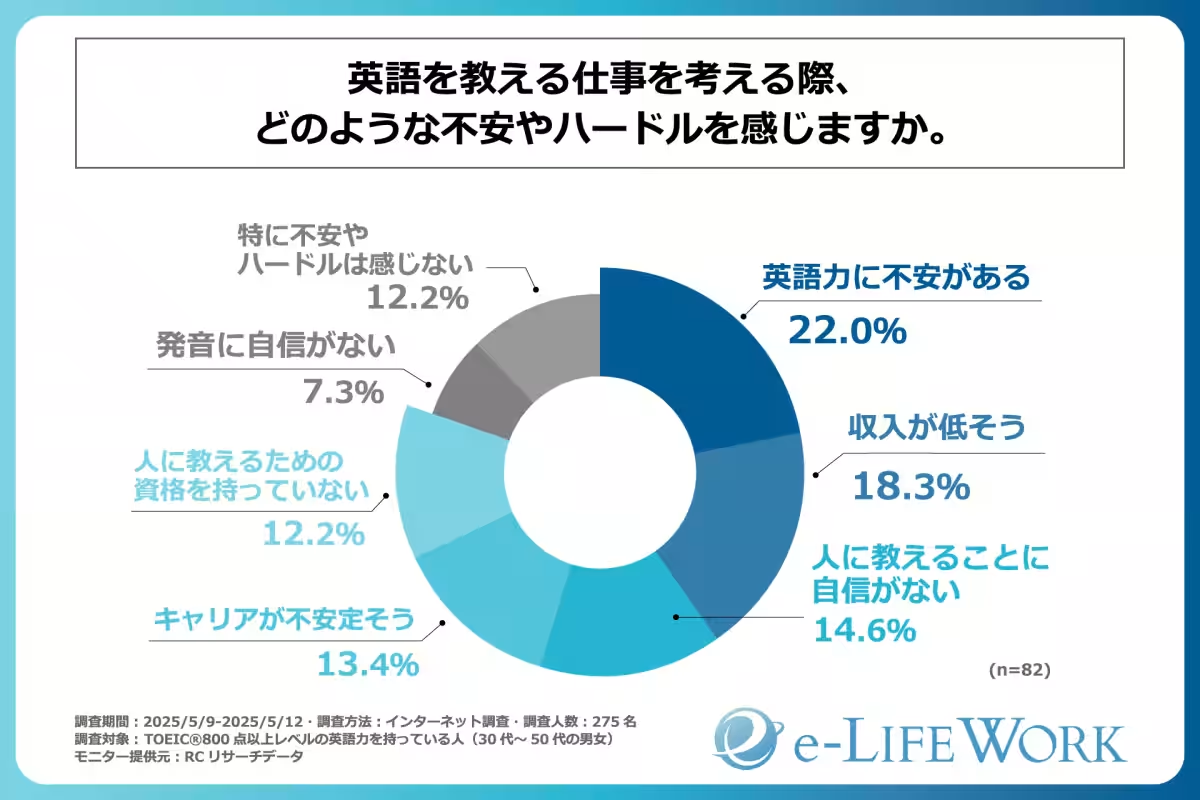
- - Many potential teachers expressed concerns about their English proficiency and its implications for teaching roles.
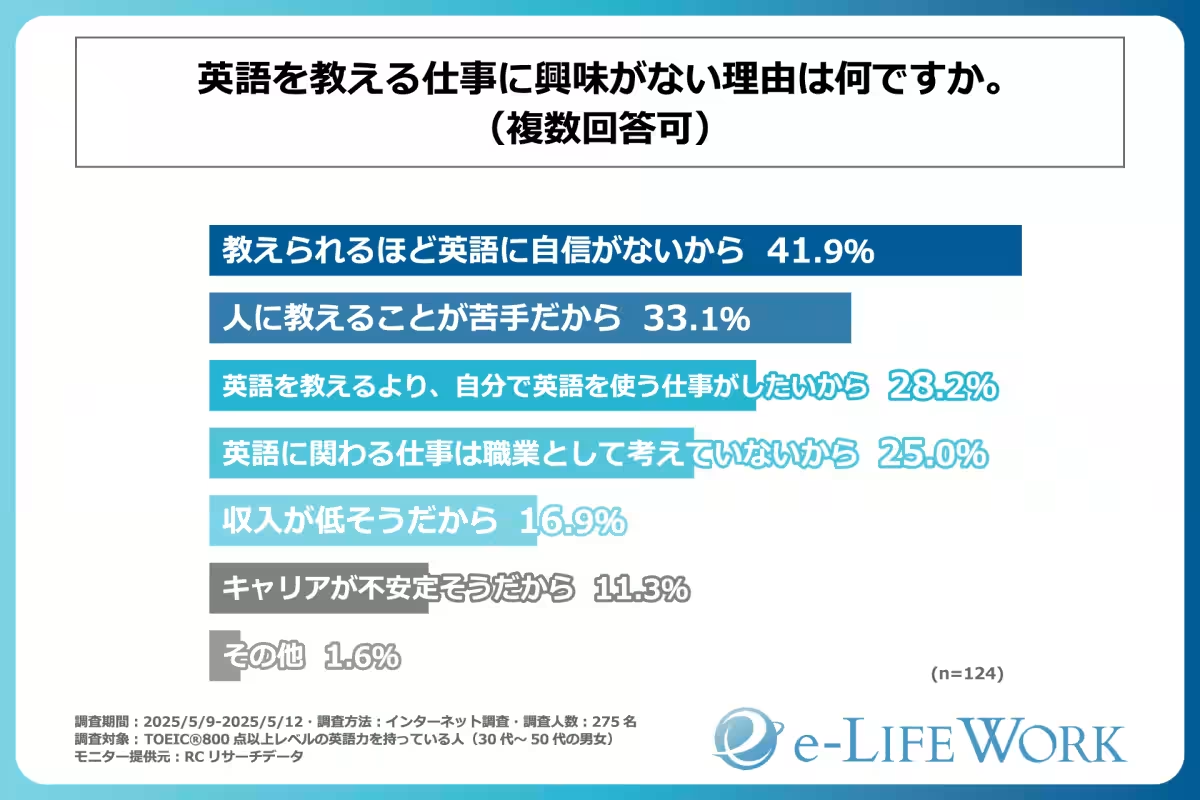
- - A significant number of individuals indicated that their primary reason for avoiding teaching English was a lack of confidence in their own abilities (41.9%).
Detailed Findings
Current Engagement in English Teaching
Out of the surveyed participants, which totaled 275, only a quarter reported being currently employed in English teaching positions. As the survey revealed, approximately 74.9% responded negatively when asked if they were currently engaged in teaching, indicating room for growth in this sector.
Reasons for Pursuing English Teaching
When examining motivations for currently teaching, respondents highlighted that they found practical applications for their own learning experiences. The significant results emphasized the personal fulfillment and suitability they associate with English teaching. With numerous respondents indicating varied reasons for their interest in teaching, it’s evident that the passion is rooted in both personal and professional aspirations.
Future Aspirations for English Educators
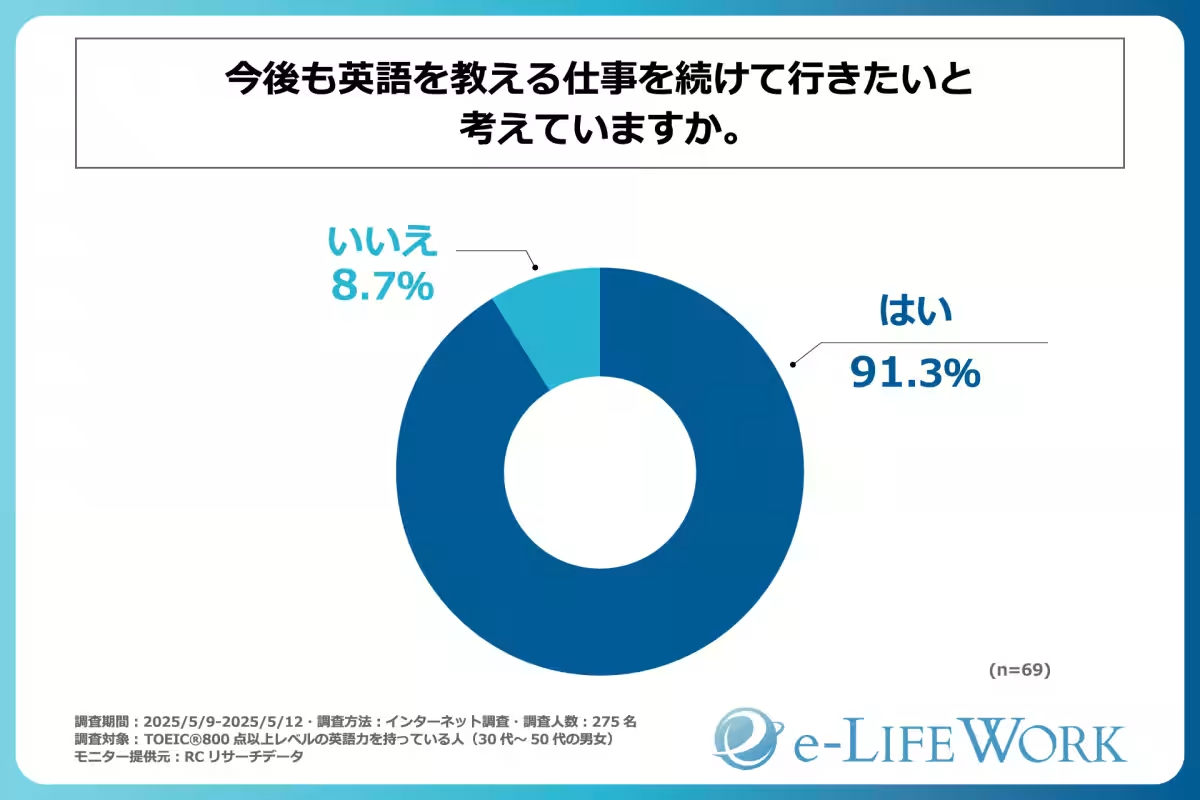
Interestingly, a whopping 91.3% of current English teachers expressed a desire to remain in their roles, underlining a robust commitment to education despite the challenges they face. This demonstrates a strong dedication to not just their personal growth, but also to nurturing the next generation.
Interest Among Non-Teaching Individuals
The survey also identified that approximately 39.8% of individuals not currently in teaching expressed interest in future opportunities within this field. This indicates a potential influx of qualified resources should barriers be addressed.
Challenges and Concerns
However, when contemplating a transition into teaching, many individuals reported feeling apprehension regarding their language skills. A significant proportion (22.0%) voiced concerns about their English proficiency, while 18.3% worried about potential low incomes in teaching roles. A common sentiment arose from an uncertainty in their capacity to teach effectively, indicating a need for targeted support and development in this area.
Reasons for Avoiding English Teaching
For those expressing lack of interest in English teaching, the predominant reason was a fear of not being competent enough to instruct others in the language, showcasing a barrier to entry that could be mitigated through better educational resources and training opportunities.
Conclusion
The findings from this recent study reveal crucial insights into the landscape of English teaching among TOEIC®800+ holders in Japan. With over 90% of current educators wishing to continue teaching and a notable interest from non-teachers, there exists a significant opportunity for growth in this sector. However, the concerns around personal proficiency and confidence highlight the need for comprehensive training programs, such as the English Coach Training Course offered by e-LIFEWORK. This program aims to equip aspiring educators with essential language and coaching skills necessary to thrive in the education industry.
The need for proficient and confident English teachers is ever-growing, and by addressing the existing barriers, we can empower individuals to contribute meaningfully to English education, thereby fostering a more knowledgeable and engaged society.


Topics Other)
【About Using Articles】
You can freely use the title and article content by linking to the page where the article is posted.
※ Images cannot be used.
【About Links】
Links are free to use.