



Wakodo's 'Mogumogu White Paper' Highlights Baby Food Trends in the Era of Shared Parenting
Wakodo's 'Mogumogu White Paper' - A New Perspective on Baby Food in the Era of Collaborative Parenting
On October 1, 2025, Asahi Group Foods, headquartered in Tokyo and led by President Hiroshi Kawahara, released the 'Mogumogu White Paper.' This document addresses the evolving perceptions of baby food in the context of the shared parenting era, following changes in Japan's Child Care and Family Leave Act.
Background of the White Paper's Release
The legislation mandates organizations with over 300 employees to publicly share childcare leave information on their websites and the Health, Labour and Welfare Ministry's portal, also requiring them to disclose male participation rates in childcare leave. This regulatory change promotes the concept of 'Tomoi-kus' or shared parenting, highlighting the need for engaged fatherhood. Therefore, the 'Mogumogu White Paper' aims to address baby food expectations amid these societal shifts.
This white paper not only reinforces the importance of quality standards for baby food but also identifies the concerns modern parents have regarding feeding practices. Research insights reveal that, alongside nutritional requirements and allergy considerations, crucial factors such as texture, size, and the ability to chew become increasingly significant as children grow. Additionally, the paper presents Wakodo's principles surrounding 'baby quality' design and their steadfast commitment to creating safe, trustworthy products for baby food consumers.
Focus of the 'Mogumogu White Paper'
The 'Mogumogu White Paper' endeavors to reassess the importance of baby food in the context of shared parenting, aiming to foster understanding and ensure peace of mind among new mothers and fathers. Through targeted surveys with parents of infants aged 5 to 18 months, the study analyzes their concerns regarding parenting and nutrition, the role of baby food, awareness of industry standards, and Wakodo's unique quality benchmarks. Together, these data illuminate the real-world dynamics of feeding practices and challenges faced by families today.
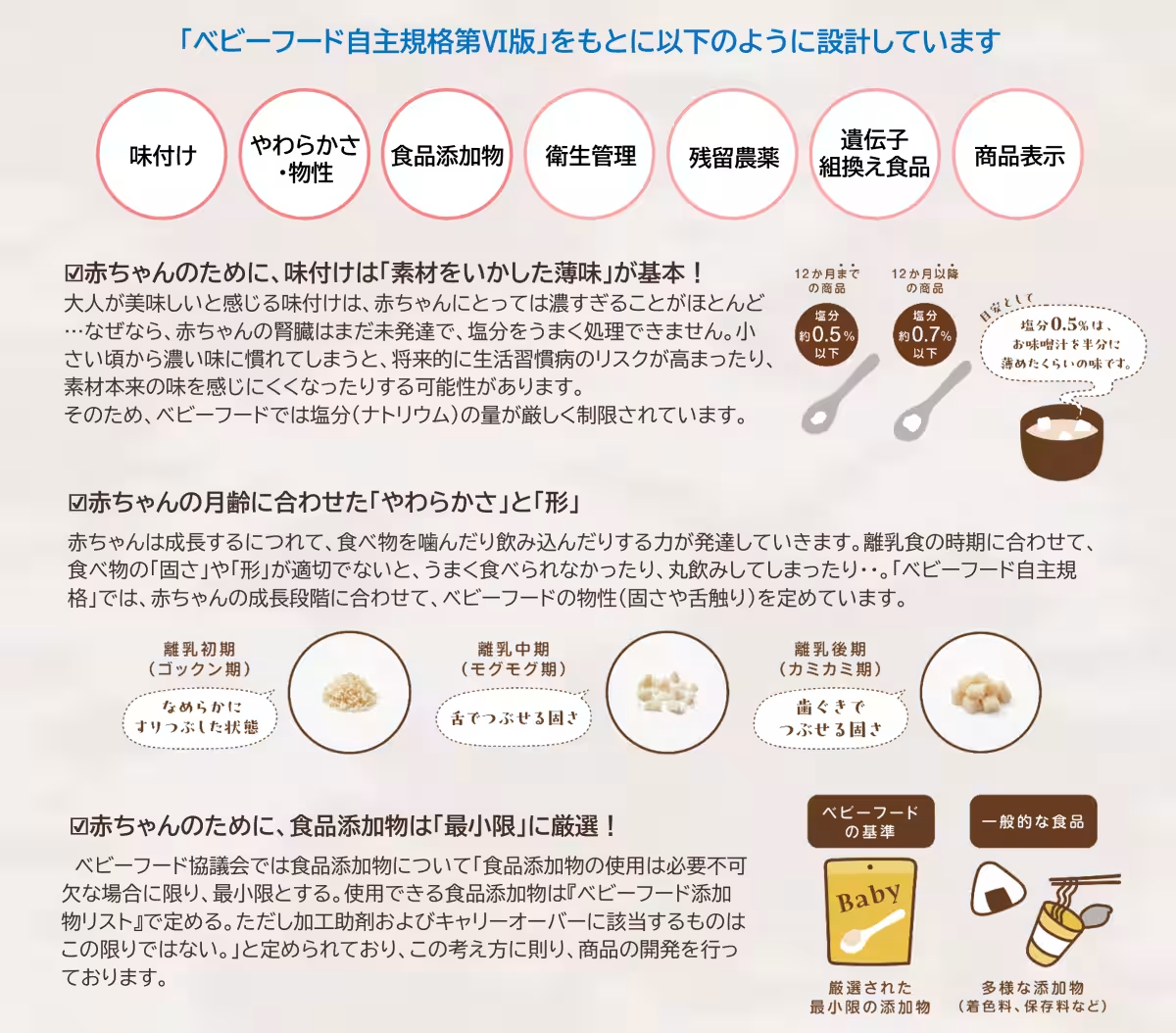
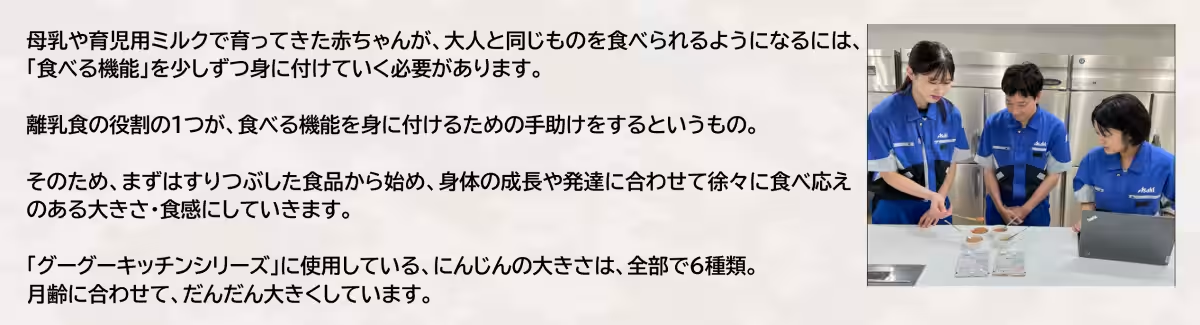
Wakodo's commitment to safety and quality is further emphasized, showcasing their 'baby design' concept that adapts products to align with infants’ developmental stages—taking into account considerations such as food size, softness, and chewing requirements essential for young children.
Survey Highlights from the White Paper
Chapter 1: Parents' Perceptions on Infant Feeding
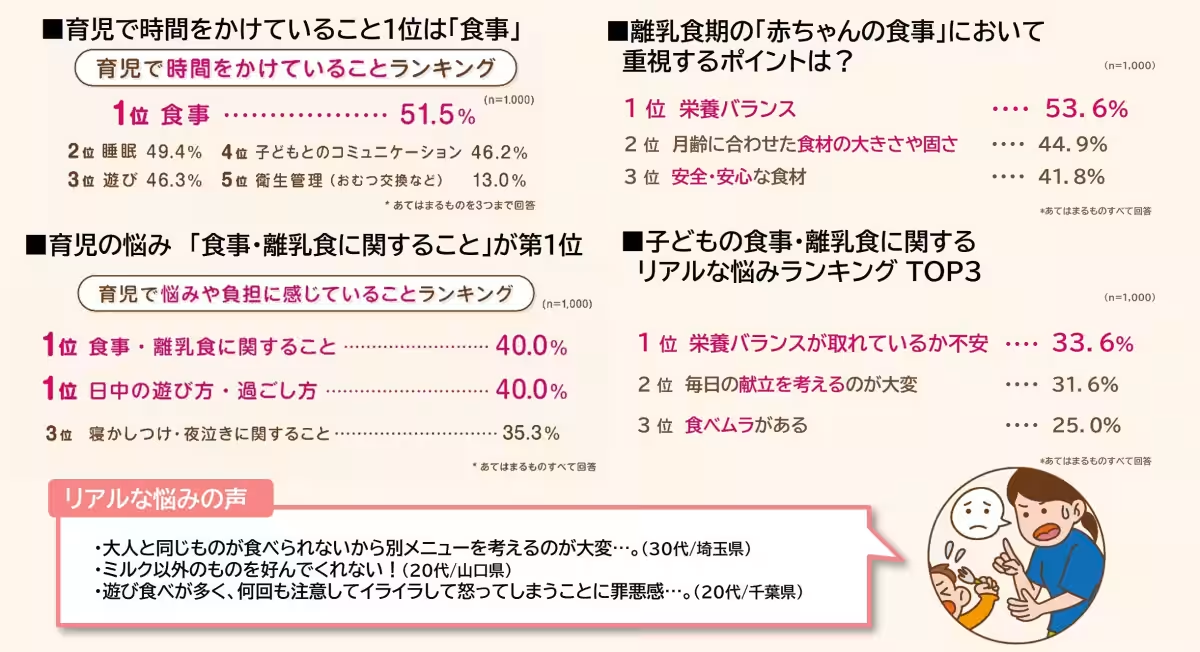
The survey revealed that the majority of parental time is invested in meal preparation during infancy. Many parents expressed concerns about not just nutritional balance but also suitable ingredient sizes and softness tailored to a child's developmental stage. Crafting menus that are both balanced and appealing remains an ongoing challenge for many.
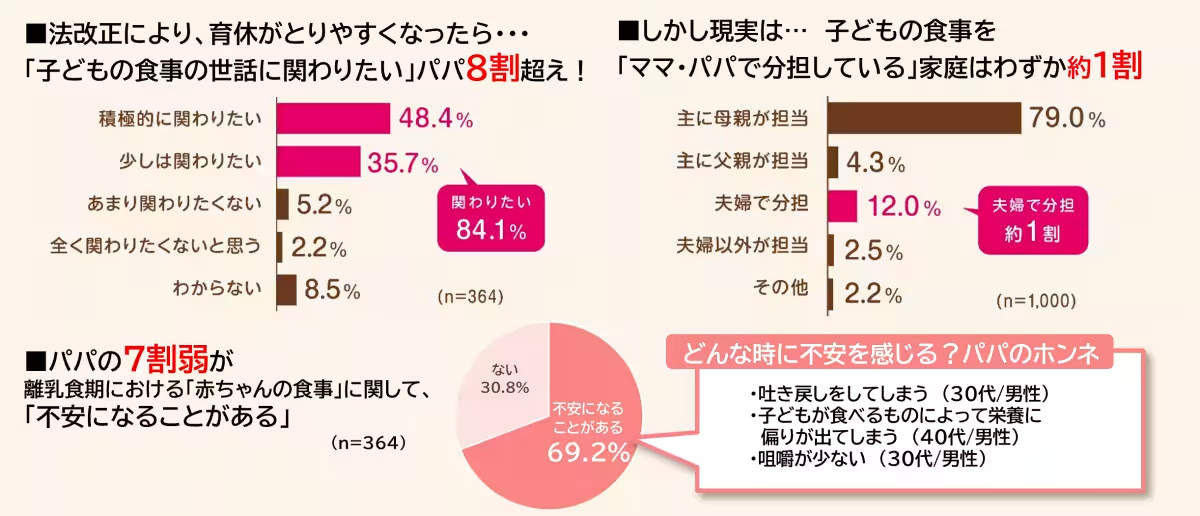
There is a rising expectation for paternal involvement in childcare. With the implementation of the reformed Child Care and Family Leave Act from April 2025, there is an anticipated shift towards more active participation from fathers in their children's nutrition. The survey indicated that over 80% of fathers expressed a willingness to engage actively in preparing their child's meals, but only roughly 10% of families reported sharing these responsibilities evenly, highlighting the ongoing need for improvement in shared parenting roles.
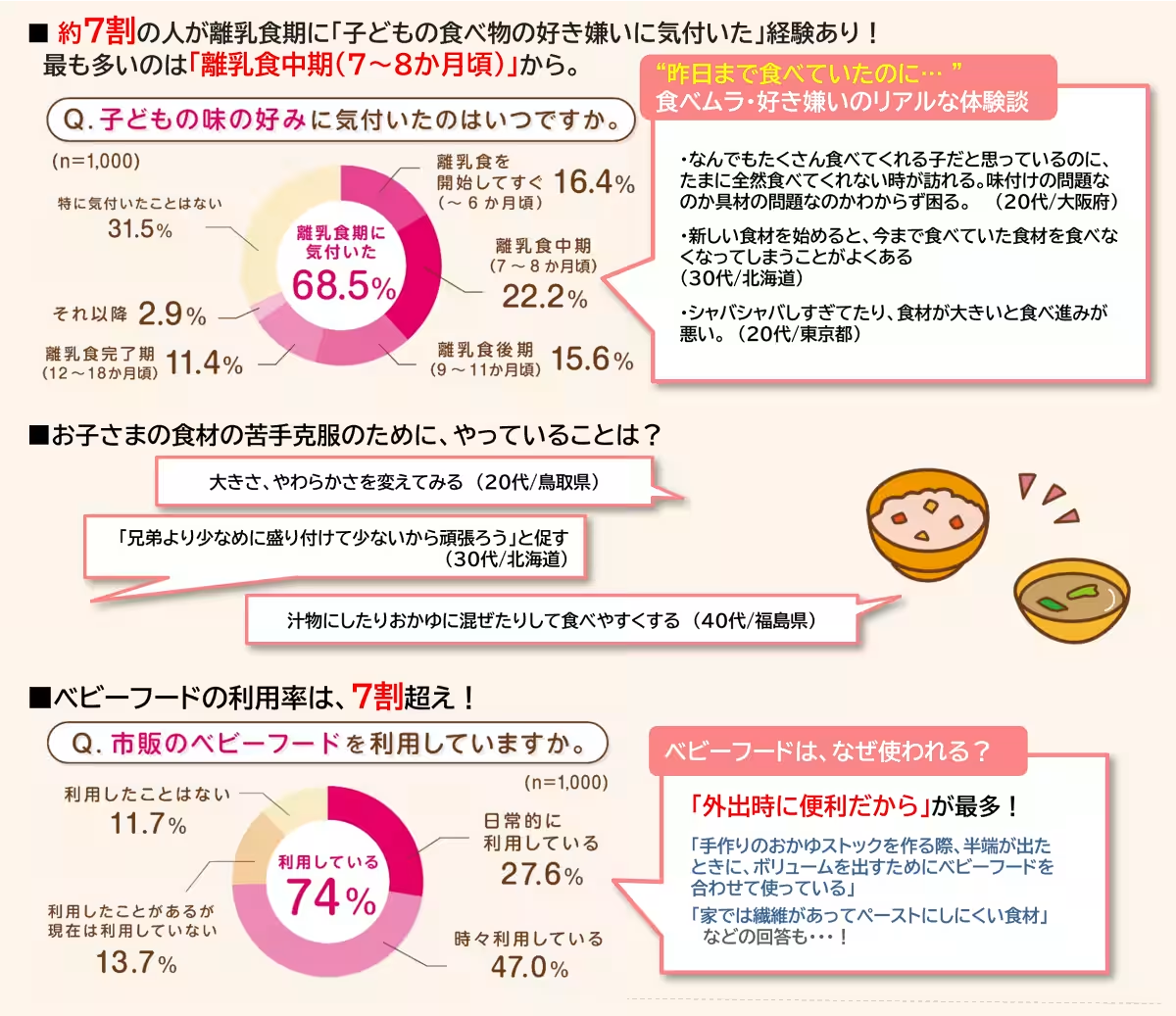
A considerable 70% of parents reported experiencing issues with child food preferences, often discovering their children suddenly becoming disinterested in previously enjoyed foods. The survey also highlighted that over 70% of respondents utilize baby food products, showcasing a wide range of use cases, including on-the-go meals, supplementing homemade dishes, or handling difficult ingredients.
Chapter 2: Understanding Baby Food Quality Standards
As parents select food for their children, safety remains their prime concern. It is crucial to note that beyond national standards, stricter self-regulatory standards established by the Japan Baby Food Association exist. These standards, adopted by member manufacturers such as Wakodo, ensure elevated safety and quality levels, supporting the healthy growth of infants.
Chapter 3: Wakodo’s Commitment to Quality
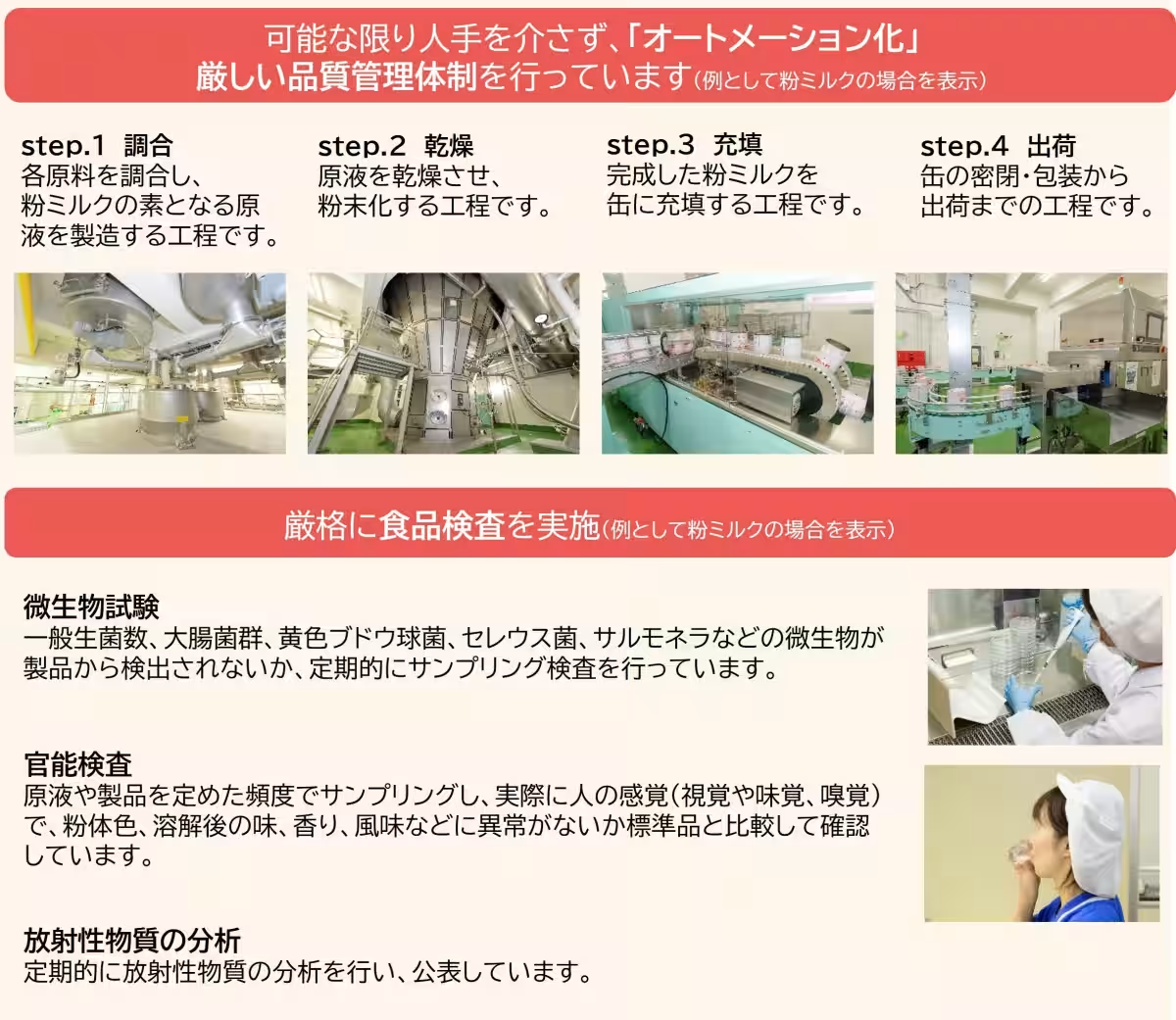
Wakodo has maintained adherence to the Japan Baby Food Association's self-regulatory standards. They have developed a strict set of product design criteria tailored to infants and have implemented the 'FSSC22000' certification for their Tochigi Sakura and Okayama factories, ensuring high food safety standards.
Conclusion: Focus on Collaborative Parenting
Amid these findings, the 'Baby Mogumogu Lab' illustrates Wakodo's dedication to producing baby food designed with careful attention to age-appropriate size and texture. This commitment underscores Wakodo's mission to support parents navigating the complexities of infant nutrition effectively.
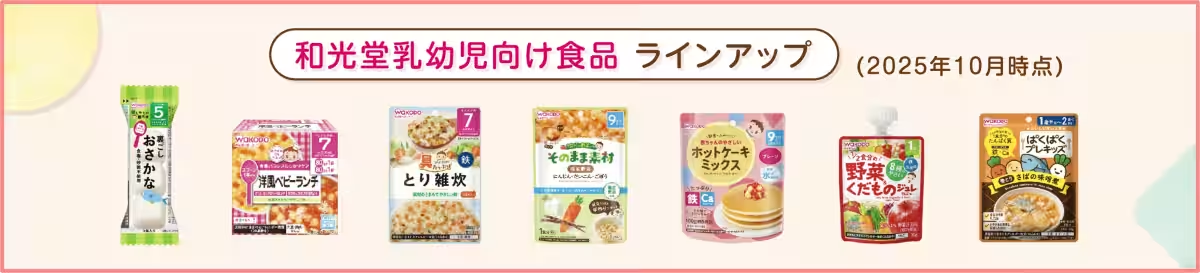
With its enduring brand message, 'Always, Baby Quality', Wakodo aims to provide safe, reliable products that cater to various needs—from powdered milk and baby food to infant skincare and medications. For more information about their product lineup and commitment to safety, visit the Wakodo brand site.

Topics Consumer Products & Retail)
【About Using Articles】
You can freely use the title and article content by linking to the page where the article is posted.
※ Images cannot be used.
【About Links】
Links are free to use.