



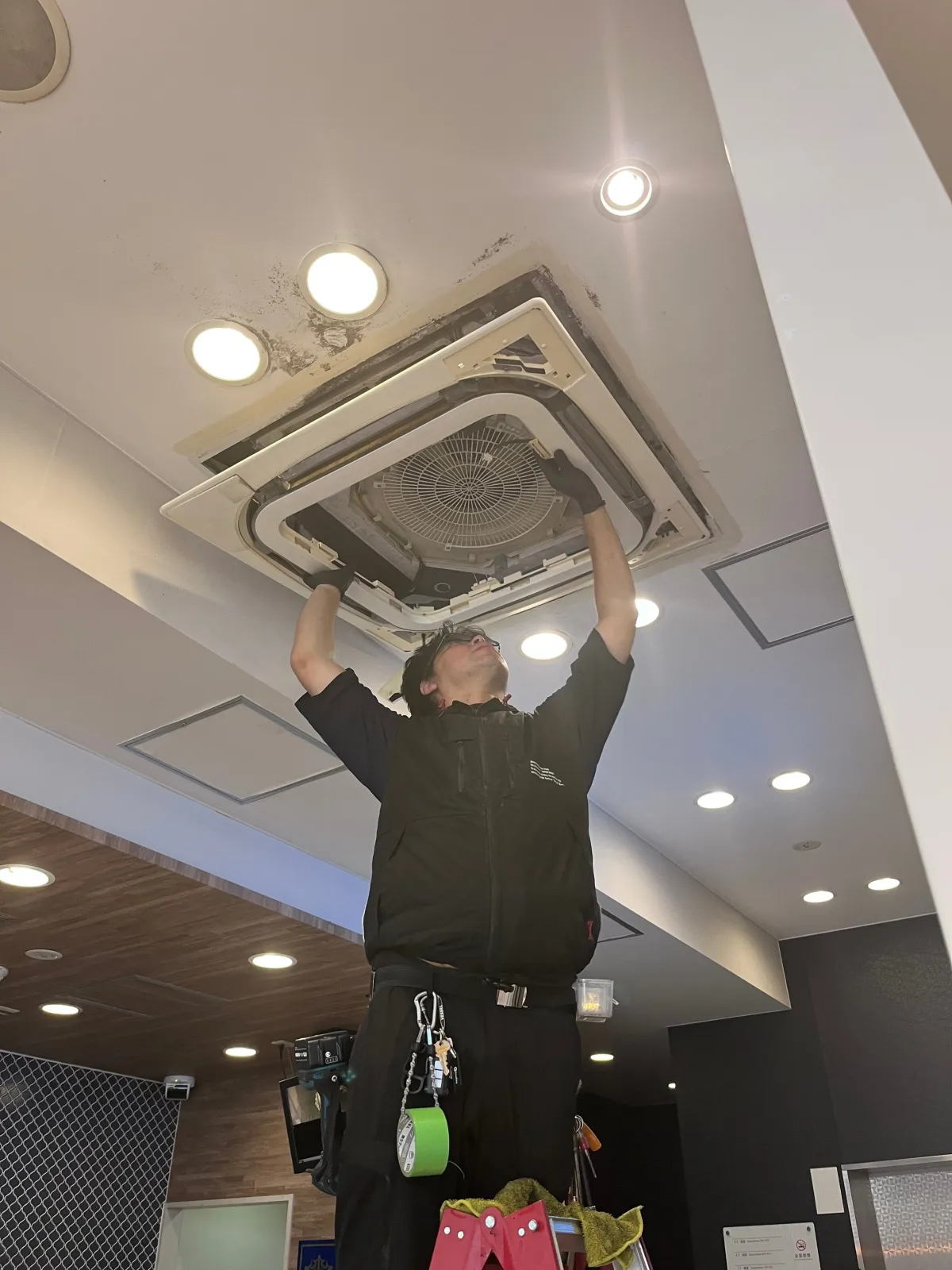
HONU Initiates Priority Air Conditioning Cleaning for Emergency Shelters in Tokyo
Optimizing Air Conditioning Systems for Disaster Preparedness
In a time where natural disasters can strike without warning, the importance of reliable air conditioning systems in emergency shelters becomes evident. HONU Co., Ltd., located in Minato City, Tokyo, has taken significant steps to address this need by prioritizing the cleaning and maintenance of air conditioning systems in designated emergency shelters throughout the city. This initiative is vital for facilities such as gymnasiums, community centers, and public halls that are turned into shelter spaces during disasters.
Importance of Air Conditioning in Emergencies
The necessity for functioning air conditioning systems was highlighted during the earthquake in Kumamoto Prefecture on July 28, 2026, which registered a maximum seismic intensity of 7. By July 30, 406 emergency shelters were set up, accommodating nearly 9,450 individuals. However, only 20% of these shelters were equipped with cooling systems, raising severe concerns as the temperature soared above 35 degrees Celsius in some regions affected by the disaster.
Disasters don't occur at our convenience; they can strike during a scorching summer or a freezing winter. Therefore, the effectiveness of air conditioning in shelters is not solely determined by its existence but also its operational capacity and readiness.
The Risks of Infrequent Use
Emergency shelters are not designed for constant use, creating a risk that their air conditioning units may not function optimally when called upon. HONU has identified several concerning scenarios based on past maintenance projects:
- - Clogged Filters: Reduced airflow due to dirty filters results in longer cooling or heating times.
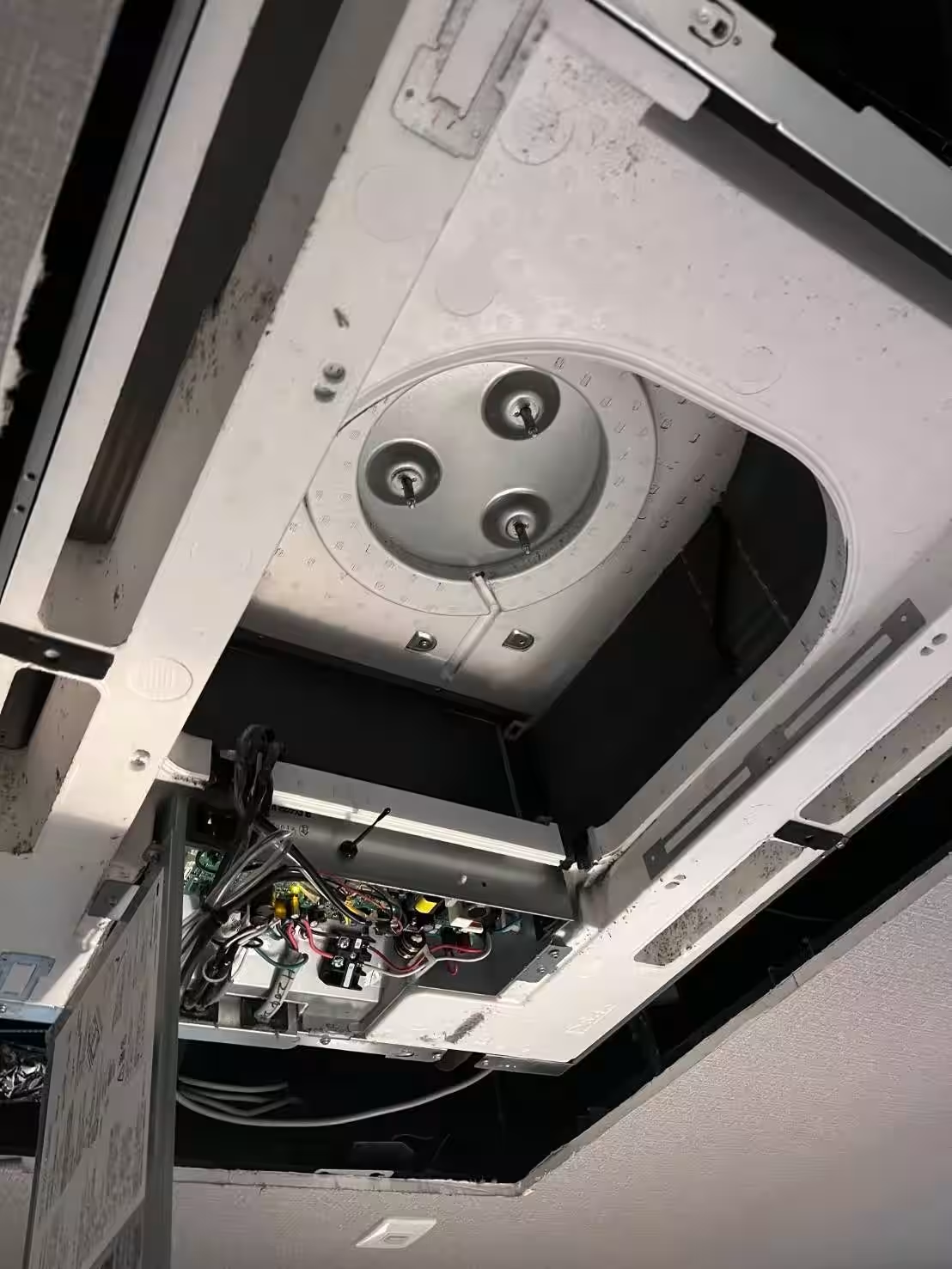
- - Dirty Heat Exchangers: Contaminated surfaces can impede both cooling and heating efficiency.
- - Blocked Drain Lines: Poor drainage can disrupt the unit’s operation.
- - Contaminated Fans: Dirty blowers can decrease airflow in larger spaces, making it harder for air to circulate.
- - Moldy Odors: Units that have been inactive for extended periods may emit unpleasant smells upon first use, affecting the quality of life for those residing in the shelter.
Comprehensive Cleaning Process
1. Disassembly and Cleaning
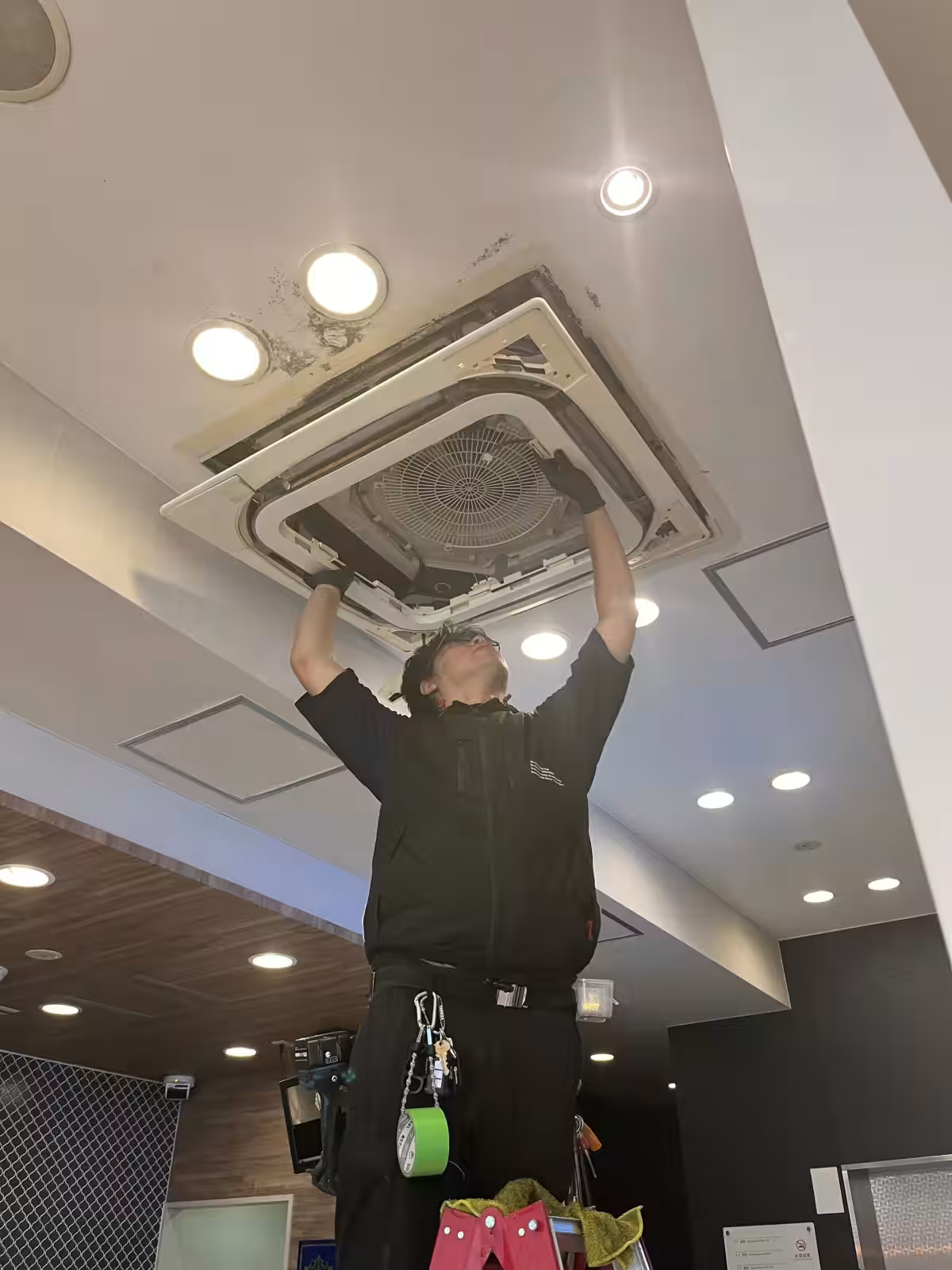
HONU undertakes a detailed cleaning procedure that disassembles the units to thoroughly wash filters, heat exchangers, blowers, and drainage paths, addressing hard-to-reach areas that regular cleaning may miss.
2. Airflow Verification
After cleaning, the airflow of the systems is tested with an anemometer to ensure adequate air distribution, identifying areas that may be lacking coverage in larger spaces.
3. Tri-Component Catalyst Treatment
Upon request, HONU can apply a tri-component catalyst spray made from platinum colloid, silver colloid, and titanium oxide, all proven safe for human health.
How to Apply
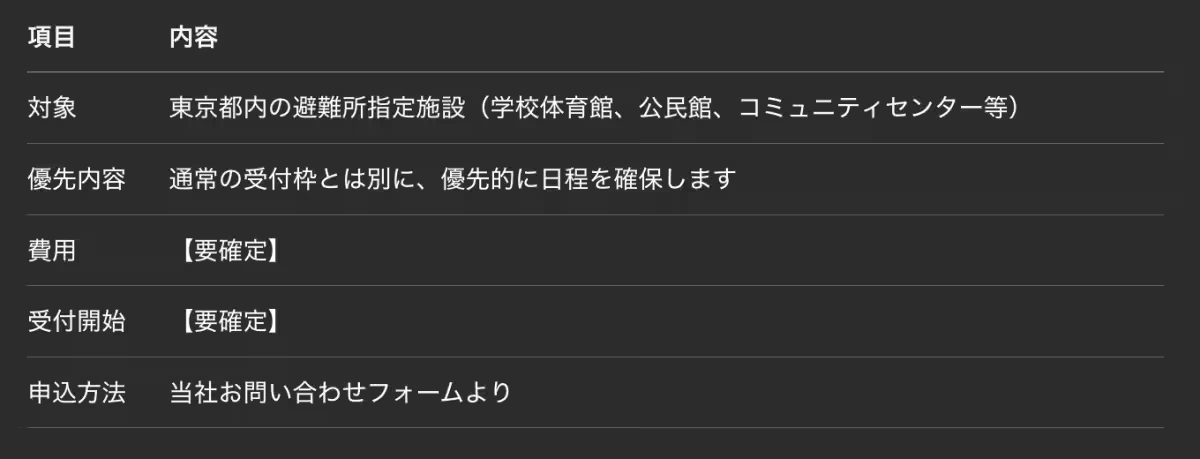
HONU welcomes applications from municipal representatives and facility administrators alike. Following an on-site assessment, HONU will provide a tailored cleaning proposal based on the specific needs of each facility.
Application Procedure
Interested parties can reach out through the contact form on HONU’s website, providing details such as facility name, location, air conditioning installation conditions, and when the last cleaning was performed.
About HONU
- - Company Name: HONU Co., Ltd.
- - CEO: Kenichi Uchida
- - Location: 9-1-7 Akasaka, Minato City, Tokyo, 107-0052
- - Established: March 2008
- - Website: honucare.co.jp
- - Services Offered: Cleaning and maintenance for hotels, hospitals, and air conditioning systems, among others.
As the threat of natural disasters looms large, ensuring that emergency shelters are equipped with operational air conditioning is essential for the safety and comfort of those seeking refuge. HONU's initiative promises not only to prepare these facilities but also to instill hope and security in times of crisis.
Topics Other)
【About Using Articles】
You can freely use the title and article content by linking to the page where the article is posted.
※ Images cannot be used.
【About Links】
Links are free to use.