



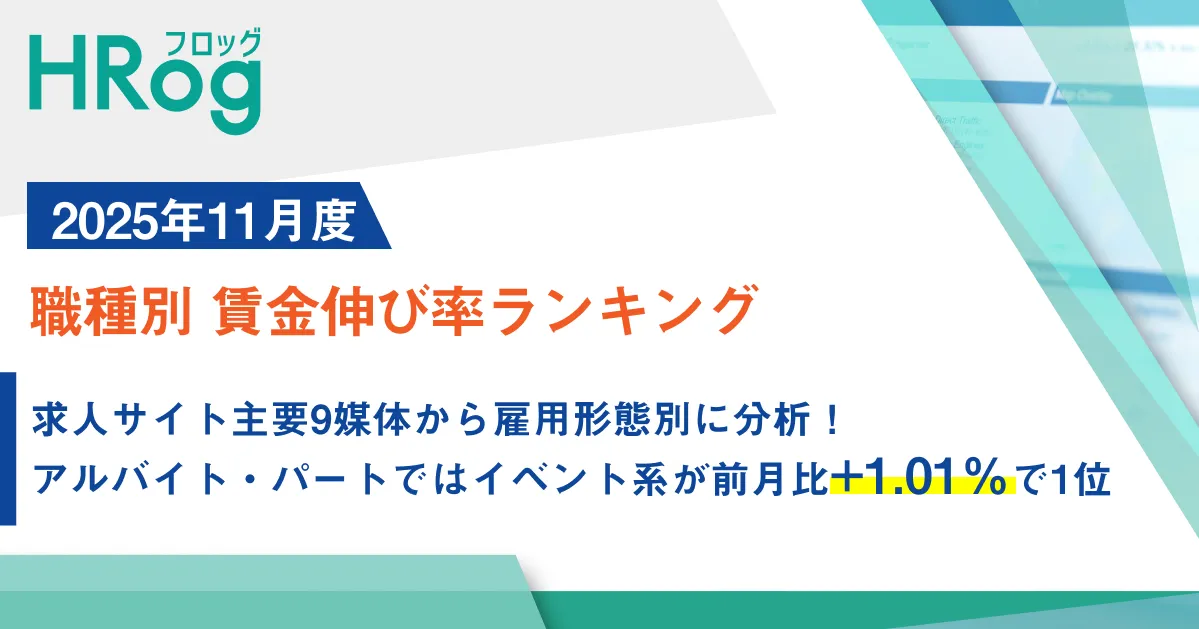
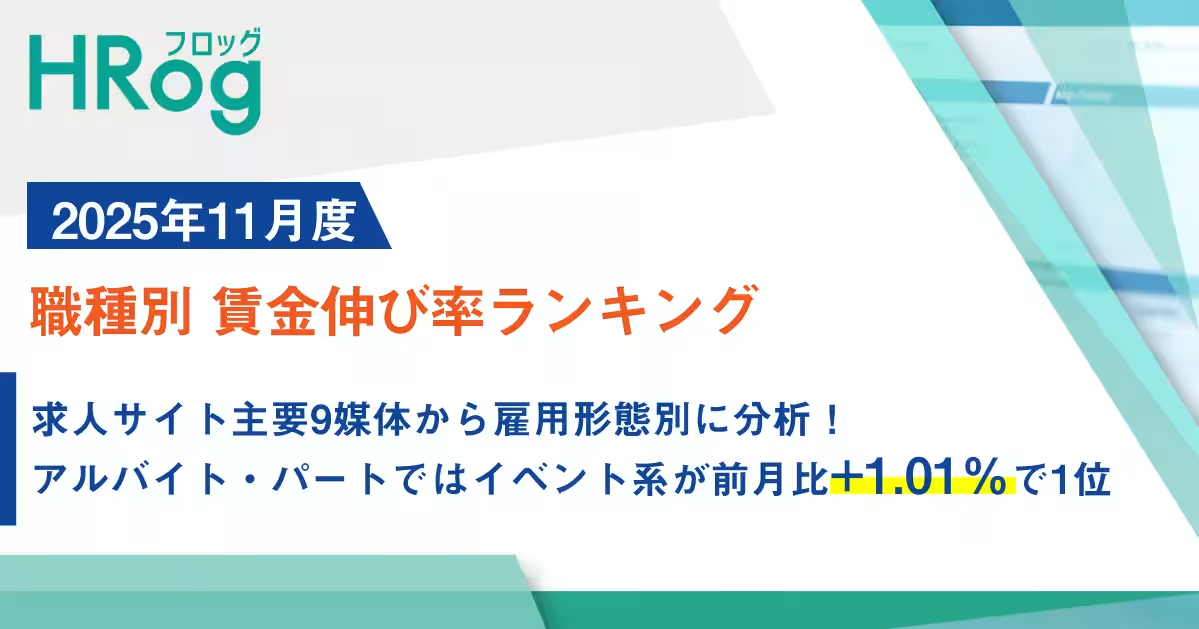
Analysis of Wage Growth Across Employment Types for November 2025 Reveals Trends
Analysis of Wage Growth Across Employment Types for November 2025
In November 2025, HRog surveyed nine major recruitment platforms to analyze wage growth across different employment types in Japan, including part-time, dispatch, and full-time jobs. The data collection utilized postings from various platforms: part-time jobs from "E-Aidem," "Baitoru," and "Mynavi Baito"; dispatch jobs from "Hatarakonehto" and "En-Haken"; and full-time jobs sourced from "Doda," "Type," "En-Tenshoku," and "Mynavi Tenshoku."
Overview of Findings
According to the Ministry of Health, Labour and Welfare, the weighted average minimum wage across the country now stands at 1,121 yen, marking a significant increase of 66 yen compared to the previous year. This adjustment represents the largest increment since the introduction of the minimum wage standard in FY 1978.
Additionally, HRog's report on the ratio of job postings that fall below the new minimum wage indicated a decrease of 17.41 points across 20 prefectures after the minimum wage revisions in October 2025.
In light of these developments, we present the findings from our analysis of job postings for November 2025, which highlight trends in wage growth by job category. This information serves as a valuable resource for understanding changes in wages across different sectors.
Wage Growth by Employment Type
For November 2025, wage growth rates varied among employment types:
- - Part-time jobs showed growth rates between -11.64% and +1.01%, with the highest growth observed in the event, entertainment, and campaign sectors.
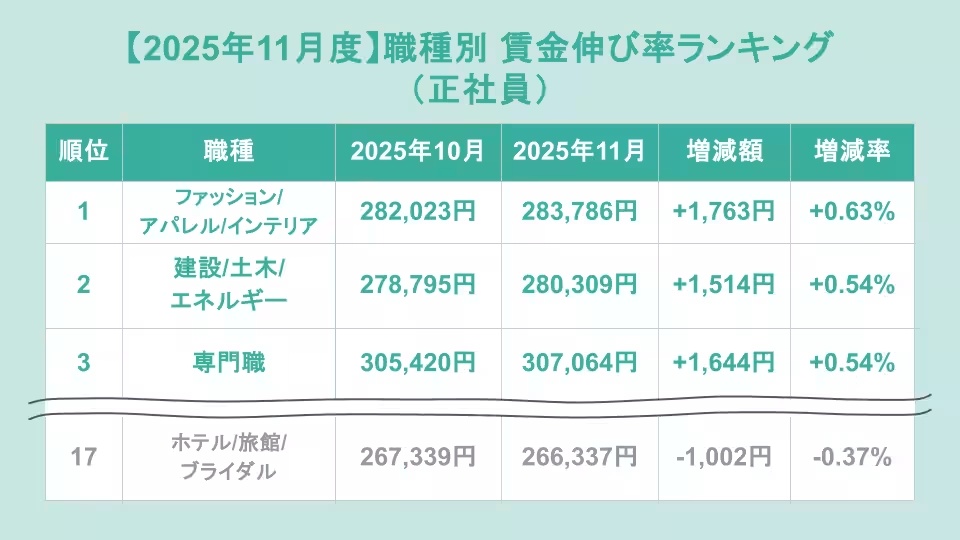
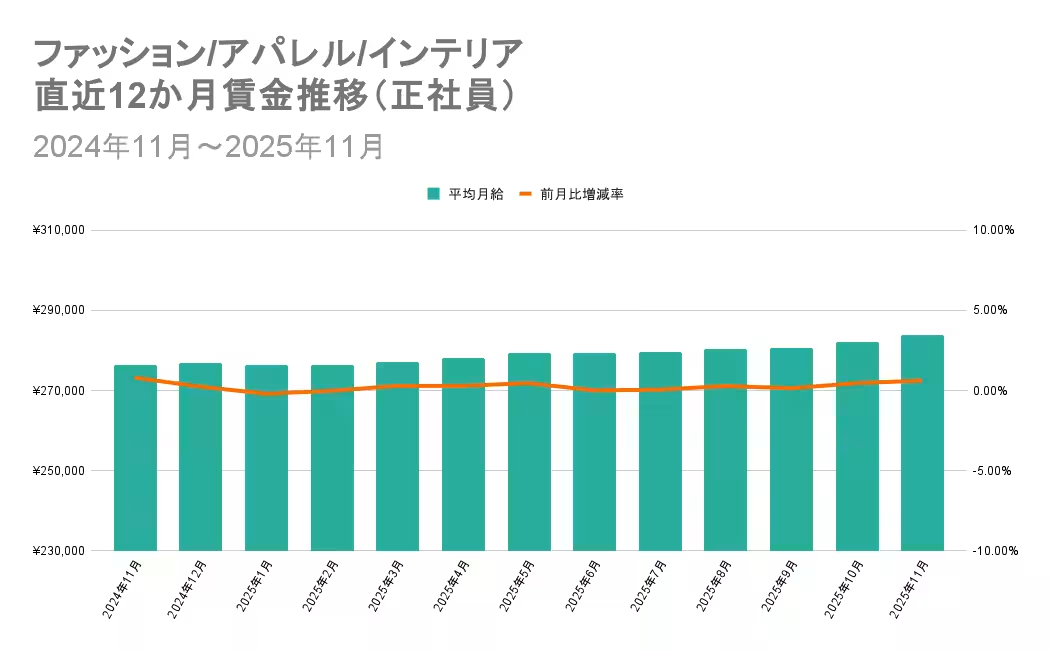
- - Full-time positions displayed a variation of -0.37% to +0.63%. The sector exhibiting the highest increase was fashion, apparel, and interiors.
Highlights of Part-Time Employment
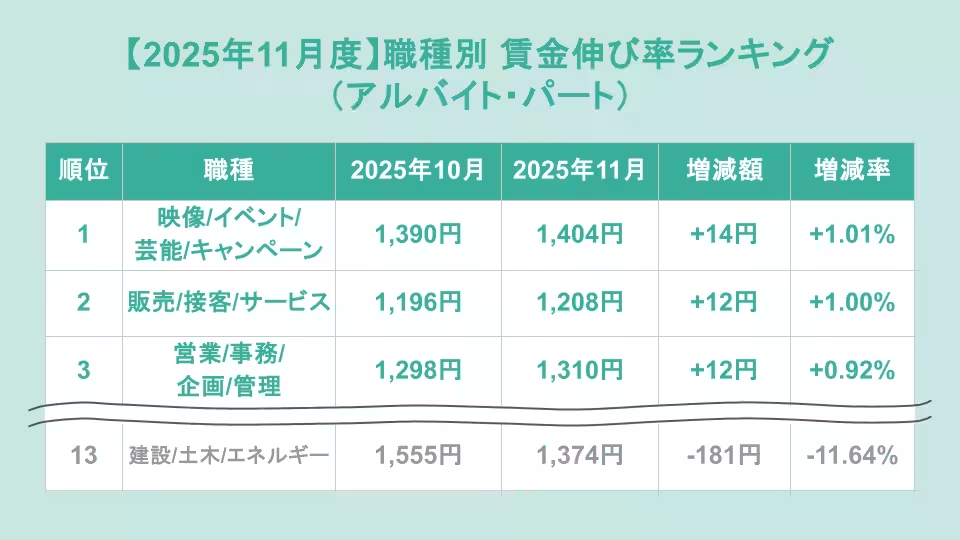
Among part-time job categories, the top three rankings for wage growth are:
1. Event/Entertainment/Campaign: +14 yen, +1.01%
2. Retail/Customer Service: +12 yen, +1.00%
3. Sales/Administrative/Planning/Management: +12 yen, +0.92%
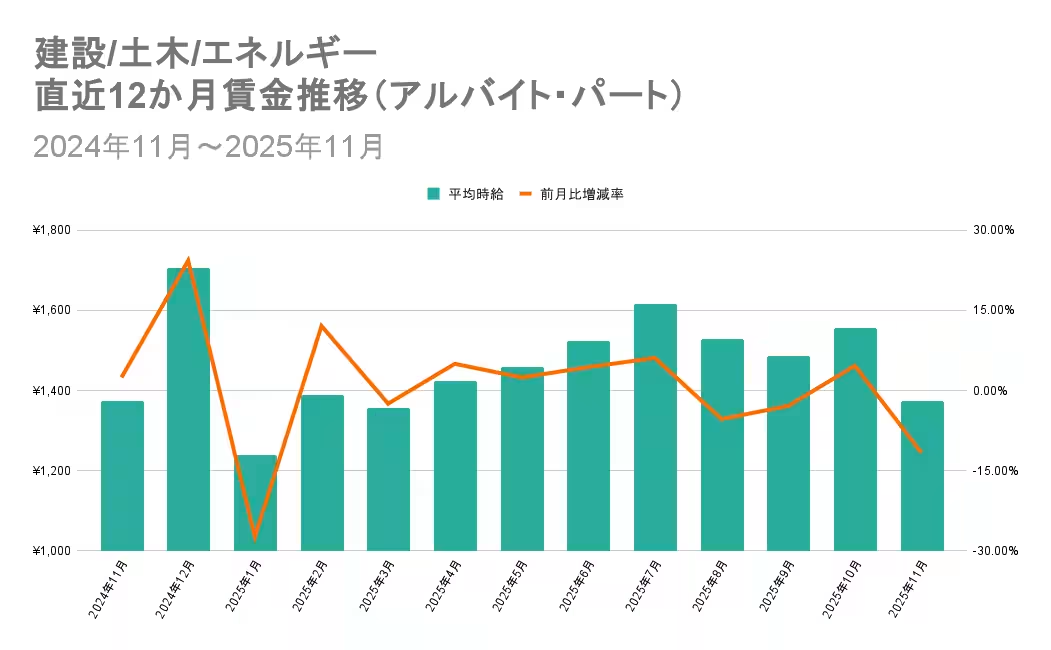
In stark contrast, the construction, civil engineering, and energy sector saw the largest decline with a decrease of -181 yen, representing a drop of -11.64%. This shift can be attributed to multiple factors affecting demand and supply in the industry.
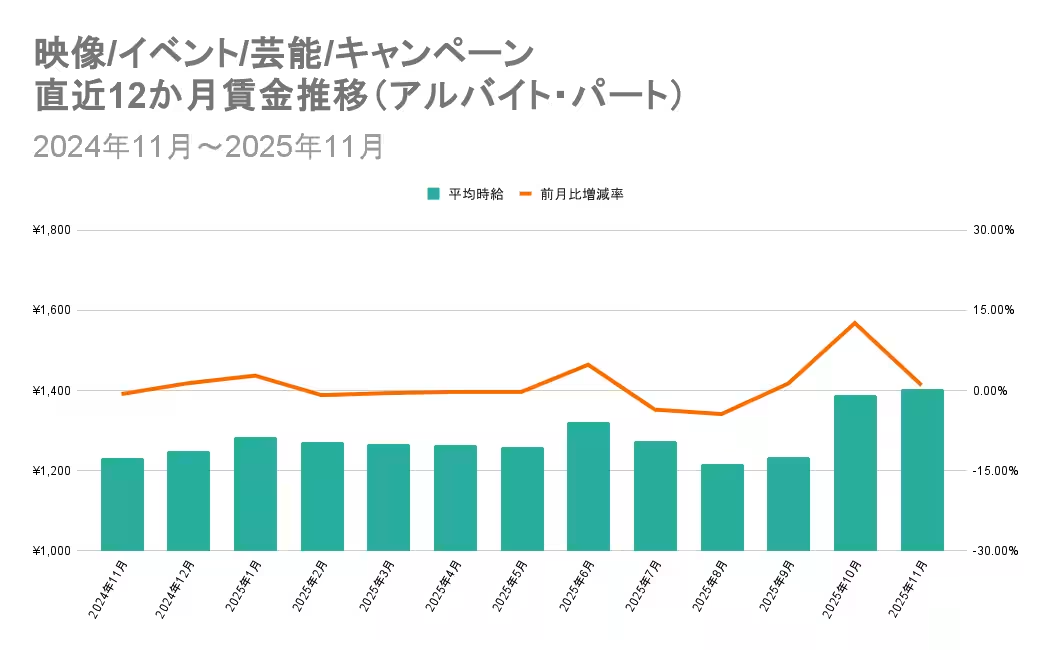
Over the past twelve months, the sector dealing with events and entertainment has witnessed a rise due to numerous companies publishing high-paying job offers for event staff. This resulted in significant wage increases from September to November 2025, allowing it to maintain the top rank for two consecutive months.
Conversely, the construction industry has had fluctuations due to the mass hiring strategies employed by companies like K-Max, which advertised a whopping 600 job postings at 2,333 yen in December 2024. This surge led to a temporary spike in wages followed by fluctuations in subsequent months.
Analysis of Full-Time Employment
The rankings for wage growth among full-time jobs in November 2025 include:
1. Fashion/Apparel/Interior: +1,763 yen, +0.63%
2. Construction/Civil Engineering/Energy: +1,514 yen, +0.54%
3. Specialized Occupations: +1,644 yen, +0.54%
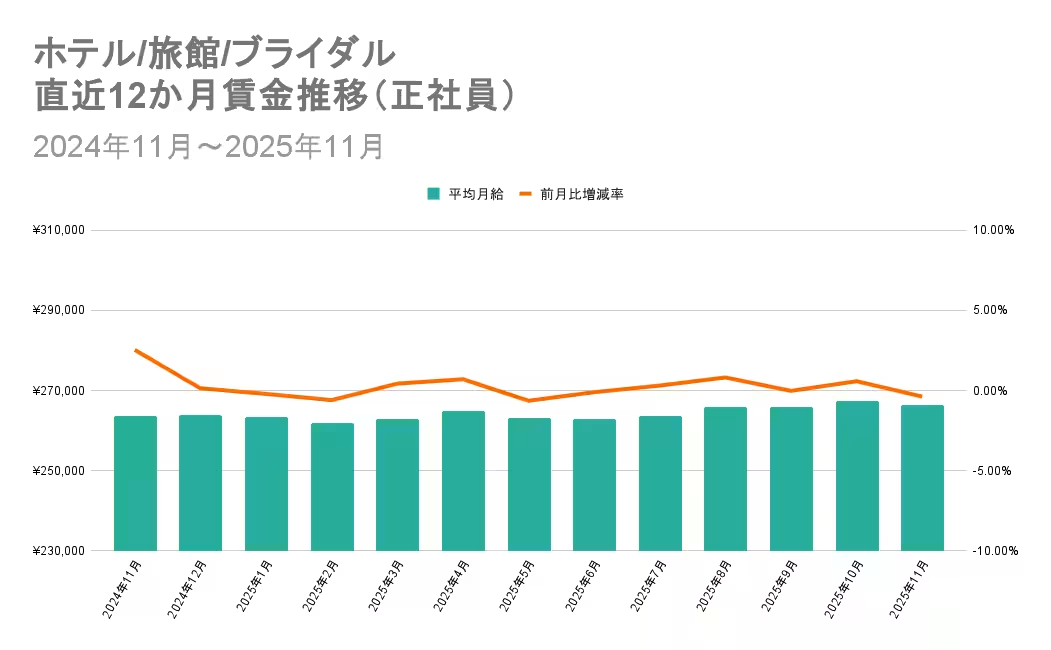
The lowest-ranked sector was the hospitality industry with a decline of -1,002 yen, indicating a continual drop in premiums within hotels, inns, and bridal services. This sector exhibited volatility, having increased in certain months only to see decreases shortly after.
Conclusion
The latest analysis from HRog underscores a dynamic landscape in the Japanese labor market, particularly in 2025. The job market shows a fluctuation in wages due to various influencing factors, and these insights are essential for businesses and job seekers alike. This data provides a clear picture of which sectors are thriving and which are struggling, allowing stakeholders in the labor market to make informed decisions.
For more detailed insights, HRog continues to offer comprehensive data services reflecting the latest trends within the ever-evolving job market.
About HRog
HRog, established in January 2021 and based in Chiyoda, Tokyo, specializes in providing big data related to job postings in Japan. With over 40 billion records from more than 150 sites, HRog serves a variety of clients, including government bodies and media outlets, contributing to the discourse on labor market trends.
Topics Business Technology)
【About Using Articles】
You can freely use the title and article content by linking to the page where the article is posted.
※ Images cannot be used.
【About Links】
Links are free to use.