



The Impact of Japan's Planned 1% Consumption Tax on Food Services and Takeout Pricing
Introduction
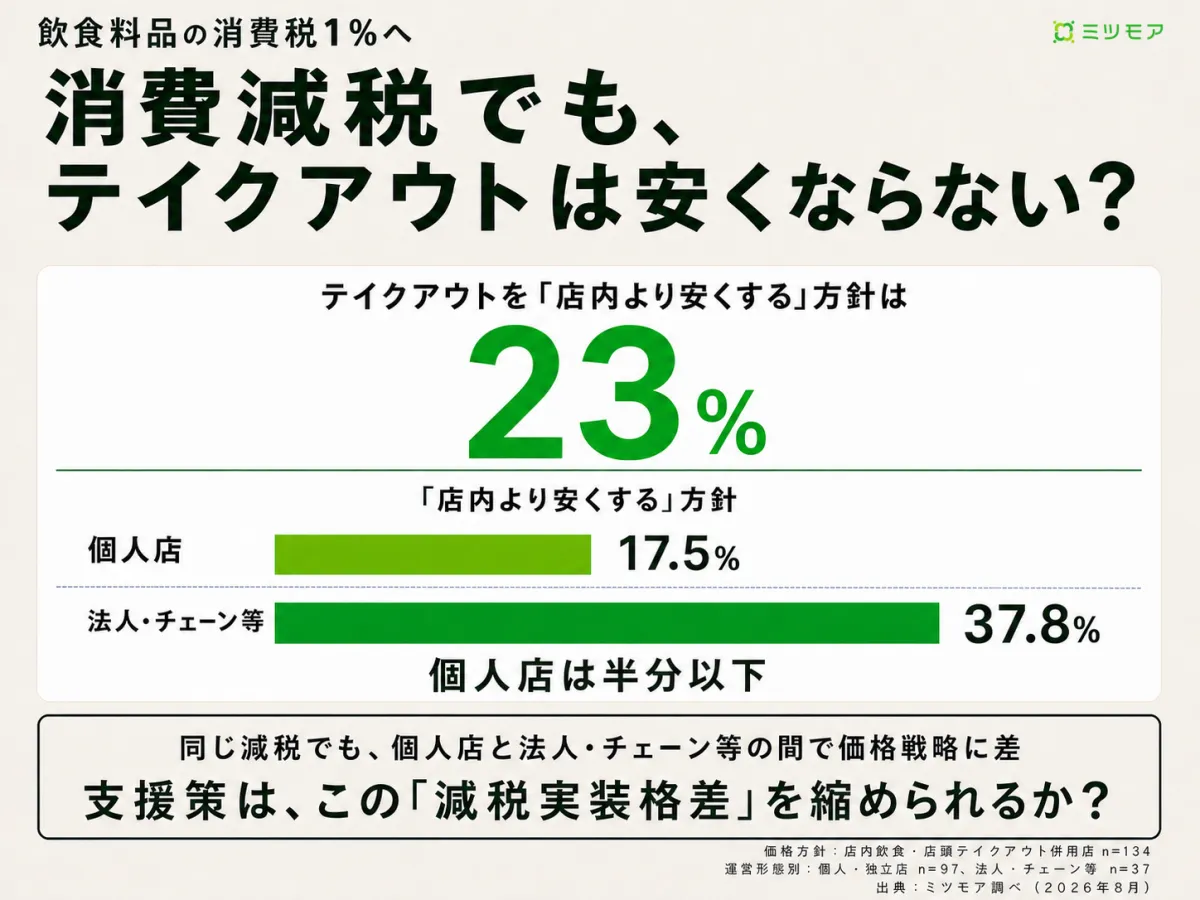
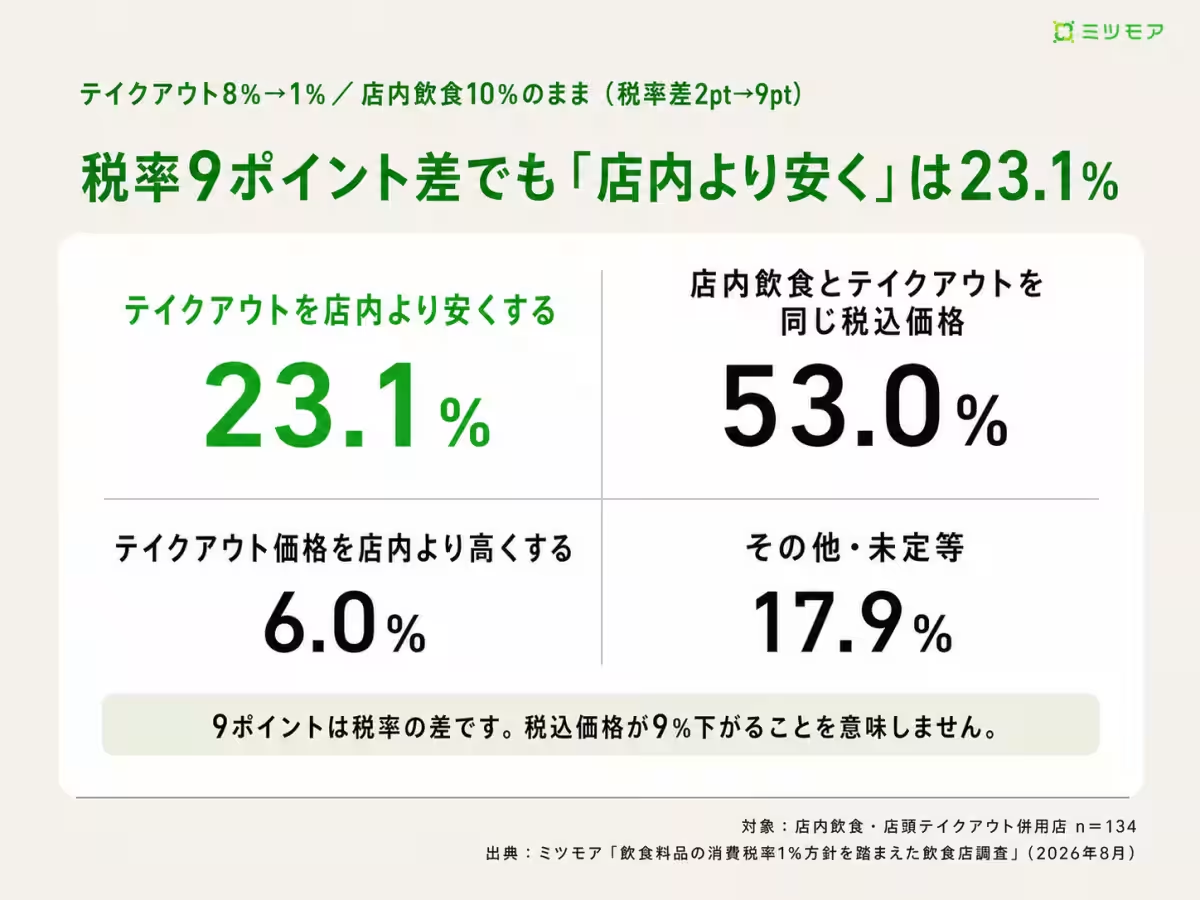
A recent survey carried out by Mitsumore, an online comparison service based in Chuo, Tokyo, explored how business owners in the food service industry are preparing for the Japanese government's planned reduction of the consumption tax on food products to 1%. The survey targeted 533 professionals involved in the operation and management of restaurants offering dine-in services. Among those surveyed, only 23.1% of respondents indicated they would set takeout prices lower than dine-in prices.
The Discrepancy in Price Strategies
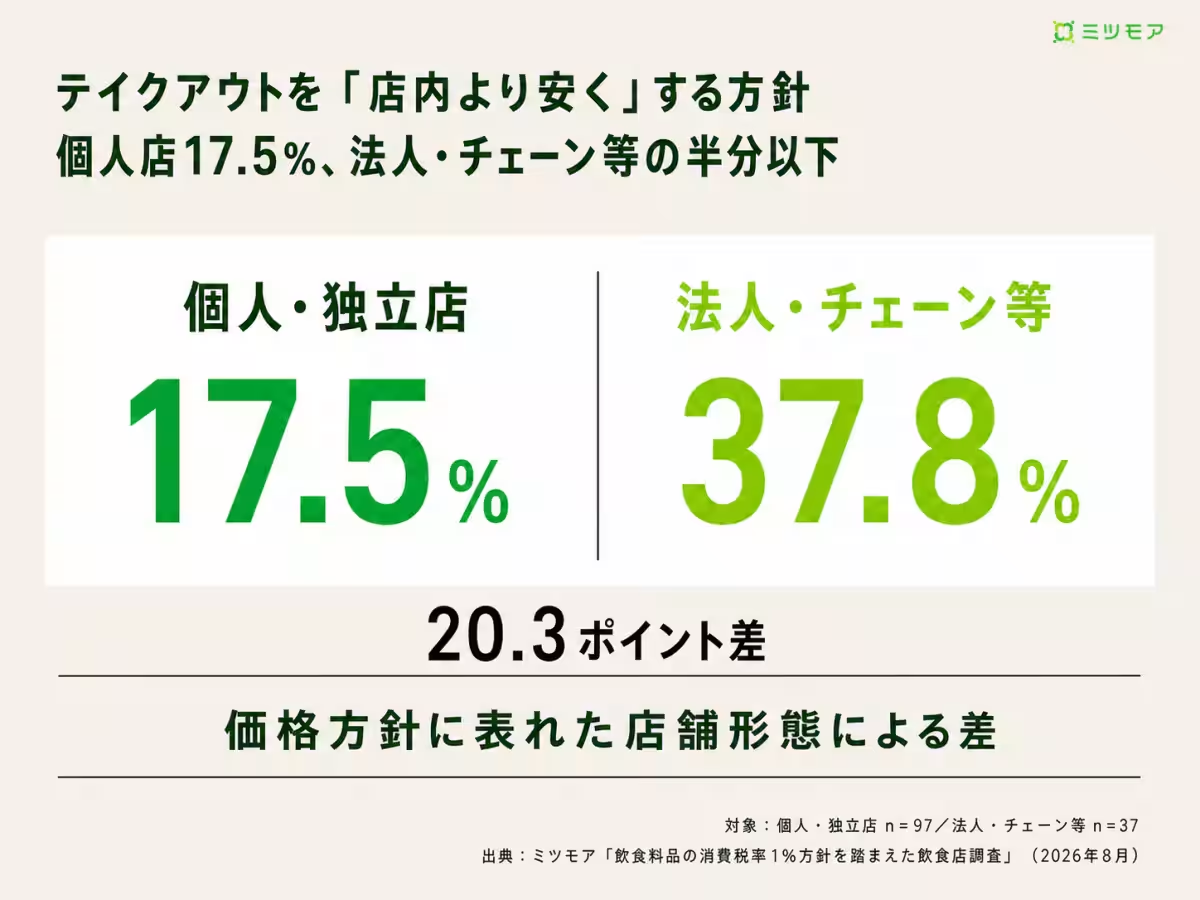
For consumers, the key concern is whether the effects of the tax reduction will translate into lower prices at the checkout. Surprisingly, only 23.1% of businesses that engage in both dine-in and takeout services plan to offer cheaper takeout prices. This figure is even lower for independent establishments, where only 17.5% indicated they would reduce prices below those of dine-in options, compared to 37.8% of corporate or chain establishments.
This indicates a significant disparity in how different types of restaurant operations approach pricing strategies in light of the tax changes. Rather than simply lowering prices, many restaurants are weighing their options—including maintaining current prices to secure profits, reducing takeout prices to attract more customers, or even entering the takeout market to diversify their revenue streams.
Individual vs. Corporate Restaurants
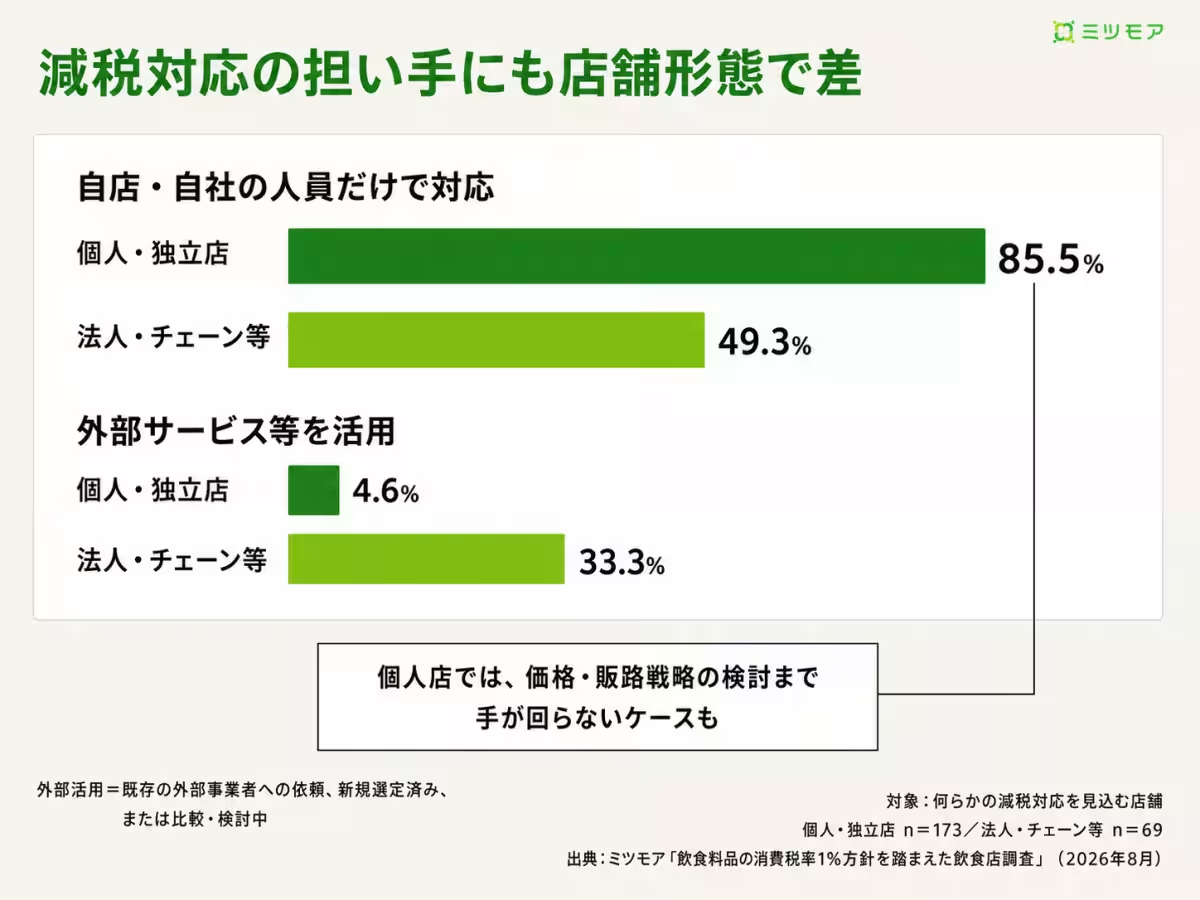
Interestingly, 85.5% of independent restaurants planning to respond to the tax changes intend to manage these adjustments internally, utilizing only their own staff. In contrast, corporate and chain establishments tend to rely more on technology, notably utilizing Point of Sale (POS) systems substantially more than their independent counterparts (59.2% compared to 20.6%). This highlights the gap in operational capabilities between different types of restaurants.
Such findings suggest that while independent eateries can address necessary regulatory changes, they may struggle to translate tax reductions into broader business strategies, such as adopting new pricing structures or expanding into takeout services.
Government’s Role
The Japanese government’s decision to set the consumption tax on food products at 1% beginning April 2027 was formalized in a cabinet meeting on August 5, 2026, which will result in a substantial tax rate differential between dine-in (10%) and takeout (1%). This 9-point difference raises questions about how effectively restaurants can adjust their pricing to reflect the new tax landscape.
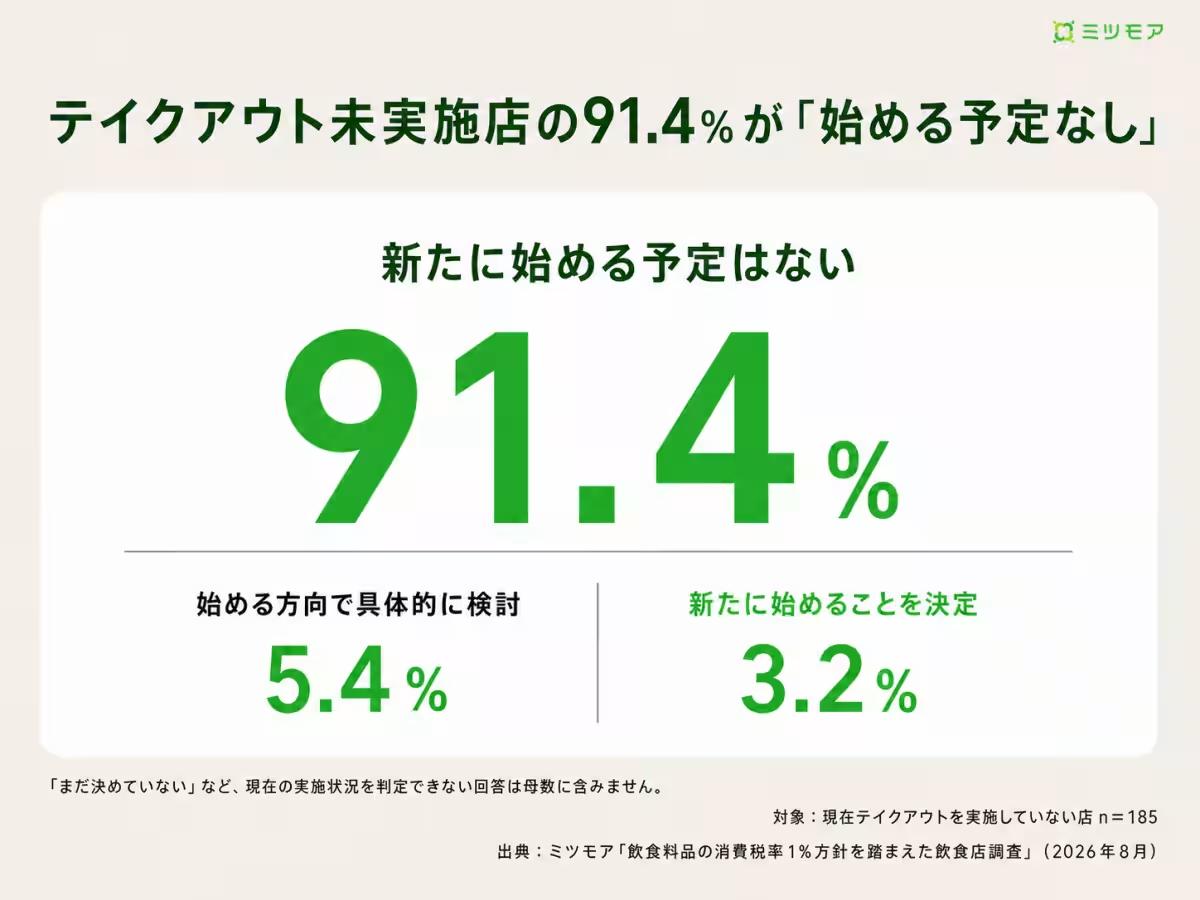
After the survey was conducted, the government discussed supporting restaurant operators who implement the 1% tax structure. However, reactions from independent establishments show limited optimism, as 91.4% of restaurants currently not offering takeout do not plan to start doing so in the immediate future.
Future Challenges and Opportunities
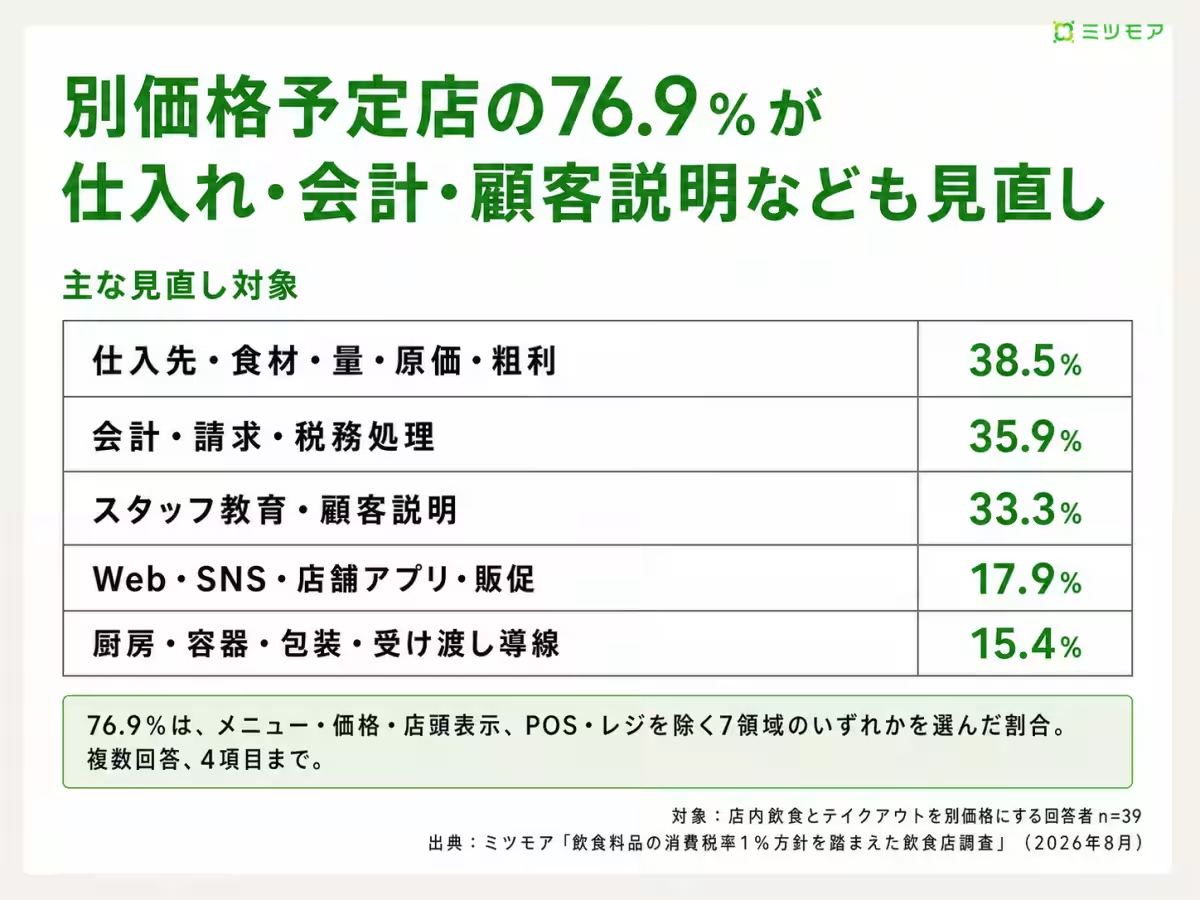
The Future is uncertain as businesses weigh their options amidst these significant changes. With 91.4% of surveyed businesses stating they do not have plans to initiate takeout services, it becomes evident that adjusting to the new tax structure involves more than just changing prices. It will require substantial groundwork on accounting, food packaging, customer communication, and staff training.
Moreover, external assistance, while advantageous, tends to be more accessible to restaurants with existing systems in place. Thus, disparities between independent and corporate establishments may widen if government support primarily benefits those with pre-existing resources.
Conclusion
Mitsumore’s study sheds light on the complicating factors surrounding the new consumption tax scheme. As businesses strive to navigate these changes, understanding how to leverage tax reductions for operational benefits will prove essential. The study also underlines the importance of tailoring strategies to different restaurant formats, as they face unique challenges and limitations. The outcomes of these changes could redefine the food service landscape in Japan.

Topics Consumer Products & Retail)
【About Using Articles】
You can freely use the title and article content by linking to the page where the article is posted.
※ Images cannot be used.
【About Links】
Links are free to use.