



Exploring the Role of AI in Reducing Sales Knowledge Dependency in SMEs
Introduction
In recent years, the integration of Artificial Intelligence (AI) into sales processes has gained significant traction, especially among small and medium-sized enterprises (SMEs). A recent survey conducted by Thanks Lab Career Co., Ltd., headquartered in Fukuoka, Japan, explored the utilization of AI in mitigating the individual dependency on sales knowledge among sales personnel within SMEs.
The Problem of Knowledge Dependency
It is not uncommon for sales teams to rely heavily on specific individuals for key insights and strategies. Phrases like "Only this person can handle this case" or "In the end, we have to rely on a particular representative" reflect a systemic issue. Despite the presence of effective salespeople, their knowledge and decision-making processes are often not adequately shared across the organization, leading to a situation where knowledge becomes overly personalized. This can stifle team innovation and limit overall profitability.
The State of AI Implementation in Sales
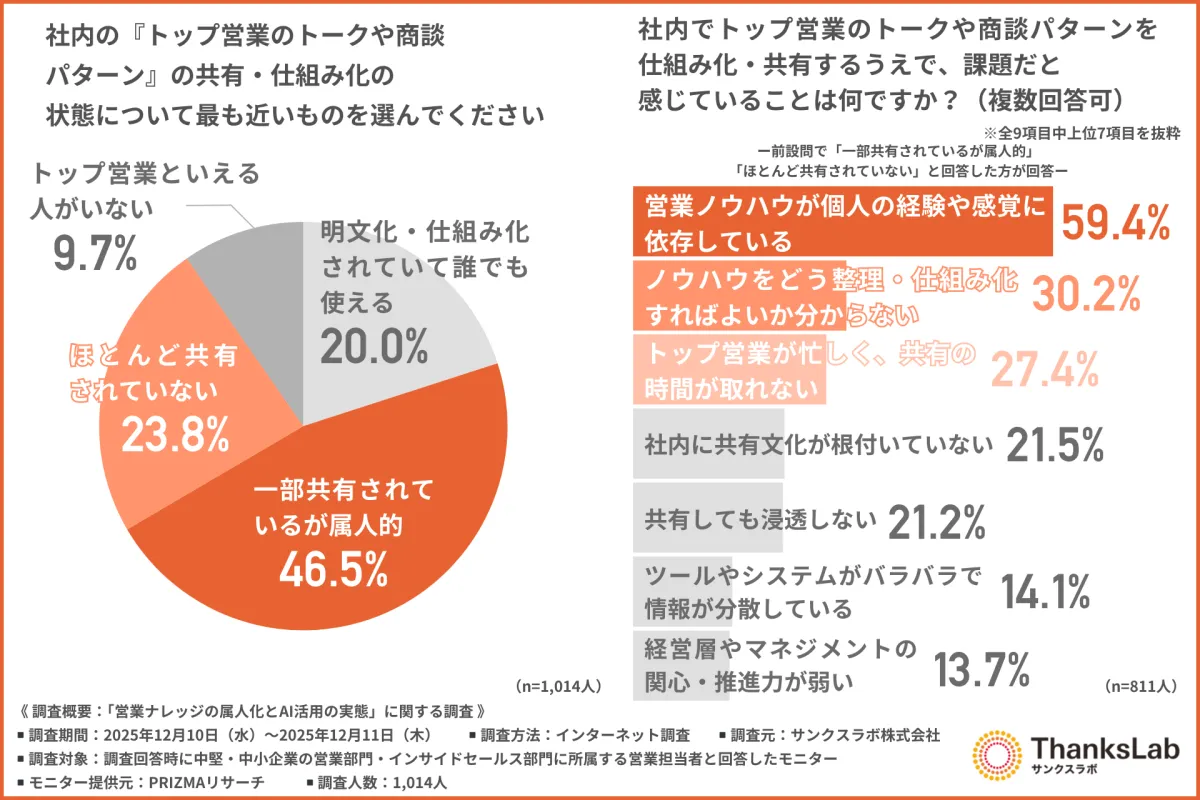
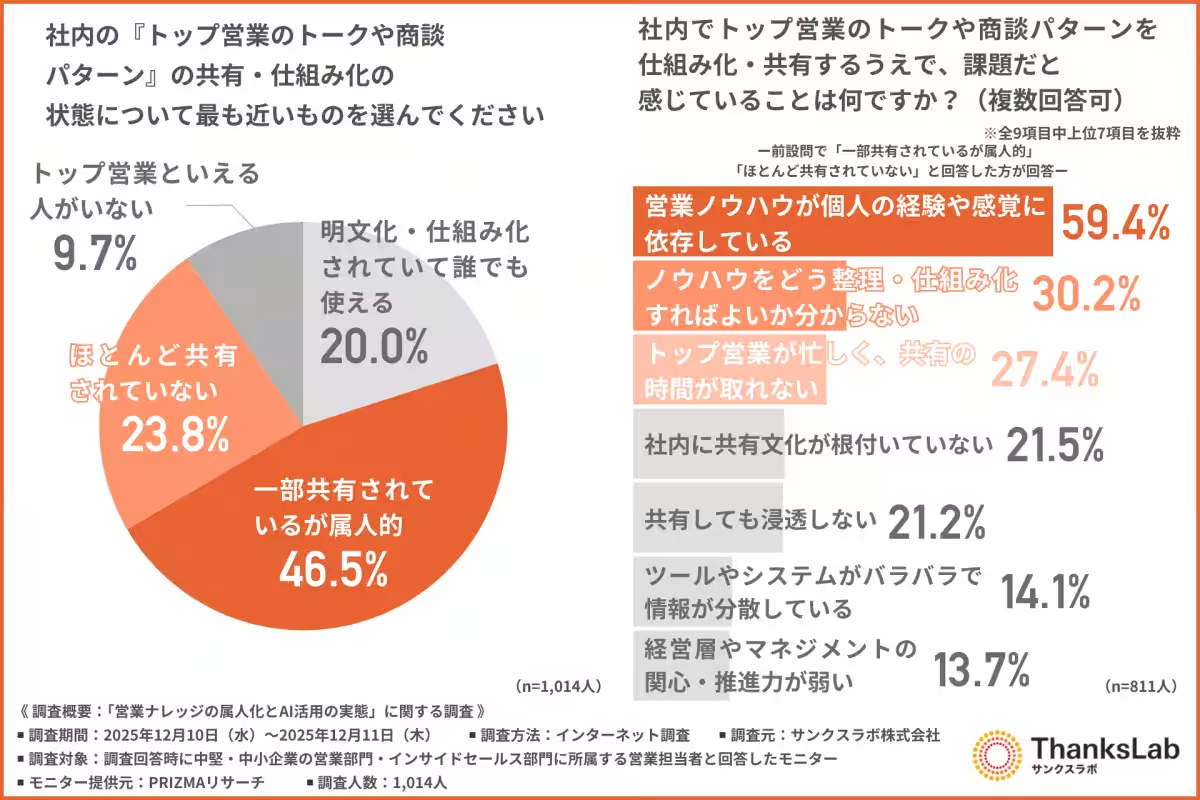
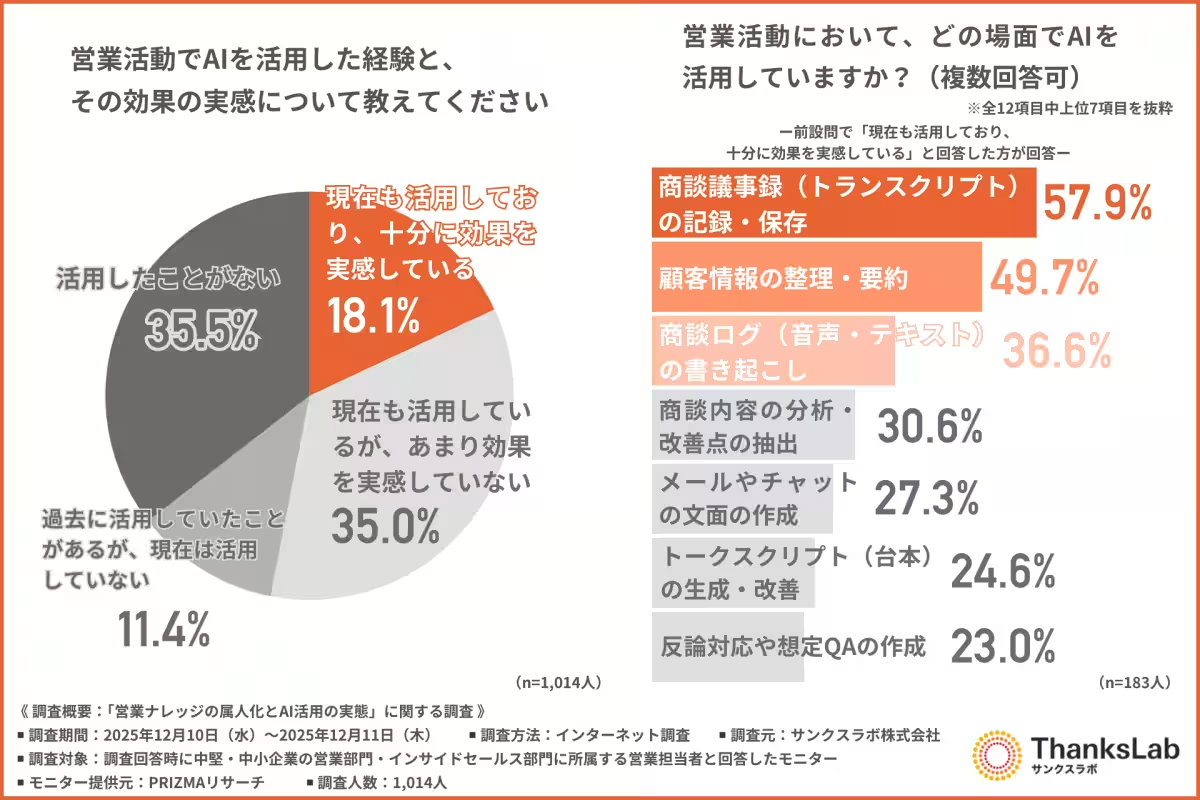
A revealing statistic from the survey indicates that only about 20% of SMEs have effectively systematized their top sales knowledge. The primary reason for this lack of systematization appears to be the reliance on personal experiences and gut feelings rather than structured data and collective insights. While approximately 20% of participants reported experiencing positive outcomes from AI usage, there remains a significant gap in effective implementation strategies.
Common Challenges to Implementing AI in Sales
Several key issues were identified regarding the implementation of AI in sales teams:
1. Knowledge is Highly Personal: A substantial 59.4% of respondents indicated that sales knowledge often depends on individual experience and intuition, making it challenging to formalize.
2. Unclear Organization Methods: About 30.2% of participants expressed uncertainty about how to structure and systematize this knowledge.
3. Time Constraints: Many top sales representatives are too busy to devote time to knowledge sharing, with 27.4% citing this as a hindrance.
These challenges suggest a pressing need for innovative methods to harness AI to overcome the barriers to knowledge sharing and improve overall sales effectiveness.
The Role of AI in Enhancing Sales Practices
AI can offer solutions to the highlighted challenges by:
- - Structuring and synthesizing sales logs into actionable knowledge,
- - Extracting crucial insights automatically from discussions and meetings,
- - Minimizing the manual effort required for knowledge documentation, thereby easing the workload of top performers.
By embracing AI tools, teams can shift their focus from mundane tasks to higher-level strategic activities, enhancing efficiency and overall outcomes.
Survey Overview
The survey, conducted from December 10 to 11, 2025, included responses from 1,014 sales personnel in SMEs, notably those with more than 100 employees. The key findings reveal a notable gap between the recognition of AI benefits and its effective application across sales teams.
Insights into Effective AI Use Cases
Those who noted significant benefits from AI usage reported its primary applications in:
1. Meeting Transcription and Documentation: 57.9% of respondents found automatic documentation of discussions particularly beneficial.
2. Customer Data Organization: Utilizing AI for sorting and summarizing customer information has proven valuable for 49.7% of users.
3. Sales Log Creation: 36.6% highlighted the efficiency of AI in transcribing sales logs.
The data suggests that organizations realizing the maximum benefit from AI are those that prioritize foundational tasks and automate them before moving on to more complex sales strategies.
Addressing Concerns and Barriers to AI Adoption
Despite the evident advantages, many respondents expressed apprehensions regarding AI usage:
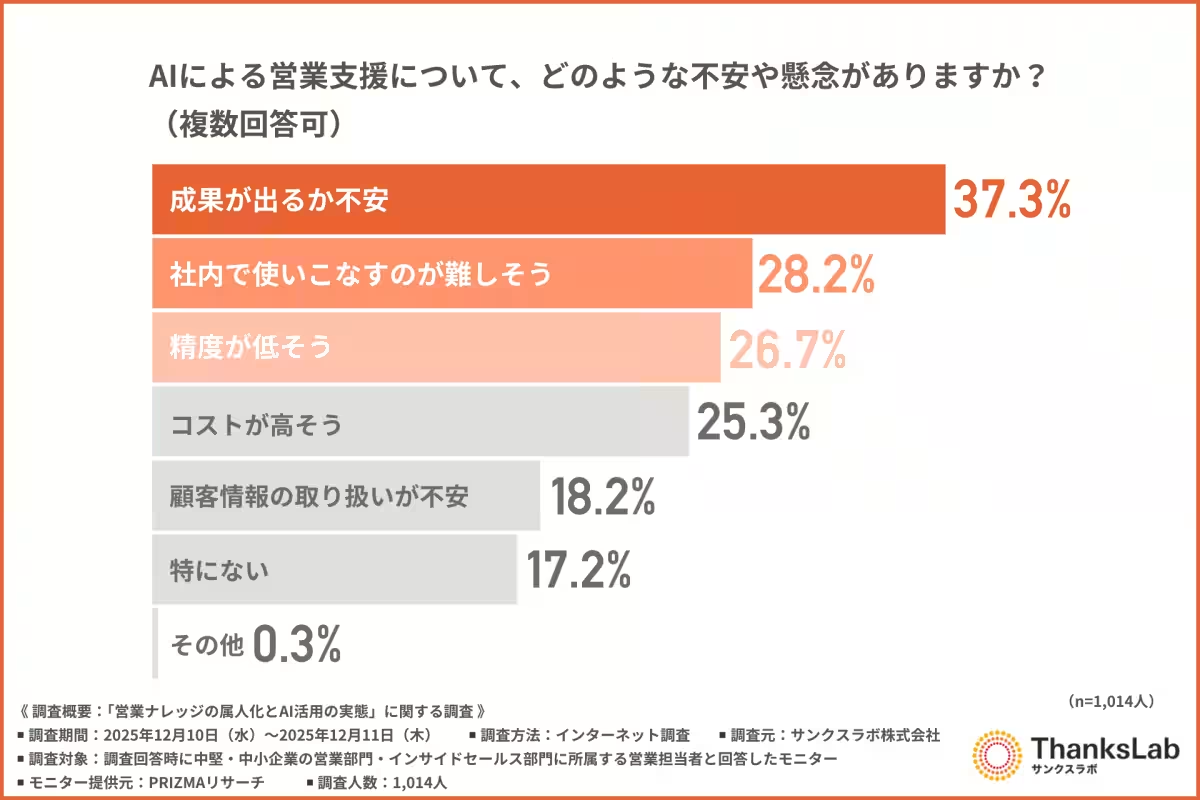
1. Uncertainty about whether outcomes would align with expectations (37.3%).
2. Concerns over the complexity of integrating AI tools within their workflow (28.2%).
3. Doubts regarding the reliability and accuracy of AI (26.7%).
These concerns highlight the importance of providing clear training and a robust operational framework to facilitate smoother transitions to AI-supported sales methodologies.
The Future of AI in Sales
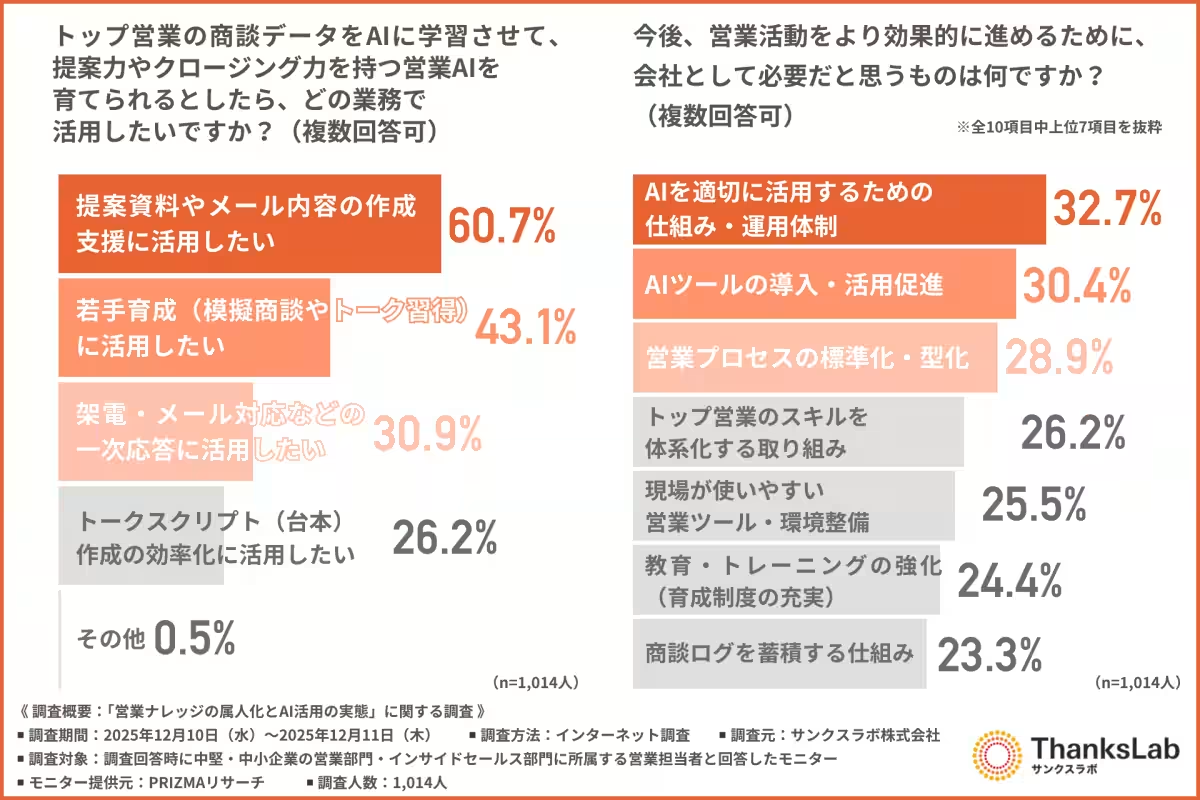
As the sales landscape continues to evolve, it is clear that developing a systematic approach to AI implementation could yield significant rewards. A staggering 60.7% of participants expressed interest in utilizing AI for proposal and email creation, while 43.1% were keen on employing AI for training purposes.
Conclusion
The findings from Thanks Lab Career's research underline the pressing need for SMEs to tackle the challenge of knowledge sharing and systemic dependency on individual contributions within sales teams. While many acknowledge the potential of AI to transform this dynamic, it is crucial first to establish a solid operational structure and foster an environment where AI tools are viewed as valuable assets in enhancing sales strengths.
For those interested in delving deeper into the research findings and possible methodologies for AI implementation in enhancing sales practices, a comprehensive report is available through the provided links. This report includes in-depth insights into current practices in sales preparation, documentation, and automation that could aid SMEs in their journey toward efficient and effective sales solutions.
Further Resources
To explore the full findings and recommendations from the survey, visit Thanks Lab Career. For those looking to implement AI solutions within their organizations, access supportive documentation through this link for actionable insights.
By proactively addressing these issues and leveraging AI, SMEs can not only improve their sales processes but also create a culture of shared knowledge and collective success.
Topics Business Technology)
【About Using Articles】
You can freely use the title and article content by linking to the page where the article is posted.
※ Images cannot be used.
【About Links】
Links are free to use.