



Understanding Family Preparedness During Disasters: The Impact of Blackouts on Home Comfort
Understanding Family Preparedness During Disasters: The Impact of Blackouts on Home Comfort
In a world where natural disasters such as earthquakes and typhoons frequently occur, the urgency for households to enhance their disaster preparedness is more crucial than ever. ECODA Co., Ltd., based in Shibuya, Tokyo, has conducted a survey focusing on disaster readiness and power security among homeowners aged 20 to 50. The results of this investigation have highlighted some pressing concerns surrounding the reality of living with potential blackouts during disasters.
The Importance of Infrastructure
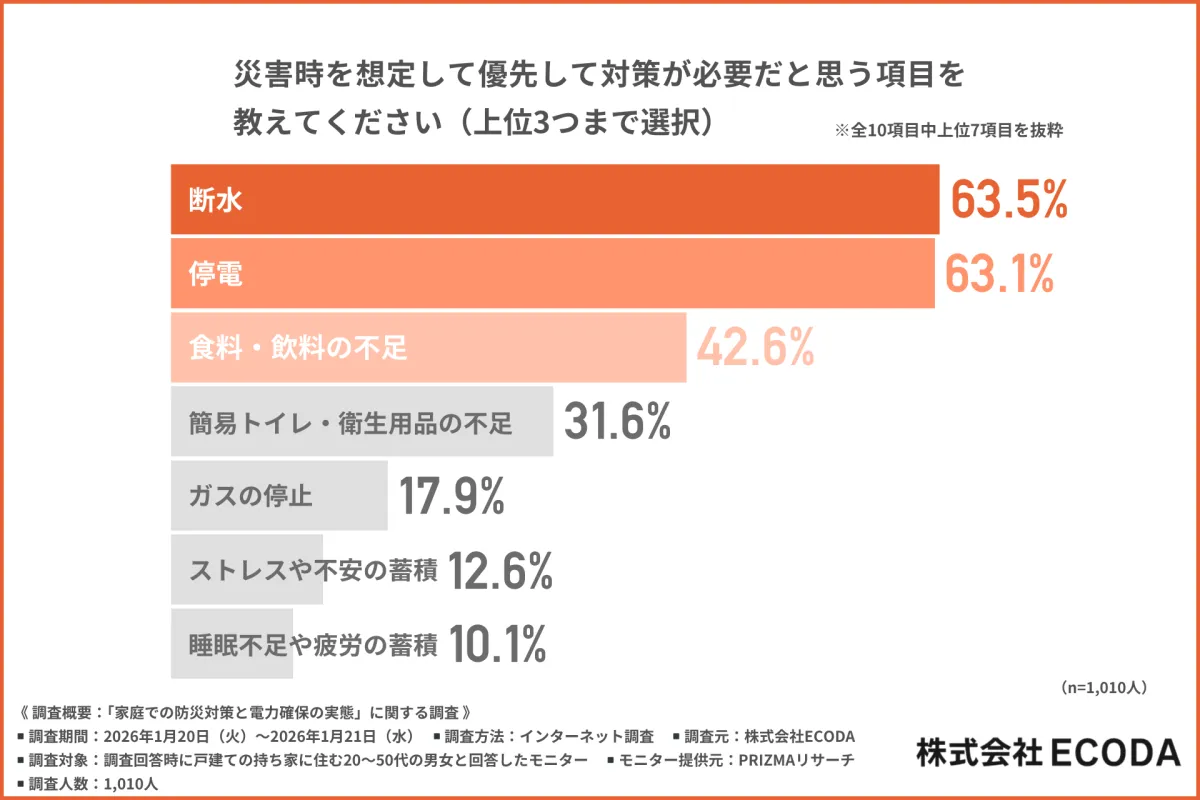
As families often envision visible preparations like emergency food and survival kits, many remain unaware of the critical impact of utility disruptions during disasters. Specifically, issues like water shortages and power outages can severely hinder daily life. The survey revealed that around 60% of respondents felt it was essential to prioritize infrastructure-related disruptions in their disaster planning, with both water supply interruptions (63.5%) and power outages (63.1%) topping the list of concerns.
Electricity is a key resource that influences almost every aspect of daily living, from powering lights and heating or cooling systems to enabling communication and maintaining hygiene standards. When these services are compromised, the resulting inconvenience and anxiety can be overwhelming.
Prioritizing Issues: Blackouts and Their Effects
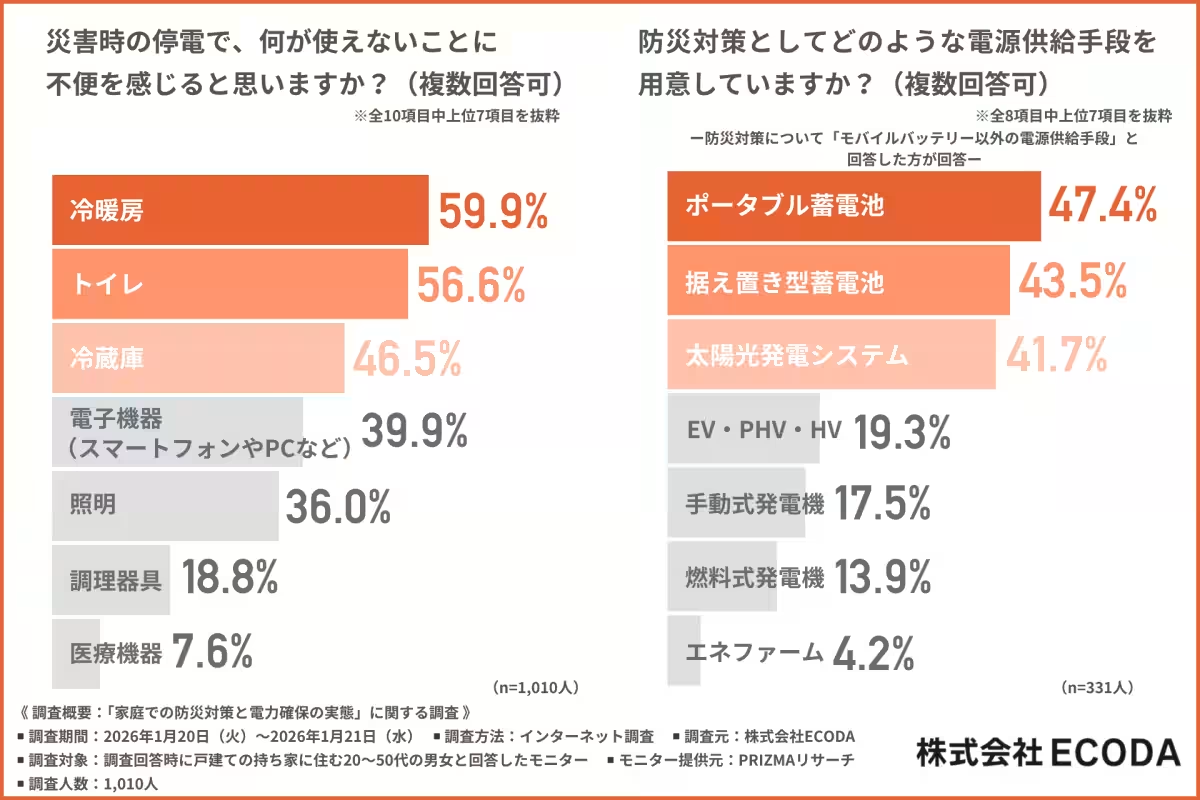
When asked specifically about the inconveniences caused by power outages during a disaster, respondents highlighted several key areas of concern. Most notably, 59.9% mentioned that lack of heating and cooling systems would pose a significant problem. This raises considerable alarm given that adequate air conditioning and heating are directly related to health and wellbeing. Following close behind were bathroom facilities (56.6%) and refrigerators (46.5%), further emphasizing participants' concerns regarding hygiene and food management during such crises.
Preparedness Measures: What Are Households Doing?
Turning to prevention methods, the survey also sought insights into what households were doing to prepare for potential power outages. Among those not relying on mobile power banks, portable batteries emerged as the most common solution, with 47.4% reporting these as their primary backup power source. Other notable measures included stationary batteries (43.5%) and solar power systems (41.7%). This suggests that households are actively seeking diverse options to secure electricity during emergencies, with many investing in renewable energy sources like solar panels, which can serve both everyday needs and emergency backup.
Lingering Concerns About Power Security
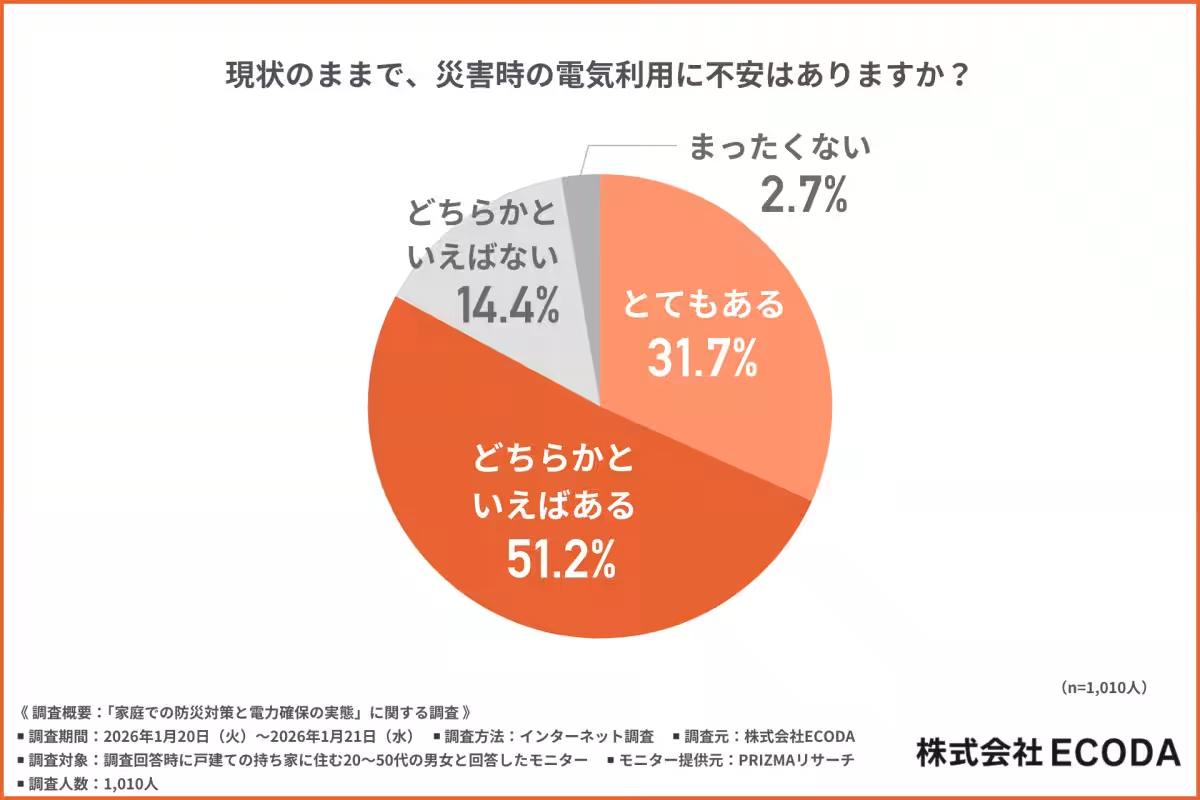
However, despite these preparedness measures, the survey uncovered a troubling trend: over 80% of respondents expressed anxiety related to their ability to utilize electricity effectively in emergency situations. Among them, 31.7% reported significant fears, and another 51.2% indicated a lesser degree of concern, highlighting a general unease surrounding the unpredictability of power supply during disasters.
Such high levels of anxiety reflect a broader understanding that the ramifications of blackouts are serious and could impact overall quality of life significantly. This awareness indicates a pressing need for households to critically assess their power preparedness and continue seeking improvements in their backup options.
Conclusion: The Importance of Protective Infrastructure
The findings paint a clear picture of the current state of disaster preparedness among families, with an increased focus on addressing both water and power supply issues. The survey results reveal that families recognize the urgency of treating these infrastructural interruptions as high-priority challenges, particularly the reliance on heating and cooling systems during blackouts. At the same time, they remain increasingly aware of the implications that go beyond their comfort, encompassing health and hygiene capabilities.
In light of the findings, ECODA emphasizes the vital need for families to review their power supply strategies in advance of potential disasters. This scenario serves as a clarion call for homeowners to prioritize reliable, sustainable energy sources to ensure the well-being and safety of their households during emergency conditions. For more information on residential solar solutions and backup energy systems, visit ECODA.
Topics Consumer Products & Retail)
【About Using Articles】
You can freely use the title and article content by linking to the page where the article is posted.
※ Images cannot be used.
【About Links】
Links are free to use.