



Survey Reveals 25% of Corporate Managers Engage in Side Jobs
Survey Insights on Corporate Managers Engaging in Side Jobs
A recent survey conducted by the Jigyoka Group, headquartered in Tokyo's Chiyoda Ward, explored the attitudes of corporate managers towards side jobs. This investigation revealed that approximately 25% of corporate executives, ranging from their 20s to 50s, either currently participate in side jobs or have prior experience with them.
Background of the Study
In recent years, the acceptance rate of side jobs among corporations has been steadily rising. Large corporations, in particular, have shown a notable shift. With increased flexibility in work styles, side jobs are becoming a pivotal option for individual career development. Understanding how corporate managers in big companies perceive side employment is vital for shaping future workforce strategies and organizational methodologies. However, the actual situation surrounding this phenomenon has not been thoroughly explored, leading to the initiation of this study by the Jigyoka Group.
Summary of the Findings
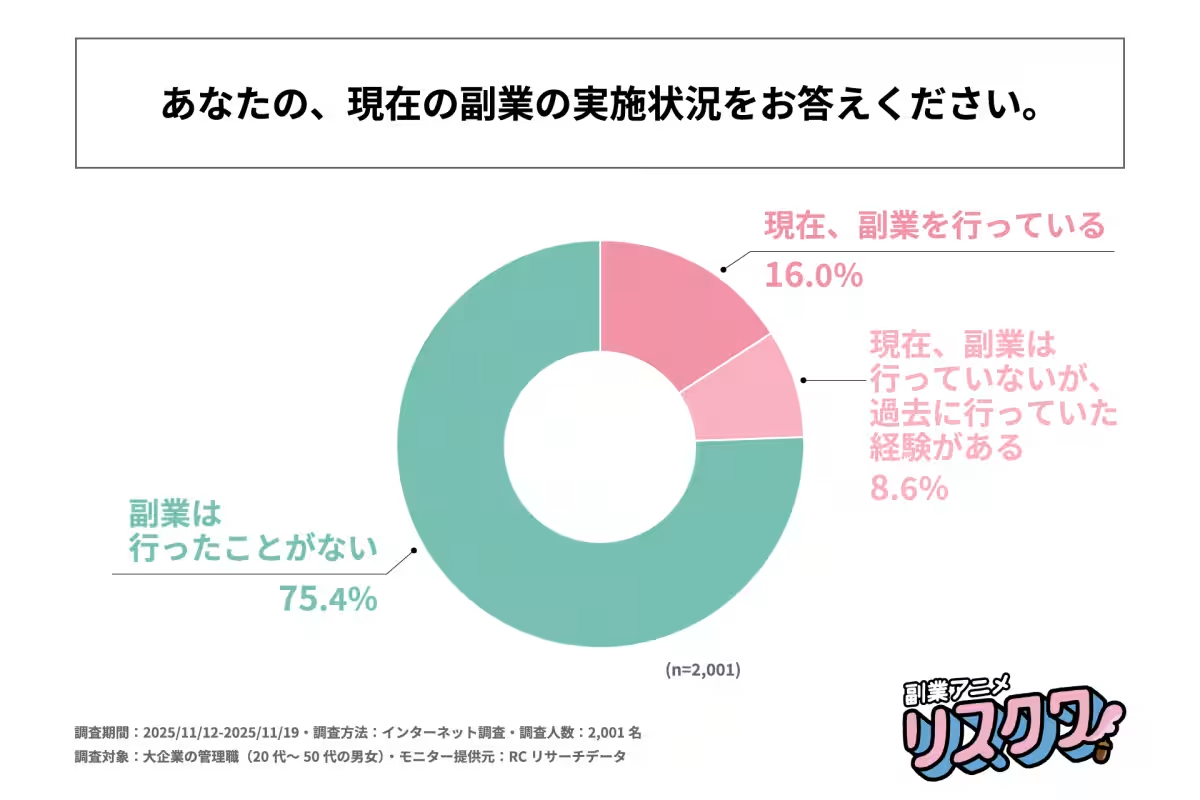
- - 25% of Corporate Managers Have Side Job Experience: The survey results indicate that while 75.4% have never engaged in side jobs, a combined total of 24.6% either currently holds a side job or has previously done so.
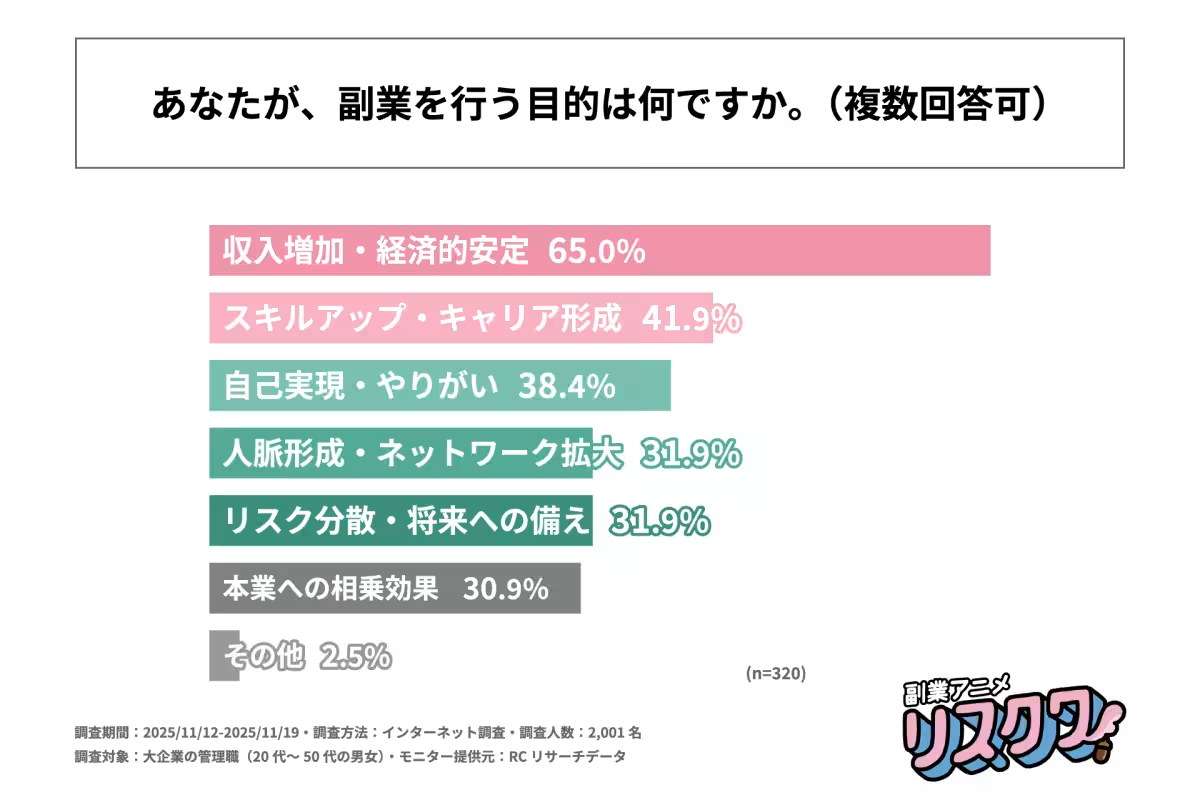
- - Primary Motivation for Side Jobs: Among those currently engaged in side jobs, 65% cited “increased income and economic stability” as their main purpose for pursuing additional work.
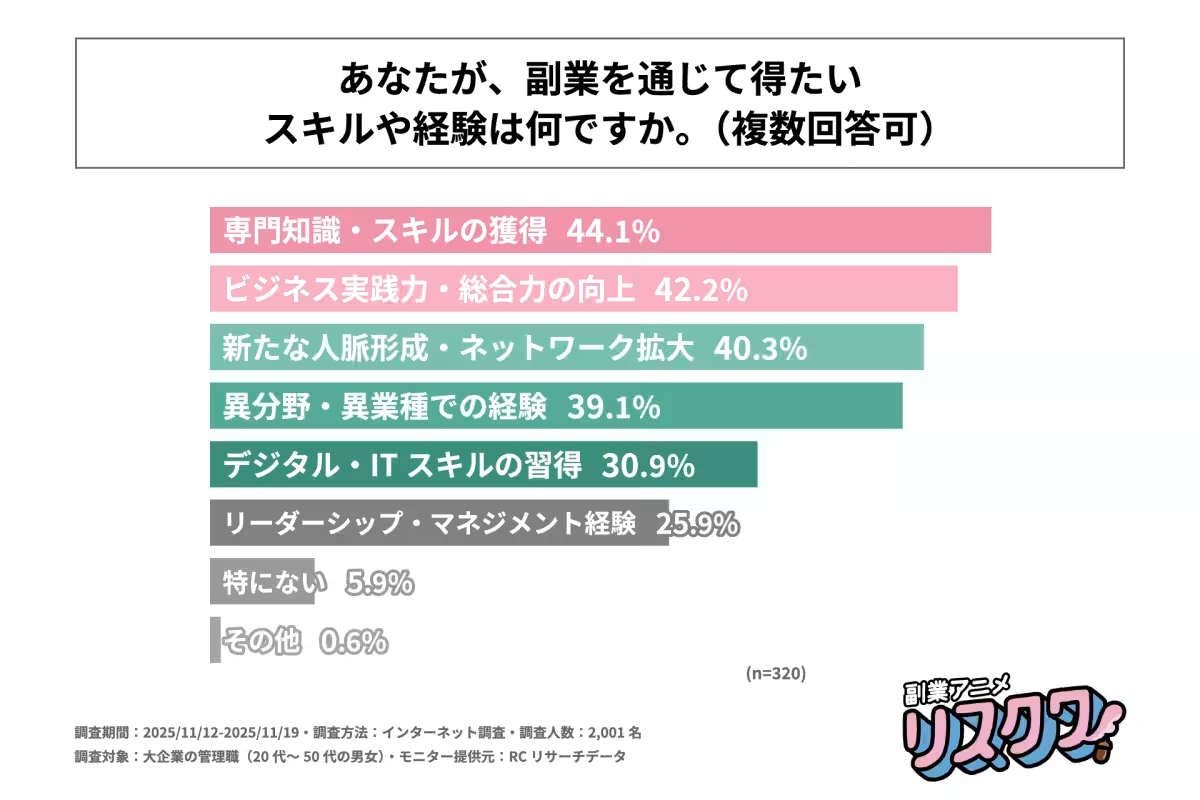
- - Desired Skills and Experiences: The top three skills sought through side jobs include 1) obtaining specialized knowledge and skills, 2) enhancing business practice and overall capabilities, and 3) expanding networks and creating new contacts.
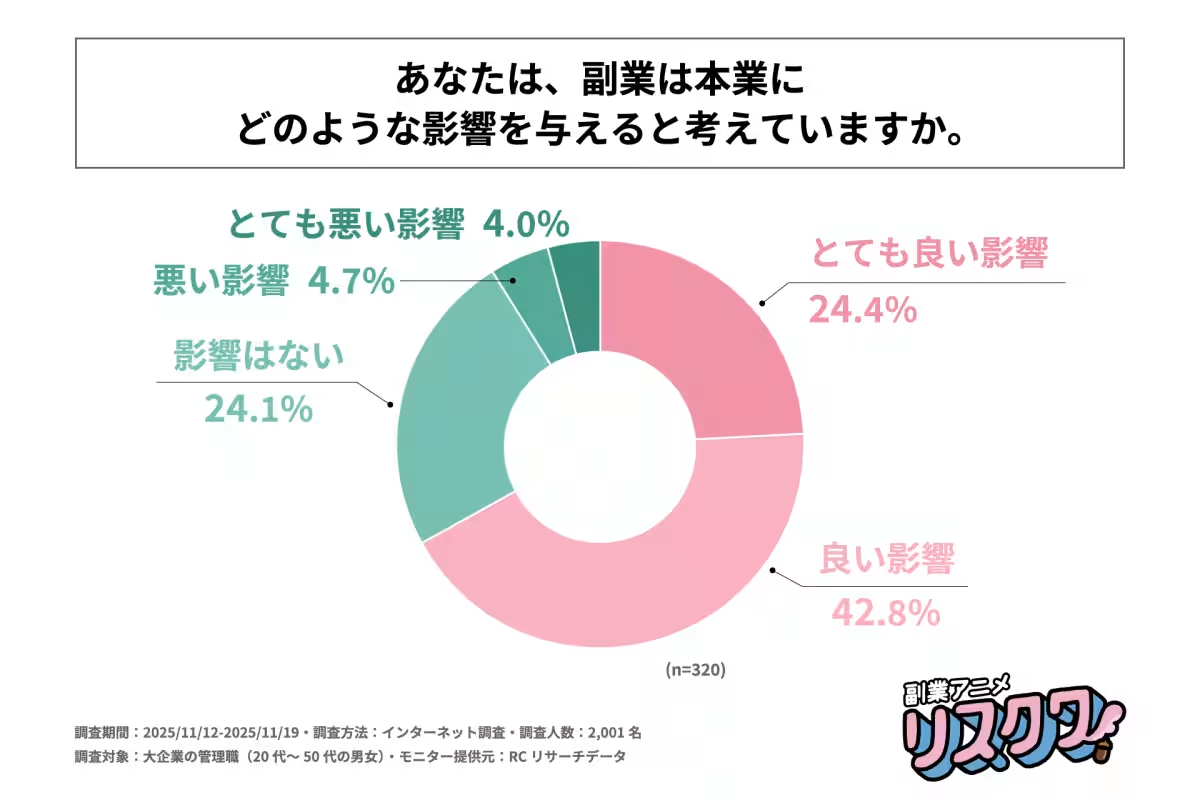
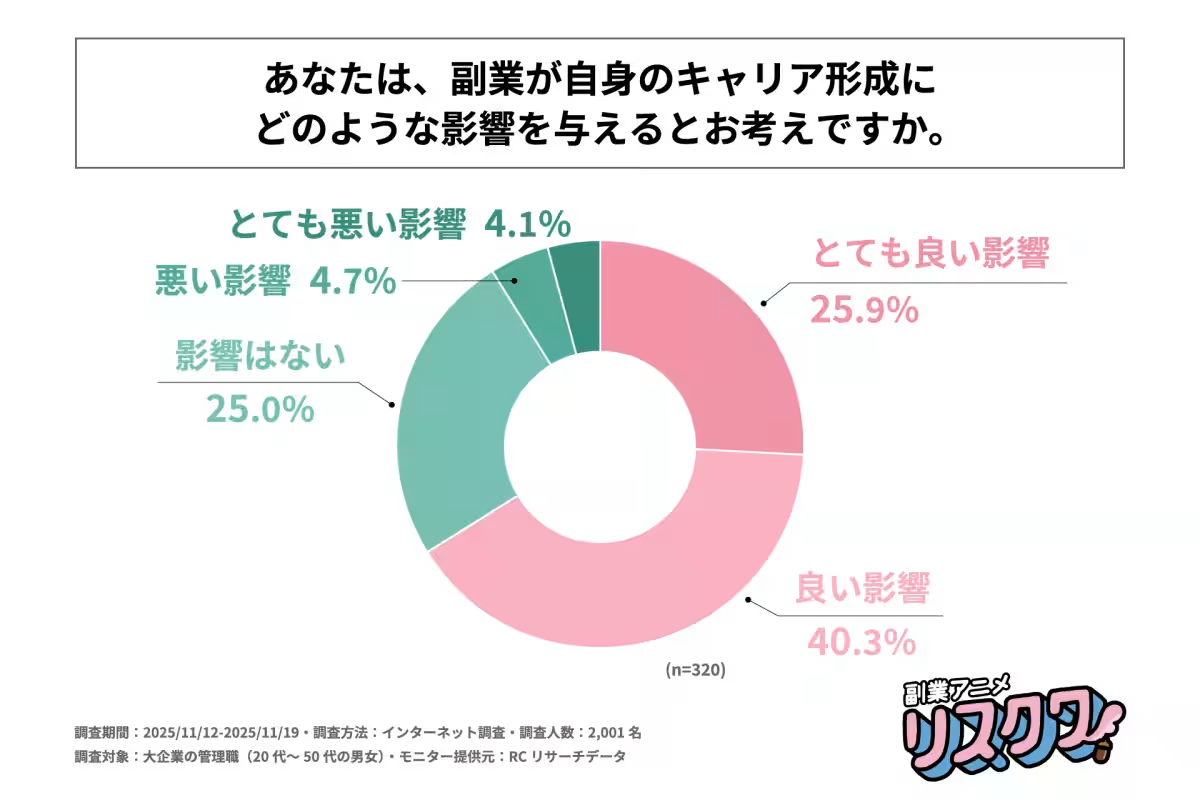
- - Positive Impact on Primary Employment: Nearly 70% of corporate managers believed that their side job positively impacts their primary work. Over 65% feel these roles benefit their career development.
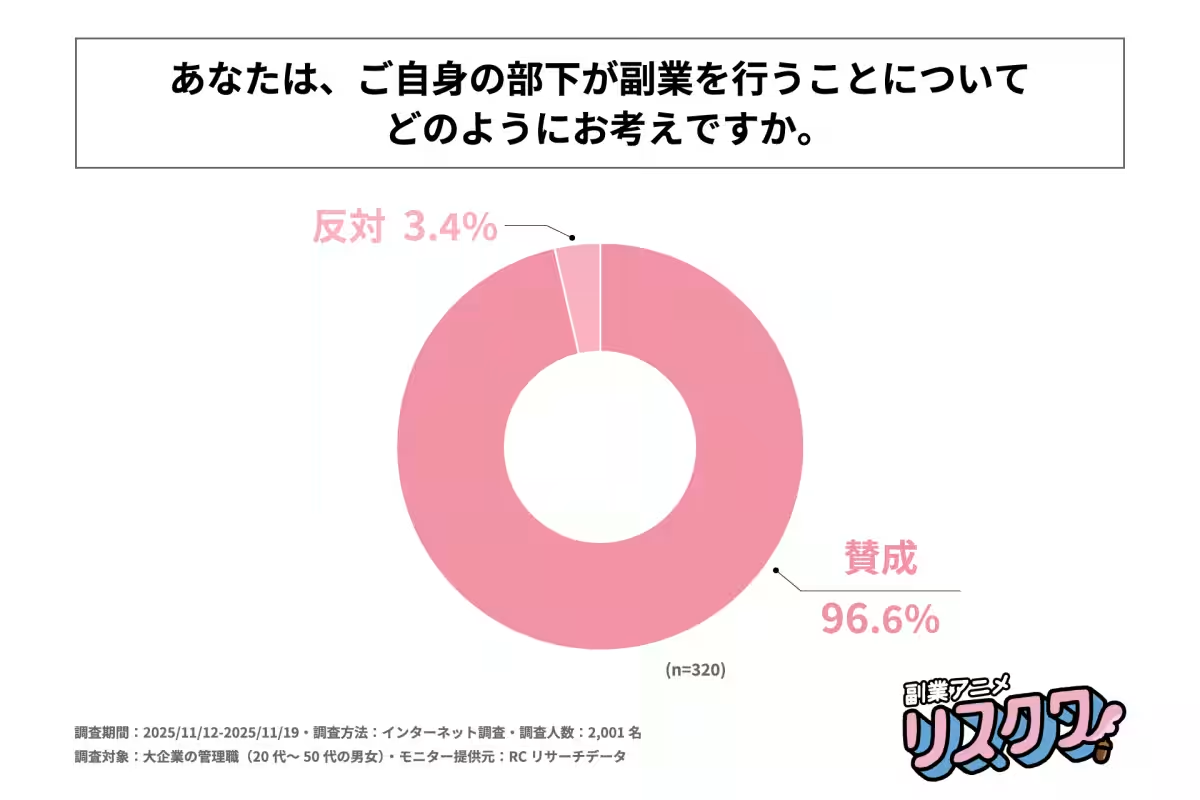
- - Support for Subordinate's Side Employment: A significant 95% of those engaged in side work express support for their subordinates pursuing similar paths.
Detailed Survey Methodology
- - Survey Period: November 12-19, 2025
- - Method: Internet-based survey
- - Participants: 2,001 corporate managers aged 20 to 50
- - Definition of Large Corporations: For this survey, large corporations are defined as those with 1,000 employees or more.
Response Insights
When asked about their current involvement in side jobs:
- - 75.4% stated they have no experience with side jobs.
- - 16.0% are currently involved in side work.
- - 8.6% have previously held side jobs but are not engaged currently. This data solidifies the finding that about 25% of corporate managers have direct experience with side jobs.
Motivations for Side Employment
Among corporate managers with ongoing side jobs, when examined for reasons behind their choices:
- - A notable 65.0% aimed for “increased income and economic stability.”
- - Following closely, 41.9% desired skill enhancement, while 38.4% pursued career fulfillment and personal satisfaction.
Skills and Experiences Seeked
Focus areas for skill acquisition through side jobs reflect managerial aspirations:
- - 44.1% seek specialized knowledge and skills,
- - 42.2% want to improve business practice and comprehensive abilities,
- - 40.3% are eager to forge new connections and broaden their professional network.
Perception of Impacts on Primary Jobs
Responses regarding side jobs’ effects on primary work revealed that:
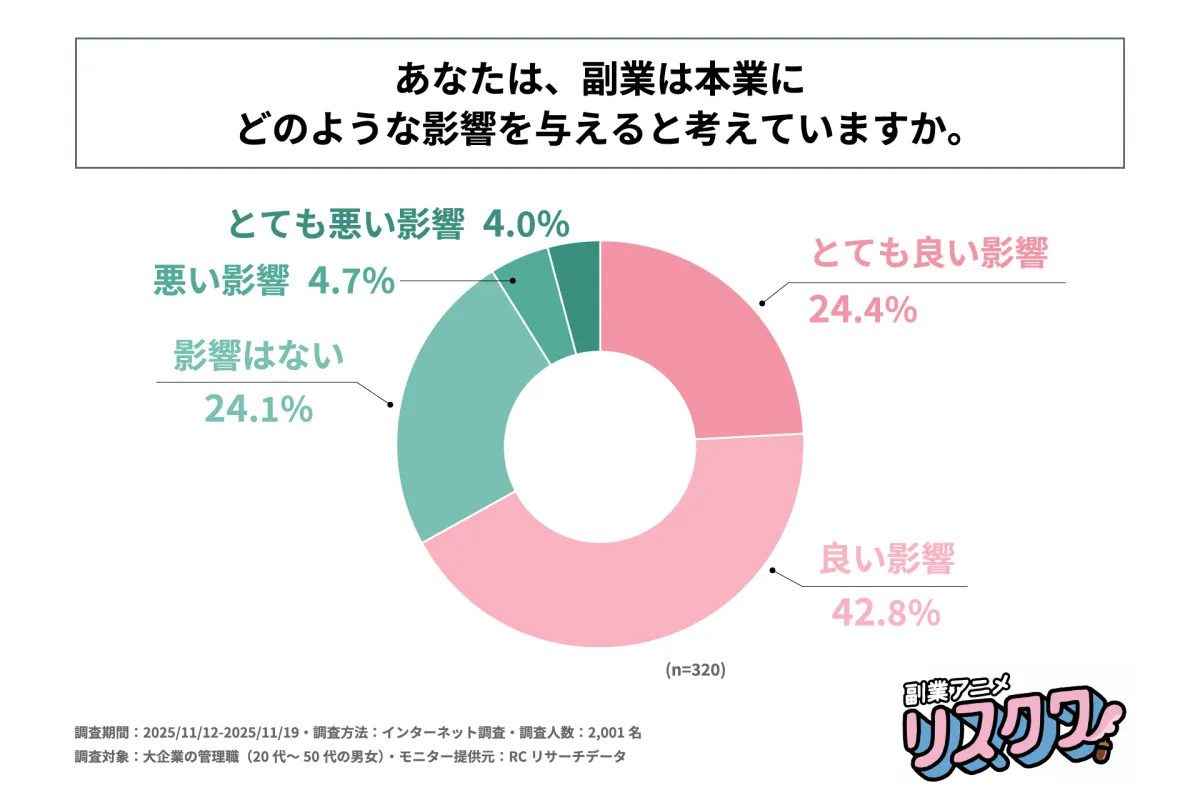
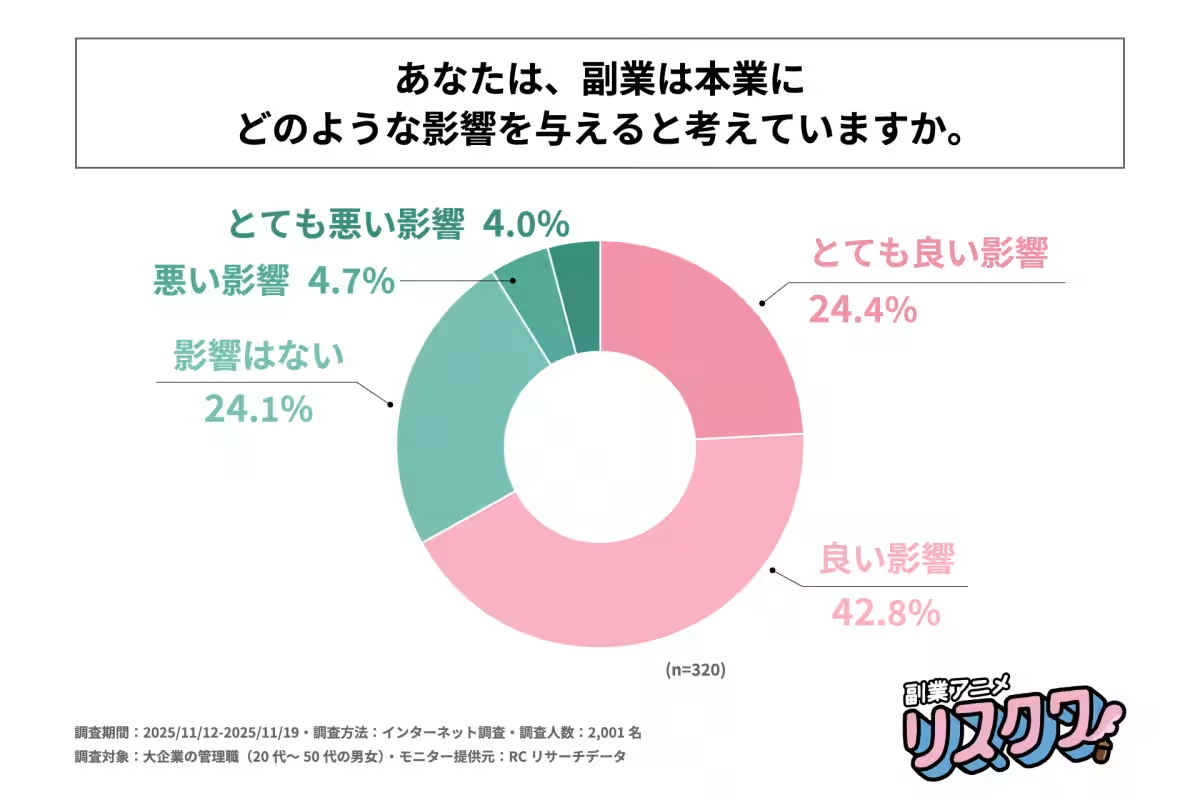
- - Approximately 67.2% regarded their side employment as beneficial, with 42.8% asserting a good impact and 24.4% stating it has a very positive influence.
Opinions on Career Development
When asked how side gigs affect their career paths:
- - 40.3% said it has a good impact, while 25.9% indicated a very positive effect.
Support for Subordinate's Side Employment
In evaluating opinions on subordinates engaging in side jobs, an overwhelming 96.6% showed approval, reinforcing a supportive culture for side hustles within the corporate environment.
Conclusion
The survey indicates that a significant portion of corporate managers—about 25%—are engaged in side jobs, primarily for financial benefits. The demand for skill acquisition, career enhancement, and professional networking underscores the evolving landscape of work. With a majority endorsing side jobs for both themselves and their teams, the findings suggest a positive attitudinal shift towards side employment within large corporations.
To further educate and share real-life insights on side employment, the Jigyoka Group provides content through their animated series, Riskwa, which tackles common themes in the side job landscape in an engaging manner. For those looking to venture into such endeavors, following their updates on platforms like YouTube and TikTok can provide valuable tips and information on overcoming practical challenges in the side job sector.

Topics Other)
【About Using Articles】
You can freely use the title and article content by linking to the page where the article is posted.
※ Images cannot be used.
【About Links】
Links are free to use.