



Innovative Biomass-Based Binder for Fluoride-Free Lithium-Ion Batteries Developed from Euglena
Development of a Fluoride-Free Binder from Euglena for Lithium-Ion Batteries
Researchers at the National Institute of Advanced Industrial Science and Technology (AIST) have achieved a significant advancement in battery technology by developing a binder material derived from Euglena, a type of freshwater microalgae. This innovative binder is free from organic fluoride compounds and has shown comparable charge-discharge performance to polyvinylidene fluoride (PVDF), the widely-used fluorine-based binder in the industry.
The Significance of the Innovation
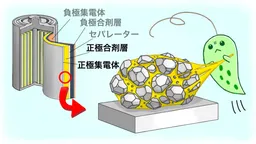
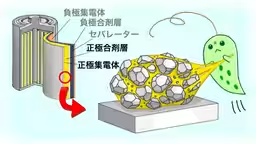
Currently, lithium-ion batteries power numerous essential devices, from smartphones to electric vehicles and renewable energy storage systems. Binders play a crucial role, securing the active materials that store and release electrical energy to the conductive metal foils. PVDF, despite its effectiveness, raises environmental and health concerns due to its non-biodegradable nature and toxicological implications.
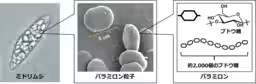
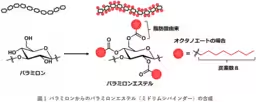
The development team, including researchers Yoshikazu Maeyoshi, Mikimi Himi-Yama, and Motonari Shibakami, synthesized a polymer called para-mylon ester by attaching fatty acids to para-mylon, a natural polysaccharide stored within Euglena cells. Their tests demonstrated excellent solubility in organic solvents used in conventional electrode manufacturing and maintained stability under battery operating conditions.
Advancements in the Lithium-Ion Battery Sector
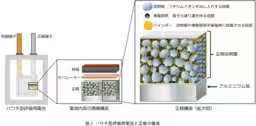
By using the para-mylon ester as the binding agent, the researchers created a prototype battery that mirrored the existing electrode fabrication process employing PVDF. They incorporated cobalt oxide as the active material and acetylene black as the conductive agent, mixing them with the binder in a solution and coating it onto aluminum foil. Upon drying, this process forms a structured electrode layer crucial for maintaining battery performance.
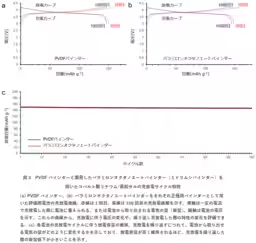
The testing revealed the new Euglena-based binder maintained a discharge capacity rate exceeding 97% after 100 cycles, equivalent to PVDF performance. This not only highlights its viability as a substitute but also reaffirms the importance of alternative materials in reducing environmental impact and ensuring sustainable practices in battery production.
Future Prospects and Implications
Looking ahead, efforts will focus on assessing the long-term durability and safety of the new binder, alongside its cost-effectiveness for mass production. Collaborations will be sought with battery and materials manufacturers to expedite the integration of this innovative technology into existing manufacturing processes. The potential reduction in reliance on harmful fluorinated compounds in battery technology represents a promising advancement in sustainable energy solutions.
This vital research underscores the intersection of biotechnology and energy storage systems, marking a significant shift towards greener alternatives in crucial consumer electronics and automotive applications. The findings will be presented at the upcoming 67th Battery Symposium scheduled for November 25, 2026.
For more detailed information regarding the research, access the full press release here.

Topics Consumer Technology)
【About Using Articles】
You can freely use the title and article content by linking to the page where the article is posted.
※ Images cannot be used.
【About Links】
Links are free to use.