



Understanding Mental Struggles: Preventing Burnout and Sensitivity in May
Understanding Mental Struggles in May
May is often a challenging month for those who have started new chapters in their lives, such as a new job or school. It is a time when the mental fatigue from adapting to new environments comes to the forefront, commonly referred to as "May Syndrome." This phenomenon can manifest as feelings of lethargy, anxiety about work or school, and an inability to recover even during breaks.
According to Dr. Kiyoshin Hirooka, a psychiatrist, mental fatigue during this period can be categorized into three types: the "burnout type," the "sensitivity type," and a combination of both, which can be quite common. Both types present unique challenges and symptoms that can significantly impact well-being.
Symptoms of the Burnout and Sensitivity Types
Burnout Type
The burnout type is characterized by:
- - An overwhelming workload, often feeling like tasks cannot be completed within work hours.
- - Constantly thinking about work even during weekends.
- - Getting less than 6 hours of sleep on more than three nights per week.
- - Frequently skipping meals or eating the same foods repetitively.
- - Criticizing oneself for not doing things perfectly.
- - An increase in alcohol consumption compared to before.
Sensitivity Type
The sensitivity type is characterized by:
- - Worrying excessively about colleagues’ words and expressions.
- - Dwelling on mistakes longer than necessary.
- - Feeling the urge to engage in social media or games late into the night, despite being tired.
- - Feeling anxious unless work is double-checked multiple times.
- - Being overly concerned about how others perceive them.
- - Frequently feeling inferior compared to peers.
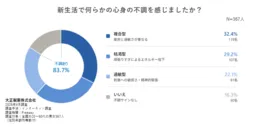
Recent research conducted by Taisho Pharmaceutical Co. surveyed 367 individuals aged 20 and over who entered new living environments over the past three years (2024-2026). The results revealed that a significant 83.7% reported experiencing some form of mental distress upon entering a new situation. The most common issues were observed among the combined type (32.4%), followed by the burnout type (29.2%) and the sensitivity type (22.1%).
The research indicated common symptoms, with 135 respondents from the burnout type mentioning insufficient sleep, and 123 from the sensitivity type indicating that they often dwell on mistakes. Mental difficulties should not be seen merely as emotional weakness but as a complex interaction of environmental changes and personal characteristics. Maintaining a state of calmness is crucial for mental health, as emphasized by Dr. Hirooka.
Self-Check to Identify Your Type
Understanding your mental state can be the first step toward regaining balance. Here are some simple questions to help you identify your condition:
- - Burnout Indicators (A):
- Do you frequently think about work during your time off?
- Do you often get less than six hours of sleep?
- Do you skip meals or eat monotonously?
- Do you often criticize yourself for not performing perfectly?
- Has your alcohol consumption increased?
- - Sensitivity Indicators (B):
- Do you tend to dwell on mistakes?
- Do you struggle to disconnect from screens even when fatigued?
- Are you often anxious until you double-check your work?
- Are you preoccupied with how others perceive you?
- Do you frequently view yourself as inferior?
Count the points from the indications above to determine your level of risk. The combinations can indicate different types of mental pressure and needs for support.
Finding Solutions for Each Type
For Burnout Types:
Prioritize recovery by focusing on sleep, nutritional needs, and workload adjustments. Avoid habits that could worsen fatigue, such as binge-drinking or mindless screen time late into the night. Taking small steps to improve sleep and rest is crucial.
For Sensitivity Types:
It's essential to understand situations that heighten anxiety and work toward reducing unnecessary stressors. Building a positive framework in self-evaluation can alleviate feelings of inadequacy and help maintain emotional balance.
Nutritional Support for Recovery
Undergoing nutritional therapy can significantly benefit brain function, especially with the high demands of adjusting to new environments. Incorporating necessary nutrients into your diet can provide the energy needed for mental stability. Key nutrients include:
- - Taurine: Found in seafood, it helps maintain neurochemical balance and reduces fatigue.
- - Vitamin B Complex: Essential for energy metabolism and cognitive function, often depleted during stressful periods.
- - Proteins: Critical for repairing and forming neurotransmitters that support both physical and mental health.
Lifestyle Reassessments
The foundations of mental stability lie in regular sleep and proper nutrition. Establish daily routines that prioritize these essentials. Engaging in physical activity can also enhance mood and relieve stress.
If mental challenges persist despite self-care, consider seeking professional help, including therapy and medication if necessary. Recognize that mental distress is not a sign of weakness but an indicator of the need for support and recovery. Embrace this period as an opportunity for growth and self-discovery.
Dr. Hirooka states, “It’s vital to face the changes head-on and rediscover balance, which starts with acknowledging your feelings and seeking assistance when needed.”

Topics Health)
【About Using Articles】
You can freely use the title and article content by linking to the page where the article is posted.
※ Images cannot be used.
【About Links】
Links are free to use.