



Rising Interest in Investment Among Recent Graduates: A Survey Analysis
Understanding Financial Habits of Young Professionals: Investment Trends
In a recent survey conducted by Money Forward Home Company, insights about the spending habits of new graduates aged 22 to 26 have come to light. With financial literacy becoming increasingly emphasized in academic settings, this survey reflects a significant shift towards prioritizing investments from the very start of their careers.
Key Findings of the Survey
The survey targeted users of the 'Money Forward ME' service and gathered responses from 1,000 participants between March 20 and March 27, 2026. Here are some noteworthy statistics:
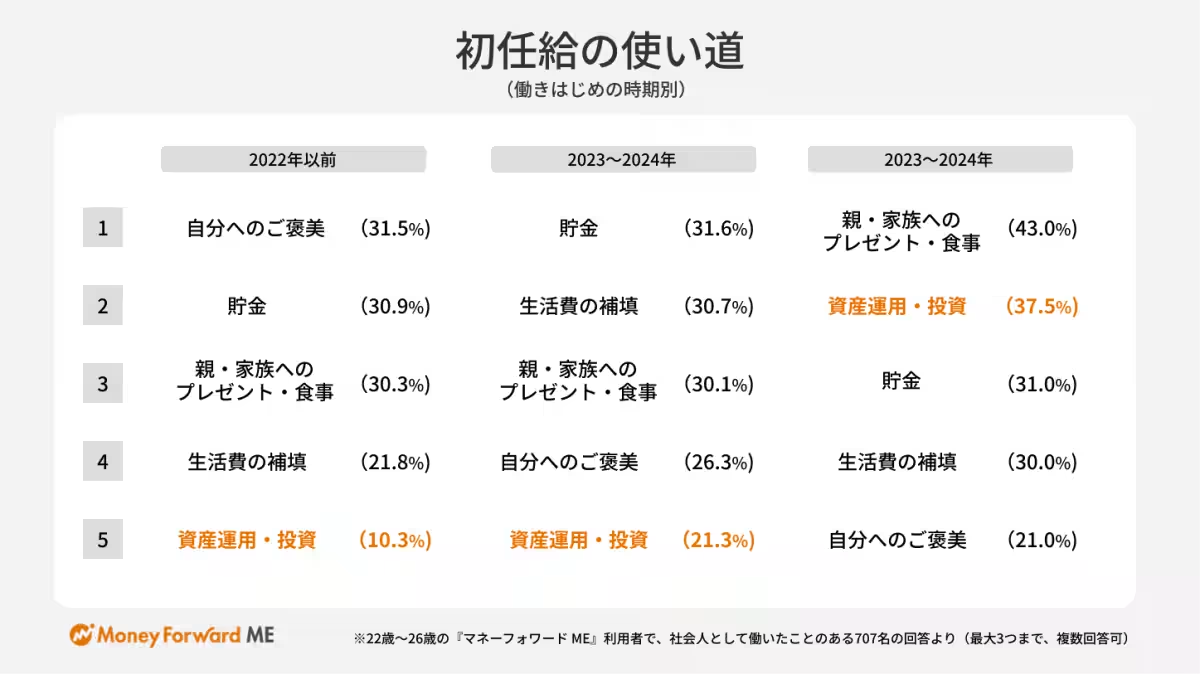
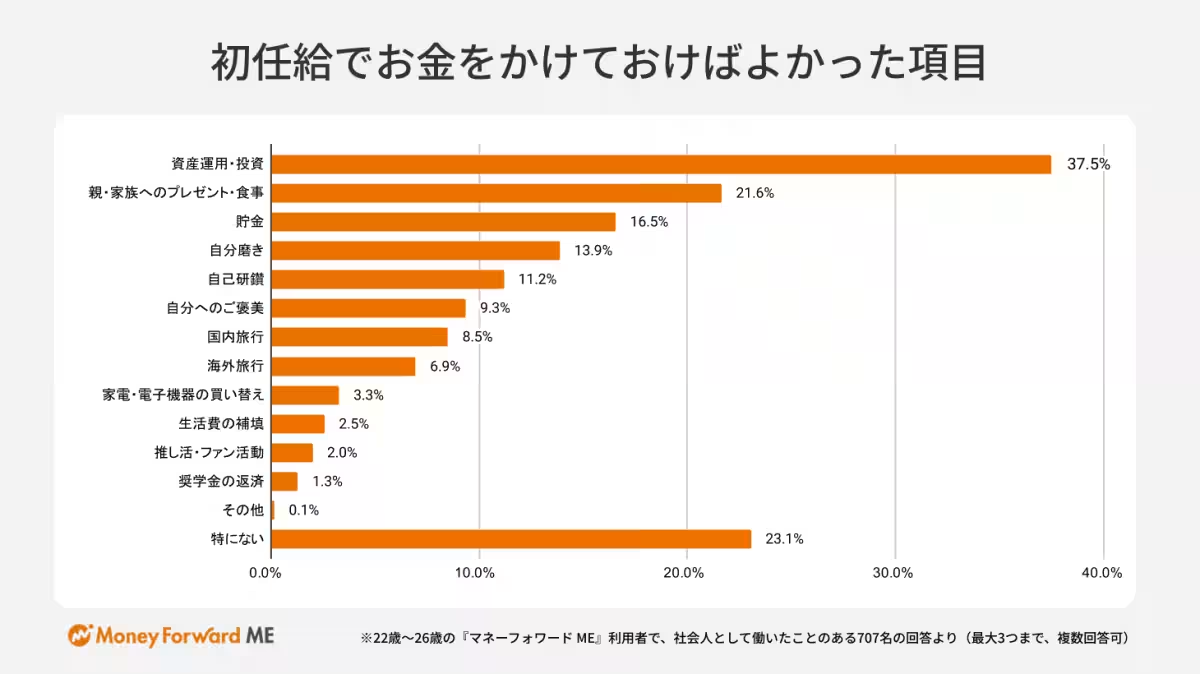
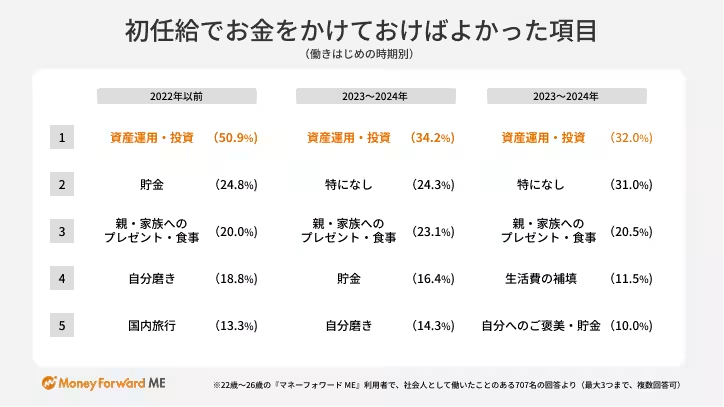
- - A Dramatic Shift Towards Investment: Approximately 38% of individuals entering the workforce in 2025 reported that they would invest their first paycheck in asset management and investments. This marks a staggering 3.6 times increase compared to those who began their careers in 2022 or earlier, where only 10.3% indicated similar intentions. This shift can be attributed to enhanced financial education in high schools and a growing cultural focus on creating wealth early in life.
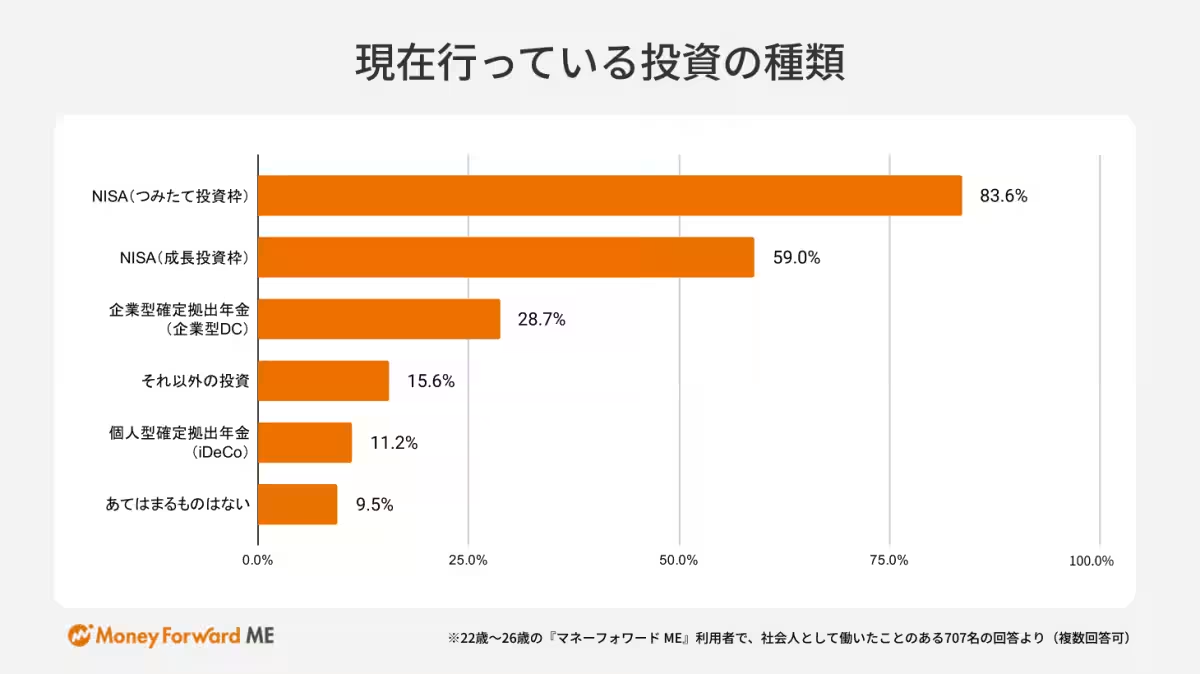
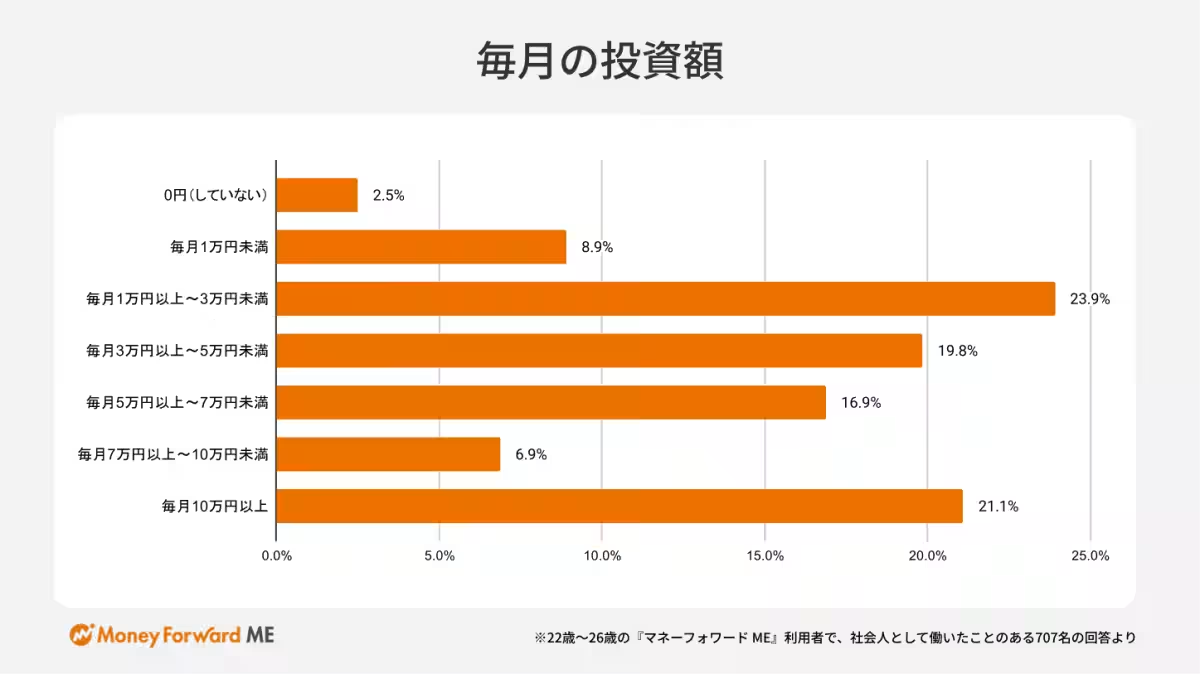
- - Embracing NISA: Over 80% of the respondents actively utilize NISA, specifically its installment investment framework. Many respondents indicated an investing amount between 10,000 and 30,000 yen per month, suggesting a trend towards responsible long-term investment without overwhelming financial burdens.
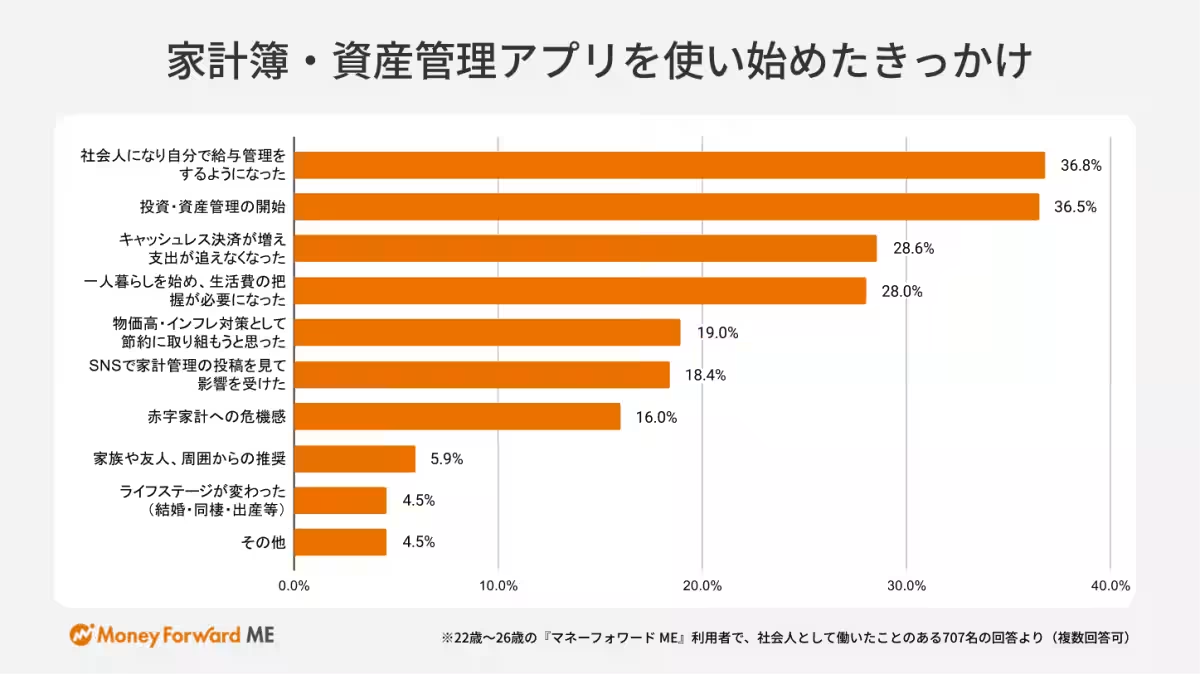
- - Motivations Behind Financial Tools: The primary reasons for adopting budgeting and asset management apps stem from the desire for financial independence as a working adult and the initiative to manage investments effectively. More than 30% cited that these tools helped increase their ability to save or invest significantly.
A Closer Look at Spending Habits
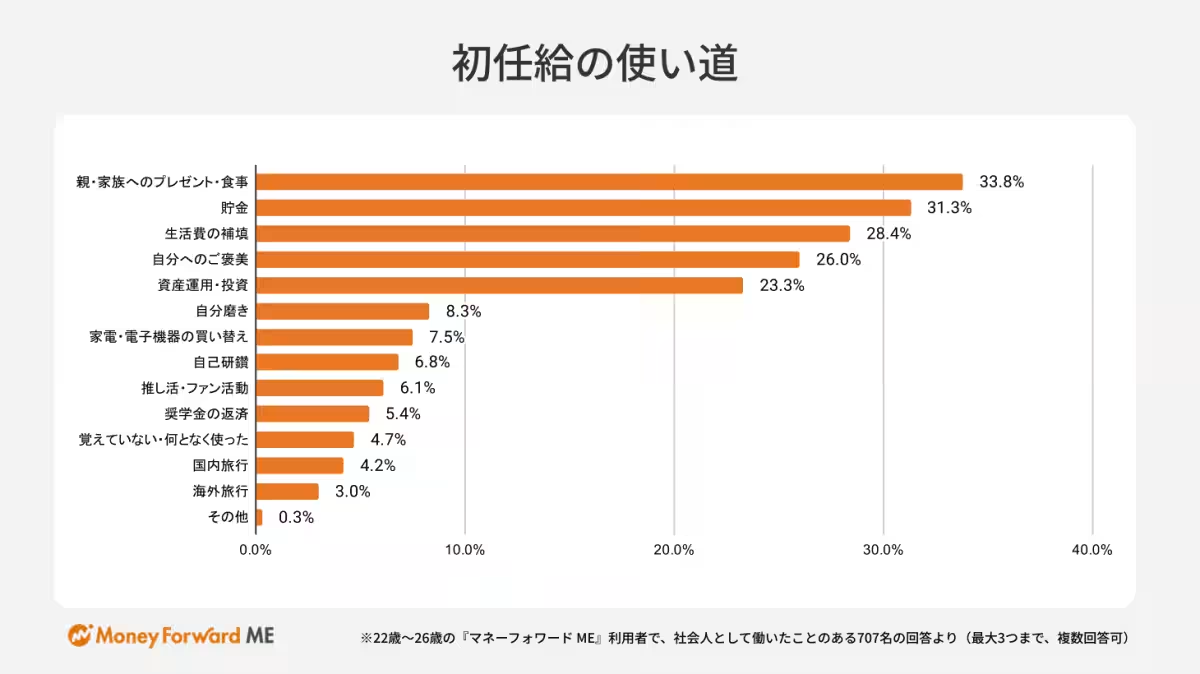
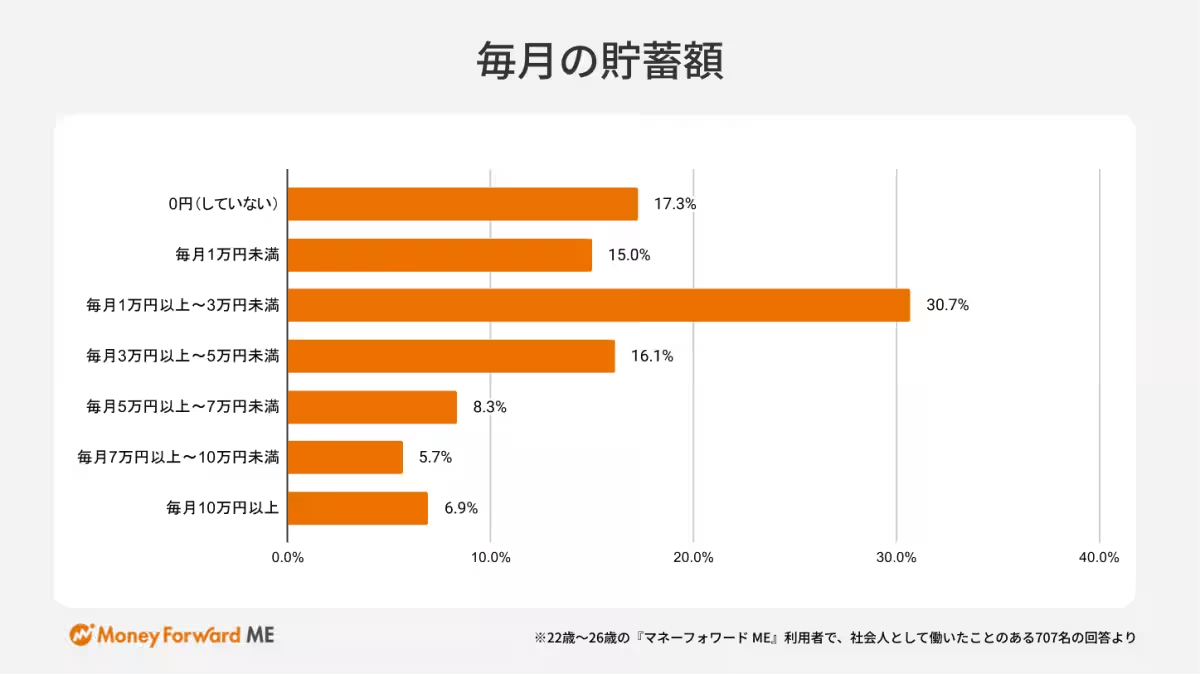
When asked about how they utilized their first salaries, the responses varied: 33.8% spent it on gifts for family, 31.3% saved it, and 28.4% contributed to living expenses such as rent and utilities. Notably, recent graduates are increasingly looking at their first salaries as a foundation for future investments, indicating a shift in thinking.
Comparatively, while 10.3% of those who began their careers prior to 2022 allocated funds towards investments, this proportion has ramped up to 37.5% for graduates from 2025, reflecting the importance of financial education and awareness in their formative years.
Investment Diversity and Trends
The types of investments that young professionals are making reveal a strong preference for NISA, utilized by a significant 83.6% of survey respondents. Following this, other forms such as the growth investment brackets of NISA and corporate-defined contributions also ranked highly.
When it comes to their monthly investments, the predominant figures indicate that many are contributing between 10,000 to 30,000 yen, which aligns with a mindset geared towards steady growth rather than rapid financial gains.
Daily Financial Habits
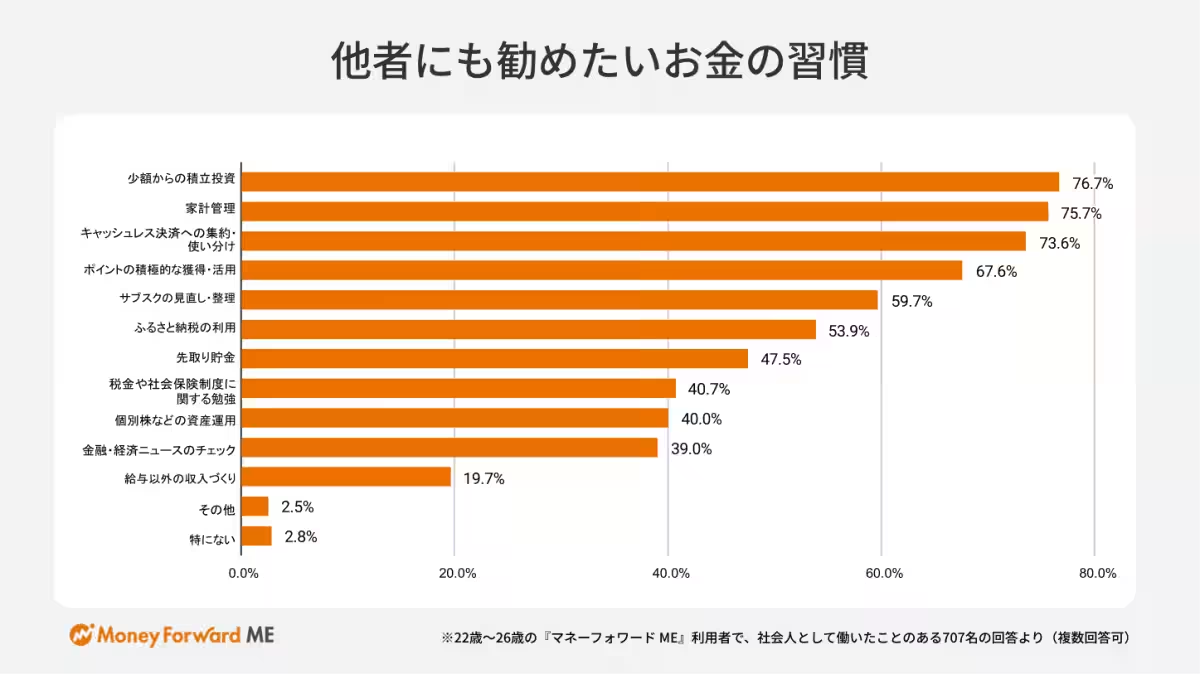
Young professionals are opting for a practical approach towards money management, focusing on smaller, manageable changes to enhance their financial standing. The top recommended money habits include:
1. Small-Scale Investment: As indicated by 76.7% of respondents, starting with modest investments is seen as a vital practice.
2. Household Budgeting: 75.7% advocate for tracking expenses and visualizing financial health.
3. Utilizing Cashless Payments: 73.6% favor consolidating their transactions through various cashless means.
These habits reflect a concentrated effort towards sustainable finances and various avenues of generating wealth, like subletting and smart allocation of savings towards investments.
The Push for Financial Independence
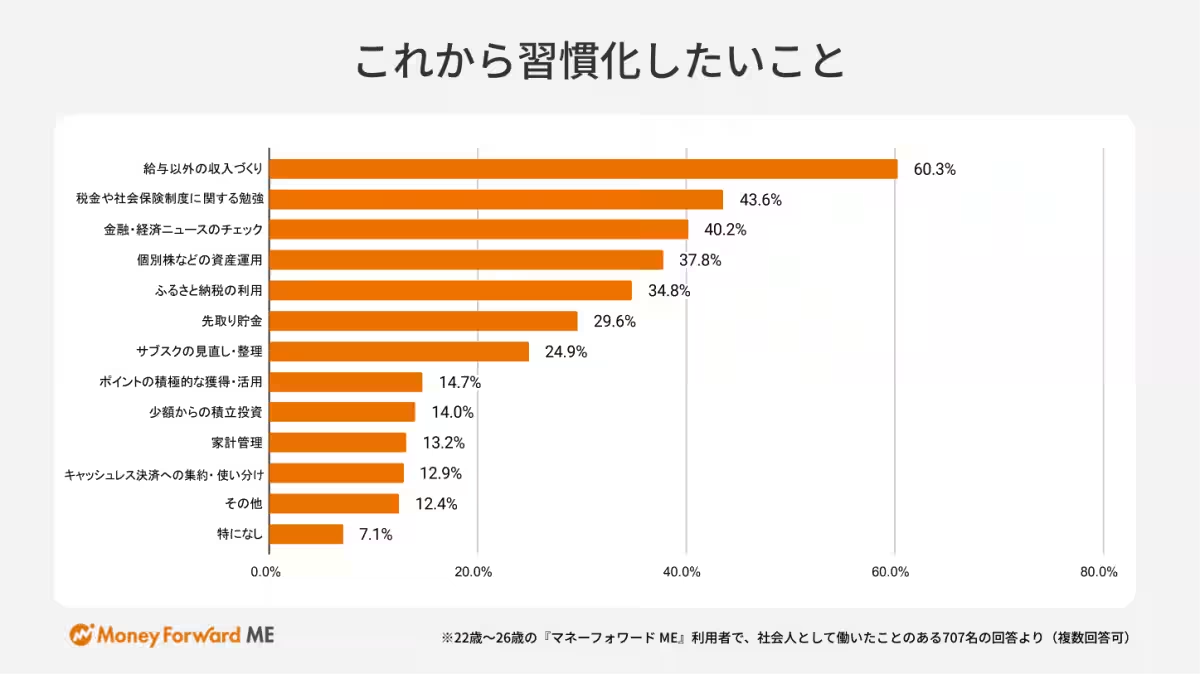
Furthermore, the survey revealed that many participants are aiming to develop additional income streams, with 60.3% aspiring to initiate side jobs. This ambition underlines a burgeoning awareness for self-sufficiency in an unpredictable economy.
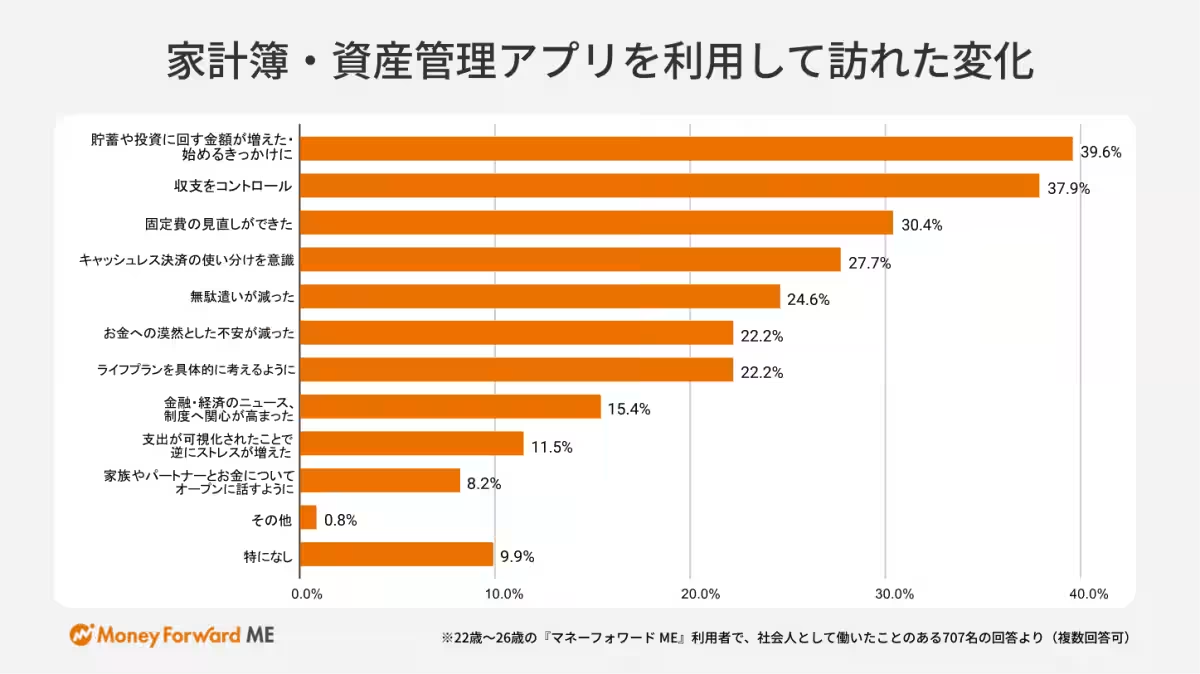
The main motivations for embracing financial management tools include both accountability to manage salaries effectively and starting investments for the first time. Approximately 39.6% found that using budgeting tools led to increased investments or savings, indicating a clear trend towards fiscal responsibility.
Closing Thoughts on Emerging Financial Attitudes
The survey results signify a noticeable cultural shift among younger generations in how they view investment and wealth creation as standard practices rather than extraordinary efforts. Comments from participants highlight a proactive approach to financial management, reflecting real-life adaptations to economic challenges.
As ‘Money Forward ME’ continues to support users in achieving financial transparency, it looks to foster environments where early career individuals can start accumulating wealth responsibly, affirmatively easing their financial futures.
About Money Forward ME: The service offers a seamless way for individuals to visualize their finances by automatically consolidating data from banks, credit cards, and securities accounts, hence simplifying personal finance management.
For more information, you can visit Money Forward ME.
Topics Financial Services & Investing)
【About Using Articles】
You can freely use the title and article content by linking to the page where the article is posted.
※ Images cannot be used.
【About Links】
Links are free to use.