



Survey Reveals Key Job Change Reasons Among Auto Mechanics in Japan
The Reasons Behind Job Changes for Auto Mechanics
In an effort to understand the dynamics of the automotive repair industry, Apti, the company behind the specialized job site Carwork, conducted a comprehensive survey regarding the reasons for job changes among auto mechanics. Analyzing 1,651 job consultation cases from July 2025 to July 2026, the results shed light on the factors influencing auto mechanics’ employment decisions.
Key Findings of the Survey
Overall Trend
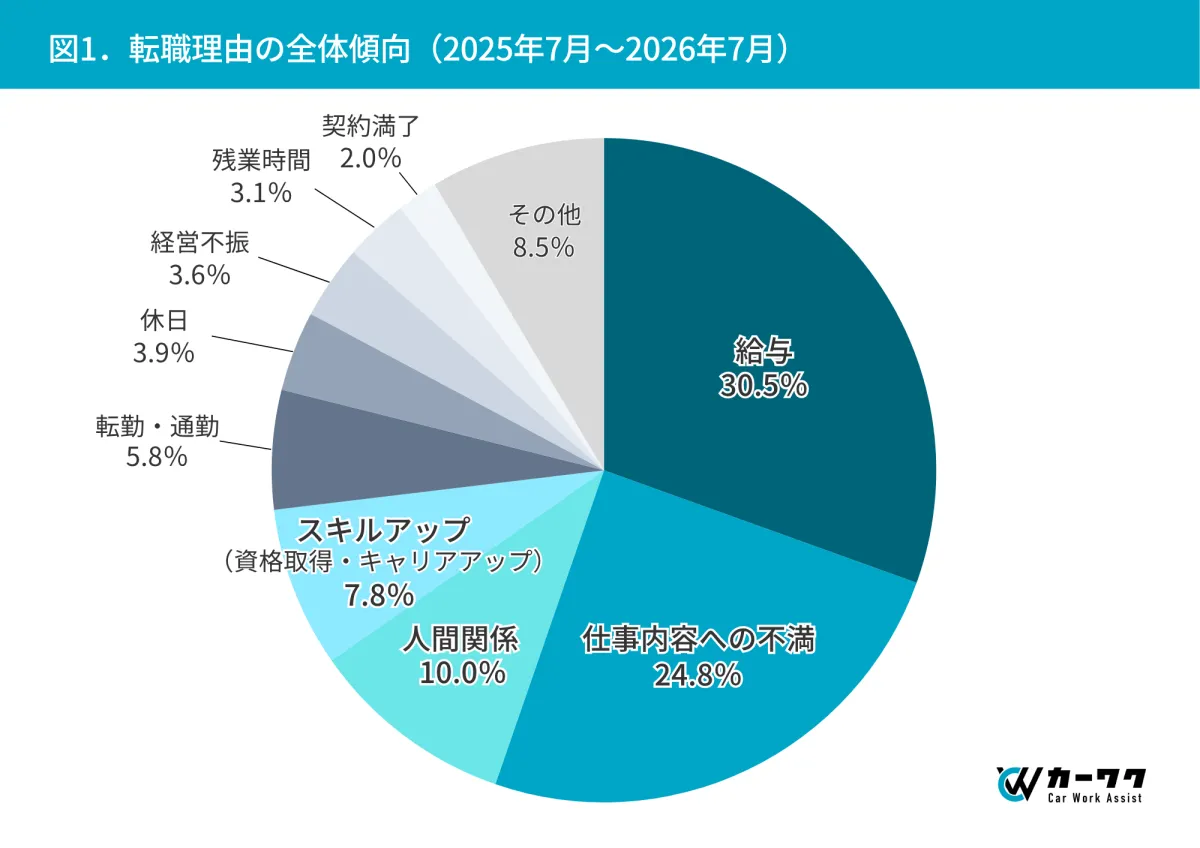
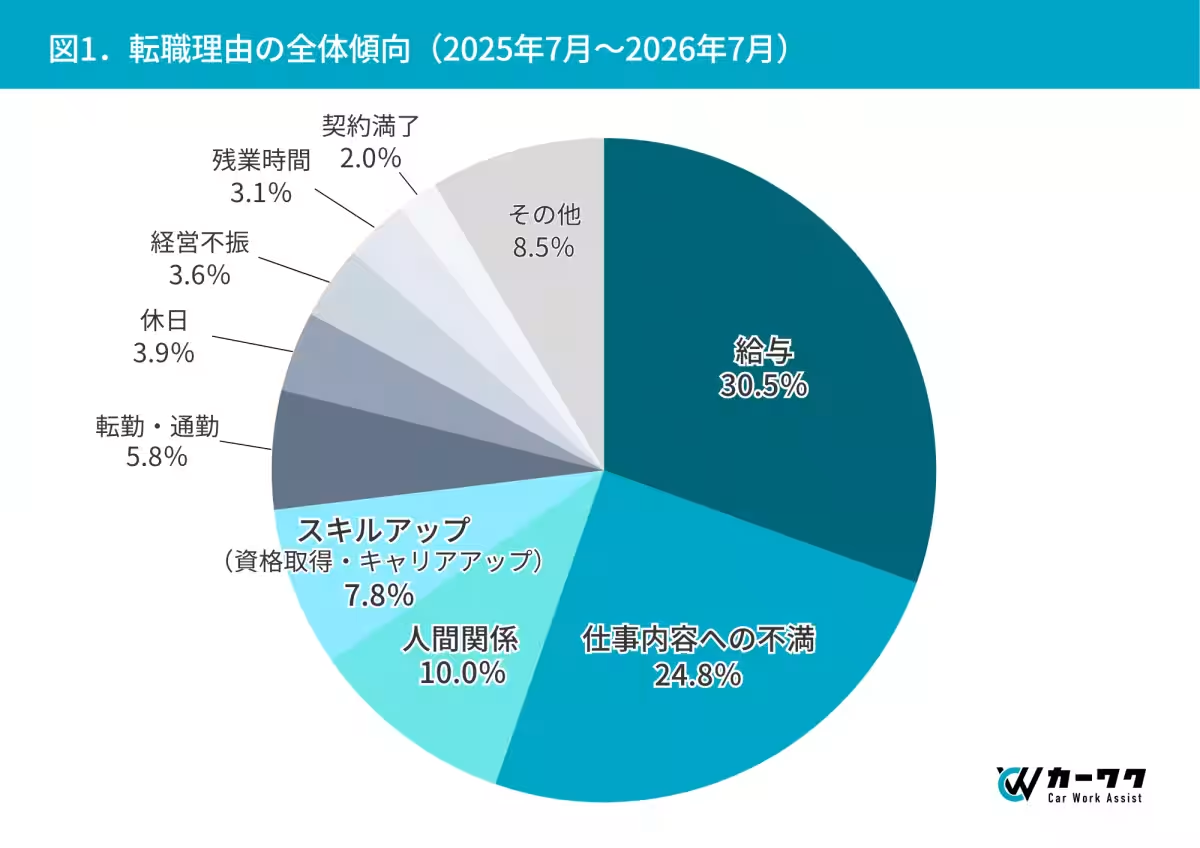
The survey unveiled that salary is the primary reason for job changes, accounting for 30.5% of responses, followed by dissatisfaction with job roles at 24.8%. This highlights that more than half of the reasons for job transitions are rooted in these two areas.
Perception Differences Among Foreign Job Seekers
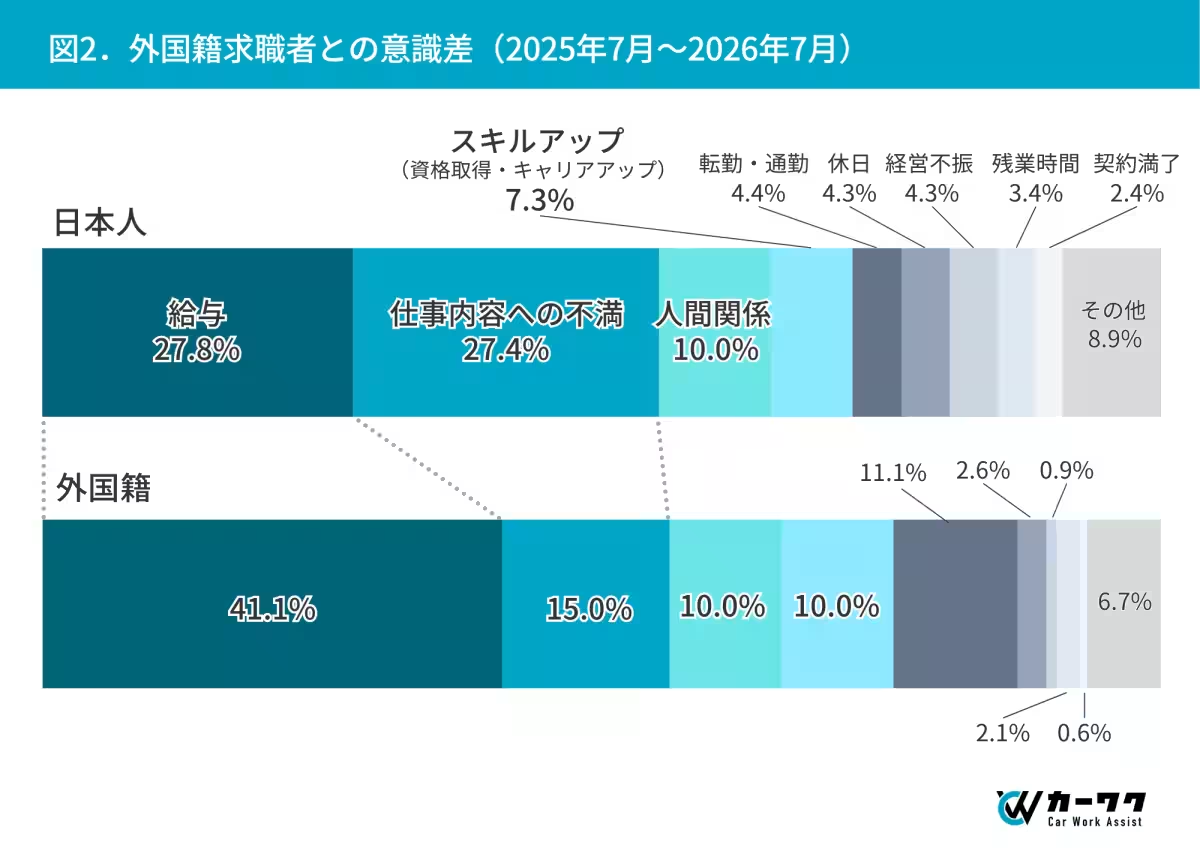
Interestingly, a significant gap emerged in the responses from foreign job seekers compared to their Japanese counterparts. Approximately 41.1% of foreign candidates indicated salary as their primary concern, surpassing the 27.8% reported by Japanese applicants by 13.3%. This discrepancy could be attributed to many foreign workers supporting families back home, making salary a critical factor in their job selection.
Job Dissatisfaction Across Different Age Groups
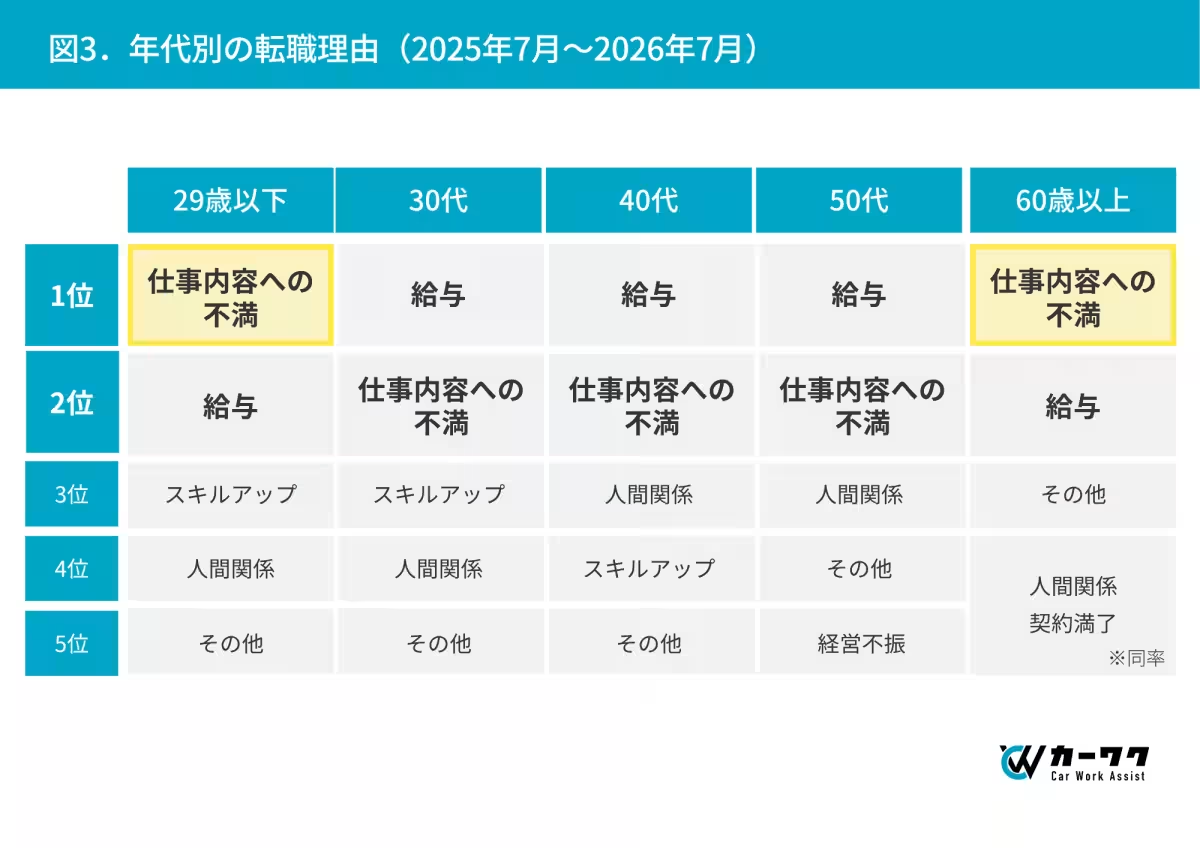
The analysis also highlighted age-based differences in job dissatisfaction. Among Japanese job seekers aged 30 to 50, salary remains the primary reason for seeking new opportunities. In contrast, the younger generation (under 29) and seniors (60 and above) predominantly cite job dissatisfaction.
Insights from Specific Age Groups
Young Workers (Under 29)
Feedback from younger mechanics indicates a desire for broader experiences across various vehicle types and more comprehensive tasks. They are eager to enhance their market value and seek environments that allow them to grow their skills.
- - A 22-year-old mechanic states: “I’ve mainly worked on trucks, but I want to gain more experience with different models, including light cars.”
- - A 23-year-old adds: “Performing only parts replacements is not enough; I want to be involved in major repairs and disassembly.”
- - Another 24-year-old mentions: “I want to engage with customers and grow in my role as a mechanic.”
Senior Workers (60 and Above)
Conversely, senior mechanics often highlight the importance of aligning job tasks with their physical capabilities. Their requests emphasize manageable workloads, utilizing their long-standing experience, and sustaining employment without excessive strain.
- - A 60-year-old inspector explains: “Due to my back pain, I prefer roles focused on inspection rather than heavy manual work.”
- - A 61-year-old emphasizes: “The workload has become overwhelming; a job with a reasonable pace is crucial.”
- - A 65-year-old shares: “I wish to focus on tasks that are less physically demanding and draw on my expertise in inspections.”
Implications for Employers
The insights from this survey highlight the critical need for companies in the automotive sector to address salary levels as a fundamental strategy in recruiting and retaining talent. However, the overarching reasons for job changes differ by demographic factors, indicating the necessity of targeted approaches tailored to specific groups.
Recommendations
1. For Young Mechanics: If employers clarify promotional pathways and offer developmental opportunities, they are more likely to retain younger talent.
2. For Senior Mechanics: Companies should create flexible career paths that accommodate physical limitations, such as positions centered around inspections or lighter duties.
3. For Foreign Workers: Establishing clear salary structures and career advancement paths can help mitigate uncertainties regarding income and encourage longevity in positions.
Conclusion
The findings of this survey led by Apti reveal crucial insights into the motivations behind job changes among auto mechanics in Japan. By recognizing the contrasting needs of different worker demographics, companies can better address these concerns, ultimately fostering a more satisfied and stable workforce in the automotive repair industry.

Topics Consumer Products & Retail)
【About Using Articles】
You can freely use the title and article content by linking to the page where the article is posted.
※ Images cannot be used.
【About Links】
Links are free to use.