



Survey Reveals How Summer Heat Affects Workplace Attendance and Productivity in 2026
Impact of Summer Heat on Work: Insights from the 2026 Survey
In a recent survey conducted by the Job Research Institute, the effects of extreme summer heat on workplace attendance and productivity have been explored. This comprehensive analysis, which surveyed 446 working professionals, brings to light profound insights into how rising temperatures influence employee behavior and employer expectations.
Overview of the Survey
The survey, titled "2026 Summer Work Style Reality Survey," was carried out between May 20 and May 25, 2026, targeting male and female participants in their 20s to 50s across the nation. The focus was to understand the anticipated work patterns during the sweltering summer months, including preferences for telework versus on-site work, and the impact of heat on productivity.
Key Findings
Preferences for Work Styles
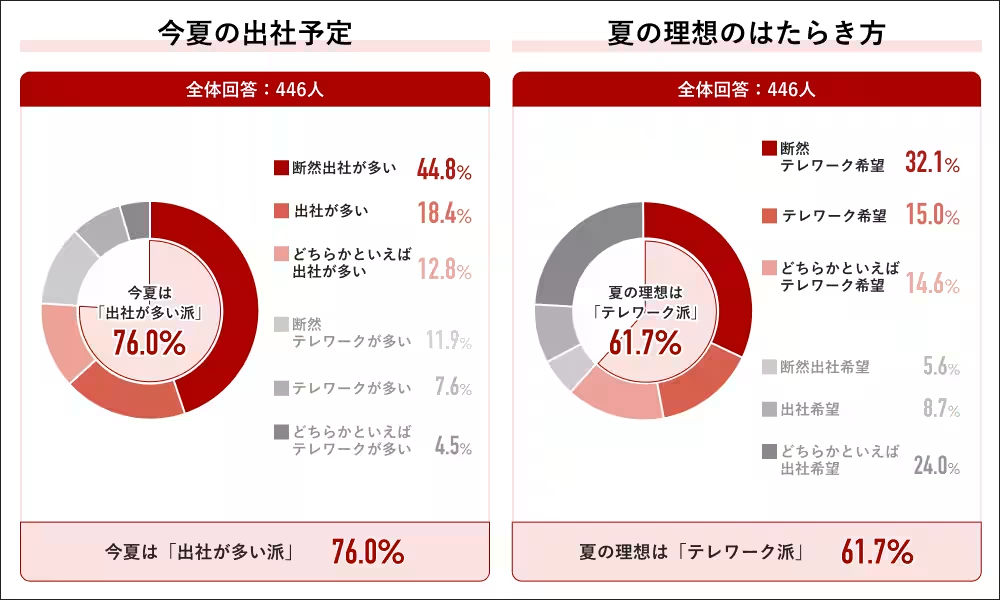
The results revealed a notable discrepancy between actual work attendance and desired work arrangements. A significant 76% of participants indicated that they expect to be physically present in the office, while 61.7% expressed that their ideal work scenario would involve telecommuting. The divide suggests a growing yearning for flexible work options in the face of increasingly harsh weather conditions.
Effects of Heat on Productivity
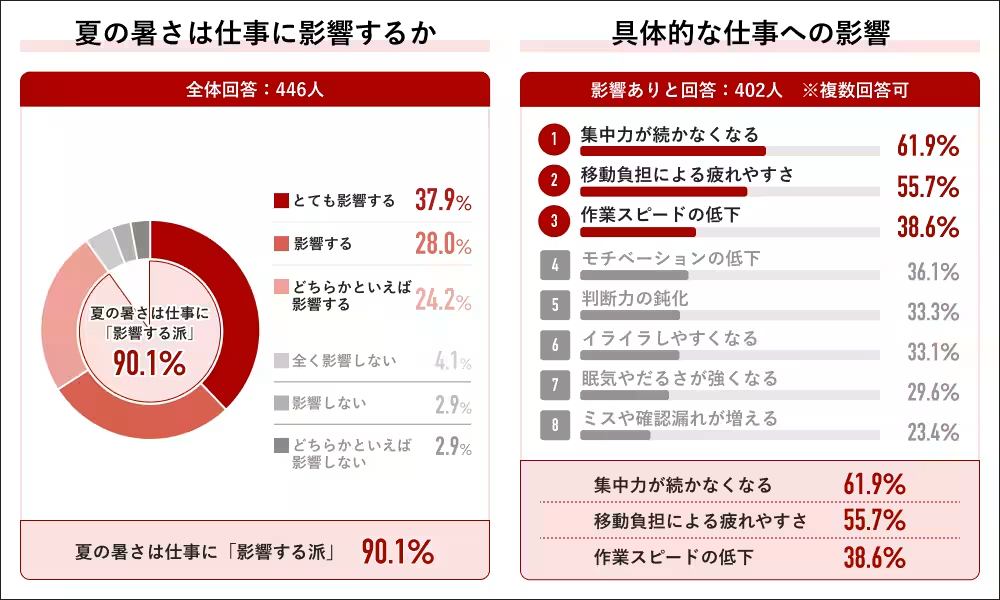
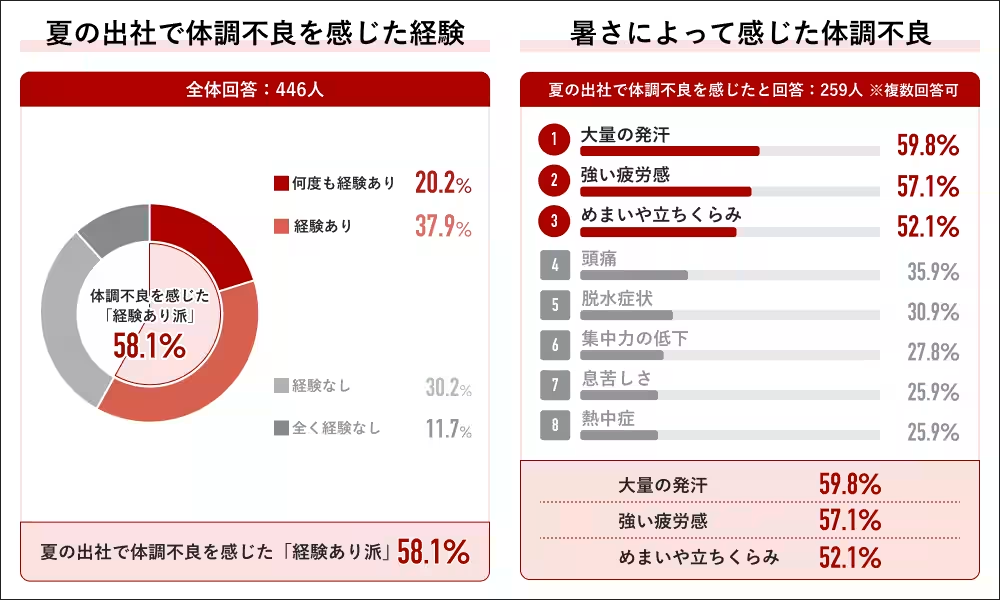
A staggering 90.1% of respondents acknowledged that high temperatures impede their productivity. The primary factors affecting their work included diminished concentration, fatigue, and slower work pace, with nearly 62% admitting that they struggle to maintain focus during hot spells.
Reluctance to Commute on Hot Days
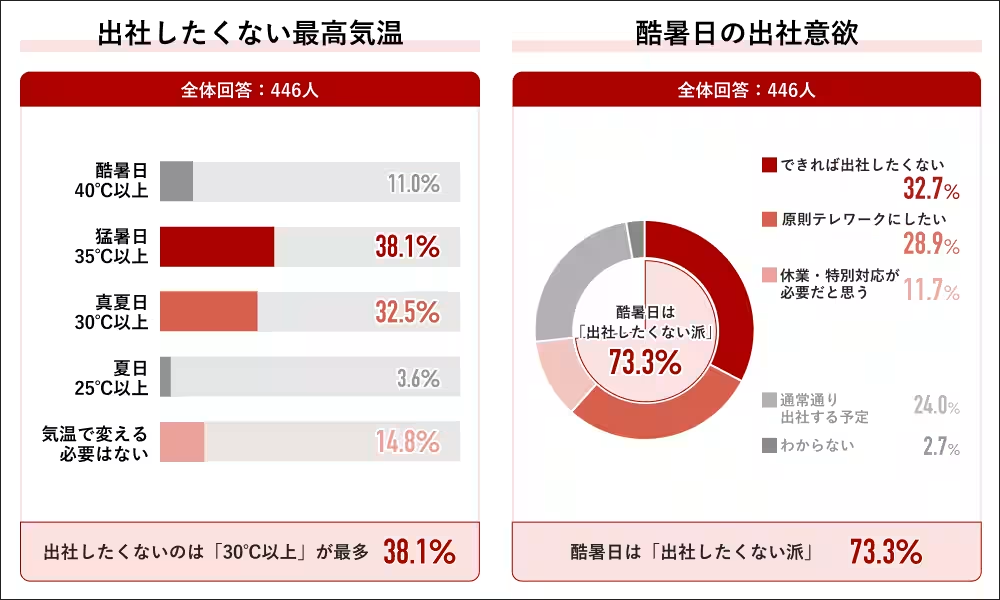
When asked about their willingness to commute on excessively hot days, 73.3% of those surveyed expressed a strong preference to avoid commuting when temperatures reach 35°C (95°F) or higher, often referred to as a 'heat wave' day. This reluctance reflects a rising awareness of the impact of commuting stress on overall job satisfaction and mental health.
In-Office Comfort and Heat Stroke Prevention Measures
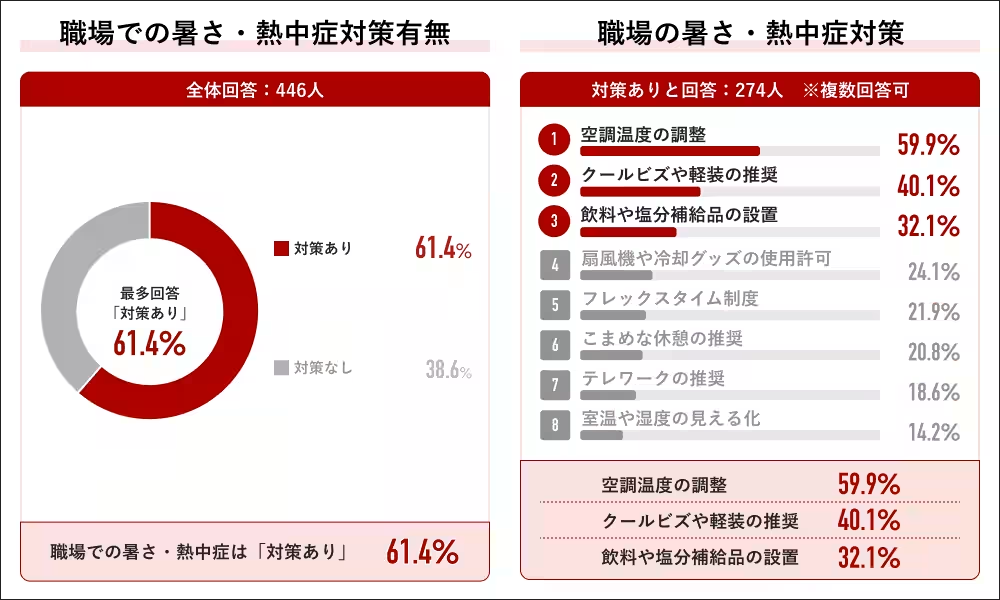
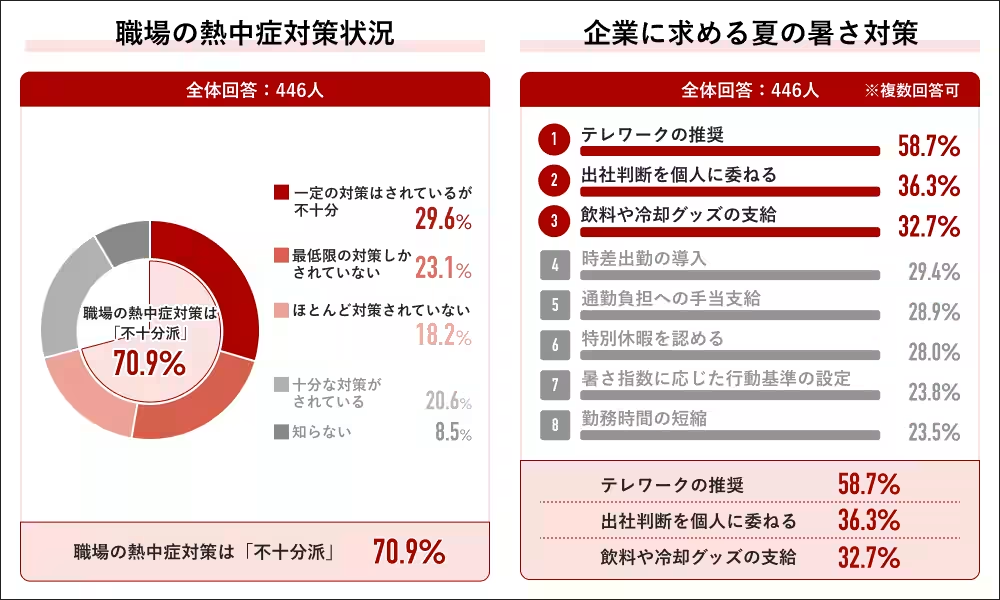
The survey also investigated workplace preparedness against heat-related issues. While over 61% stated that their workplaces have implemented some form of prevention measures, nearly 71% deemed these measures insufficient. Top-requested improvements included encouraging telework, allowing employees to judge their own commuting necessity, and providing access to cooling products and hydration solutions.
Employee Testimonials
Respondents provided candid feedback, revealing their struggles under the sweltering heat. Common sentiments included:
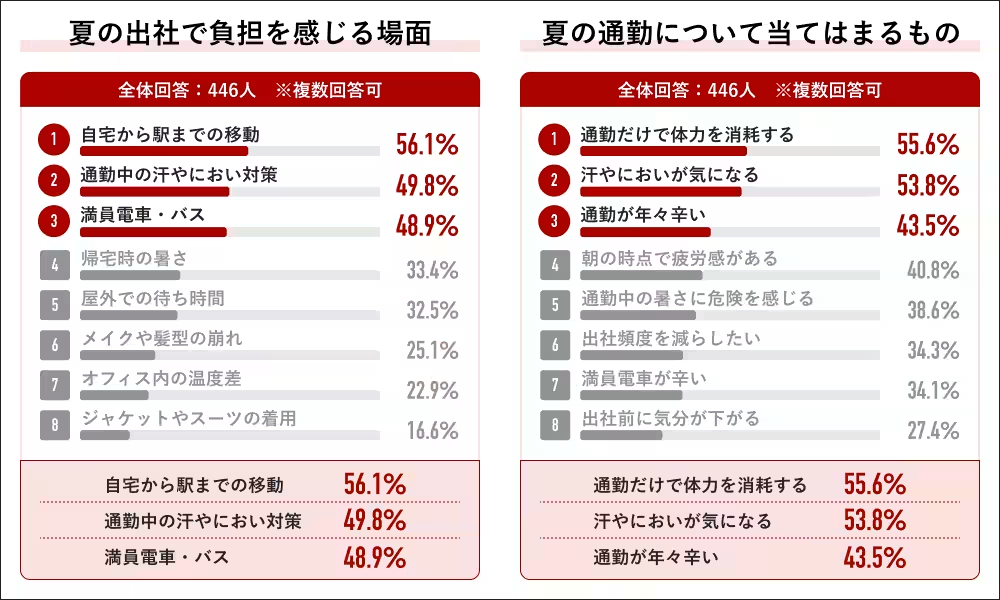
- - Anxiety about commuting due to overwhelming heat and lack of air conditioning during transit.
- - Experiencing discomfort and diminished productivity upon arriving at work due to excessive sweating and fatigue.
- - Increased concern about personal grooming challenges, such as makeup melting and body odor, which shift focus away from work-related tasks.
Implications for Employers
These findings underscore an urgent need for employers to rethink their summer policies and work environment strategies. As temperatures rise and extreme weather becomes more frequent, organizations must adapt their operational frameworks to prioritize employee well-being. Flexible work arrangements and improved heat management strategies could enhance job satisfaction, productivity, and overall employee health.
In conclusion, the 2026 Summer Work Style Reality Survey indicates a clear trend towards seeking better working conditions in hot climates. With increasing acknowledgment of these challenges, it is essential for businesses to embrace innovative solutions that cater to the well-being of their workforce while optimizing productivity. The future of work is leaning towards flexibility in the face of environmental changes, and stakeholders at all levels must respond proactively to this pressing concern.
Job Research Institute continues to champion exploration in work styles, aiming to reshape conventional norms for a more hospitable work environment in the future.

Topics People & Culture)


【About Using Articles】
You can freely use the title and article content by linking to the page where the article is posted.
※ Images cannot be used.
【About Links】
Links are free to use.