




Exploring the Impact of Thermal Windows on Gut Flora and Sleep Quality by Saikinso and YKK AP
Exploring the Impact of Thermal Windows on Gut Flora and Sleep Quality by Saikinso and YKK AP
In a pioneering effort to connect the realms of home environment and health, Saikinso, a Tokyo-based company, and YKK AP, known for their innovative window solutions, have joined forces in a research initiative that examines the link between thermal windows and gut flora, focusing on how these factors influence overall health and sleep quality.
Background of the Research
Residential windows are critical points for energy loss, accounting for about 50% of heating loss in winter and 70% of cooling gain in summer. This makes window insulation essential for maintaining comfortable indoor temperatures. Concurrently, emerging research suggests that gut flora plays a vital role not just in digestion but also in the overall health and immune response of individuals.
This project seeks to extend the conventional benefits of thermal windows, traditionally viewed in terms of energy conservation and temperature maintenance, to a new perspective: the health benefits of a better indoor environment reflected through the condition of one's gut flora. By exploring these two previously isolated areas, the study aims to create a more comprehensive understanding of health and wellbeing.
Methodology
To gather data, YKK AP employees and users of the gut flora testing service Mykinso were surveyed about their living environments, specifically regarding the presence of thermal windows, and completed questionnaires on sleep and overall health. A total of 326 questionnaires were collected, alongside gut flora data from 125 YKK AP employees during the research period spanning November 2025 to February 2026. The data was statistically analyzed to explore awareness of thermal windows, their impact on living comfort, and their relationship with sleep and gut flora.
Awareness of Living Environment Among General Users
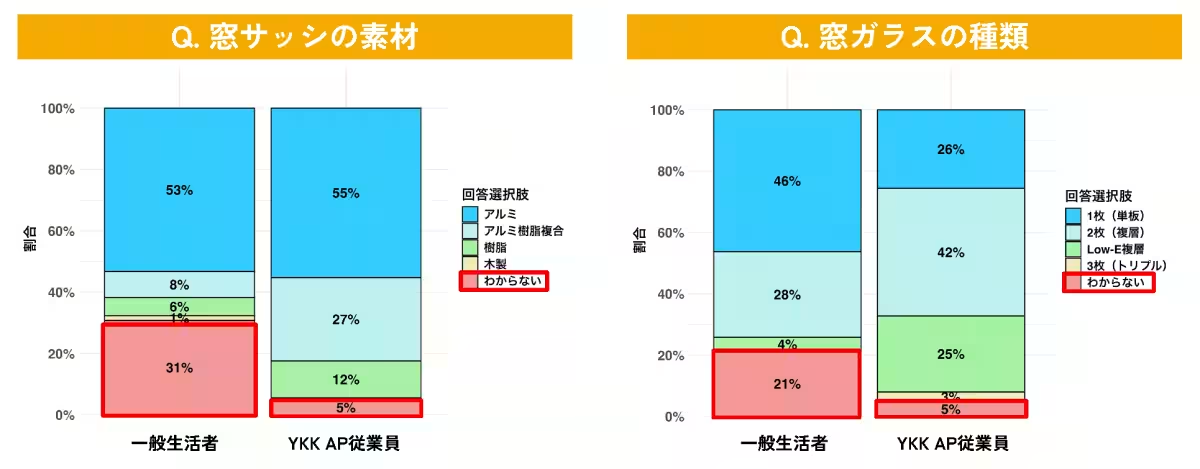
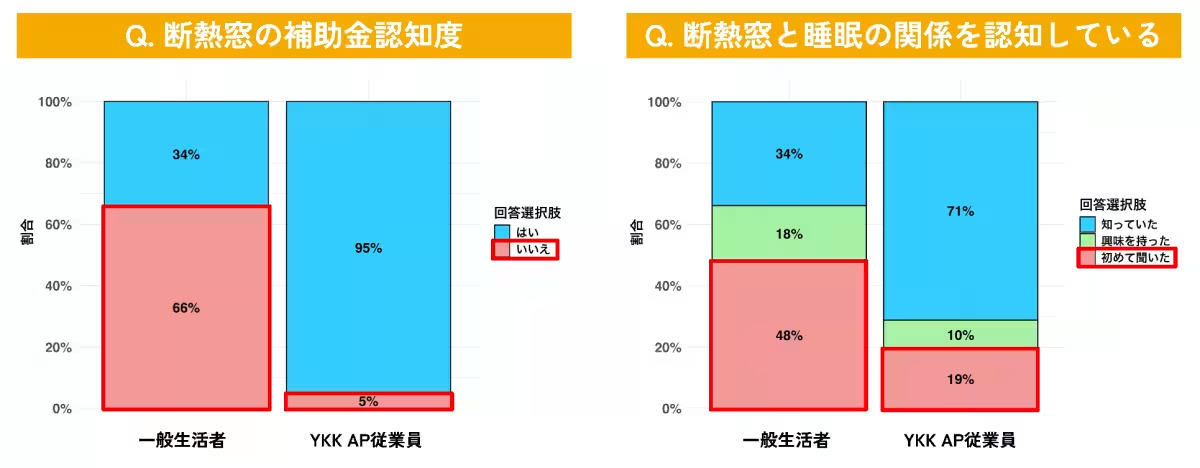
Initial findings highlighted a substantial gap in knowledge regarding window insulation. Many general participants reported uncertainty about materials and types of window sashes—31% did not know about sash materials and 21% about glass types. In comparison, only 5% of YKK AP employees fell into this category. Furthermore, awareness of financial assistance programs for thermal window installations was notably low, with 64% of general users unaware compared to just 5% among company employees. These results indicate a pressing need to increase public awareness concerning the importance of living environments and insulation performance.
Comfort Associated with Thermal Windows
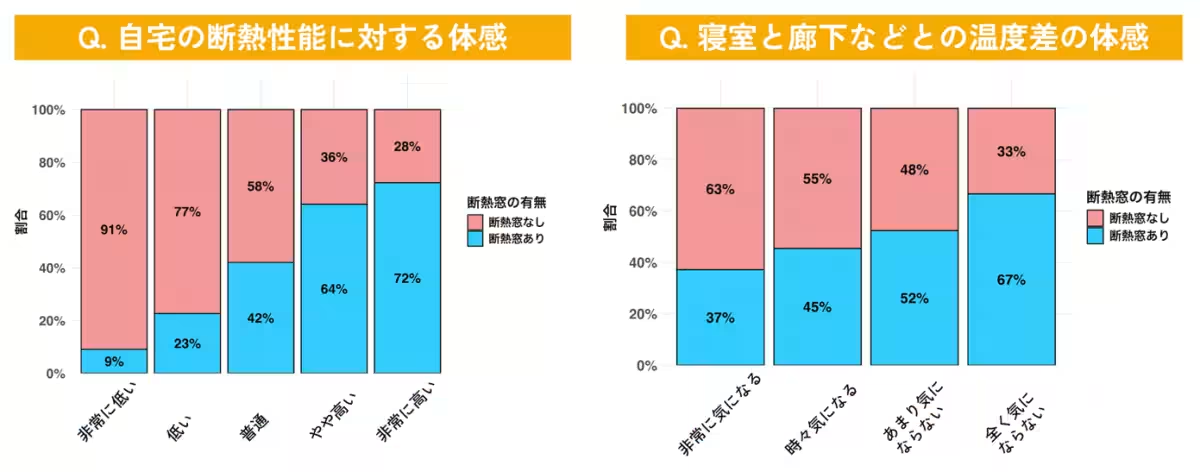
Analyzing subjective evaluations of home insulation and comfort revealed that respondents who had thermal windows reported higher levels of comfort and less variability in indoor temperatures during winter months. Those with thermal windows felt significantly more comfortable, with the perceived insulation effects contributing to a notably improved living experience. The findings suggest that the benefits of thermal windows extend beyond cold and heat resistance; they have a tangible impact on daily living comfort for residents.
Sleep Quality Related to Thermal Windows
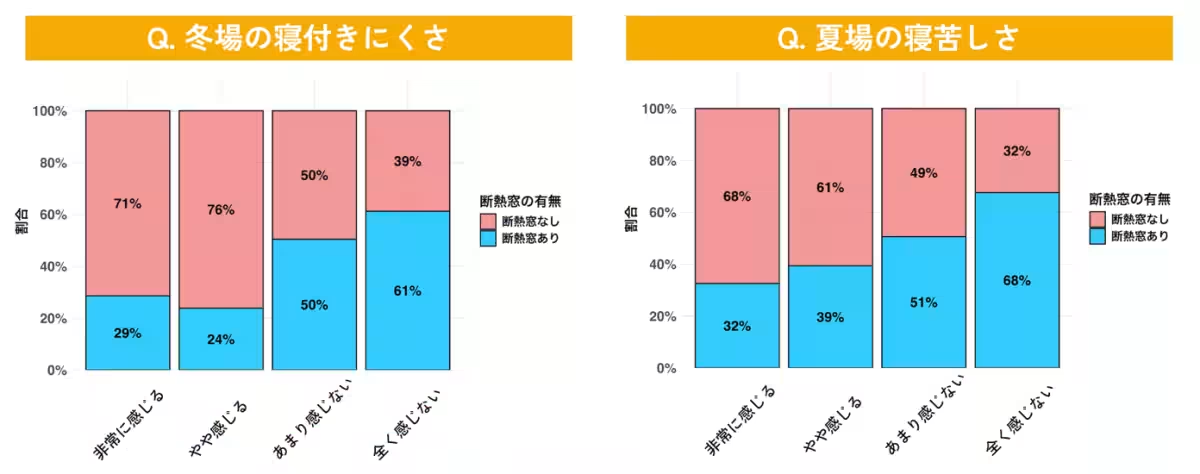
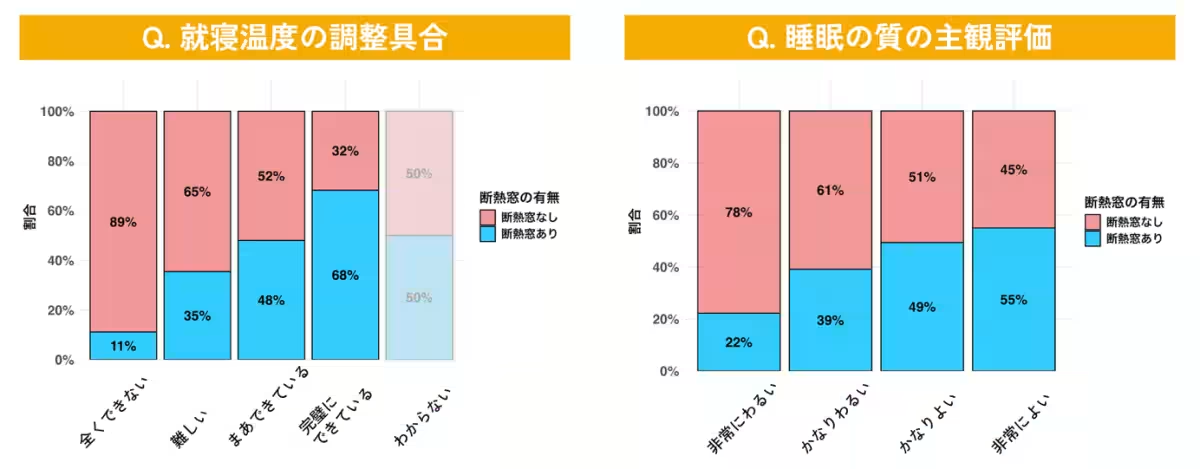
The study explored how thermal windows influence sleep conditions, revealing that residents with thermal windows experience a marked improvement in sleep quality. Participants who reported having thermal windows were less likely to struggle with cold bedroom temperatures in winter or excessive heat in summer. Additionally, more individuals with thermal windows felt they could maintain their ideal sleeping temperature, correlating with an increased score for overall sleep satisfaction. This indicates that thermal windows may significantly enhance the ability to create optimal sleeping conditions across seasons.
The Interconnection of Gut Flora, Sleep, and Thermal Windows
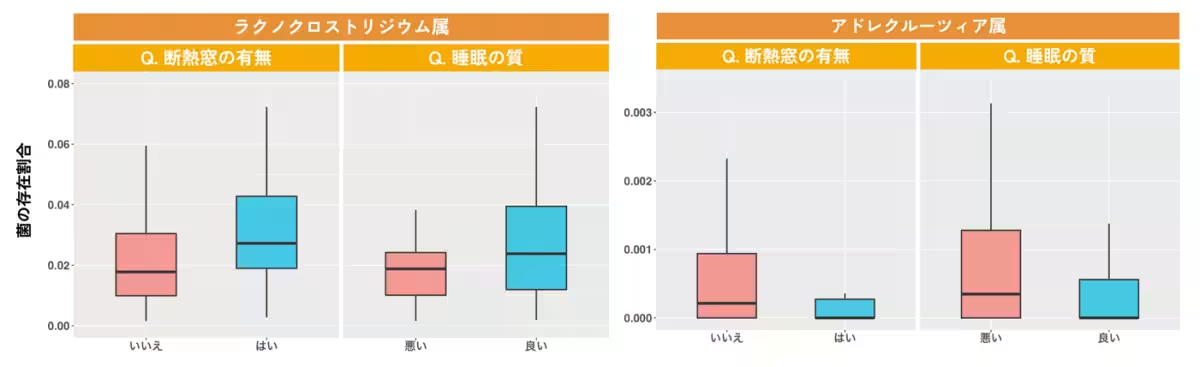
When examining the gut flora of participants, a statistical difference was found in the presence of opportunistic beneficial bacteria based on the presence of thermal windows and reported sleep quality. Notably, Lactococcus and Adrecoulus genera showed different distributions; those living with thermal windows had a higher occurrence of beneficial bacteria, whereas those without were associated with a less favourable gut flora balance. This trend suggests a possible link between thermal windows, better sleep, and a healthier gut ecosystem, reinforcing the premise that enhancing residential insulation could lead to higher sleeping quality and subsequent microbial health benefits.
Future Outlook
This joint research has highlighted significant issues in public awareness of the correlation between housing insulation and health. It emphasizes the encouraging point that maintaining a warm home may positively contribute to indoor environmental stability and overall well-being. The research sets a course for further exploration of direct impacts of thermal windows on gut bacteria as Saikinso and YKK AP plan intervention studies evaluating how thermal window installations can enhance gut flora directly, moving towards tangible applications that will benefit both personal health and the broader community.
In their efforts to innovate and enhance public perception regarding home insulation, both companies aim to promote a sustainable and healthy living space that meets the needs of modern society, while also contributing to broader environmental goals through the adoption of thermal windows.





Topics Health)

【About Using Articles】
You can freely use the title and article content by linking to the page where the article is posted.
※ Images cannot be used.
【About Links】
Links are free to use.