




Analysis of Aging Properties in Tokyo's 23 Wards: Insights from LIFULL HOME'S Survey
Understanding the Shifting Trends in Tokyo's Real Estate Market
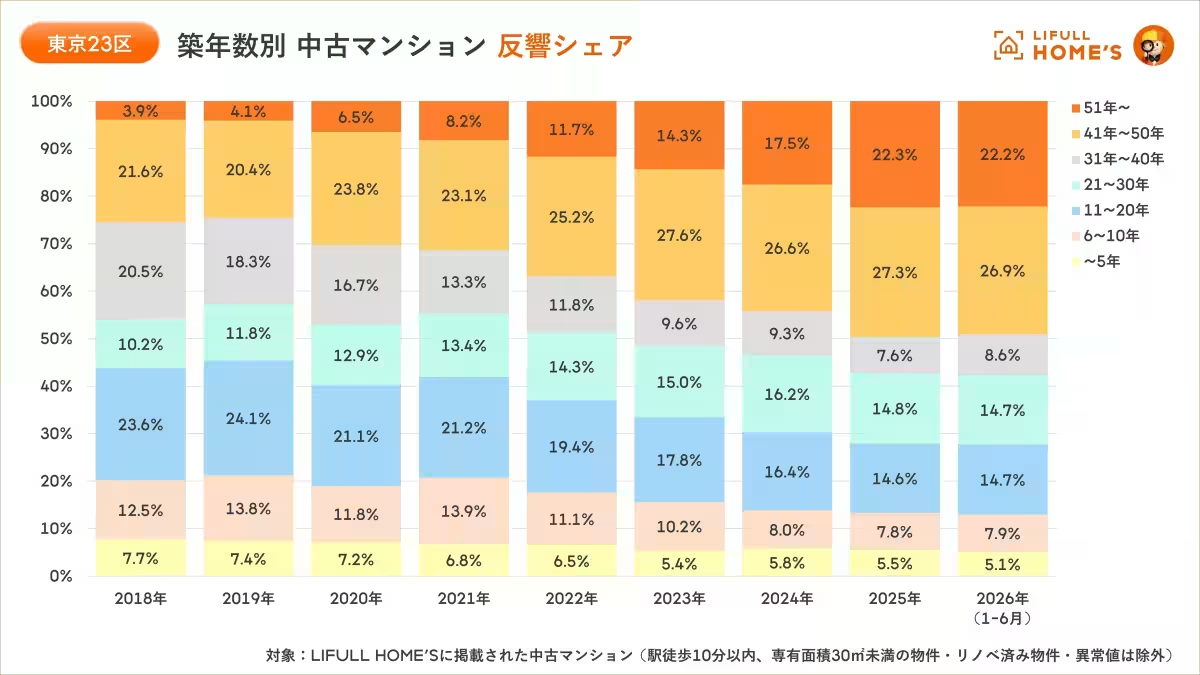
A recent survey conducted by LIFULL HOME'S, a prominent real estate and housing information service in Japan, has unveiled intriguing trends regarding the demand for used condominiums in Tokyo's 23 wards, specifically focusing on properties based on their age. The research highlights a significant rise in interest surrounding older condominiums, particularly those built over 41 years ago.
Overview of the Study
LIFULL HOME'S initiated this investigation to assess how the appeal of different-aged properties has changed over time. The results indicate that the proportion of inquiries for properties over 41 years old has rapidly expanded from 25.5% in 2018 to an anticipated 49.1% by 2026. This notable growth showcases a robust interest in older properties amidst a backdrop of escalating housing prices.
Surge in Older Property Inquiry Shares
The study analyzed the inquiry share of older used condominiums listed on LIFULL HOME'S. Notably, properties categorized within the 51 years and above range have experienced a staggering increase in inquiry share—rising approximately 5.7 times from 3.9% in 2018 to 22.2% by 2026. Furthermore, when combined with the inquiry share of properties aged between 41 to 50 years, this category accounts for nearly half (49.1%) of the total inquiries regarding older properties.
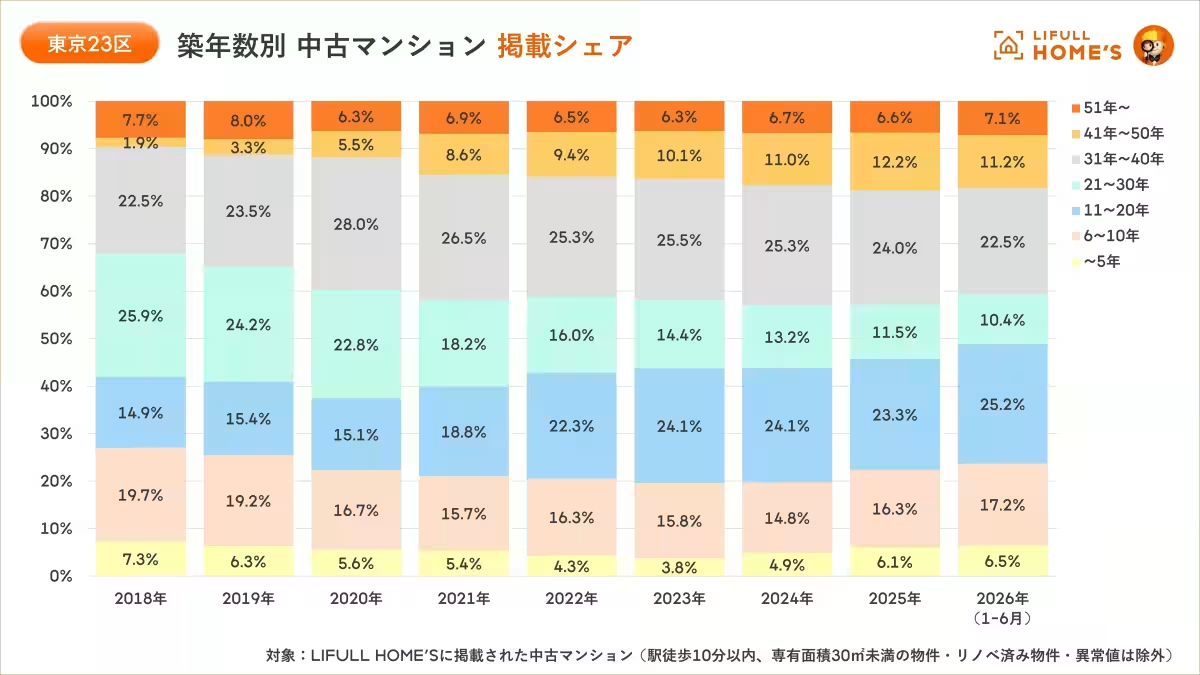
However, it's crucial to note that while the inquiry share for properties aged over 41 years is growing, their publication share remains relatively modest. In 2026, the publication share for these older properties is expected to plateau at around 18.3%. This disparity indicates a widening gap between the inquiry interests and actual listings of older properties.
Rising Prices of New and Aging Properties
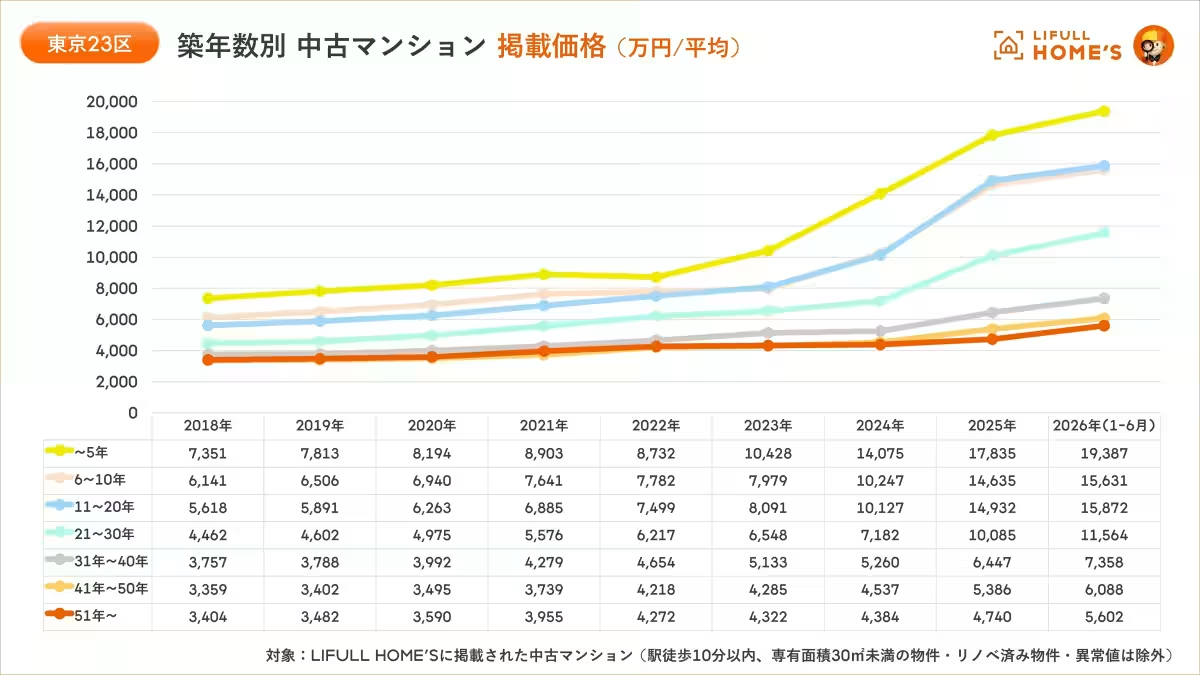
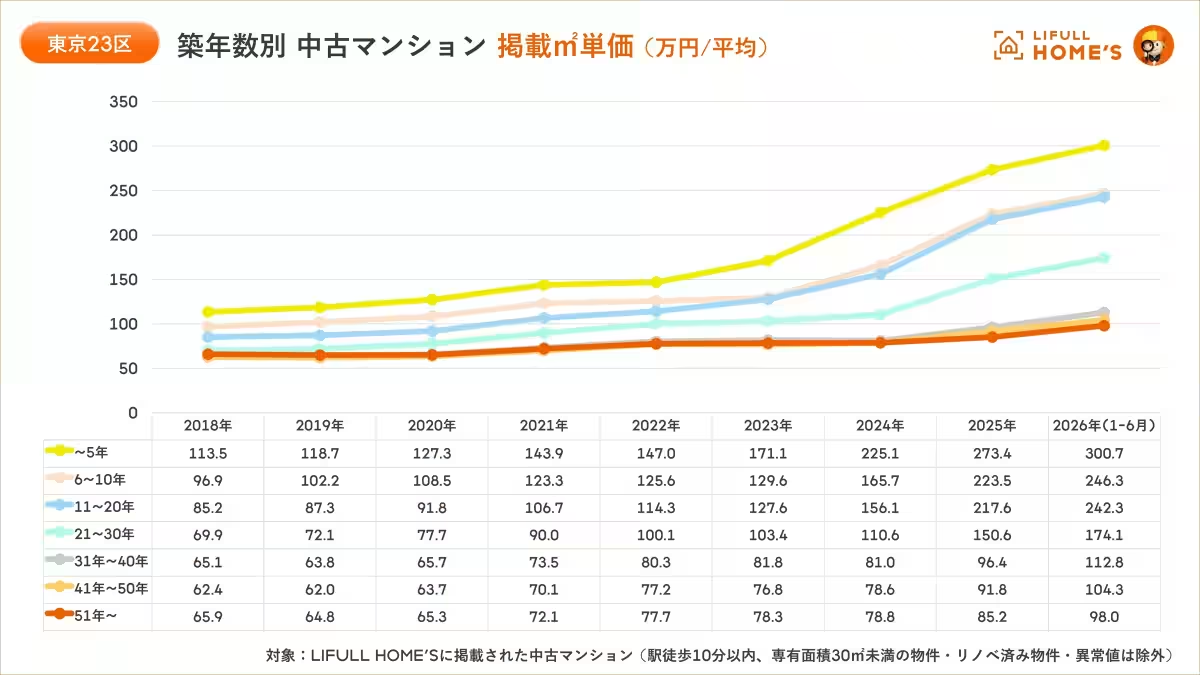
In recent years, various factors—including soaring construction material costs, escalating labor expenses, and rising land prices in urban areas—have led to an upward trend in new condominium prices. Consequently, the demand for younger used condominiums, which often serve as alternatives to new constructions, has surged, causing their prices to inflate as well. A comparison of listed prices from 2018 to 2026 reveals that newer properties are witnessing significantly higher percentage increases compared to older counterparts.
Price Increase Analysis
| Age of Property | Average Listed Price in 2018 | Average Listed Price in 2026 | Price Increase Rate |
|---|---|---|---|
| ----- | ------- | ------- | ----- |
| Up to 5 years | ¥73.51 million | ¥193.87 million | 263.7% |
| 6 to 10 years | ¥61.41 million | ¥156.31 million | 254.5% |
| 11 to 20 years | ¥56.18 million | ¥158.72 million | 282.5% |
| 21 to 30 years | ¥44.62 million | ¥115.64 million | 259.2% |
| 31 to 40 years | ¥37.57 million | ¥73.58 million | 195.8% |
| 41 to 50 years | ¥33.59 million | ¥60.88 million | 181.2% |
| 51 years and up | ¥34.04 million | ¥56.02 million | 164.6% |
Expert Insights
According to Toshiro Nakayama, a chief analyst at LIFULL HOME'S, the sharp rise in pricing presents a significant challenge to potential buyers. As new and used prices soar, buyers are increasingly faced with the dilemma of which property features to compromise on. The average prices for properties under five years old now hover around ¥200 million, while those under ten years exceed ¥150 million, indicating a pricing landscape heavily skewed beyond what most buyers can afford.
Under these circumstances, purchasing within Tokyo 23 wards means buyers often resort to either downsizing their living space or opting for older properties, which are becoming more prominent in the market. Remarkably, the data found that by 2025-2026, the appeal of properties aged up to 40 years and those 41 years and older will nearly equalize, highlighting a growing demand for older condos.
Older properties are enticing not only due to their perceived affordability but also because many were built in prime locations with exceptional living and transportation amenities. Moreover, advancements in renovation technology mean that older condos can be upgraded to meet modern standards without significant challenges. Given the depreciation in fixed asset taxes, these properties present a financially appealing option for buyers.
Nonetheless, prospective buyers should exercise caution regarding associated costs such as management fees and repair reserves, which can often increase significantly with aging properties. Purchasing fully renovated buildings could be a safer investment strategy.
Conclusion
The study by LIFULL HOME'S underscores the shifting dynamics in Tokyo's real estate market, revealing that the demand for older properties is on the rise. As prices continue to escalate, understanding which concessions buyers are willing to make becomes critical in navigating this complex market landscape. Individuals considering purchasing older condominiums should remain vigilant in evaluating both the advantages and accompanying conditions that come with such investments.



Topics Consumer Products & Retail)




【About Using Articles】
You can freely use the title and article content by linking to the page where the article is posted.
※ Images cannot be used.
【About Links】
Links are free to use.