



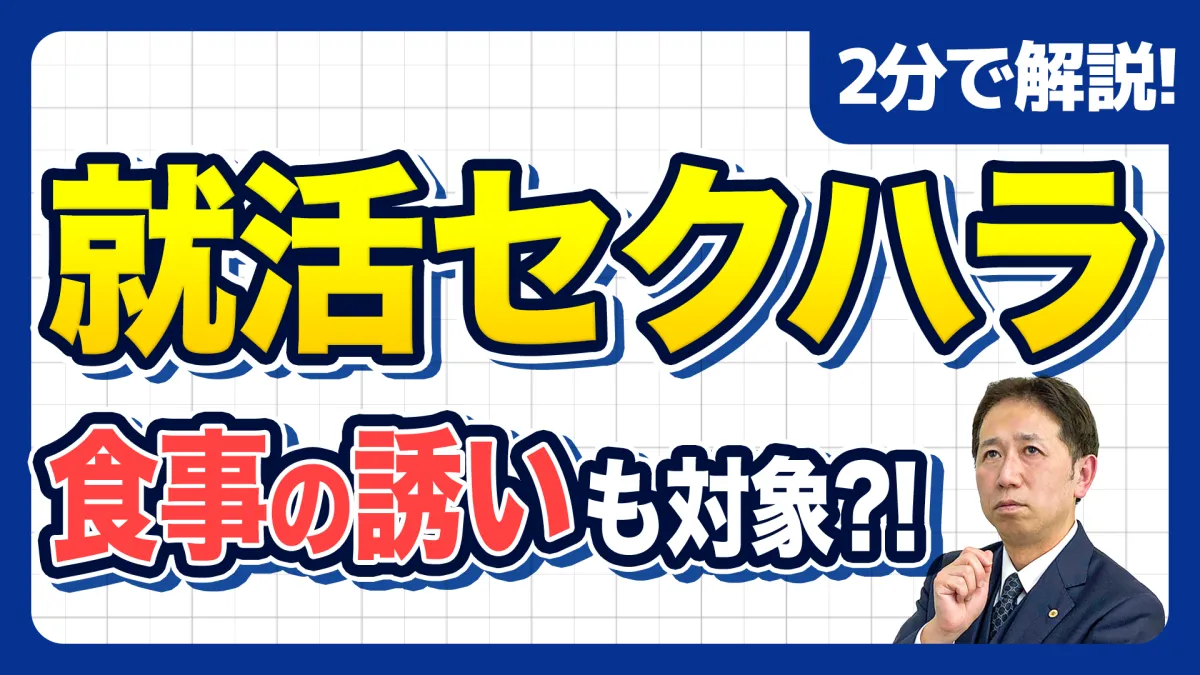
Understanding the Risks of Sexual Harassment During Internships: A Need for Clear Guidelines
Understanding the Risks of Sexual Harassment in Internships
The landscape of workplace interactions, especially for interns, is under increased scrutiny as organizations strive to create safer environments. Recently, the Claire Human Resources Development Association has shed light on the specific guidelines outlining prohibited behavior regarding sexual harassment during job searches and internships. A critical highlight of these guidelines is the emphasis on the types of behaviors that constitute harassment, particularly concerning private dining invitations.
In the updated guidelines, the organization details several types of prohibited conduct, including inappropriate physical contact during job briefings and sexual jokes or teasing during internships. It is vital to note that interns spend extended periods at workplaces, which can lead to a blending of professional and personal boundaries. This proximity can significantly increase risks related to harassment.
The Dangers of Inviting Interns to Private Meals
One of the most pressing issues highlighted is the repeated invitations extended to interns for private meals or drinks. While a single invitation may seem innocuous, persistently inviting an intern, especially after they have declined, falls within the ambit of unacceptable behavior. Such actions can create uncomfortable situations and foster an environment where harassment may occur.
To mitigate these risks, companies must effectively communicate clear boundaries to their employees regarding interactions with interns. Ensuring that everyone understands the line between professional and personal interactions is critical. The risk escalates when invitations become persistent - it can pressure interns into uncomfortable social situations or lead to misinterpretations of intentions.
Key Takeaways from the Seminar
A webinar hosted by the Claire Human Resources Development Association offers in-depth insights into these guidelines and more:
- - Specific NG Behaviors: The newly established guidelines outline what constitutes sexual harassment during the job application process. Understanding these specificities can help both employers and interns navigate potentially hazardous scenarios more effectively.
- - The Hazards of Inviting Interns to Drinks/Dinners: Why does something as benign as a meal pose a danger? This question will be thoroughly examined, with examples illustrating the blurred lines between friendly gestures and harassment.
- - What Defines the Edge of Acceptable Behavior: With the rise of remote work and altered social norms, the delineation of acceptable and unacceptable behavior has grown murkier. Therefore, identifying where to draw the line is paramount.
- - The Risks of Persistent Invitations: Analysis of the repercussions stemming from repeated invitations, especially when declined, will help ensure that both employers and interns maintain professional boundaries.
Expert Insights
Among those leading this initiative is Jun Ono, a recognized labor and social insurance attorney, boasting extensive experience in conducting seminars focusing on preventing harassment in professional settings. His practical approach emphasizes translating legal principles into actionable workplace practices.
The Claire Human Resources Development Association was established in 2023 to advance knowledge about labor, employment, and harassment prevention training. The organization has successfully credentialed over 750 ‘Employment Clean Planners’ who are now proactive in various sectors including corporate, government, and educational institutions.
For anyone interested in comprehensive guidance on these pressing issues, the association has made summary videos available and is hosting a Q&A session on May 29, 2026. Media representatives are encouraged to engage with experts who can shed light on this critical topic, addressing any specific questions they may have about the new guidelines.
In conclusion, maintaining a clear understanding of acceptable behaviors during internships could significantly contribute to a healthier work environment and protect interns from potential harassment.
Topics Policy & Public Interest)

【About Using Articles】
You can freely use the title and article content by linking to the page where the article is posted.
※ Images cannot be used.
【About Links】
Links are free to use.