



Survey Reveals Pregnant Women Encounter Frustration and Anxiety Regarding Dietary Choices
Understanding Dietary Anxiety During Pregnancy
A recent survey conducted by Asken, a leading AI dietary management app with over 14 million users, has spotlighted a significant concern among pregnant women regarding their dietary choices. The survey, which involved 1,001 expectant mothers, revealed that more than 40% expressed feelings of anxiety when it came to their diet during pregnancy. This article explores the findings of this survey and the implications for the well-being of mothers and their unborn children.
Key Findings to Note
The survey uncovered several revealing insights:
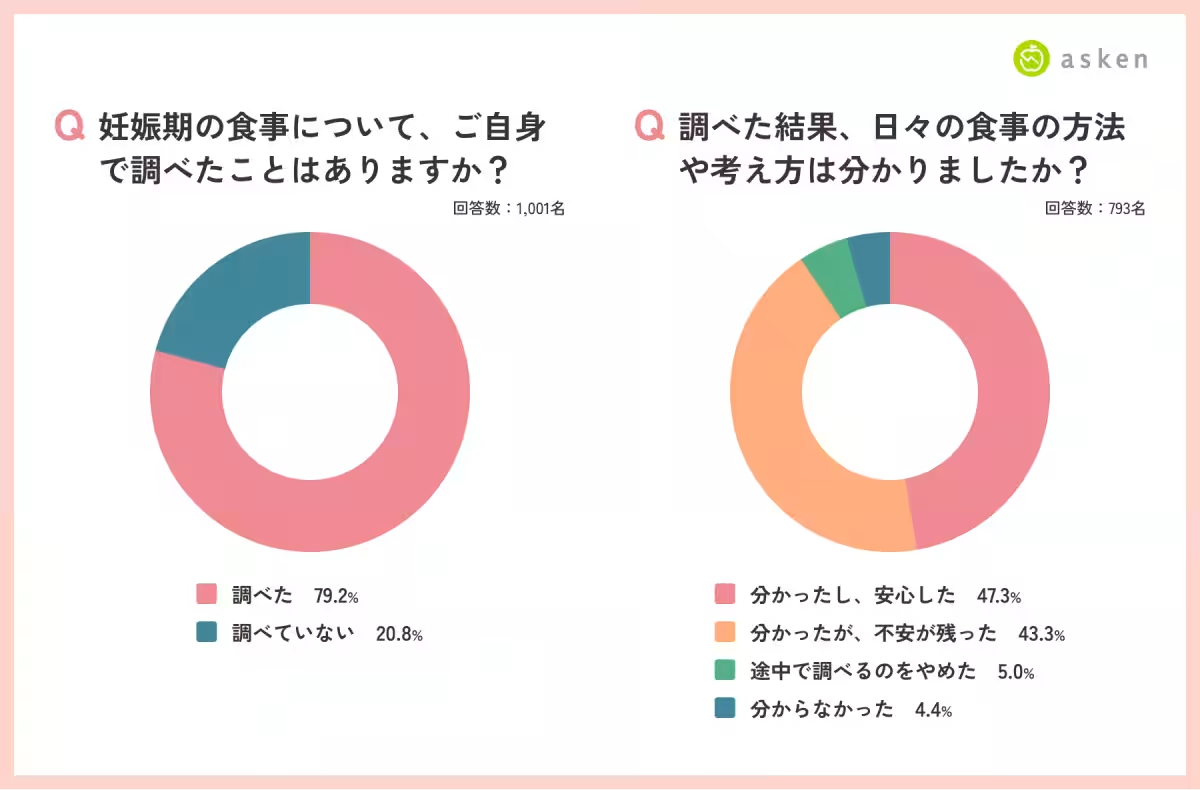
- - Nearly 80% of expecting mothers actively seek information about their dietary needs during pregnancy.
- - However, almost half (47.3%) of these women reported feeling reassured after their research, while a concerning 43.3% admitted to lingering anxiety despite having obtained information.
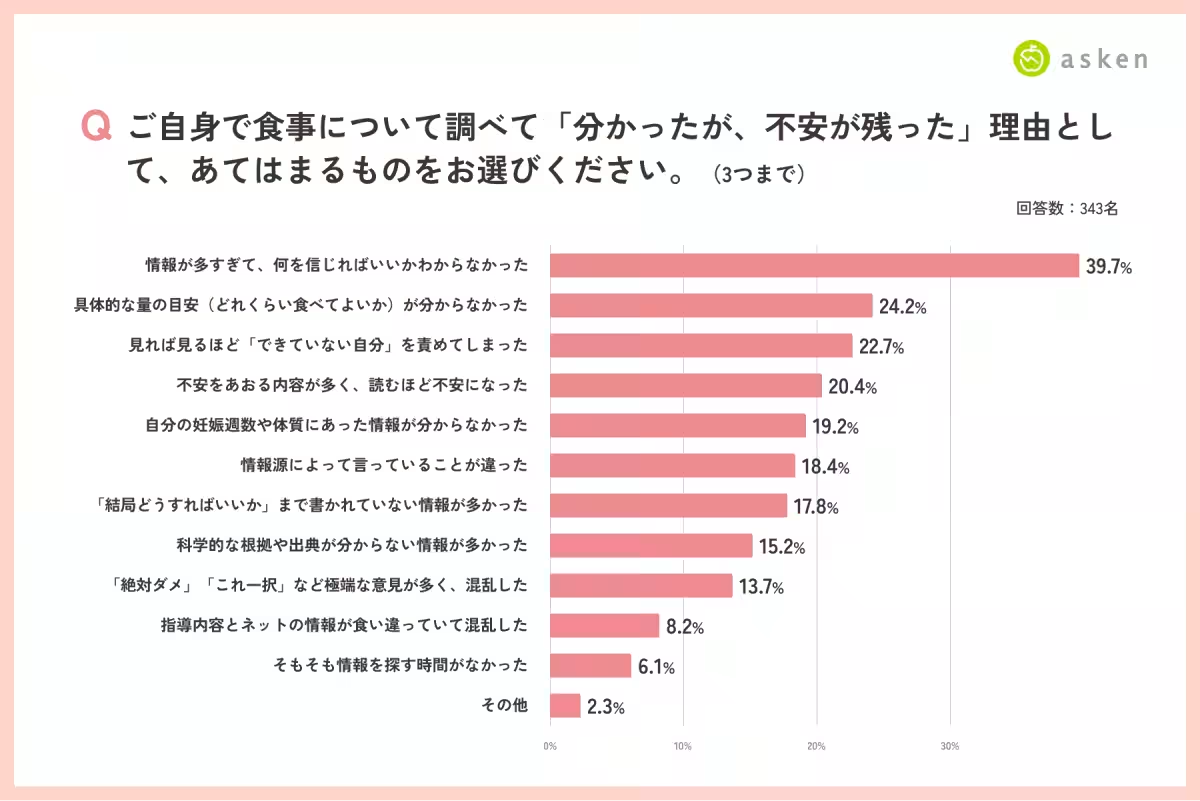
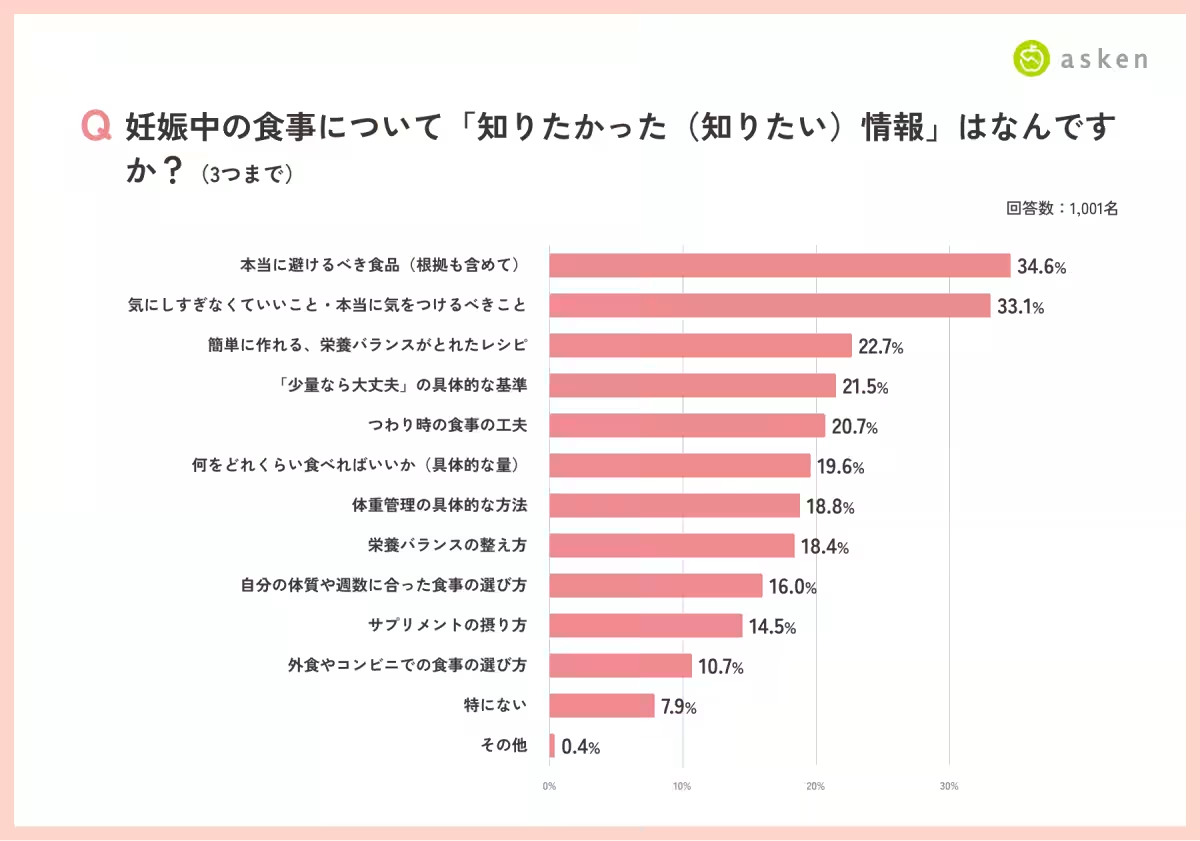
- - The overwhelming nature of information available stands as a significant barrier, with many mothers unsure of what to trust. Approximately 39.7% stated they were confused due to the sheer volume of information.
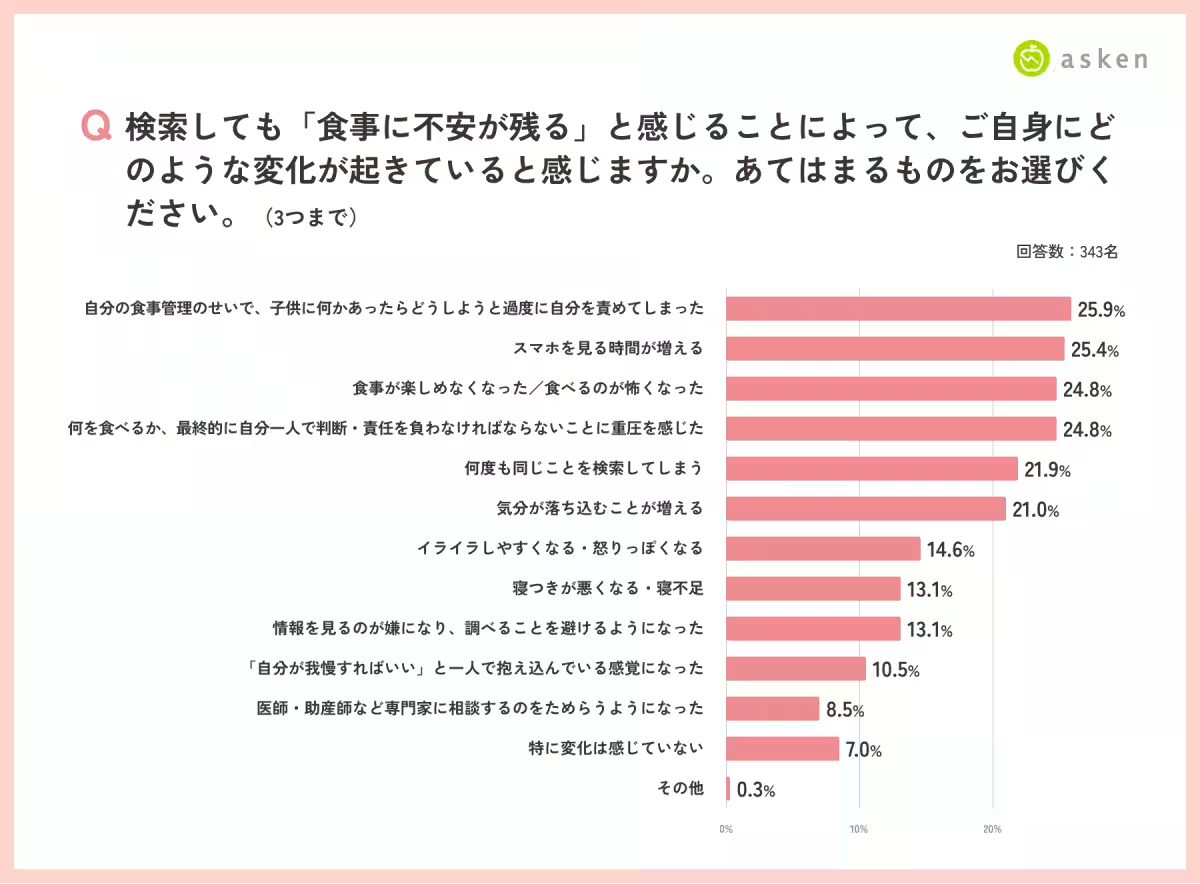
The emotional strain of self-determining dietary choices was underlined, with about 1 in 4 mothers reporting that they felt afraid to eat, blamed themselves for missteps, and experienced pressure from the responsibility of making the right choices alone.
The Challenge of Managing Nutrition
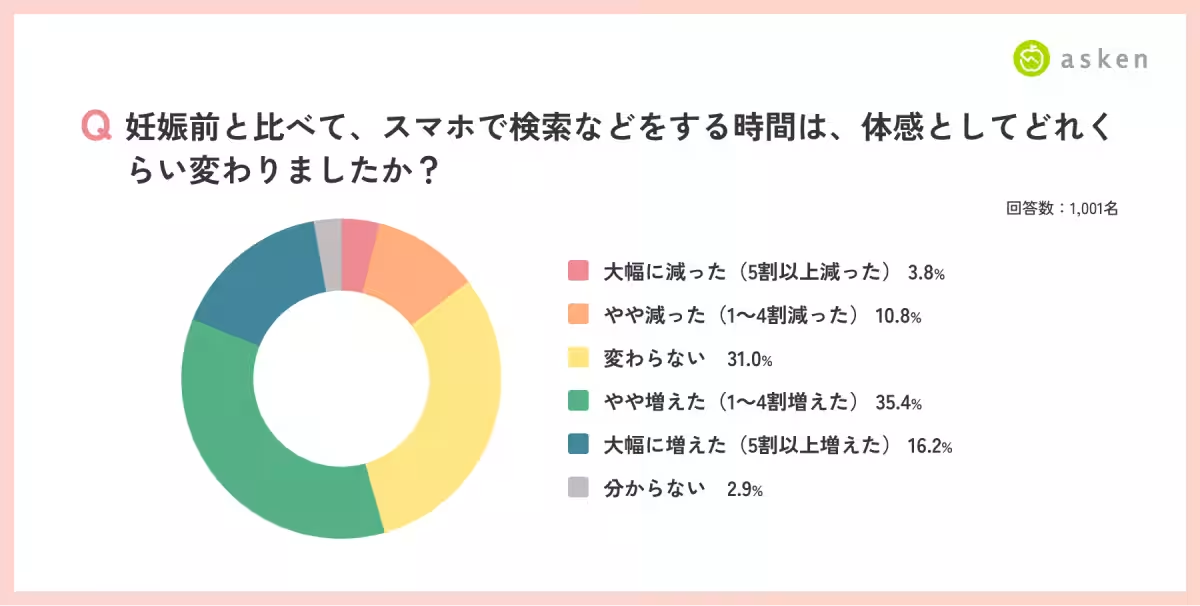
During pregnancy, women are faced with the dual challenge of managing their weight and ensuring proper nutrition for both themselves and their unborn child. Information on pregnancy nutrition is more accessible than ever due to social media and online resources, but this accessibility also comes with its own set of challenges.
Many mothers find themselves questioning what constitutes a balanced diet. In efforts to align their eating habits with what they believe to be necessary for their baby's health, they are often exposed to conflicting messages, leading to confusion and stress. It’s a common experience that the act of searching for dietary guidance can inadvertently heighten anxiety levels rather than alleviate them.
The Overhanging Burden of Decision-Making
The stress of making dietary decisions is compounded by the expectation that mothers take full responsibility for their choices, a phenomenon known as 'solo judgment'. This responsibility can create an overwhelming sense of pressure, leading to psychological distress. Women expressed feelings of self-blame, fear of eating, and negating their enjoyment of food as common responses to their dietary management dilemmas.
Analyzing Resource Consumption
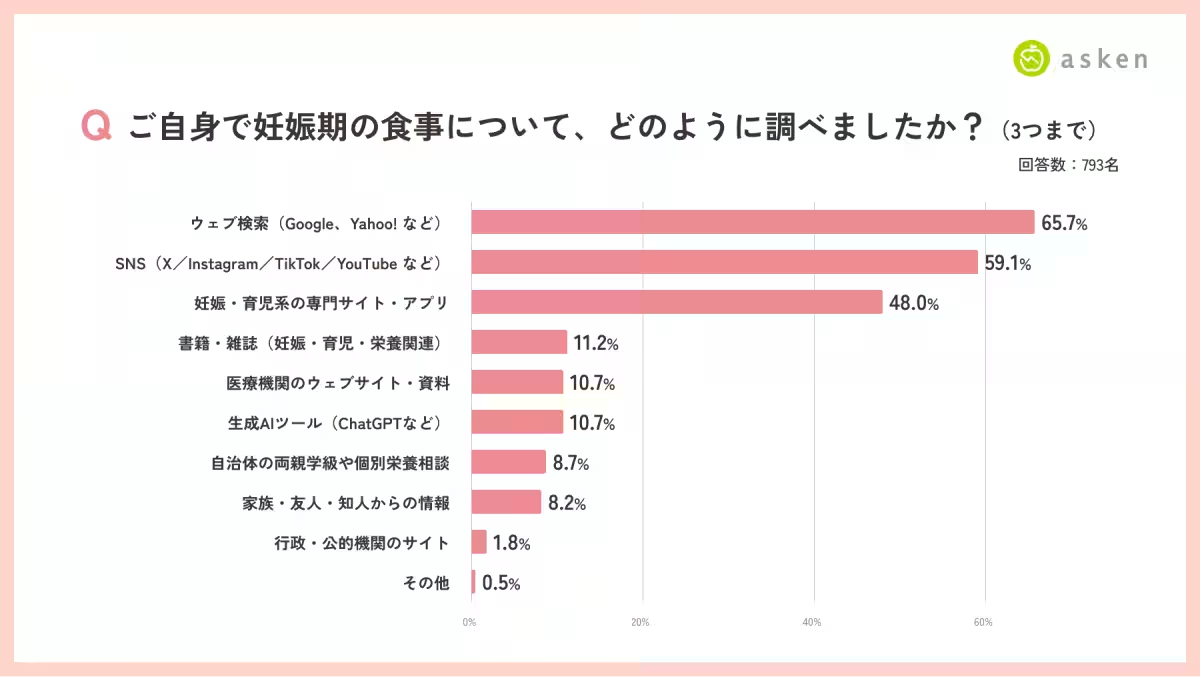
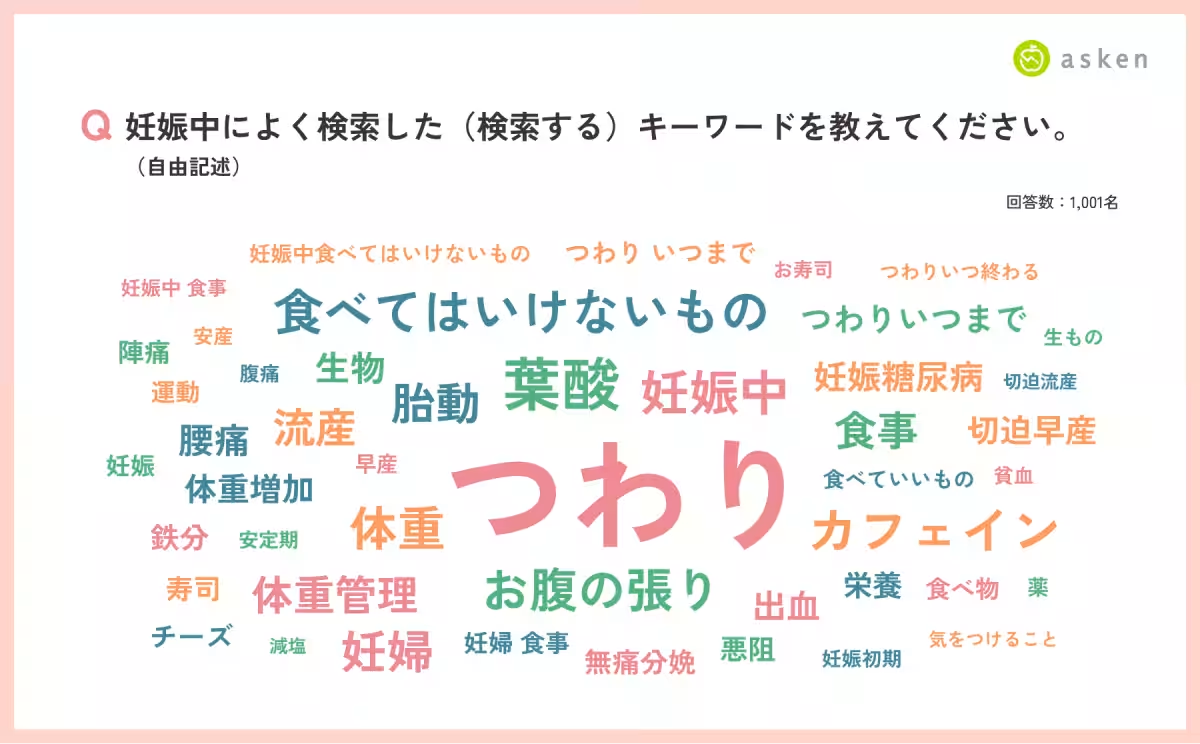
The survey also shed light on where these mothers turn for dietary information. The primary sources include online searches (65.7%), social media such as Instagram and TikTok (59.1%), and specialized pregnancy-related websites (48.0%). This pattern suggests that while information is readily available, the lack of standardized dietary guidelines leaves many mothers to navigate this complex landscape alone.
The Role of Professional Guidance
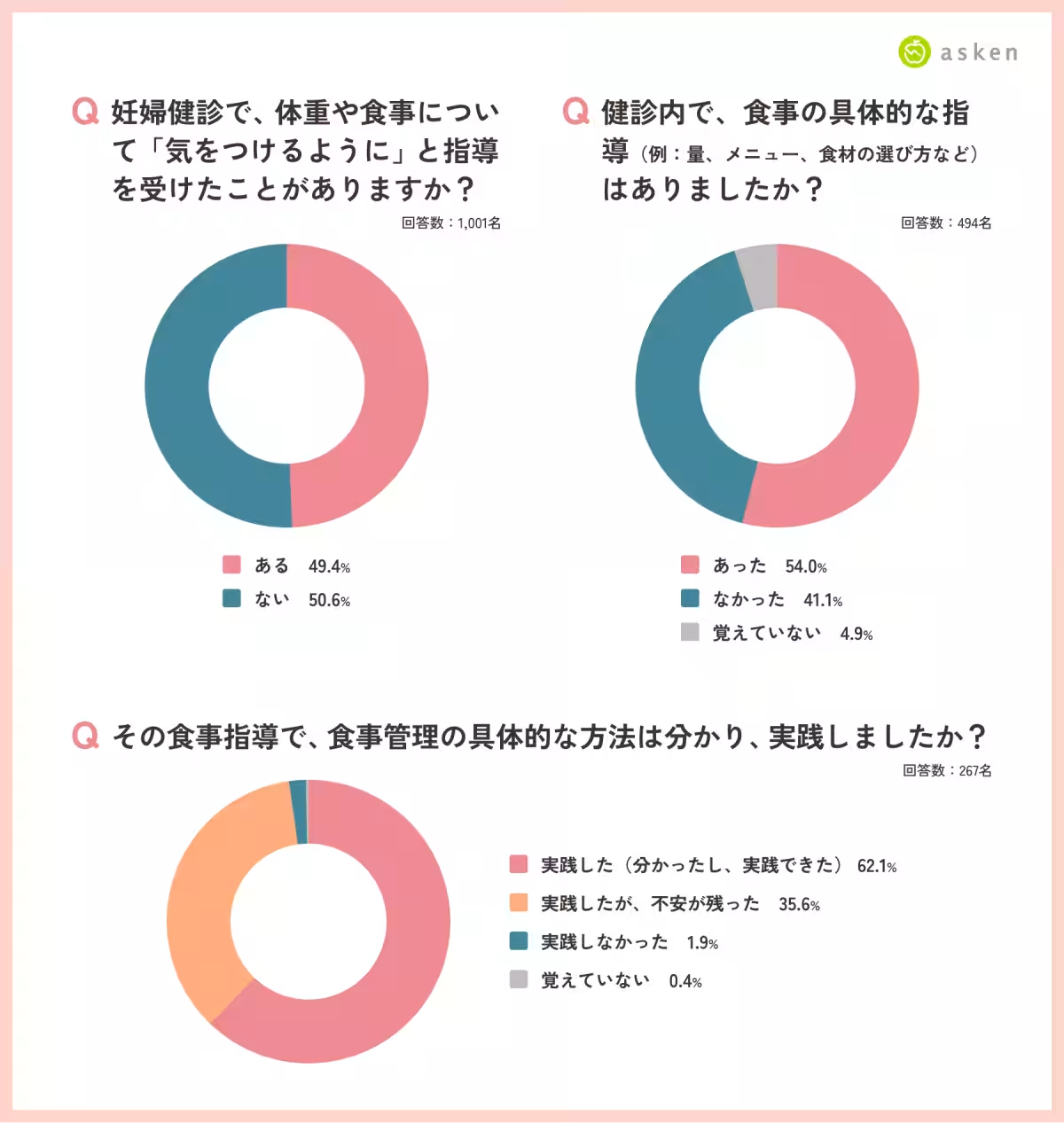
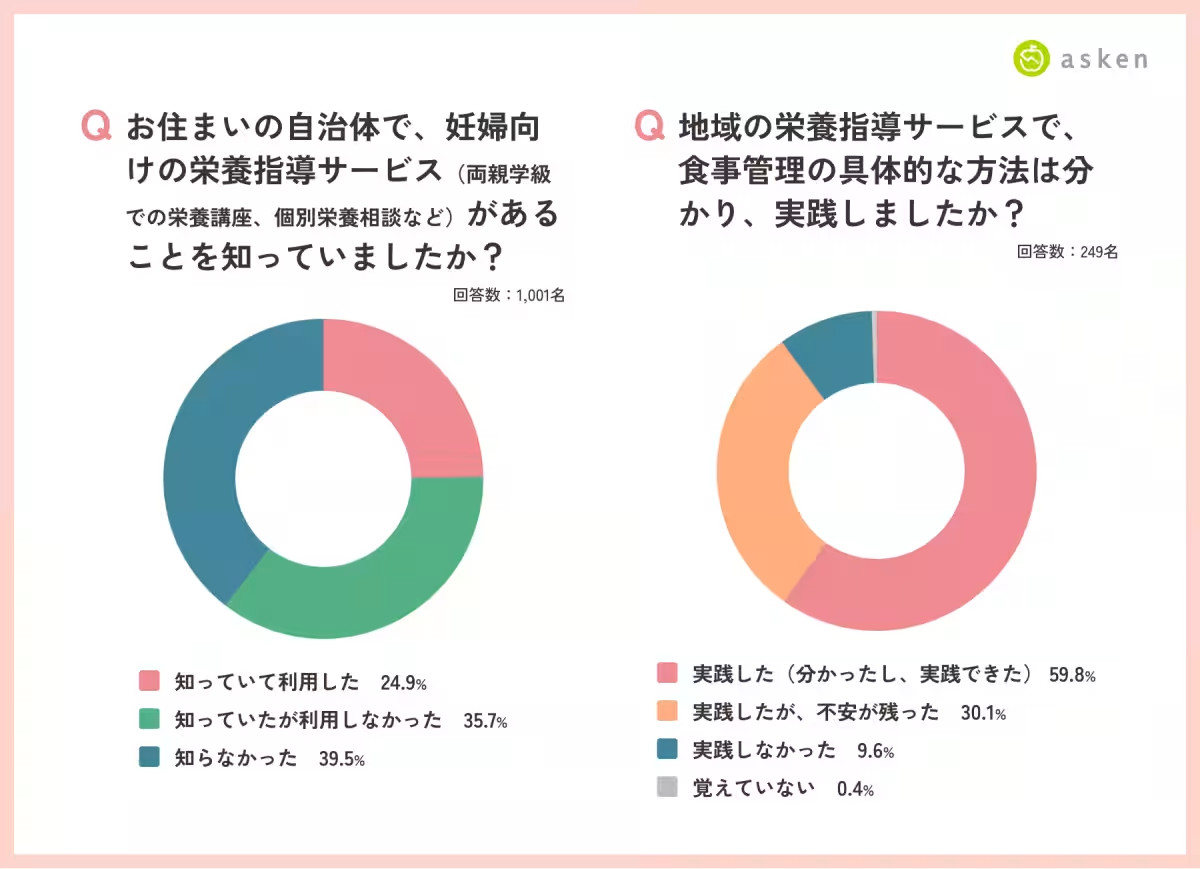
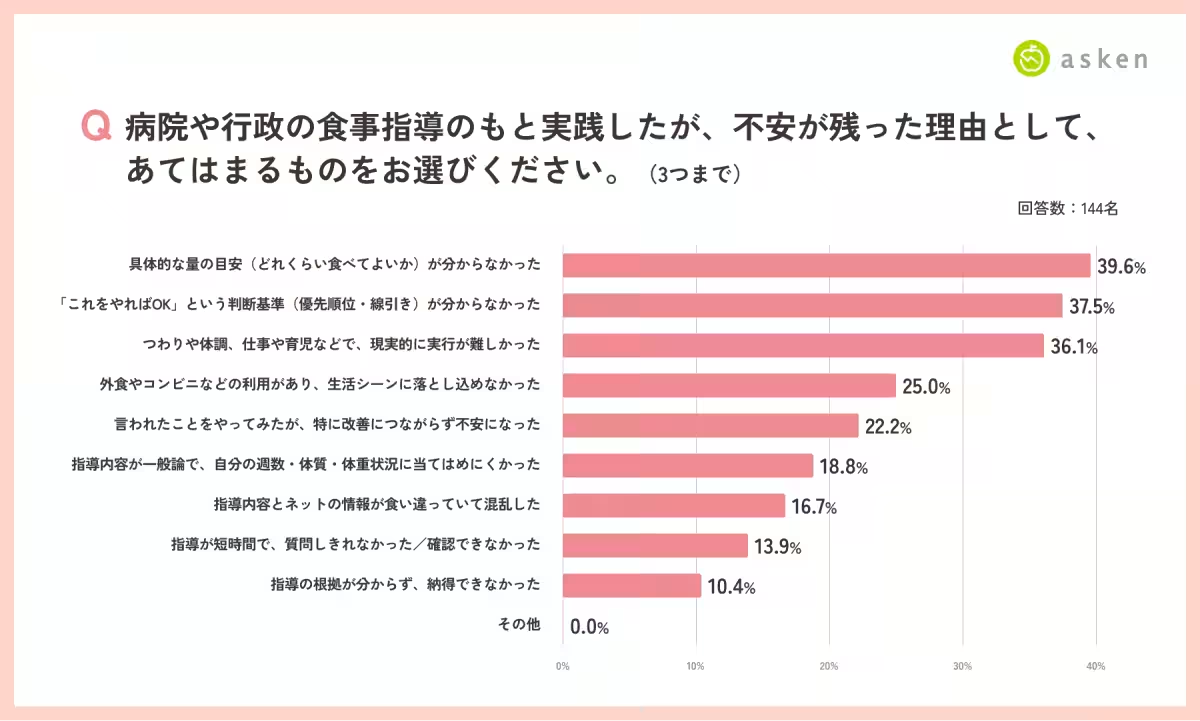
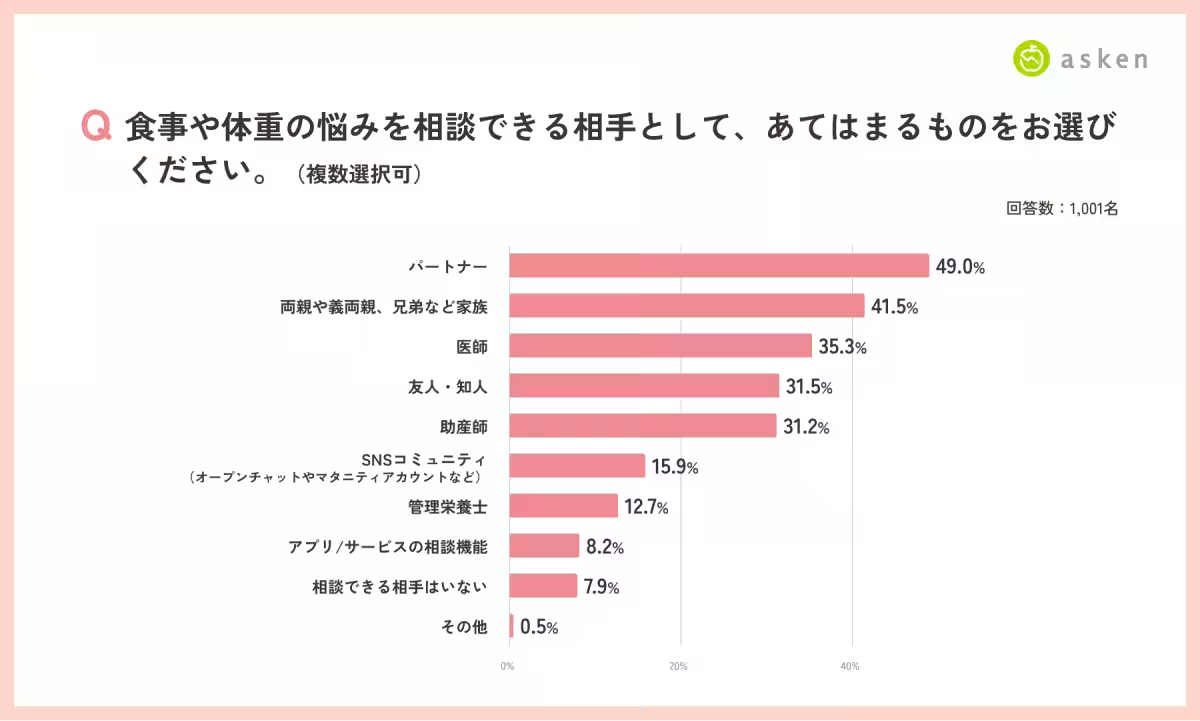
Professional guidance remains crucial for expectant mothers. While distressing scenarios often arise, many women do appreciate the help they get through healthcare providers. The survey found a notable segment (more than half) who felt they understood dietary recommendations after receiving nutritional advice during healthcare appointments. However, a discomforting 35.6% still found themselves with unresolved anxiety regarding their food choices.
The key takeaway here is the need for practical dietary guidance tailored to individual needs. Expectant mothers require not only education on dietary choices but also actionable recommendations they can implement in daily life.
Moving Forward: Making Dietary Choices Less Daunting
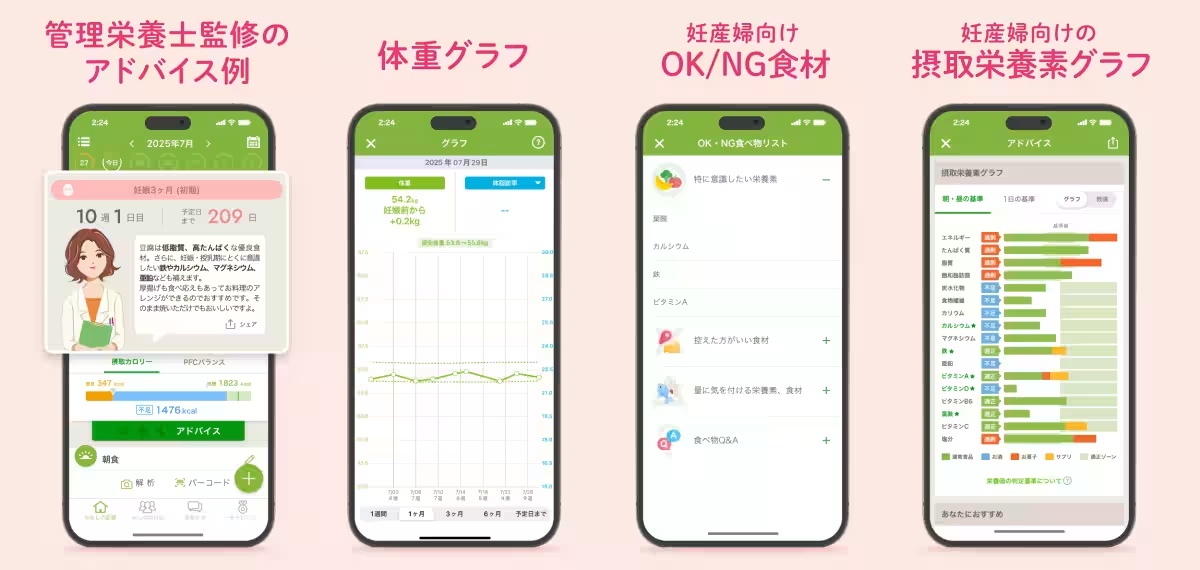
In light of the survey findings, organizations like Asken are striving to create solutions that alleviate this anxiety and support mothers in making informed dietary choices. The suggestion is to integrate the principles of nutritional science with personalized monitoring solutions, such as tracking one’s dietary intake and receiving tailored advice from qualified nutritionists.
Pregnancy should not be a period filled with dietary doubt and anxiety but one that embraces supportive and informed decision-making. With the right tools and resources, expectant mothers can transition from anxiety-riddled meal discussions to a journey that fosters both health and enjoyment in their dietary practices.
Conclusion
The emotional and psychological impacts of dietary decisions during pregnancy are profound. This survey reflects the need for a multifaceted approach in addressing the concerns of expectant mothers, emphasizing the importance of accessible, clear, and supportive dietary information. The path to a healthy pregnancy is a shared journey between healthcare providers, expectant mothers, and supportive dietary management applications like Asken, ensuring that every mother feels empowered and informed in her choices.


Topics Health)

【About Using Articles】
You can freely use the title and article content by linking to the page where the article is posted.
※ Images cannot be used.
【About Links】
Links are free to use.