



Kanro Incorporates Ultra-Lightweight Flexible Solar Modules for Green Energy Solutions
Advancing Renewable Energy: Kanro's Innovative Solar Initiative
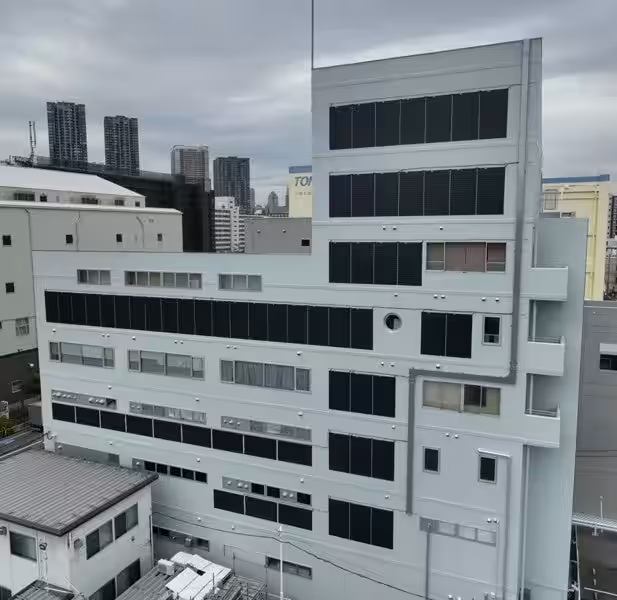
Kanro Co., Ltd. has taken a significant step towards environmental sustainability by integrating ultra-lightweight and flexible solar modules into its R&D facility located in Toyosu, Tokyo. This move is part of the Cool-Net Tokyo initiative by the Tokyo government, aimed at promoting local renewable energy usage. Kanro has successfully leveraged subsidies to bring the project to fruition, showcasing a commitment to reducing its carbon footprint while enhancing energy efficiency.
Project Overview and Objectives
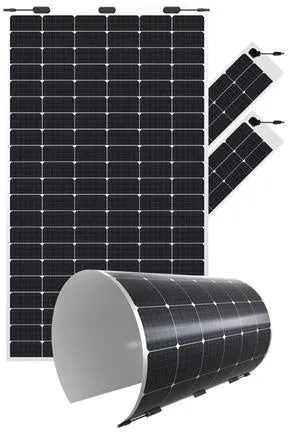
The new solar power system at Kanro's Toyosu R&D Lab employs the cutting-edge "Flexible Solar G+" technology provided by Denko Co., Ltd. This system is tailored for self-consumption and aims to substantially reduce greenhouse gas emissions. By effectively generating renewable energy that powers the lab's operations, Kanro estimates a reduction of approximately 6.24 tons of CO₂ emissions annually. This system is expected to supply around 5.4% of the site’s energy needs, underlining its contribution to environmental sustainability.
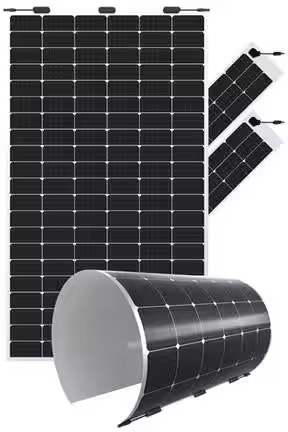
The installation features a total capacity of 22.20kW, powered by 60 solar modules and complemented by three 14.85kW power conditioners. The lightweight nature of these solar panels (about a quarter of traditional ones in terms of weight per area) allows for installation on various structures, including those with weight limitations, such as slanted roofs or walls. Additionally, the panels are designed to minimize glare, thus respecting the surrounding environment and reducing light pollution concerns.
Key Benefits of the Installation
1. Self-Supply: The solar system will fulfill 5.4% of the laboratory’s energy requirements through renewable sources.
2. CO₂ Reduction: The facility is projected to cut greenhouse gas emissions by 6.24 tons in the initial servicing year.
3. Resilience: The solar power system enhances the laboratory's operational resilience, allowing it to self-generate electricity during emergencies.
Funding and Collaboration
The total investment for this innovative renewable energy project is approximately ¥8.5 million, with the Tokyo government providing ¥2.1 million in subsidies. The collaborative efforts between Kanro, Denko Co., and Sumitomo Mitsui Banking Corp. have made this integration of solar technology possible, offering a beacon of hope for other businesses looking to contribute to a sustainable future.
Commitment to Sustainability
Kanro's initiative aligns with its broader commitment towards environmental stewardship. The company aims to champion sustainable practices by optimizing temperature controls within its facilities to conserve energy. It has committed to transitioning to CO₂-free electricity sources as part of a comprehensive energy-saving initiative.
The overarching purpose of Kanro's efforts, encapsulated in their corporate slogan 'Sweeten the Future', emphasizes a commitment to reducing environmental impact through improved business practices while contributing to solving societal challenges. With ambitious targets set for 2030 and beyond, Kanro is poised to achieve significant reductions in its overall emissions, aspiring for carbon neutrality by 2050.
Kanro continues to pave the way for a sustainable society by enhancing corporate value through social responsibility efforts, reflecting a long-term vision for a greener future.
Conclusion
In conclusion, Kanro’s investment in advanced solar technology illustrates a proactive approach towards achieving sustainability. As the world moves towards greener energy solutions, such initiatives represent an essential part of the transition towards a carbon-neutral future. By integrating innovative solutions like the Flexible Solar G+ technology, companies can make tangible contributions to reducing environmental degradation and supporting local energy initiatives.
Topics Energy)
【About Using Articles】
You can freely use the title and article content by linking to the page where the article is posted.
※ Images cannot be used.
【About Links】
Links are free to use.