



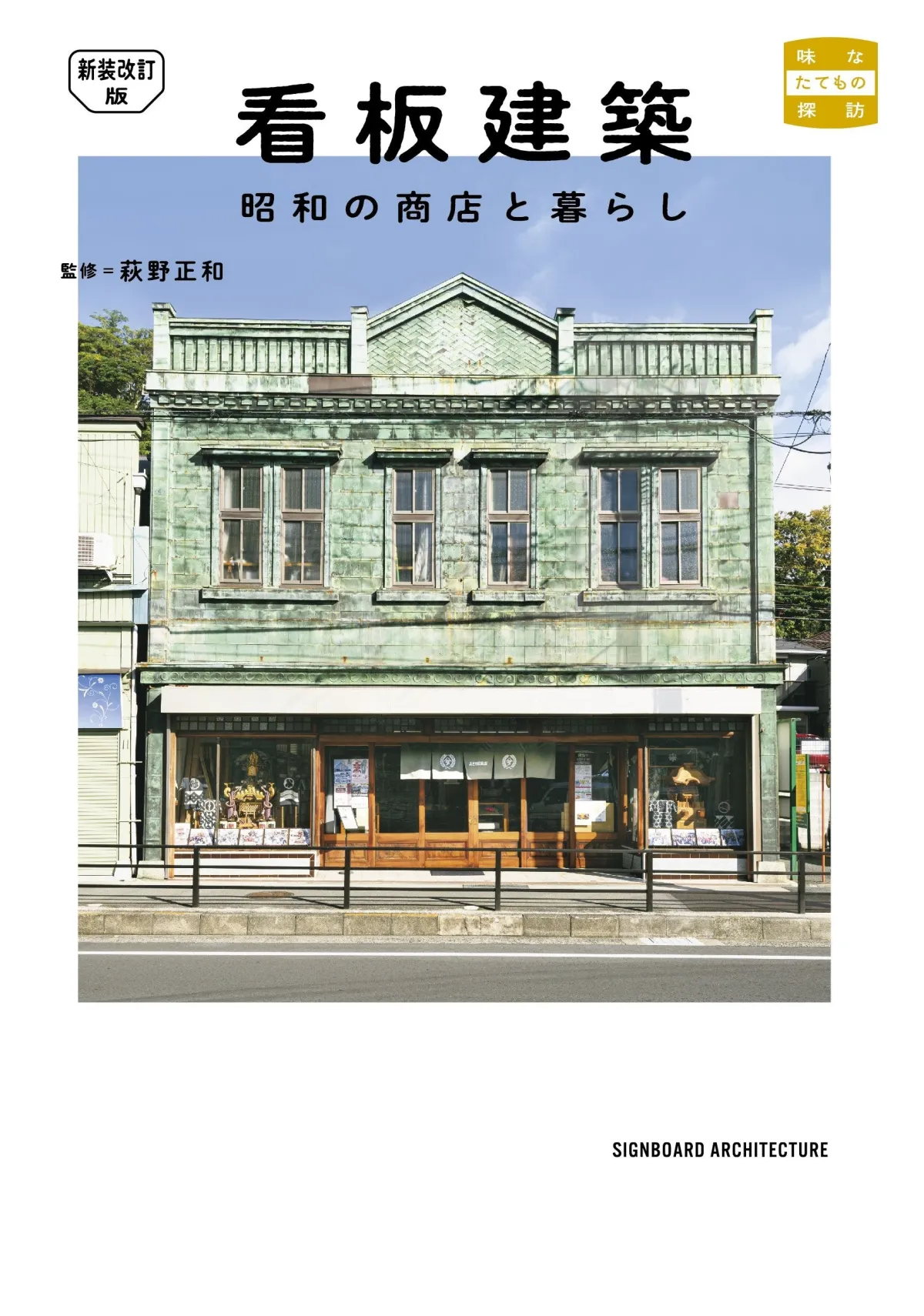
Explore Nostalgic Showa Era Signboard Architecture in New Book Release
A Visual Exploration of Showa Era Signboard Architecture
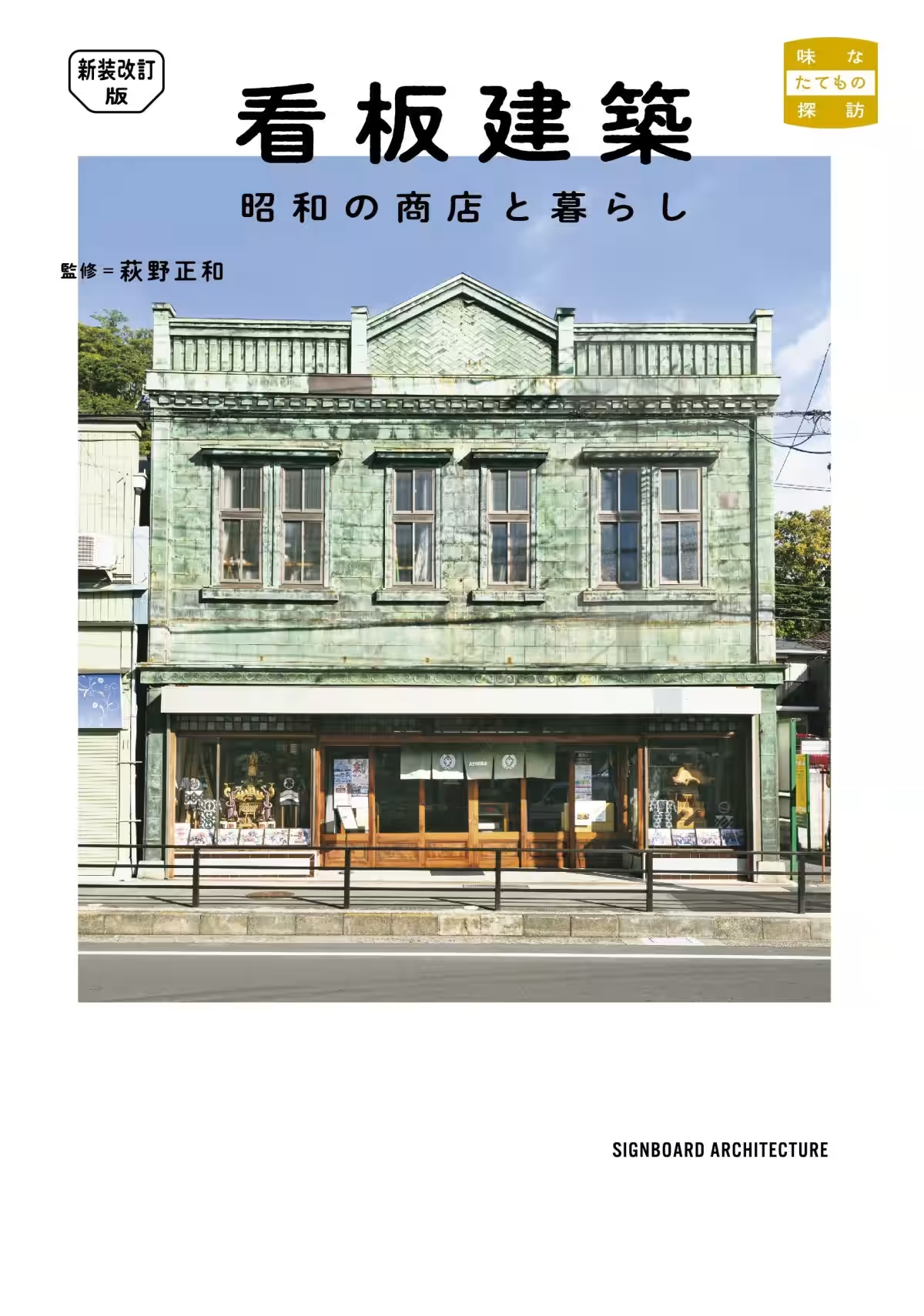
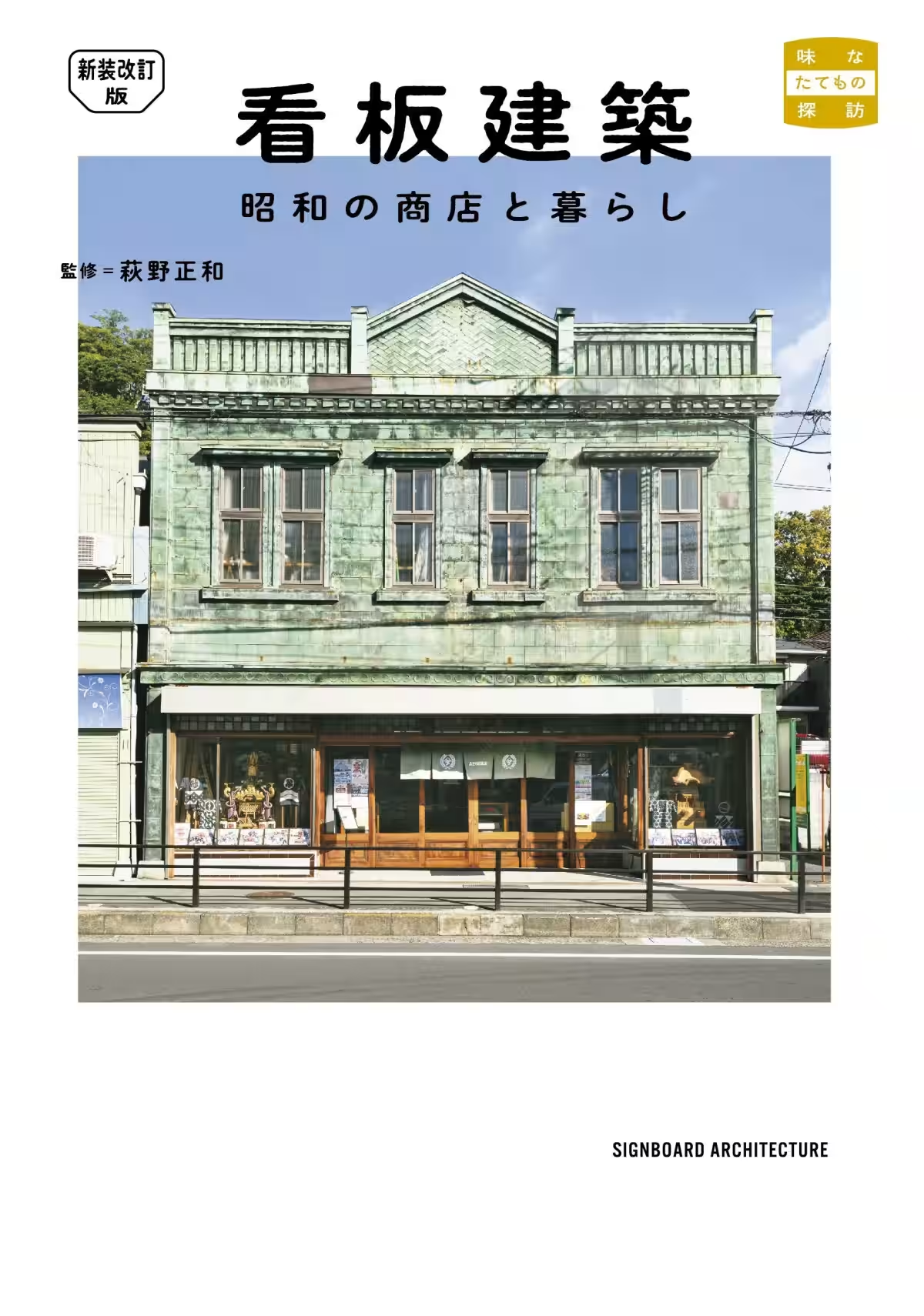
On December 26, 2025, T-Wavergins Co., Ltd. based in Chiyoda, Tokyo, will launch the new revised edition of "Nostalgic Signboard Architecture: Shops and Life in the Showa Era." This latest entry in the
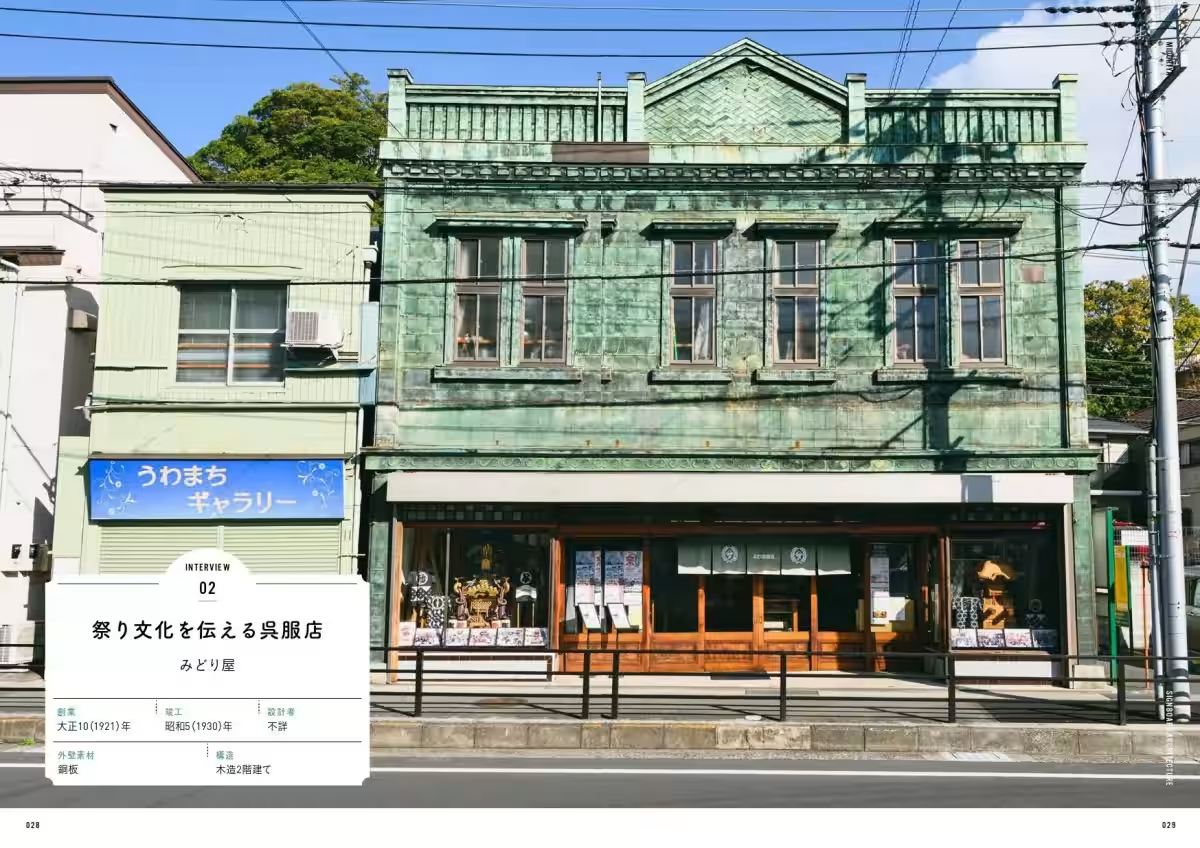
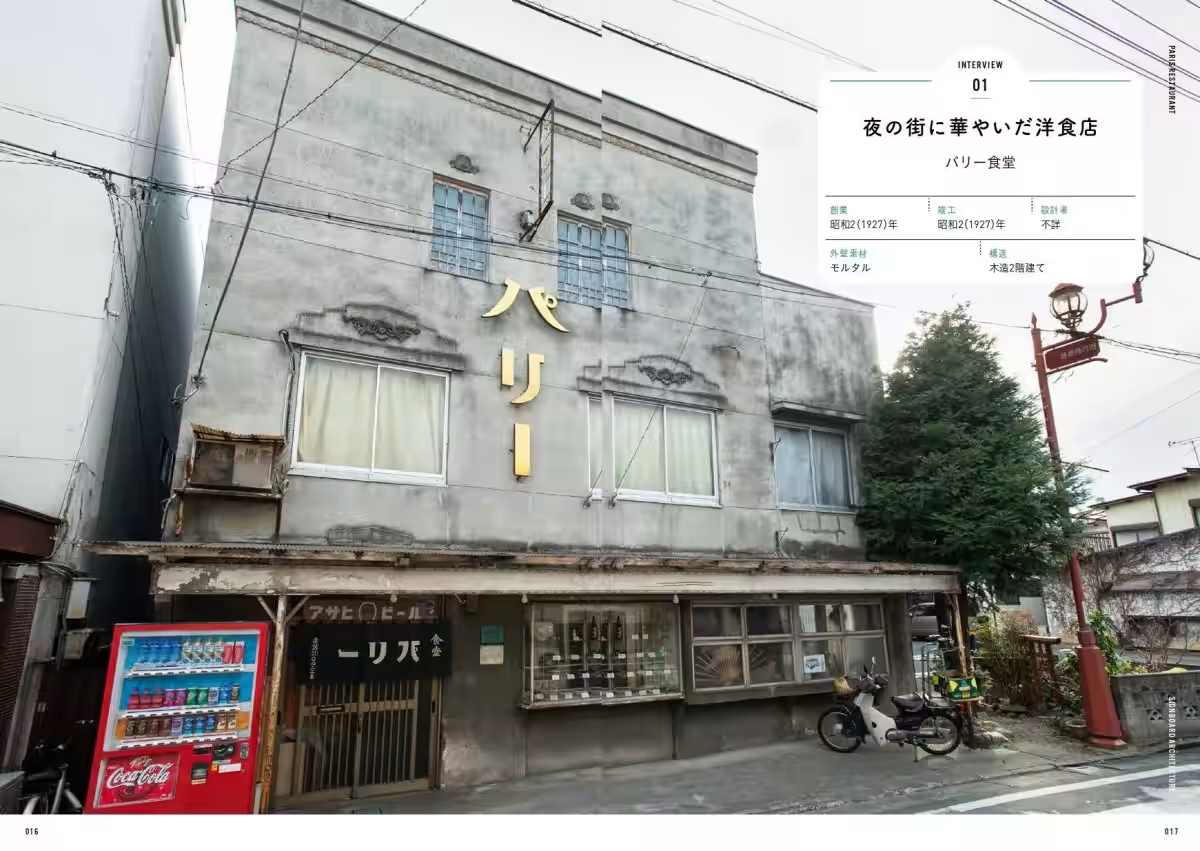
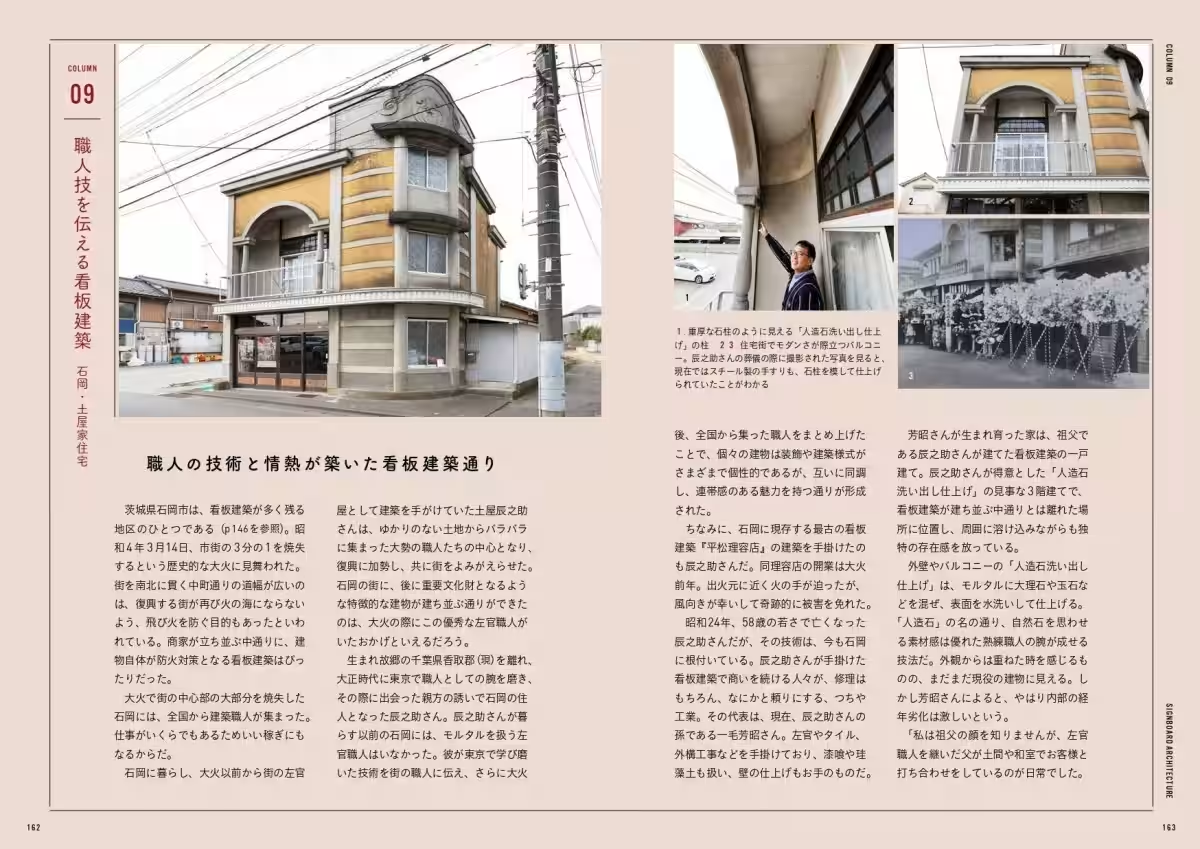
The book is an updated version of the title initially released in 2019, which has seen multiple reprints. It will include fresh interviews and insights into iconic signboard structures, such as the Minidori-ya in Yokosuka and the renowned signboard architecture cluster in Ishioka. Additionally, it revisits the popular dining spot, Pari Shokudo in Chichibu, which gained attention through crowdfunding.
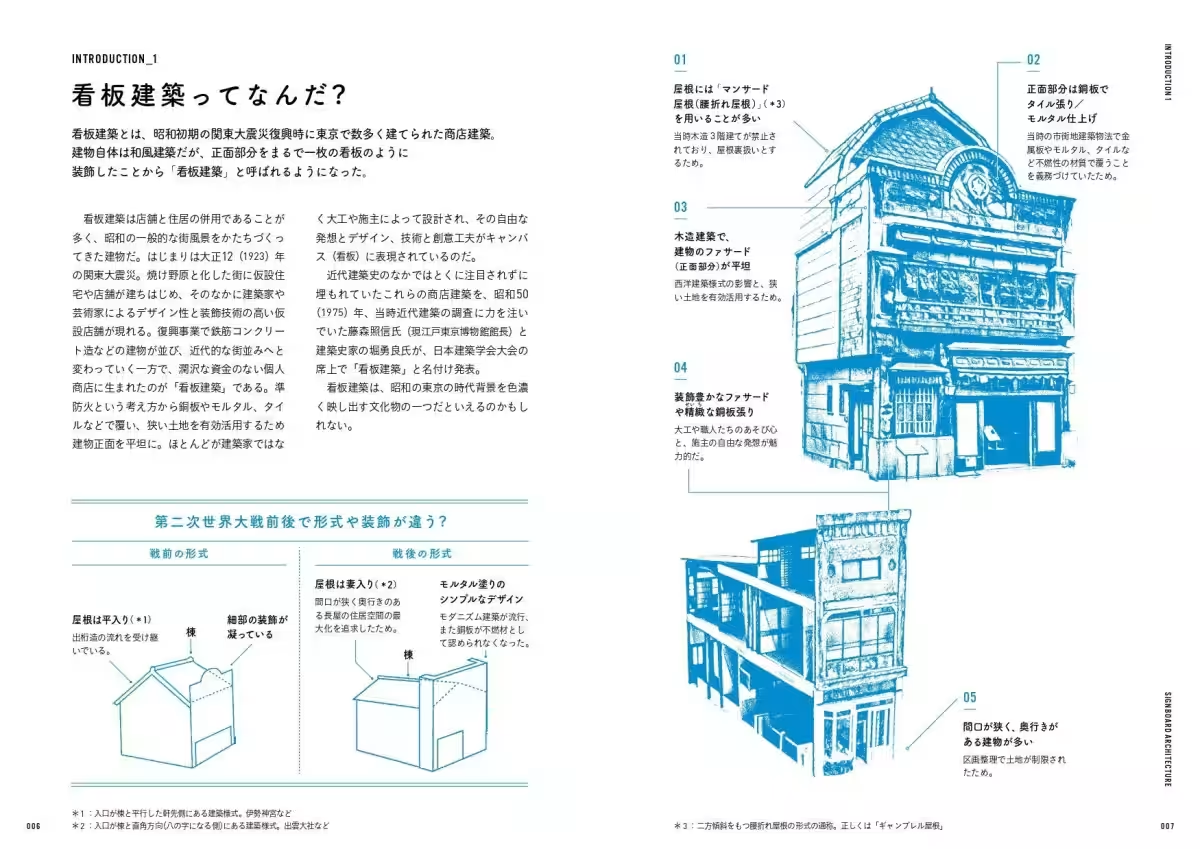
What is Signboard Architecture?
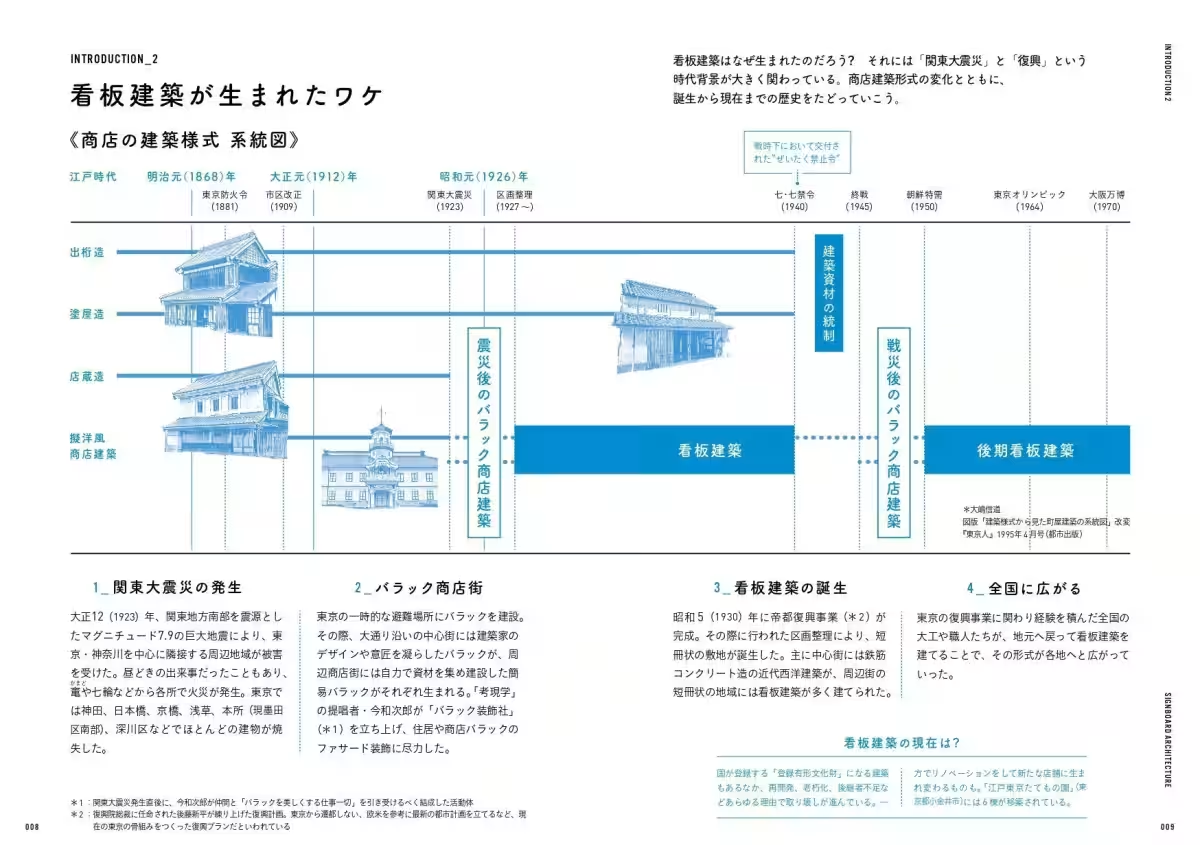
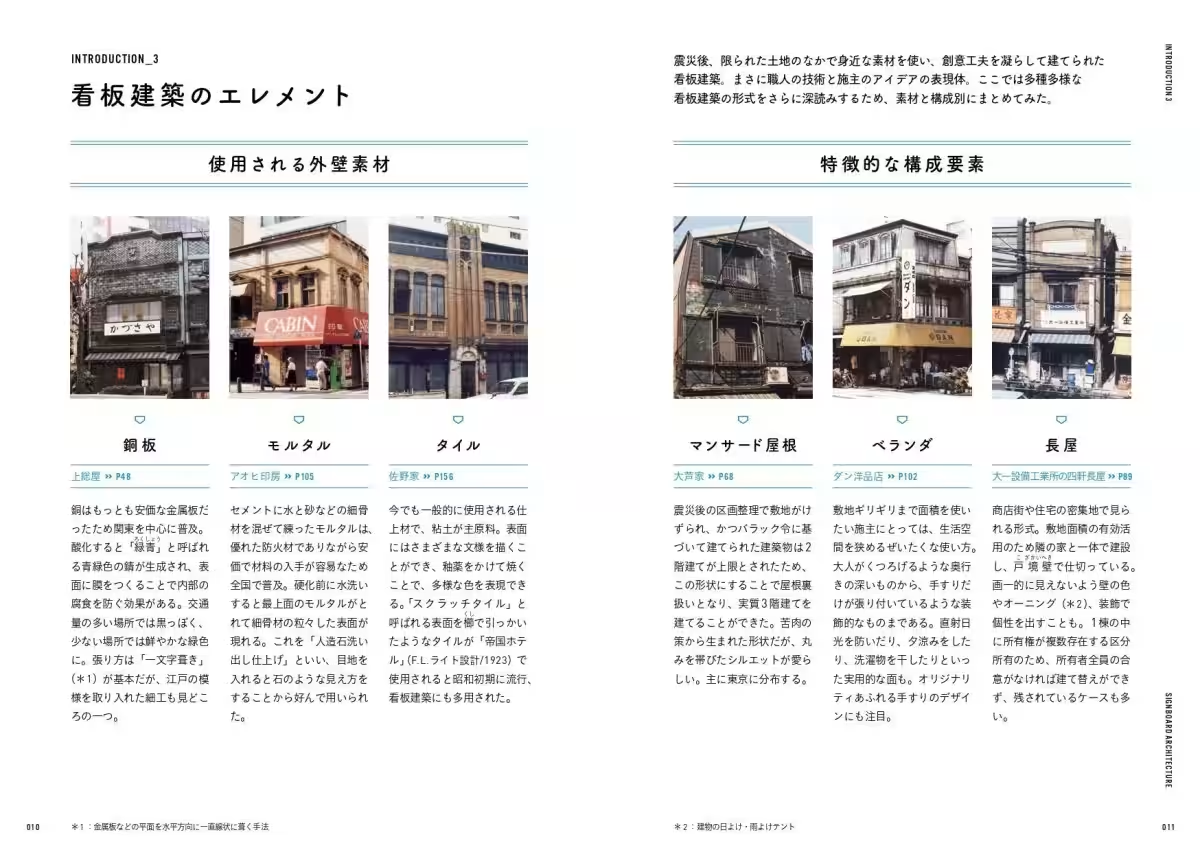
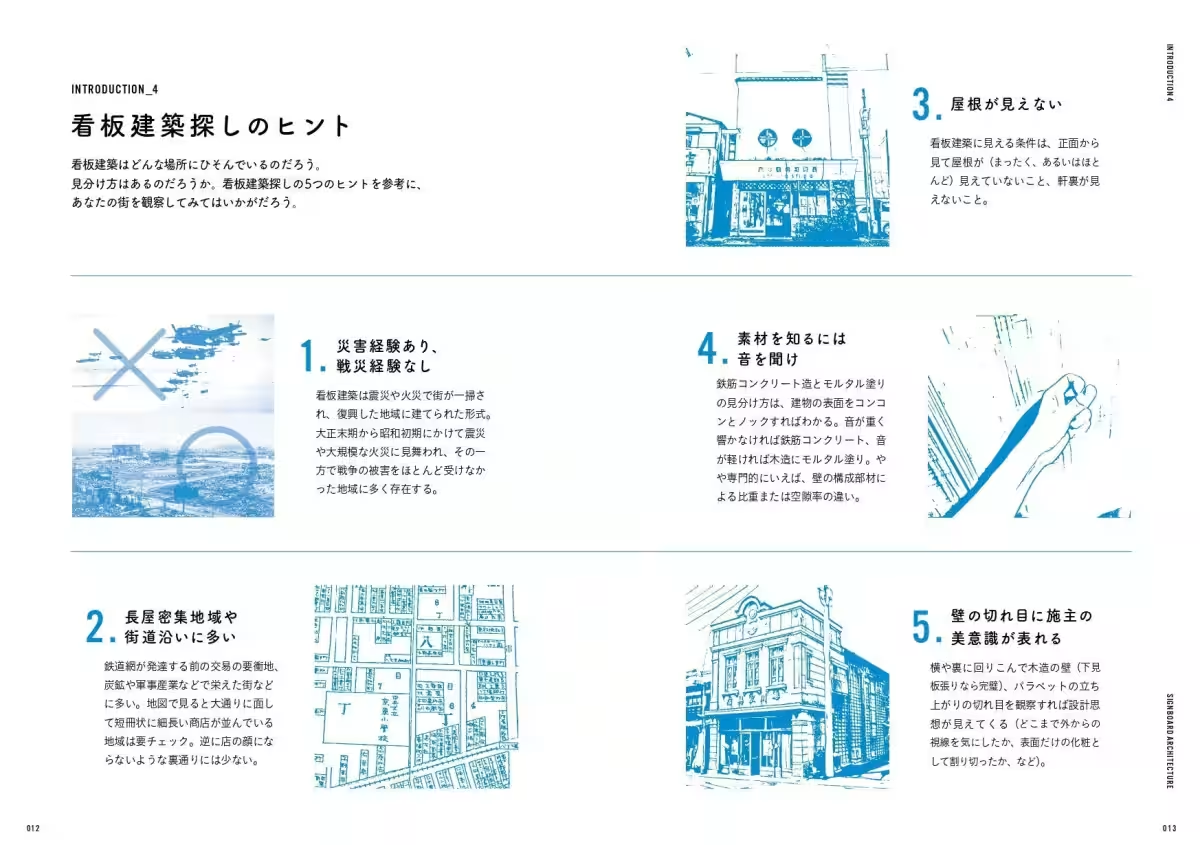
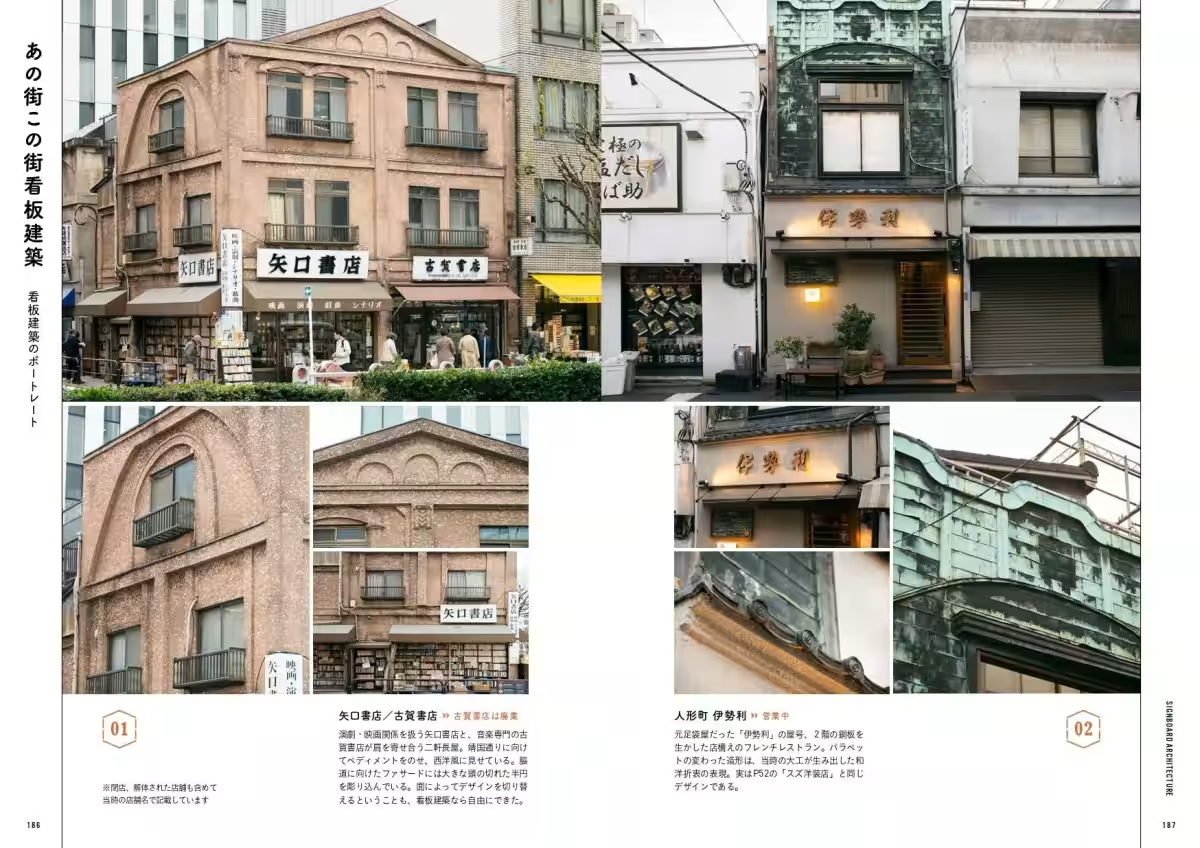
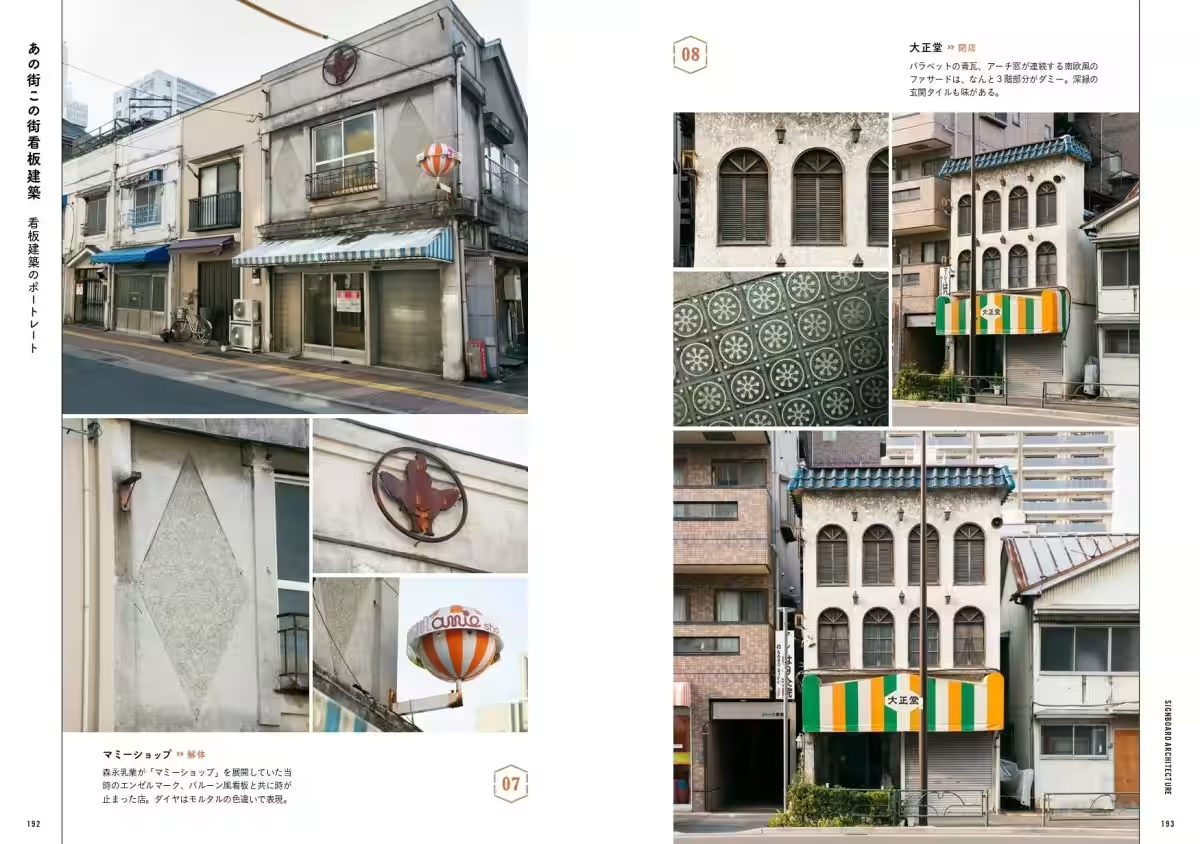
This architectural style, coined by renowned architect Terunobu Fujimori, combines shops and residences in a unique form. Commonly built during the post-Great Kanto Earthquake reconstruction period, these wooden buildings that are typically two to three stories high have their facades covered and adorned with fire-resistant materials like copper plates, mortar, and tiles.
Fujimori himself has endorsed the book that showcases the evolution of signboard architecture, highlighting its historical and cultural significance. As stated by Fujimori, the streets of downtown Tokyo were once lined with unique shops, from stationery stores and florists to grocery stores and milk halls, creating a vibrant commercial atmosphere that has largely disappeared in modern times. This book is a treasure trove of memories from a world that today’s urban dwellers should remember.
Content Overview
The book features interviews with the proprietors of eleven signboard architecture shops, primarily in the Kanto area. These interviews reveal the intertwined lives of the shop owners and their communities, offering insight into the rich tapestry of daily life that thrived around these unique structures. Readers will engage with the personal stories and historical context behind this architectural form.
Interview Highlights:
1. Pari Shokudo - A lively Western-style restaurant (Chichibu)
2. Minidori-ya - A kimono shop that preserves festival culture (Yokosuka)
3. Edo-ya - A traditional brush shop supporting cutting-edge technology (Nihonbashi)
4. Ippuji - A dishware shop expanding from Tsukiji to the world (Tsukiji)
5. Mansetei - A beloved coffee shop frequented by University of Tokyo students (Closed)
6. Okamasa - A clothing supply store supporting tailors (Kanda)
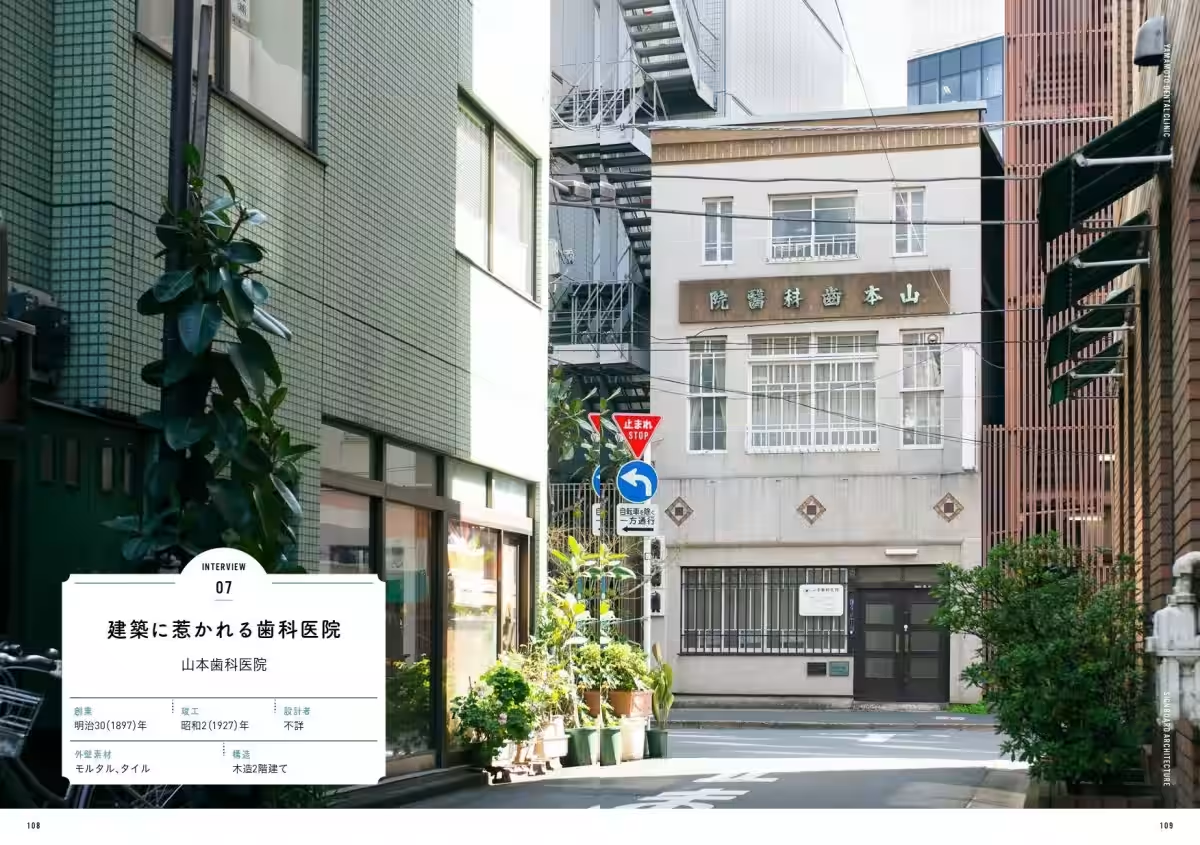
7. Yamamoto Dental Clinic - A dentist’s office drawn to architecture (Kanda)
8. Tokuya-ken - A barbershop you want to visit (Nishi-Tama)
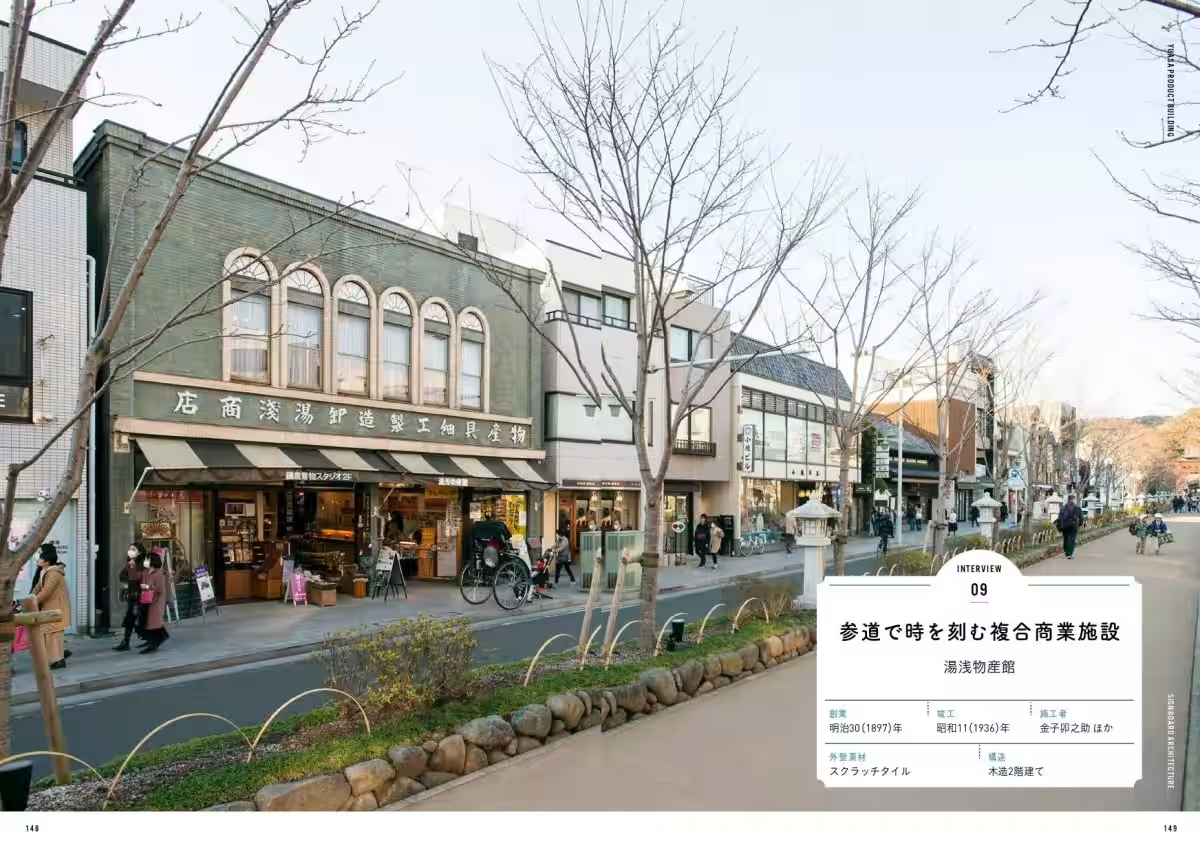
9. Yuasa Bussankan - A complex commercial facility marking time along the pilgrimage path (Kamakura)
10. Hoshino Photo Studio - A photo studio bathed in natural light by the sea (Kamakura)
11. Takara-yu - A local bathhouse that relaxes both body and mind (Chichibu)
Archival Photographs of Nostalgic Signboard Architecture
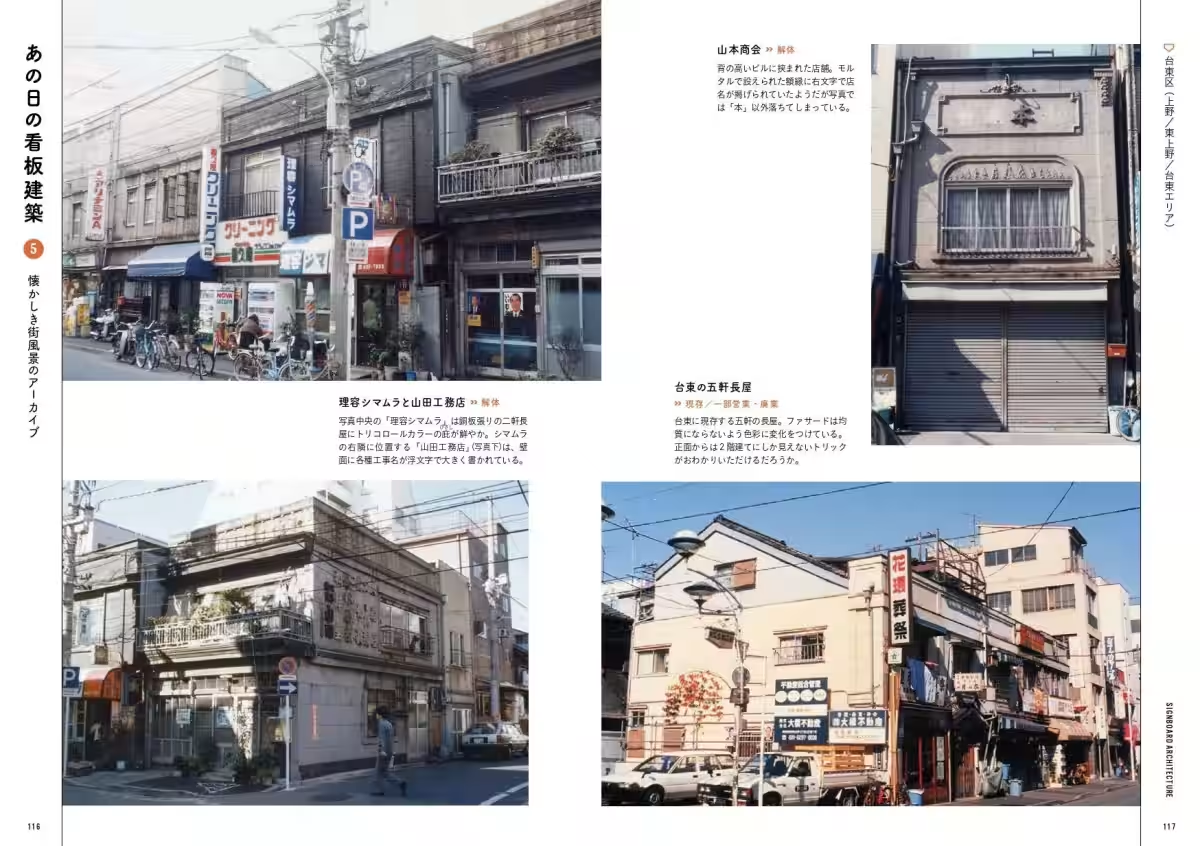
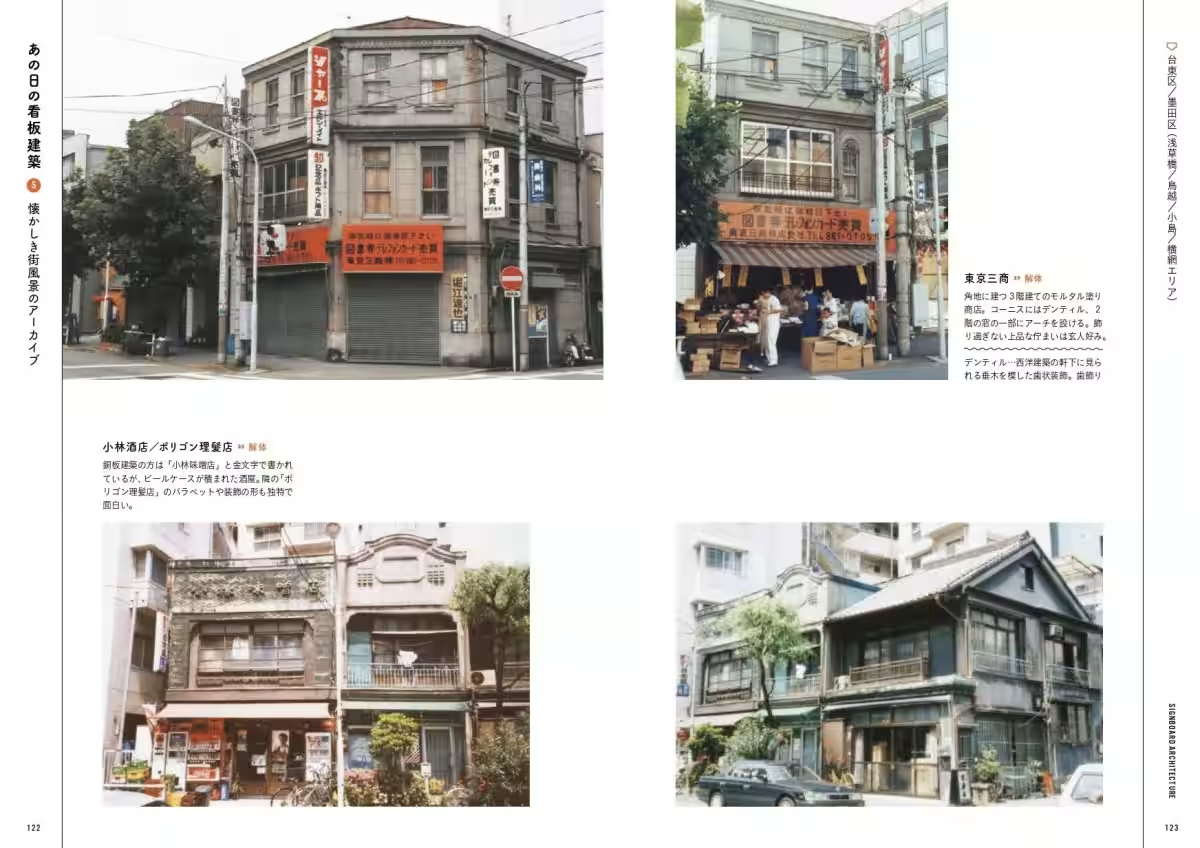
The book also includes an archive featuring photographs of both surviving and demolished signboard architecture, offering a nostalgic glance into Showa-era lifestyles. It contains a comprehensive list of structures that still stand today.
Features of the Photo Archive:
1. Chuo Ward (Nihonbashi area)
2. Chuo Ward (Ginza/Tsukiji area)
3. Bunkyo Ward (Nezu/Hongo area)
4. Chiyoda Ward (Kanda area)
5. Taito Ward (Ueno area)
6. Festivals and Signboard Architecture in Tokyo
7. Other regions (Minato, Kamakura, Odawara)
Enriching Columns on Signboard Architecture
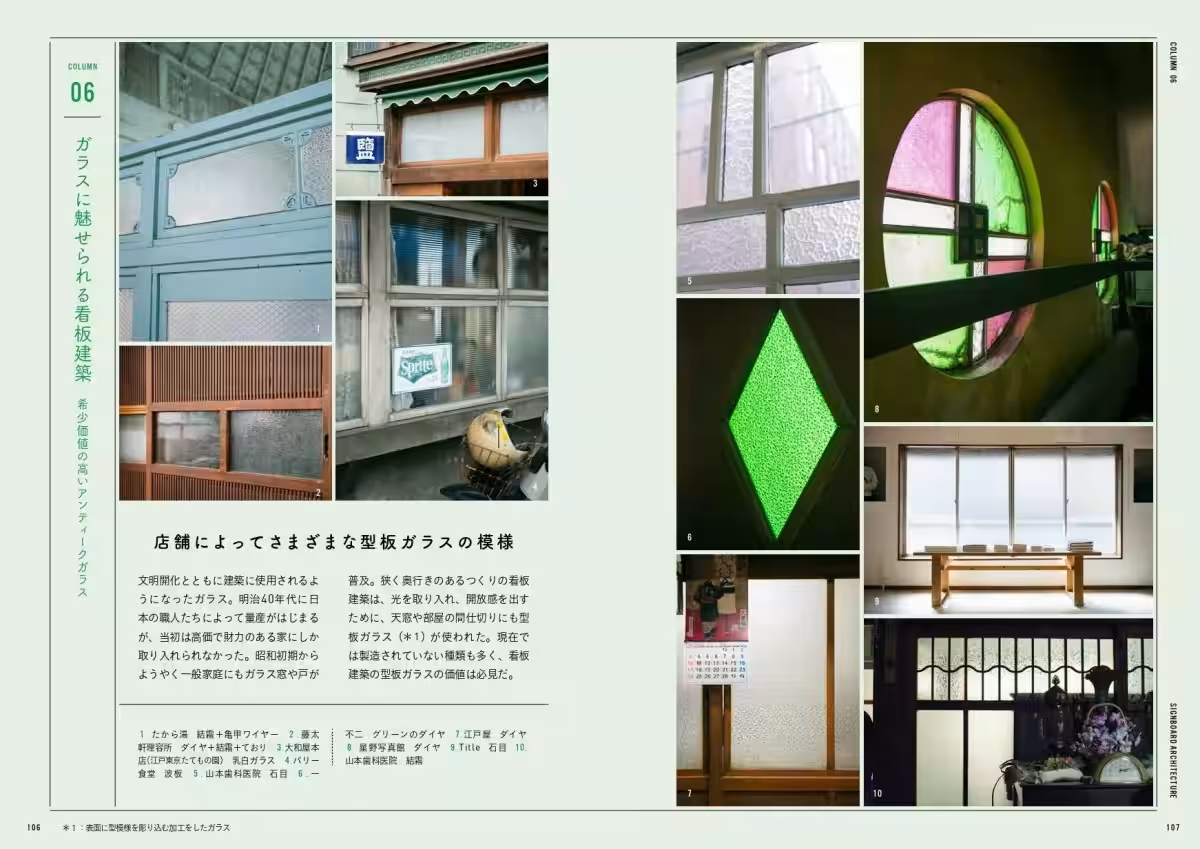
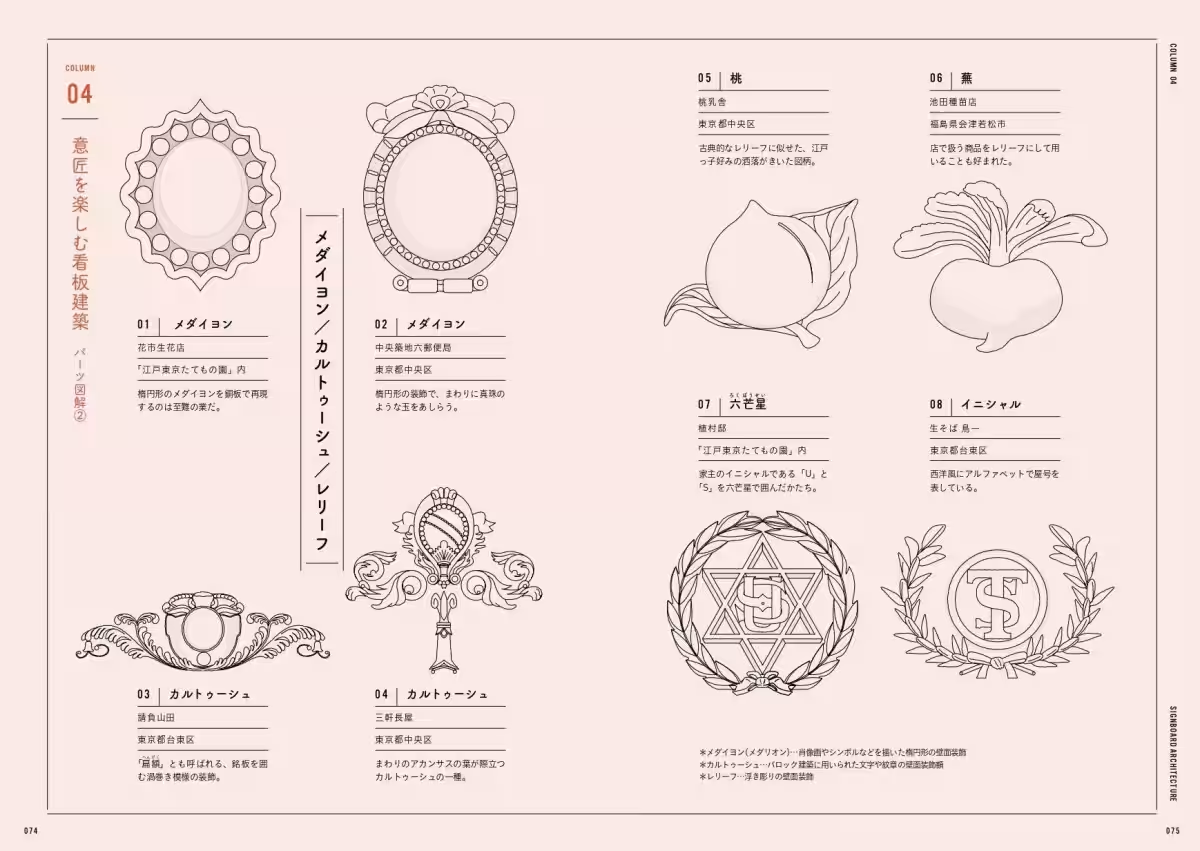
Through columns, the book explores the decorations and history of signboard architecture, shedding light on this once-common building style that now stands as a cultural asset in Tokyo. Today, few examples remain, but they serve as a glimpse into a communal past, highlighting architectural components, antique glass, and artisanship that contribute to their historical value.
Column Highlights:
- - The delectable cuisine of signboard establishments
- - Collecting shop names from signboard architecture
- - Enjoying the design elements of signboard architecture (illustrated)
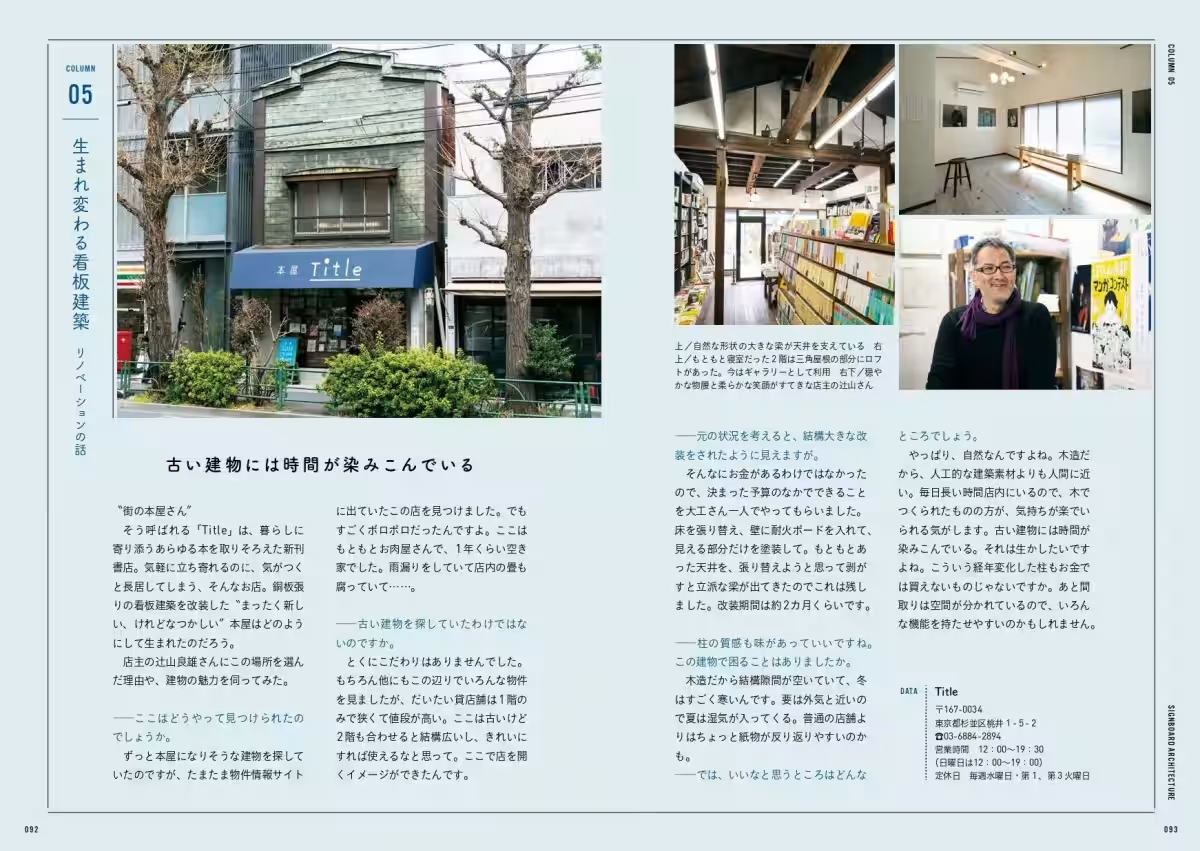
- - The art of signboard architecture revitalization
- - The enchantment of glass in signboard architecture
- - A visitable collection of signboard architecture at Edo Tokyo Museum
- - Signboard architecture in the surrounding Kanto area
- - Artisan skills preserved in signboard architecture
Book Information
Title: "Nostalgic Signboard Architecture: Shops and Life in the Showa Era"
- - Supervision: Masakazu Haginoya
- - Price: ¥2,400 (¥2,200 + tax)
- - Format: A5, paperback, 208 pages, full color
- - ISBN: 978-4-86791-069-6
- - Release Date: December 26, 2025 (availability may vary by region)
- - Published by: T-Wavergins Co., Ltd.
This publication encapsulates the essence of Showa-era signboard architecture, serving as a critical reminder of a unique cultural heritage.
Topics Entertainment & Media)
【About Using Articles】
You can freely use the title and article content by linking to the page where the article is posted.
※ Images cannot be used.
【About Links】
Links are free to use.